
The High-Tech Return of Wind Power to Global Shipping
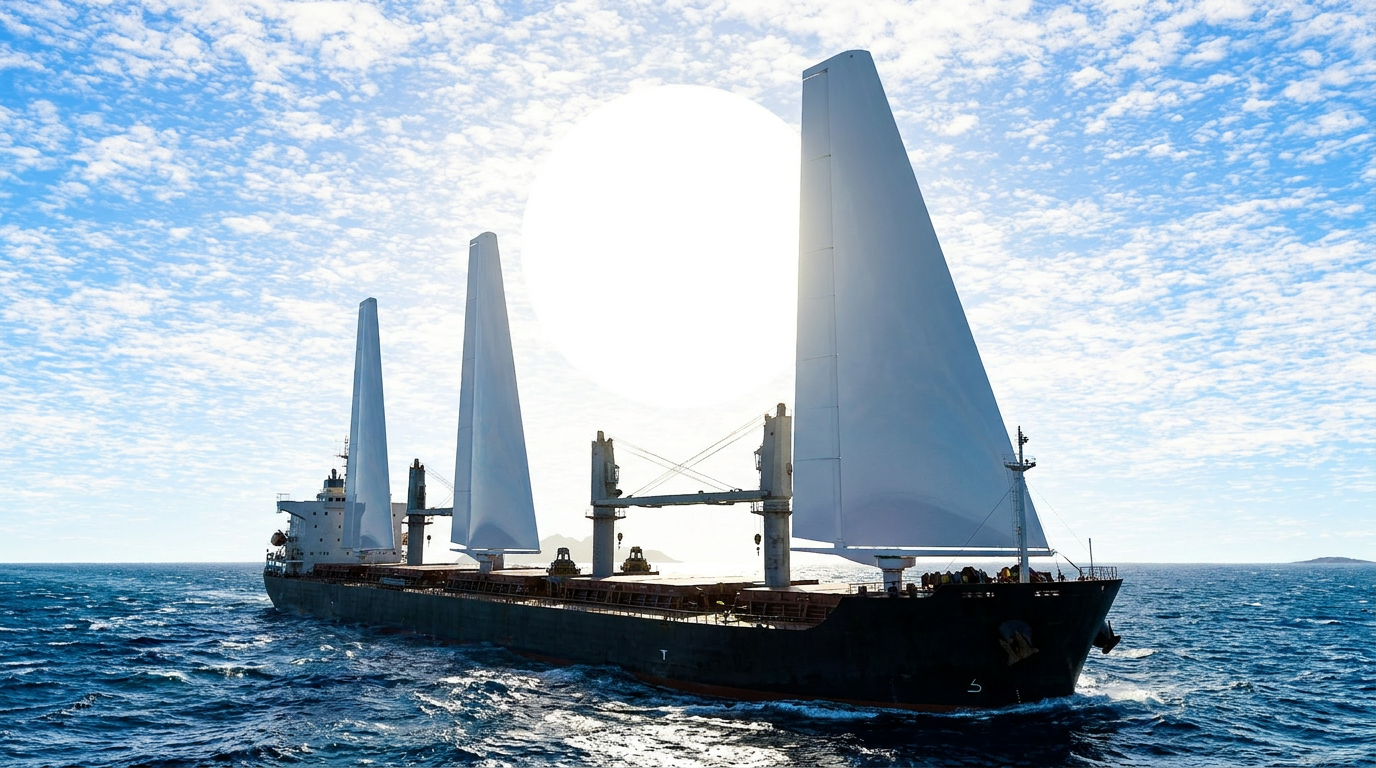
Faced with strict emission targets and volatile fuel costs, the commercial shipping industry is retrofitting massive cargo vessels with rigid wing sails and spinning rotors.
By Factlen Editorial Team
Maritime Innovators 40%Shipowners & Operators 35%Regulatory & Academic 25%
- Maritime Innovators
- Focus on the aerodynamic physics, verifiable fuel savings data, and the potential to scale up to 50% savings on optimal routes.
- Shipowners & Operators
- Prioritize the capital expenditure, the return-on-investment timeline, and the logistical headaches of port compatibility and tight schedules.
- Regulatory & Academic
- Emphasize standardized measurement of thrust, safety protocols, and ensuring that claimed emissions reductions are mathematically verifiable.
What's not represented
- · Port Authority Operators
- · Traditional Marine Engineers
Why this matters
Global shipping accounts for roughly 3% of global greenhouse gas emissions. The successful deployment of wind-assisted propulsion proves that heavy industry can decarbonize using existing natural resources, potentially lowering the cost of global trade while cleaning the air.

More in transportation
See all 13 stories →Battery Tech
The Solid-State Battery Era Arrives: How 2026 Became the Tipping Point for EV Tech
7 sources

Hydrail Technology
How Hydrogen Trains Work: The Promise and Challenges of 'Hydrail'
6 sources

Green Shipping
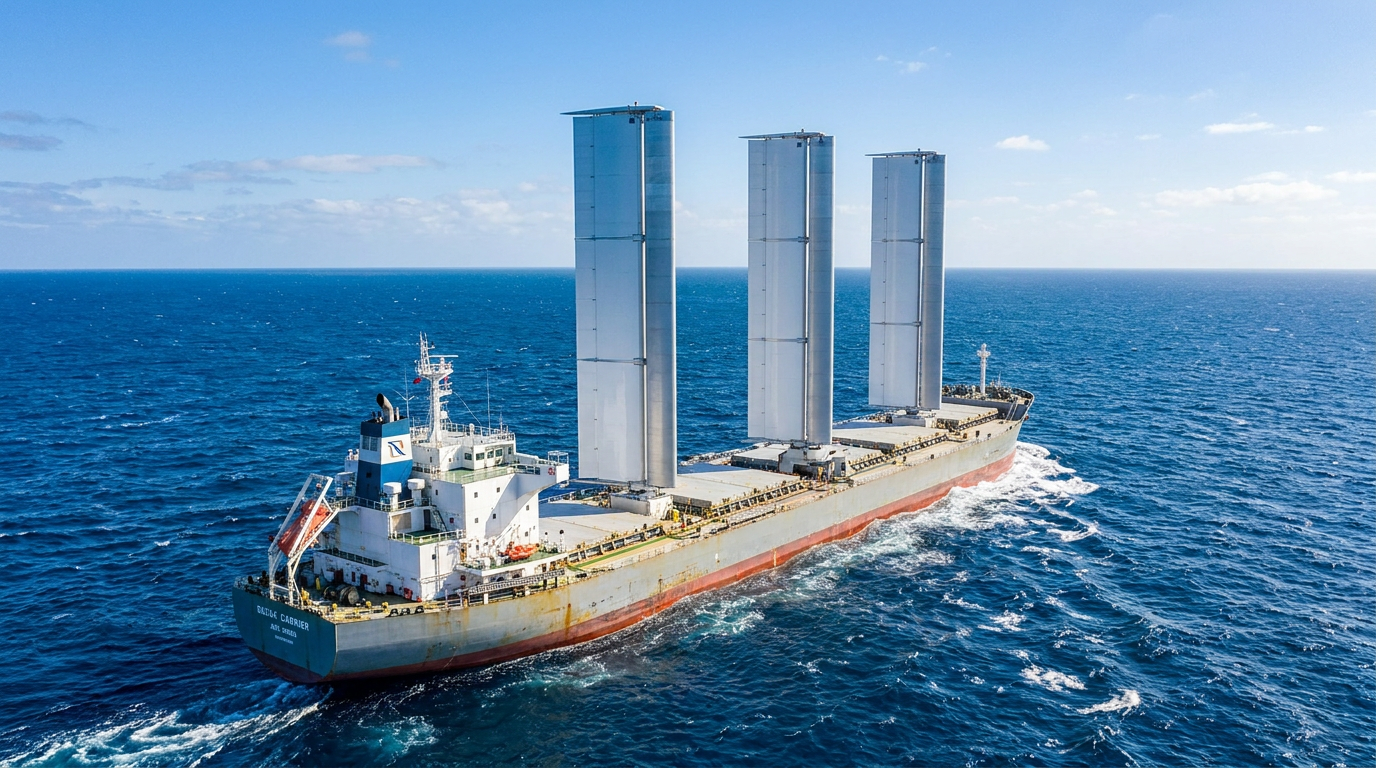
Commercial Shipping Returns to Wind Power to Slash Global Emissions
7 sources
Grid Tech
How Bidirectional Charging is Turning EVs into Mobile Power Plants
9 sources

Stay informed
Every angle. Every day.
Get transportation stories with full source coverage and perspective breakdowns delivered to your inbox.