
How Reusable Rockets and Orbital Refueling Are Rewriting the Space Economy
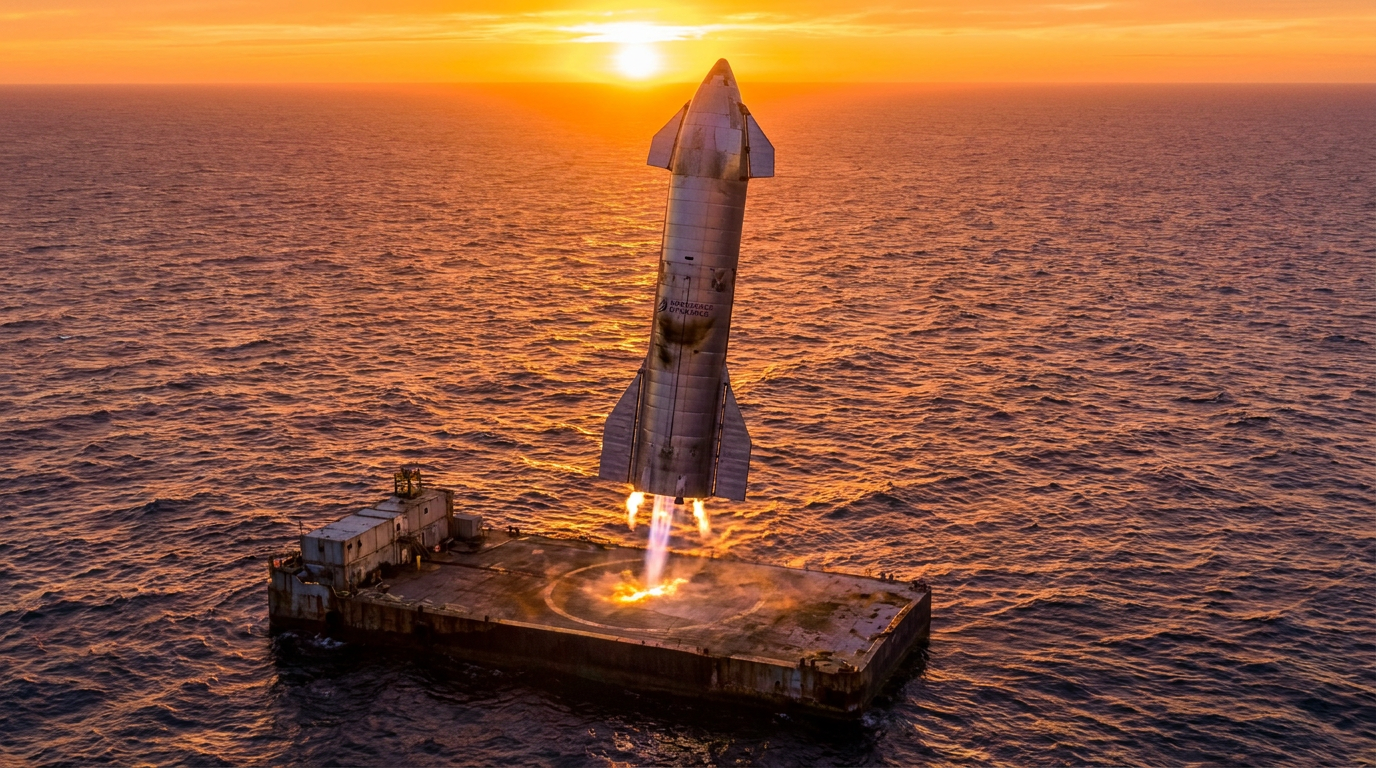
The normalization of fully reusable rockets and the advent of orbital refueling are drastically lowering launch costs, fueling a commercial space boom projected to reach $900 billion by 2035.
By Factlen Editorial Team
Commercial Launch Providers 30%Space Economy Analysts 30%Deep Space Advocates 25%Aerospace Historians 15%
- Commercial Launch Providers
- Focus on rapid reusability and scaling launch cadence to drive down costs.
- Space Economy Analysts
- Focus on the financial unlock, satellite constellations, and the projected $900B market.
- Deep Space Advocates
- Focus on orbital refueling as the critical enabler for lunar bases and Mars missions.
- Aerospace Historians
- Focus on the historical transition from expendable to reusable architectures and the timeline of milestones.
What's not represented
- · Environmental groups concerned about the atmospheric impact of high-cadence rocket launches and reentry pollution.
- · Astronomers dealing with light pollution and orbital interference from massive satellite constellations enabled by cheap launches.
Why this matters
By drastically lowering the cost to reach orbit and enabling in-space refueling, reusable rockets are transforming space from an exclusive government domain into a booming commercial economy, directly impacting global telecommunications, climate monitoring, and the future of human exploration.

More in transportation
See all 13 stories →Maritime Tech
The High-Tech Return of Wind Power to Global Shipping
7 sources

Hydrail Technology
How Hydrogen Trains Work: The Promise and Challenges of 'Hydrail'
6 sources

Green Shipping
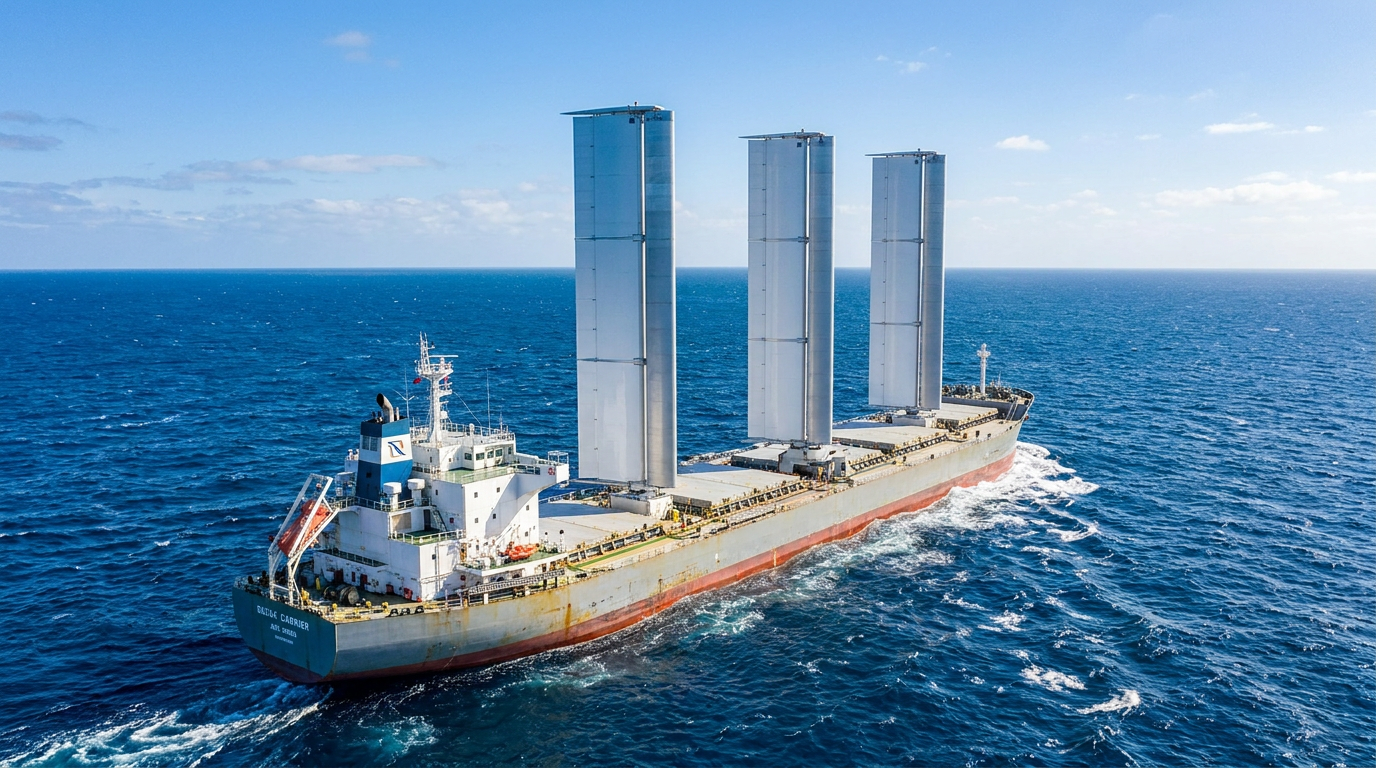
Commercial Shipping Returns to Wind Power to Slash Global Emissions
7 sources
Grid Tech
How Bidirectional Charging is Turning EVs into Mobile Power Plants
9 sources

Stay informed
Every angle. Every day.
Get transportation stories with full source coverage and perspective breakdowns delivered to your inbox.