
How Bidirectional Charging is Turning EVs into Mobile Power Plants
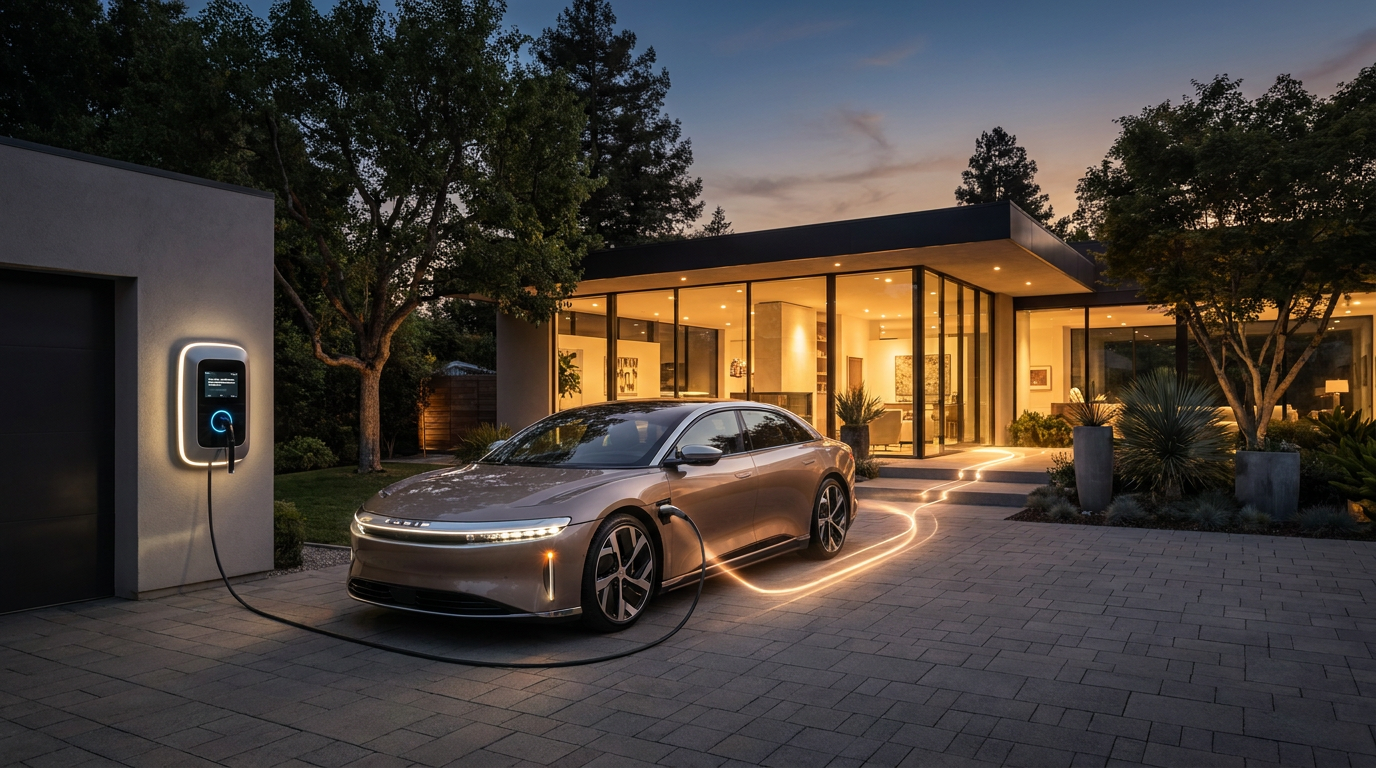
Vehicle-to-grid (V2G) and vehicle-to-home (V2H) technologies are reaching mainstream adoption in 2026, allowing electric vehicles to power houses and stabilize the electrical grid. This explainer breaks down how the technology works, the economic benefits for drivers, and the regulatory hurdles that remain.
By Factlen Editorial Team
- Grid Operators & Utilities
- Viewing EVs as a massive, distributed battery network to stabilize the grid.
- Consumer Advocates
- Focusing on energy independence, backup power, and household savings.
- Hardware & Auto Manufacturers
- Racing to standardize technology and monetize new energy services.
What's not represented
- · Fossil fuel peaker plant operators
- · Apartment dwellers without dedicated home charging
Why this matters
For decades, cars have been depreciating assets that sit idle 95% of the time. Bidirectional charging flips that equation, allowing consumers to use their vehicles as massive home backup batteries during outages and potentially earn passive income by selling stored energy back to the grid.

More in transportation
See all 13 stories →Battery Tech
The Solid-State Battery Era Arrives: How 2026 Became the Tipping Point for EV Tech
7 sources

Maritime Tech
The High-Tech Return of Wind Power to Global Shipping
7 sources

Hydrail Technology
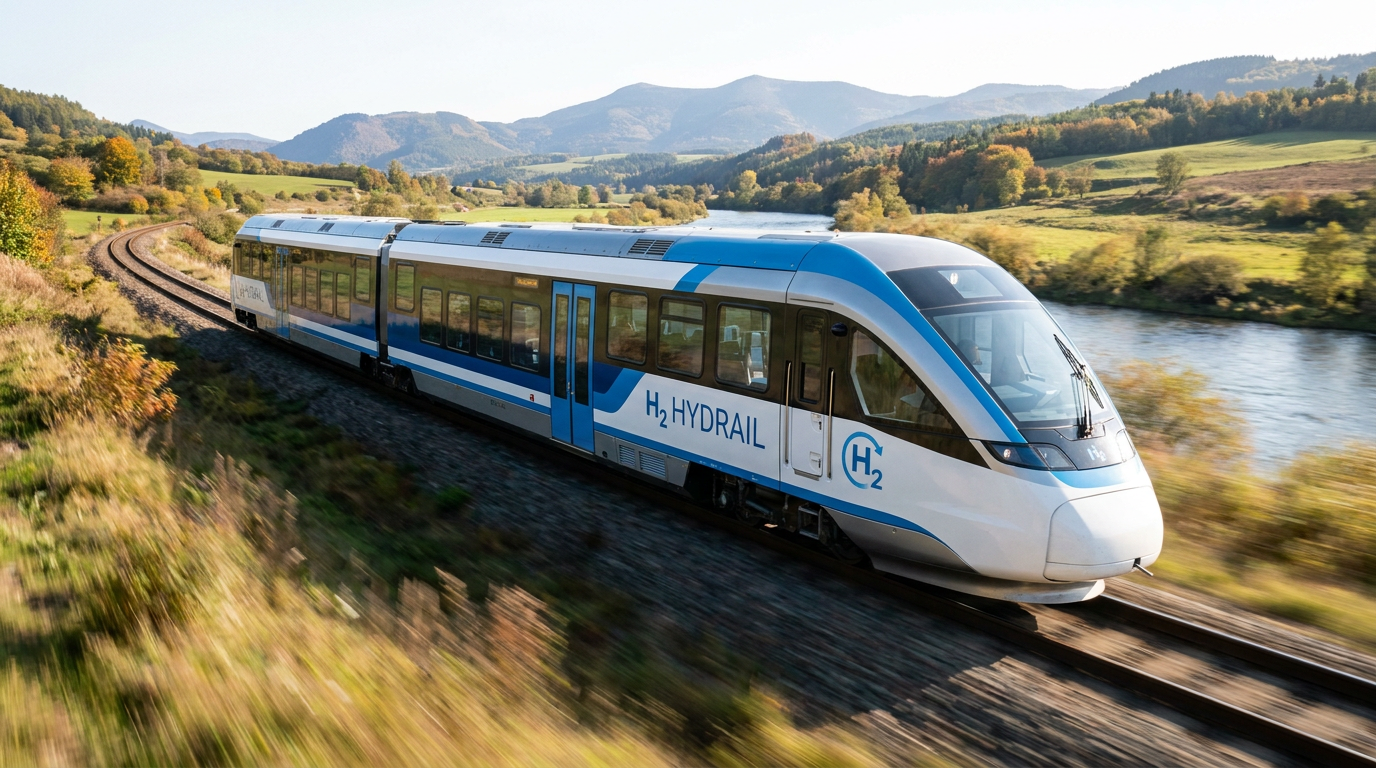
How Hydrogen Trains Work: The Promise and Challenges of 'Hydrail'
6 sources
Green Shipping
Commercial Shipping Returns to Wind Power to Slash Global Emissions
7 sources

Every angle. Every day.
Get transportation stories with full source coverage and perspective breakdowns delivered to your inbox.