
Commercial Shipping Returns to Wind Power to Slash Global Emissions
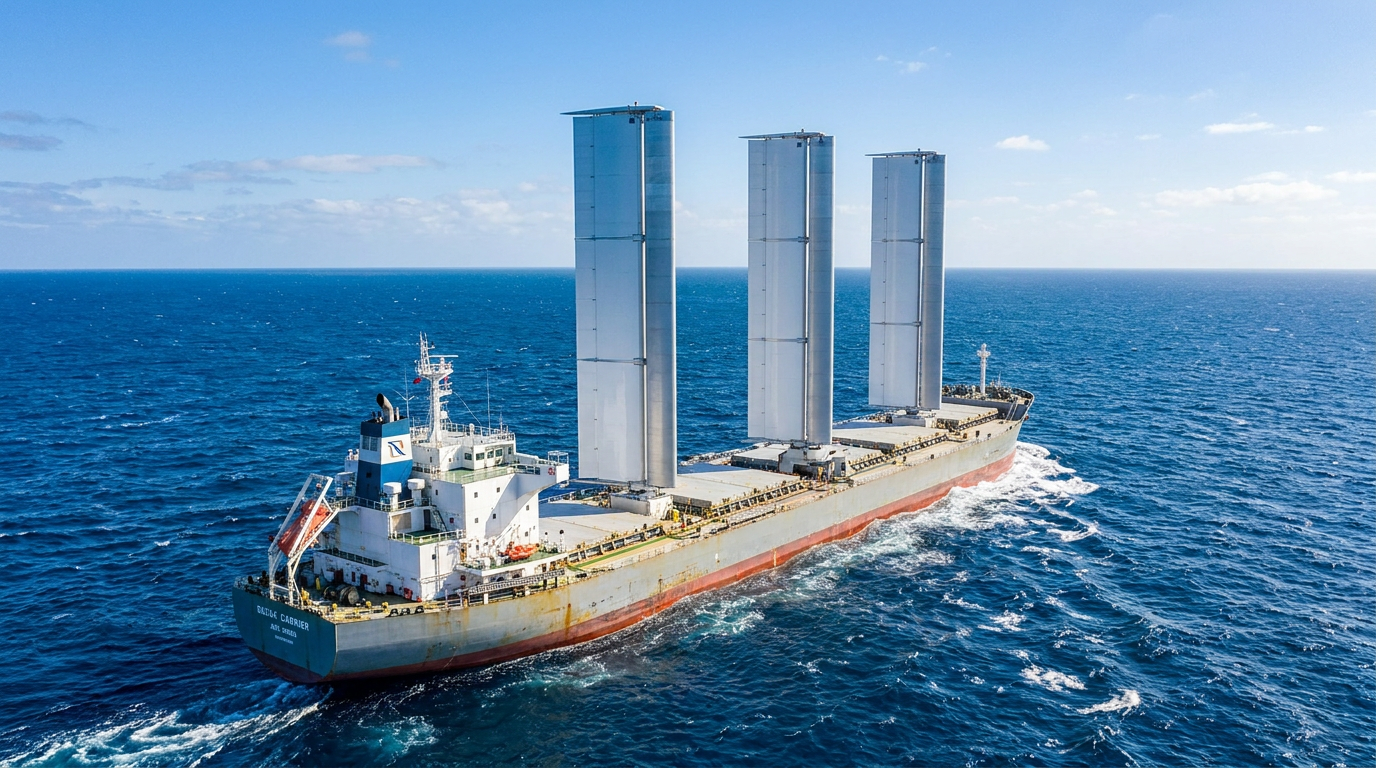
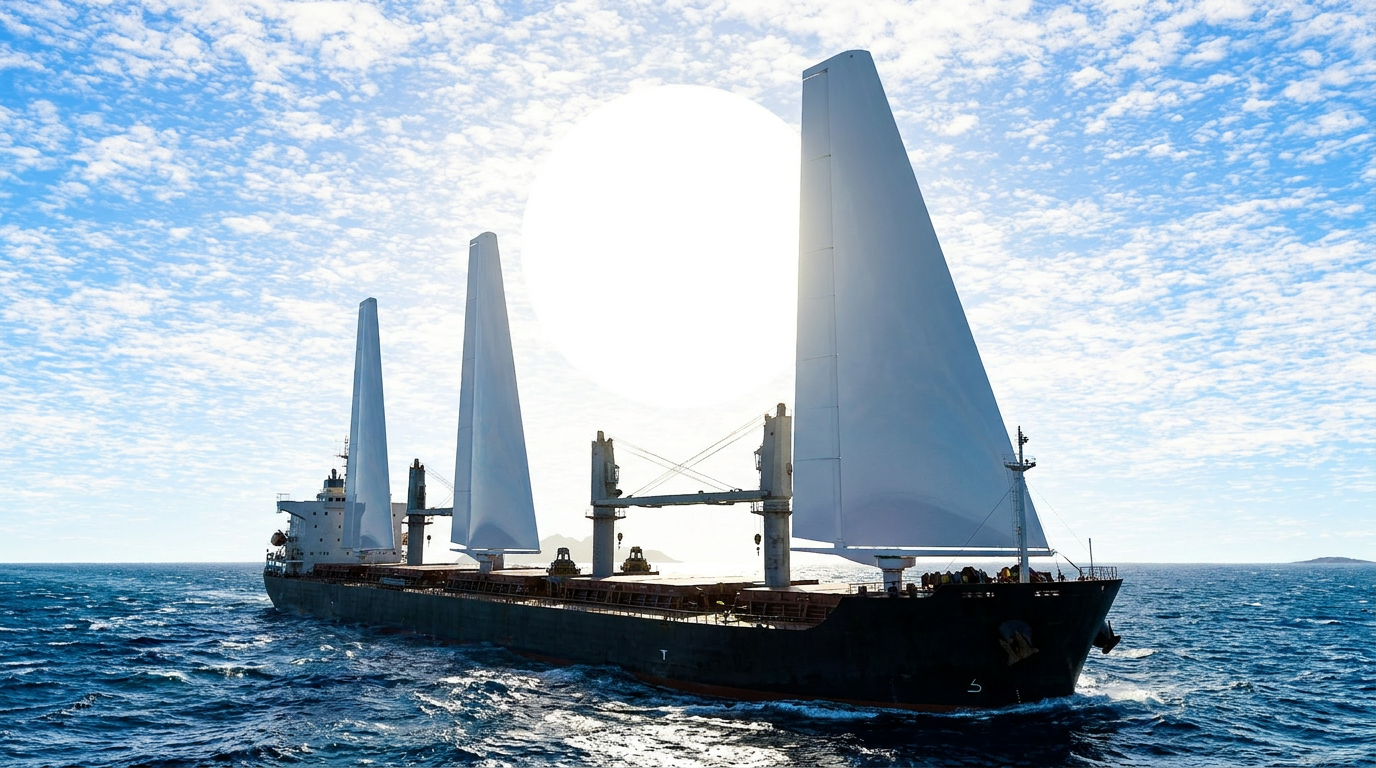
The maritime industry is reviving a centuries-old power source using high-tech rigid sails and spinning rotors to cut fuel consumption and meet aggressive new climate targets.
By Factlen Editorial Team
Maritime Engineers & Innovators 35%Shipowners & Operators 35%Environmental Advocates 30%
- Maritime Engineers & Innovators
- Focuses on the aerodynamic breakthroughs and the seamless integration of automation that make modern wind power viable.
- Shipowners & Operators
- Views wind-assist primarily as a risk-mitigation tool against volatile fuel prices and looming carbon taxes.
- Environmental Advocates
- Argues that wind power offers the only immediate, scalable way to stop millions of tons of CO2 from entering the atmosphere today.
What's not represented
- · Port Authorities & Stevedores
- · Global Supply Chain Managers
Why this matters
Shipping moves 90% of global goods but produces 3% of global emissions. Because zero-carbon fuels like green ammonia are still years away from scale, wind-assisted propulsion offers an immediate, proven way to decarbonize the global supply chain without disrupting trade.

More in transportation
See all 13 stories →Battery Tech
The Solid-State Battery Era Arrives: How 2026 Became the Tipping Point for EV Tech
7 sources

Maritime Tech
The High-Tech Return of Wind Power to Global Shipping
7 sources
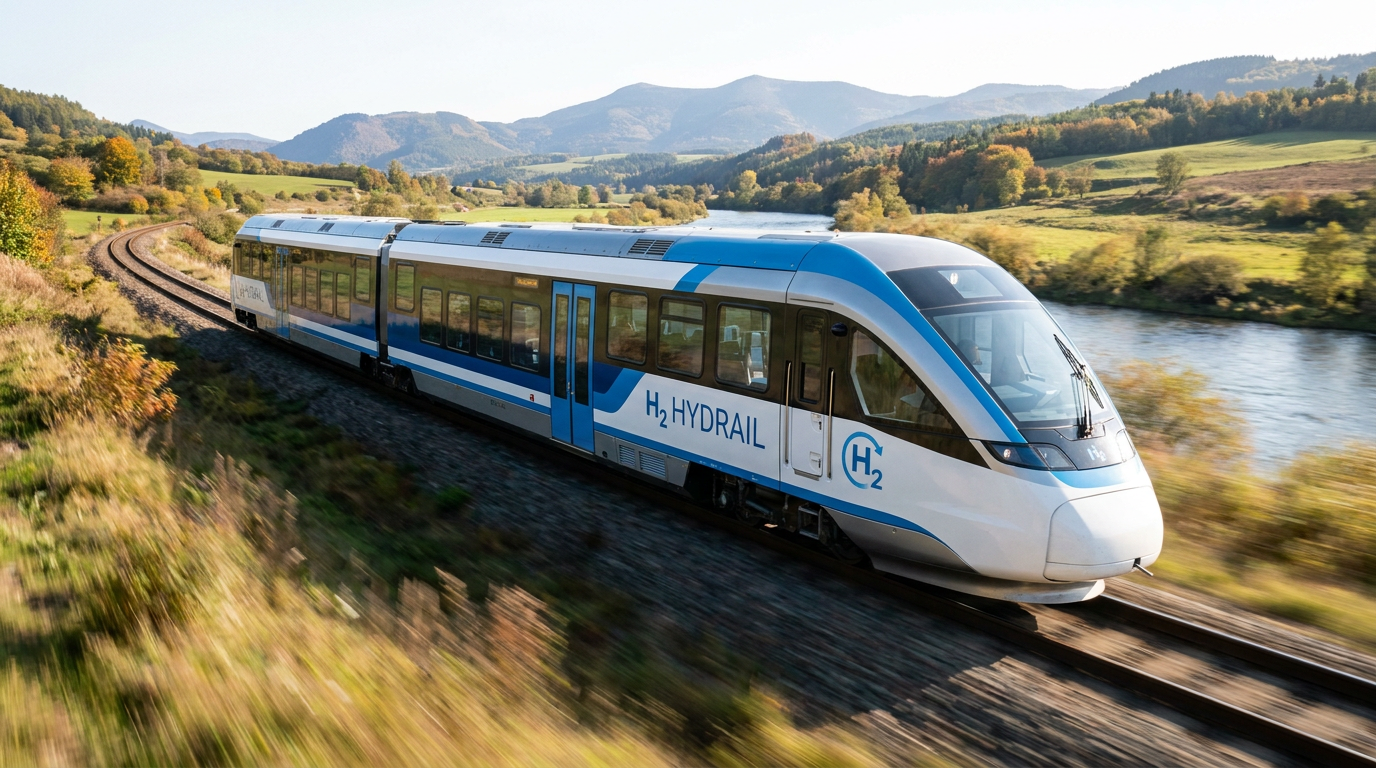
Hydrail Technology
How Hydrogen Trains Work: The Promise and Challenges of 'Hydrail'
6 sources
Grid Tech
How Bidirectional Charging is Turning EVs into Mobile Power Plants
9 sources

Stay informed
Every angle. Every day.
Get transportation stories with full source coverage and perspective breakdowns delivered to your inbox.