
UK Prime Minister Keir Starmer Expected to Resign Amid Historic Labour Rebellion
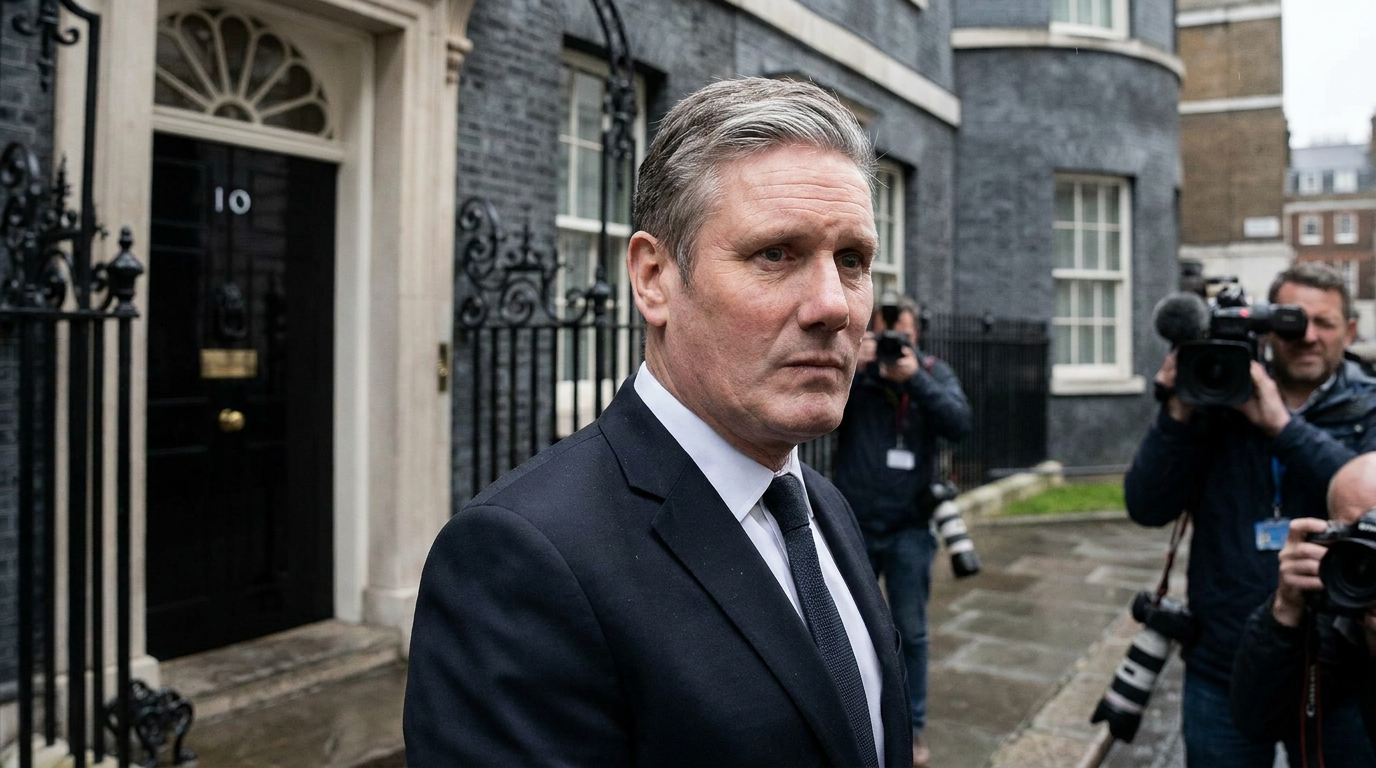
British Prime Minister Keir Starmer is reportedly preparing to announce his resignation following a devastating party revolt and Andy Burnham's landslide by-election victory.
By Factlen Editorial Team
- Burnham Camp & Regionalists
- Argue that Starmer has lost the public trust and that Labour needs a fresh, unifying, pro-regional-devolution approach to counter the populist right.
- Reform UK & The Populist Right
- Argue that Labour is fundamentally broken and out of touch with the working class, positioning themselves as the true opposition.
- Starmer Loyalists
- Maintain that the Prime Minister won a massive mandate in 2024 and that a leadership contest will plunge the party into chaos.
- The General Public
- Exhausted by the cost-of-living crisis and political instability, with a majority demanding a change in leadership.
What's not represented
- · International diplomatic allies
- · Financial market analysts
Why this matters
A change in the UK premiership without a general election injects profound instability into one of the world's largest economies. The leadership crisis threatens to paralyze British domestic policy and raises immediate questions about the country's strategic continuity on the global stage.
Key points
- Prime Minister Keir Starmer is widely expected to announce his resignation on Monday after losing the confidence of his party.
- The crisis escalated after Andy Burnham won the Makerfield by-election, securing a parliamentary seat to challenge for the leadership.
- Over 95 Labour MPs and multiple cabinet ministers have publicly demanded Starmer's exit following disastrous local election results.
- Recent polling shows 55% of the British public want Starmer to resign, with Reform UK leading national voting intentions.
British Prime Minister Keir Starmer is reportedly on the brink of resignation, bowing to a relentless intra-party rebellion that has paralyzed his government. After a tense weekend of crisis talks at his Chequers country residence, senior Labour figures expect Starmer to announce a formal timetable for his departure as early as Monday. The anticipated exit marks the culmination of a spectacular collapse in political authority, driven by a prolonged cost-of-living crisis, deeply unpopular policy U-turns, and a string of ethics scandals that have alienated both the public and his own parliamentary colleagues.[1][4]
The immediate catalyst for Starmer’s expected capitulation was a devastating political blow delivered on Thursday night. Andy Burnham, the Mayor of Greater Manchester, secured a landslide victory in the Makerfield by-election, capturing 54.8% of the vote and crushing his nearest rival from the populist Reform UK party. Burnham’s triumph was not merely a local electoral victory; it was a highly orchestrated maneuver to parachute him back into the House of Commons, fulfilling the constitutional prerequisite required to mount a formal challenge for the Labour Party leadership.[3][7]
The mechanism behind Burnham’s return highlights the extraordinary lengths to which the Labour rebellion has gone. In mid-May, Labour MP Josh Simons abruptly resigned his Makerfield seat using the archaic Chiltern Hundreds procedure, explicitly to create a vacancy for Burnham. Political historians noted it was the first time since the 1965 Leyton by-election that a parliamentary seat had been deliberately vacated to provide an outsider with a direct route to the premiership. The gambit paid off, with Burnham winning a majority of over 9,200 votes on a 59% turnout.[7]

Starmer’s grip on power began to fatally loosen following catastrophic local election results in May, where the Labour Party lost control of 35 councils and shed nearly 1,500 councillors across the country. The electoral bloodbath, which saw the party pushed into a humiliating third place in projected national vote share, triggered a wave of panic across the parliamentary ranks. By mid-May, more than 95 Labour Members of Parliament—roughly a quarter of the parliamentary party—had publicly demanded that the Prime Minister resign or set out a clear, immediate timetable for his departure.[6]
The rebellion quickly breached the walls of Starmer’s own cabinet. A wave of high-profile resignations stripped the Prime Minister of his executive shield, beginning with Health Secretary Wes Streeting, who stated he had lost confidence in Starmer’s leadership. The crisis deepened in June when Defence Secretary John Healey and several junior ministers also quit in protest over defense spending disputes. By Friday, cabinet loyalists reportedly delivered an ultimatum, telling Starmer he had until the end of the weekend to orchestrate an orderly exit or face being forcibly removed.[2][6]
Isolated and rapidly running out of political options, Starmer spent the weekend sequestered at Chequers, consulting with his wife, senior advisers, major party donors, and trade union leaders. According to reports from The Observer, the Prime Minister ultimately concluded that his position was no longer tenable in the face of such overwhelming opposition. The consensus among his inner circle was that fighting a protracted leadership contest against a surging Burnham would plunge the party into chaos, paralyze the government, and further alienate an already exhausted electorate.[4][8]

According to reports from The Observer, the Prime Minister ultimately concluded that his position was no longer tenable in the face of such overwhelming opposition.
Despite the overwhelming evidence of his impending departure, Downing Street maintained a facade of defiance through the weekend. A government source insisted on Saturday that Starmer remained "focused on getting on with the job of governing," pointing to his public statements from Friday where he vowed to fight any leadership challenge. However, insiders widely dismissed the denial as a standard holding pattern designed to buy the Prime Minister time to draft his resignation statement and negotiate the terms of the transition.[4][8]
The public mood leaves little room for a Starmer comeback. An Opinium poll conducted just days before the Makerfield result found that 55% of British voters believe the Prime Minister should resign, compared to a mere 25% who think he should remain in post. The electorate's patience has been thoroughly exhausted by the government's inability to curb inflation, coupled with unforced errors like the controversial appointment of Peter Mandelson as ambassador to Washington, which sparked a fierce ethics backlash.[5][6]
The most alarming data point for the Labour establishment is the meteoric rise of the populist right. The same Opinium survey shows Nigel Farage’s Reform UK leading national voting intention at 27%, a stunning rebuke of the traditional two-party system. Labour trails at 20%, with the Conservatives languishing at 18%. Burnham’s supporters argue that his decisive victory over Reform UK in Makerfield proves he is the only Labour figure capable of neutralizing Farage’s appeal in the party’s traditional working-class heartlands.[5][7]

In his victory speech early Friday morning, Burnham wasted no time positioning himself as the nation’s next leader. He framed the Makerfield result as Labour’s "final chance to change," explicitly pitching a platform of unity, hope, and aggressive regional devolution. By promising to shift power away from Westminster and toward the neglected North, Burnham is attempting to build a broad coalition that bridges the divide between the party's progressive urban base and its socially conservative, post-industrial constituencies.[3]
If Starmer steps down as expected, the Labour Party faces a high-stakes transition. While Burnham is the undisputed frontrunner, former Health Secretary Wes Streeting has also signaled his intention to run. However, party insiders suggest the two heavyweights are likely to strike a backroom deal to avoid a bruising civil war. A plausible scenario involves Streeting backing Burnham's leadership bid in exchange for a senior cabinet portfolio, ensuring a swift and unified coronation rather than a protracted public battle.[2][6]

The uncertainty now hinges entirely on Starmer’s Monday address. If he defies expectations and refuses to yield, Labour MPs are fully prepared to force the issue. Reports indicate that approximately 200 lawmakers are ready to sign Burnham’s nomination papers, easily clearing the threshold required to trigger a formal leadership contest. Either way, the Starmer era appears to be drawing to a rapid and ignominious close, setting the stage for yet another profound shift in British political leadership.[2]
The constitutional implications of the crisis have not gone unnoticed by the British public. A change in Labour leadership means the United Kingdom will once again see a change in Prime Minister without a general election—a scenario that has repeatedly played out over the last decade. Opposition parties and grassroots campaigns are already mobilizing, arguing that the government has lost its democratic mandate and demanding an immediate dissolution of Parliament to let the voters decide the country's future.[6]
Beyond domestic politics, Starmer’s impending fall marks another chapter of profound instability for the United Kingdom on the global stage. International allies, already weary from years of rapid turnover in Downing Street, are watching the Labour crisis with growing concern. With critical defense spending decisions looming, ongoing trade disputes, and complex diplomatic negotiations requiring steady leadership, the prospect of yet another abrupt transition raises serious questions about Britain's reliability and strategic continuity in an increasingly volatile geopolitical landscape.[1][6]
How we got here
July 2024
Keir Starmer leads the Labour Party to a general election victory, becoming Prime Minister.
May 2026
Labour suffers devastating losses in local elections, shedding 35 councils and sparking a massive internal rebellion.
May 14, 2026
Health Secretary Wes Streeting and Makerfield MP Josh Simons resign, the latter to clear a path for Andy Burnham.
June 18, 2026
Andy Burnham wins the Makerfield by-election in a landslide, officially returning to Parliament.
June 19, 2026
Cabinet loyalists issue an ultimatum, giving Starmer until the end of the weekend to announce his resignation.
Viewpoints in depth
The Burnham Insurgency
Supporters view Burnham as the only figure capable of uniting the party and defeating the populist right.
Allies of Andy Burnham argue that Keir Starmer's leadership has fatally alienated the working-class voters who delivered Labour's 2024 majority. By championing regional devolution and a break from Westminster-centric politics, the Burnham camp believes they can neutralize the threat posed by Nigel Farage's Reform UK. They point to the Makerfield by-election—where Burnham secured nearly 55% of the vote against a strong Reform challenge—as definitive proof that his brand of 'Northern power' politics is the party's only viable path forward.
Starmer's Loyalists
A shrinking circle of defenders argues that abandoning the Prime Minister mid-term is a catastrophic error.
Those still defending the Prime Minister maintain that the current crisis is a hysterical overreaction to inevitable mid-term unpopularity. Starmer's allies argue that he secured a historic mandate in 2024 and has been forced to make difficult, unpopular decisions to stabilize a broken economy. They warn that forcing a sitting Prime Minister out of office will not only plunge the Labour Party into a chaotic civil war but will also validate the narrative that the party is unfit to govern, ultimately handing an advantage to the Conservatives and Reform UK.
The Populist Right
Reform UK views the Labour civil war as evidence that the traditional political establishment is collapsing.
For Nigel Farage and Reform UK, the implosion of Keir Starmer's premiership is a vindication of their core message: that the traditional two-party system is fundamentally broken. Despite losing the Makerfield by-election to Burnham, Reform UK points to their 27% lead in national voting intention polls as evidence that they are the true opposition. They argue that Labour's internal obsession with leadership contests ignores the severe cost-of-living and immigration concerns of everyday Britons, positioning themselves to capitalize on the ensuing chaos.
What we don't know
- Whether Starmer will attempt to fight the leadership challenge or agree to an orderly transition of power.
- If former Health Secretary Wes Streeting will mount a rival leadership bid against Andy Burnham.
- How financial markets and international allies will react to another sudden change in the UK premiership.
Key terms
- By-election
- An election held in a single political constituency to fill a vacancy that arises during a government's term, often serving as a barometer of national political mood.
- Chiltern Hundreds
- An archaic parliamentary procedure used by UK lawmakers to resign their seats, as members are technically forbidden from quitting the House of Commons directly.
- Chequers
- The official country residence of the British Prime Minister, frequently used for high-level crisis meetings and diplomatic summits.
- Reform UK
- A right-wing populist political party that has surged in recent polls by capitalizing on public frustration with the traditional Conservative and Labour parties.
Frequently asked
Why did Andy Burnham have to run in a by-election?
Under Labour Party rules, any candidate for the party leadership must be a sitting Member of Parliament. Because Burnham was serving as the Mayor of Greater Manchester, an allied MP had to resign to create a vacancy for him to enter the House of Commons.
What happens if Keir Starmer refuses to resign?
If Starmer does not voluntarily step down, Labour MPs can force a leadership contest. Reports indicate that over 200 lawmakers are already prepared to sign nomination papers for Andy Burnham, which would trigger a formal challenge.
Will there be a general election?
Not automatically. Because the Labour Party holds a majority in the House of Commons, a new Labour leader would simply become Prime Minister. However, opposition parties are heavily pressuring the government to call an early election.
Sources
Source coverage
8 outlets
4 viewpoints surfaced






[1]Fox NewsReform UK & The Populist Right
Keir Starmer reportedly considering stepping down as PM and could announce timetable for departure
Read on Fox News →[2]The GuardianBurnham Camp & Regionalists
Cabinet loyalists tell Starmer he has the weekend to set out timetable for exit
Read on The Guardian →Andy Burnham wins huge majority in Makerfield byelection, paving way for Starmer leadership challenge
Read on The Guardian →[4]CNAThe General Public
UK PM Starmer expected to resign on Monday and set out orderly exit, Observer reports
Read on CNA →[5]OpiniumThe General Public
Voting intention: 17th June 2026
Read on Opinium →[6]WikipediaThe General Public
2026 Labour Party leadership crisis
Read on Wikipedia →2026 Makerfield by-election
Read on Wikipedia →[8]The Spokesman-ReviewStarmer Loyalists
Report says U.K. Prime Minister Keir Starmer ready to quit, but source says he is still focused on the job
Read on The Spokesman-Review →

More in news politics
See all 6 stories →Bolivia Crisis
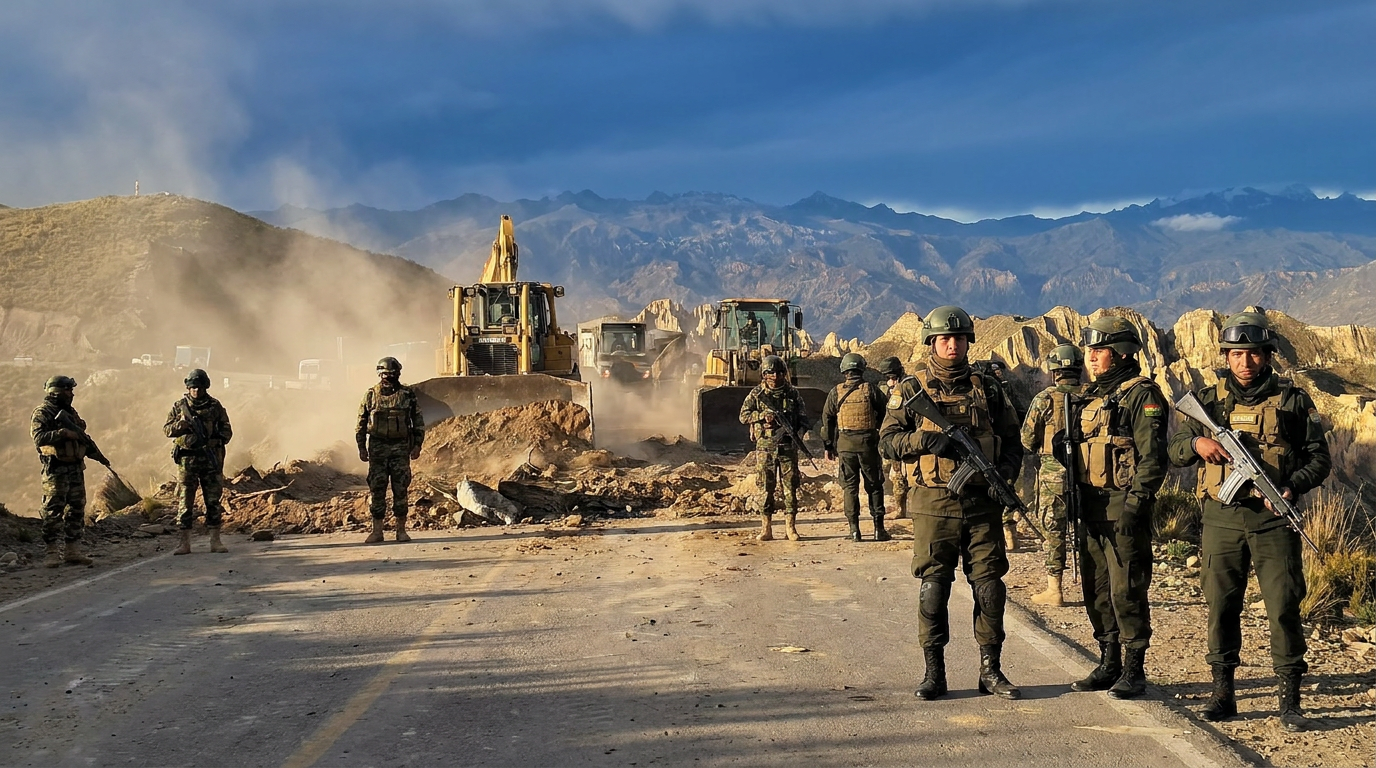
Bolivian President Declares State of Emergency, Deploys Military to Clear Protest Blockades
6 sources
U.S.-Iran Talks
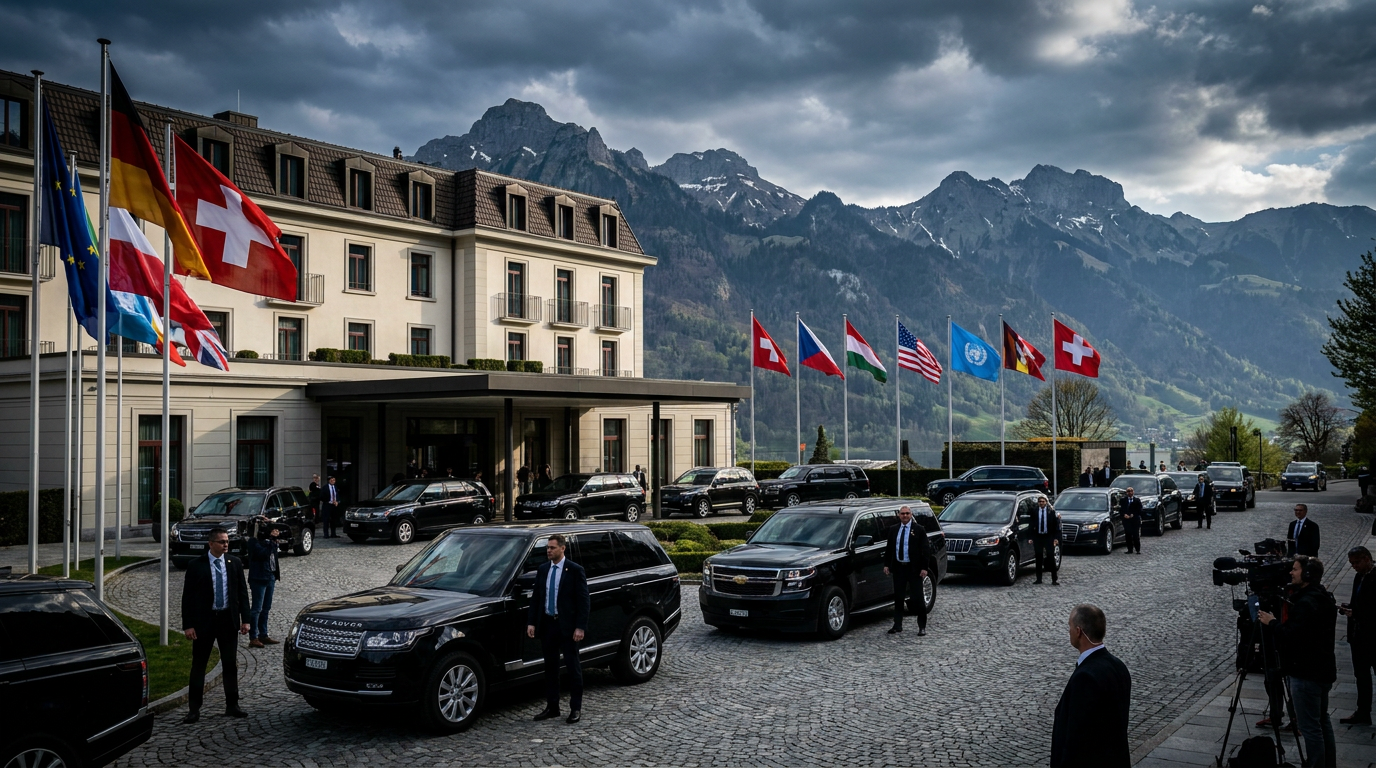
Inside the High-Stakes U.S.-Iran Peace Talks in Switzerland
7 sources
U.S.-Iran Talks
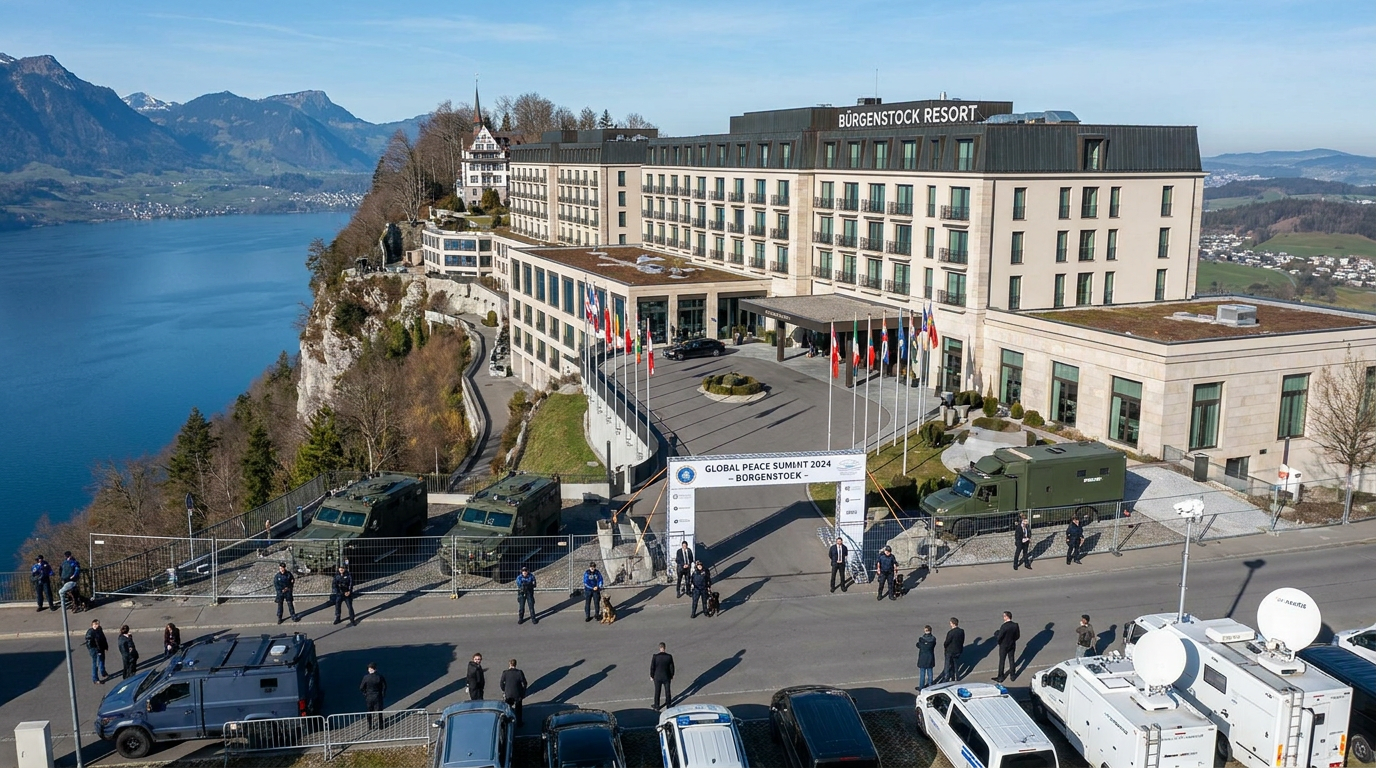
U.S. and Iran Open High-Stakes Negotiations in Switzerland Amid Regional Flare-Ups
8 sources
Bolivia Blockades
Bolivian President Declares State of Emergency, Deploys Military to Clear 50-Day Blockades
6 sources
Every angle. Every day.
Get news politics stories with full source coverage and perspective breakdowns delivered to your inbox.