
Bolivian President Declares State of Emergency, Deploys Military to Clear Protest Blockades
President Rodrigo Paz has invoked emergency powers to dismantle 50-day road blockades that have paralyzed Bolivia's economy and caused severe shortages of food and medicine.
By Factlen Editorial Team
- Bolivian Administration
- Argues the blockades are an organized attempt to destabilize democracy, necessitating military intervention.
- Pro-Morales Opposition
- Views the government's austerity measures as an attack on the working class and vows to resist military clearance.
- International Observers
- Focuses on the geopolitical stakes and the potential collapse of Bolivia's economy.
What's not represented
- · Everyday citizens in La Paz suffering from food and medicine shortages
- · Healthcare workers managing the crisis in under-supplied hospitals
Why this matters
The military escalation in Bolivia threatens to plunge South America's poorest nation into civil conflict, disrupting regional trade and serving as a critical test for democratic stability in the Andean region.
Key points
- President Rodrigo Paz declared a 90-day state of emergency to clear road blockades that have paralyzed Bolivia for 50 days.
- The military and police have begun using bulldozers to dismantle barricades in El Alto and other key transit routes.
- The protests, driven by austerity measures and fuel subsidy cuts, have caused an estimated $3 billion in economic losses.
- While the government reached a deal with a major labor union, hardline factions loyal to Evo Morales vow to resist the military clearance.
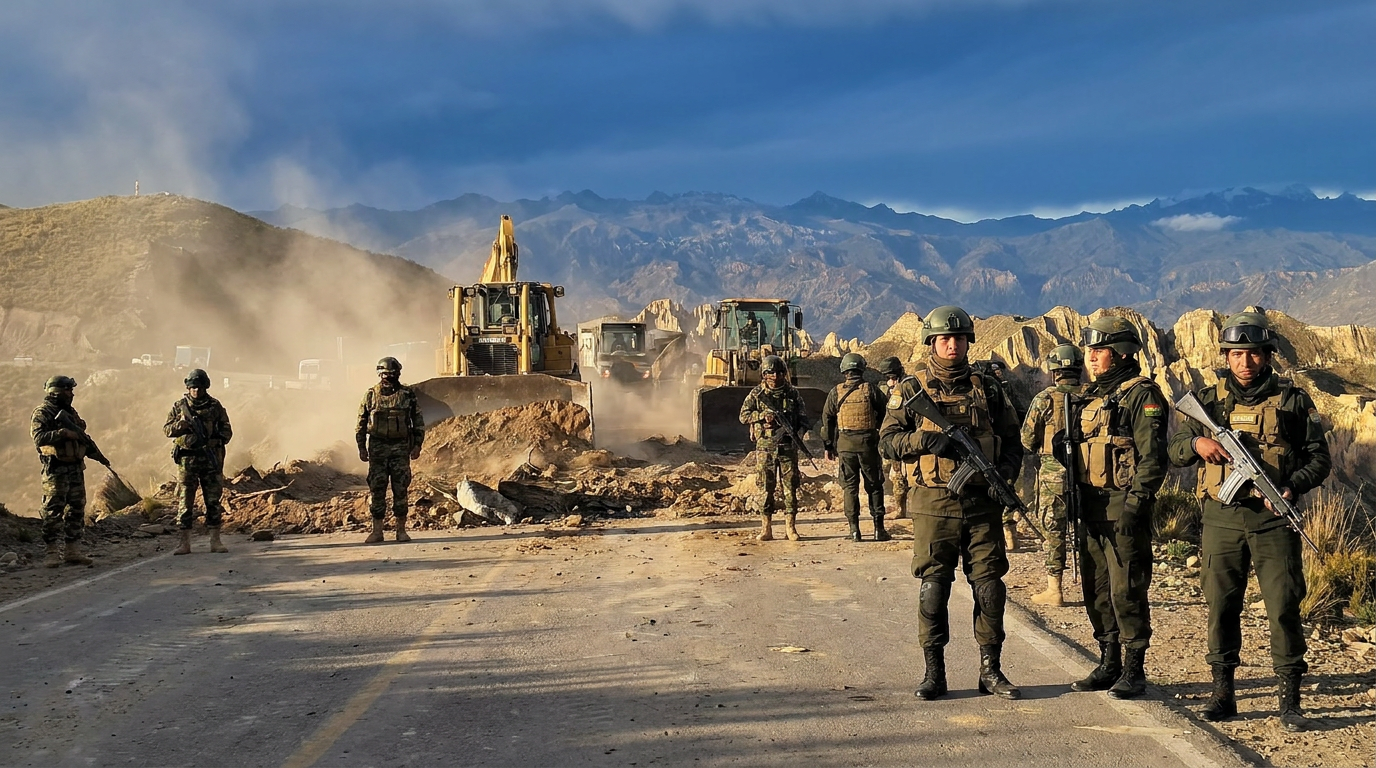
Bolivian President Rodrigo Paz declared a 90-day state of emergency on Saturday, deploying the military and bulldozers to dismantle anti-government road blockades that have paralyzed the Andean nation for nearly two months. The decree authorizes armed forces to support riot police in clearing highways, marking a dramatic escalation in a crisis that has choked off food, fuel, and medical supplies to major cities.[1][2]
In the predawn hours, convoys of soldiers and tactical police units moved into the city of El Alto, using heavy machinery to raze barricades made of rubble, logs, and debris. While some local residents, exhausted by the disruptions, applauded the security forces, the military has yet to reach the most entrenched protest camps in the rural Chapare region, where demonstrators have vowed to resist.[2][3]
The 50-day standoff has inflicted a devastating toll on South America's poorest nation. Barricades have effectively isolated the administrative capital of La Paz, leaving supermarket shelves empty and hospitals running out of oxygen. Authorities report that at least 17 people have died due to a lack of medical care caused by the transportation freeze, while the National Chamber of Industries estimates economic losses have reached $3 billion—roughly 6 percent of Bolivia's annual economic output.[1][3]

The unrest stems from severe austerity measures introduced by Paz, a centrist who took power in November, ending nearly two decades of uninterrupted rule by the socialist MAS party. Facing a worsening dollar crunch and nearly empty central bank coffers, Paz abruptly cut long-standing fuel subsidies to shrink the deficit and secure a $3 billion financing program with the International Monetary Fund.[3][4]
Those reforms triggered fierce backlash from unions, Indigenous groups, and coca farmers who accuse the government of abandoning the working class. While Paz signed a breakthrough agreement on Friday with the Bolivian Workers' Central (COB) union—promising to halt state privatizations in exchange for lifting the blockades—hardline factions loyal to former President Evo Morales rejected the deal and demanded Paz's immediate resignation.[1][5]

Those reforms triggered fierce backlash from unions, Indigenous groups, and coca farmers who accuse the government of abandoning the working class.
In a televised address to the nation, Paz framed the military deployment as a necessary measure to rescue the country from "narco-terrorists" and political saboteurs. "This is not a state of emergency to restrict people's lives. It is a state of emergency to give people back their freedom," Paz declared, insisting that Bolivians could no longer be held hostage by factions using violence to destabilize the democracy.[1][3]
The crisis has drawn sharp international attention, particularly from Washington. U.S. Secretary of Defense Pete Hegseth publicly denounced the protests as "attempts to overthrow the legitimate government," issuing a stark warning on social media to those "profiting on death and destruction in our hemisphere." Meanwhile, neighboring countries are watching nervously as Bolivia's economic paralysis threatens regional trade routes.[1][6]

As the military continues its sweep, the ultimate test will come when security forces confront the heavily fortified blockades in the Chapare region, Morales's political stronghold. With 35 major roadblocks still active as of Saturday afternoon, the country braces for potential clashes that could either break the opposition's grip or plunge Bolivia deeper into civil conflict.[2][3]
How we got here
November 2025
Centrist Rodrigo Paz assumes the presidency, ending nearly two decades of socialist MAS rule.
May 2026
Protests erupt after Paz abruptly cuts long-standing fuel subsidies to shrink the national deficit.
June 19, 2026
The government signs an agreement with the Bolivian Workers' Central (COB) union to end blockades in exchange for halting privatizations.
June 20, 2026
President Paz declares a 90-day state of emergency, deploying the military to clear remaining roadblocks held by hardline factions.
Viewpoints in depth
The Centrist Administration
President Rodrigo Paz argues the military intervention is necessary to rescue the economy from political saboteurs.
The government views the 50-day blockade not as a legitimate social protest, but as a coordinated economic siege designed to force a coup. President Paz and his allies point to the $3 billion in economic damages and the deaths of citizens unable to reach hospitals as proof that the demonstrators have crossed into domestic terrorism. By signing an agreement with the mainstream labor union (COB), the administration believes it has isolated the radical, pro-Morales factions, justifying the use of emergency military powers to restore constitutional order and secure vital IMF financing.
Pro-Morales Opposition
Indigenous groups and rural farmers view the government's austerity measures as a betrayal of the working class.
For the coca growers of the Chapare region and various Indigenous federations, the Paz administration represents a return to neoliberal policies that historically marginalized Bolivia's rural poor. They argue that cutting fuel subsidies and pursuing IMF deals places the burden of the country's dollar shortage squarely on the working class. Loyal to former President Evo Morales, these groups reject the recent union compromise as a sellout and view the military deployment as an authoritarian crackdown, vowing to maintain their barricades until Paz resigns and the economic reforms are reversed.
International Observers
Foreign powers are watching the crisis through the lens of regional stability and democratic continuity.
The international community, particularly the United States, has framed the unrest as a severe threat to democratic governance in the Americas. U.S. officials have explicitly labeled the blockades as an attempt to overthrow a legitimate government, signaling strong backing for Paz's emergency measures. Meanwhile, neighboring South American nations are increasingly alarmed by the spillover effects, as the paralysis of Bolivian highways disrupts regional supply chains and trade routes, threatening broader economic instability in the Andean region.
What we don't know
- Whether the military will use lethal force if they encounter armed resistance in the Chapare region.
- If former President Evo Morales will call for further escalation or attempt to negotiate from his stronghold.
- How the International Monetary Fund will respond to the ongoing instability regarding the pending $3 billion financing program.
Key terms
- Movement Toward Socialism (MAS)
- The left-wing political party of former President Evo Morales that governed Bolivia for nearly two decades before Rodrigo Paz took office.
- Chapare region
- A rural province in central Bolivia known for coca cultivation and as a stronghold of support for Evo Morales.
- Bolivian Workers' Central (COB)
- The primary trade union federation in Bolivia, which recently reached a tentative agreement with the government.
- State of Emergency
- A governmental declaration that temporarily grants the military broad powers to restore order and clear blockades, though constitutional rights remain intact.
Frequently asked
Why are people protesting in Bolivia?
Protests began over austerity measures, specifically the cancellation of fuel subsidies, and have grown into demands for President Rodrigo Paz to resign amid severe fuel and dollar shortages.
What does the state of emergency do?
It grants the Bolivian military the authority to support police in clearing road blockades and restoring order for 90 days, without suspending constitutional rights.
Who is leading the protests?
The demonstrations are primarily led by Indigenous groups, rural farmers, and coca growers from the Chapare region who remain loyal to former President Evo Morales.
How has the blockade affected the country?
The blockades have isolated major cities like La Paz, causing acute shortages of food, fuel, and medicine, resulting in at least 17 deaths and $3 billion in economic losses.
Sources
Source coverage
6 outlets
3 viewpoints surfaced






[1]AP NewsBolivian Administration
Bolivia's president declares a state of emergency as road blockades choke supplies
Read on AP News →[2]The GuardianPro-Morales Opposition
Bolivian president declares state of emergency and deploys military to quell anti-government protests
Read on The Guardian →[3]BloombergPro-Morales Opposition
Bolivia begins clearing protests as Morales allies vow to resist
Read on Bloomberg →[4]ReutersBolivian Administration
Bolivia's president declares state of emergency to break protest gridlock
Read on Reuters →[5]CGTNInternational Observers
Bolivian president declares state of emergency amid blockade crisis
Read on CGTN →[6]AFPInternational Observers
Bolivia declares state of emergency, deploys military to quell protests
Read on AFP →
More in news politics
See all 7 stories →AI Verification
Fact-Checking the Detectors: How Well Do AI Content Filters Actually Work in 2026?
8 sources

Bolivia Crisis
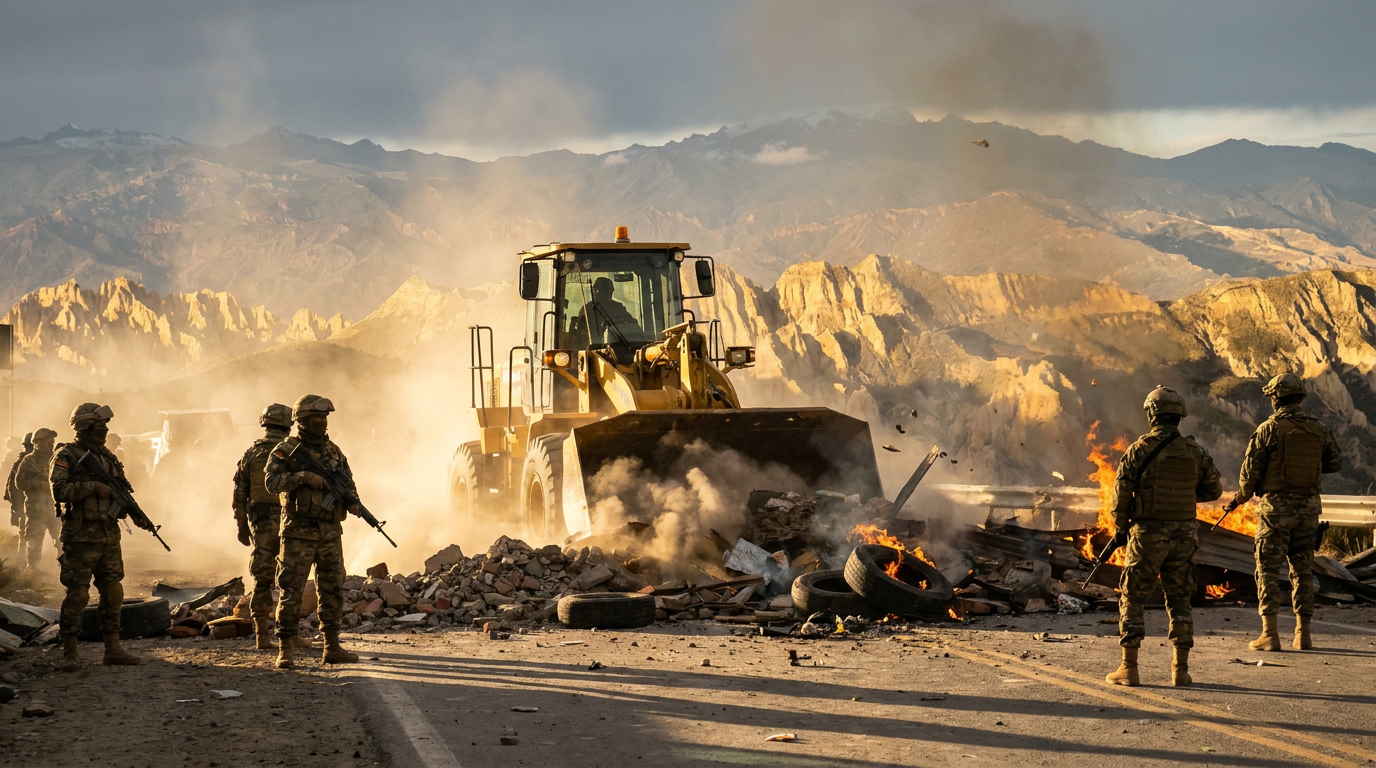
Bolivian President Declares State of Emergency, Deploys Military to Clear Protest Blockades
6 sources
U.S.-Iran Talks
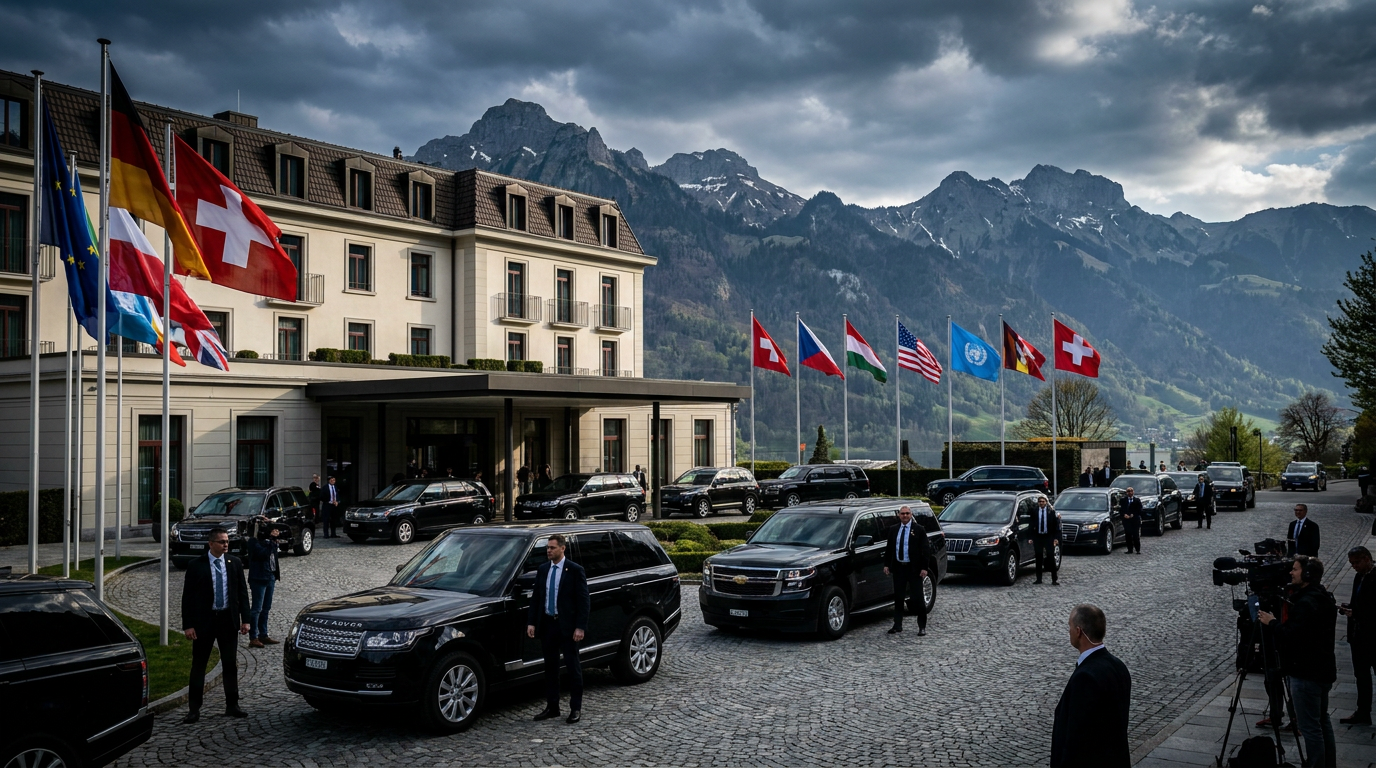
Inside the High-Stakes U.S.-Iran Peace Talks in Switzerland
7 sources
U.S.-Iran Talks
U.S. and Iran Open High-Stakes Negotiations in Switzerland Amid Regional Flare-Ups
8 sources
Every angle. Every day.
Get news politics stories with full source coverage and perspective breakdowns delivered to your inbox.