
U.S. and Iran Open High-Stakes Negotiations in Switzerland Amid Regional Flare-Ups
U.S. Vice President JD Vance and Iranian leaders have arrived in Switzerland to negotiate the technical details of a fragile interim peace agreement. The talks face immediate hurdles following renewed clashes in Lebanon and Iranian threats to close the Strait of Hormuz.
By Factlen Editorial Team
- U.S. Administration
- Focused on curbing Iran's nuclear program and maintaining leverage through economic pressure.
- Iranian Government
- Demands immediate unfreezing of assets and accuses the U.S. and Israel of violating the ceasefire.
- Regional Mediators
- Prioritizes de-escalation and the free flow of global energy to prevent a wider economic crisis.
- Global Markets
- Anxious about the potential disruption of oil supplies through the Strait of Hormuz.
What's not represented
- · Lebanese civilians caught in the crossfire of the Israel-Hezbollah conflict
- · European energy importers who rely heavily on Middle Eastern oil
Why this matters
These 60-day negotiations will determine whether the fragile U.S.-Iran ceasefire holds or collapses back into a war that could choke off a fifth of the world's traded oil. The outcome will directly impact global energy prices, shipping costs, and the broader stability of the Middle East.
Key points
- U.S. and Iranian delegations have arrived in Switzerland to negotiate a permanent end to their recent war.
- The talks aim to finalize details on Iran's nuclear program and secure the Strait of Hormuz within a 60-day window.
- Negotiations were delayed from Friday to Sunday due to renewed fighting between Israel and Hezbollah in Lebanon.
- Iran claims to have closed the Strait of Hormuz in retaliation, a claim disputed by U.S. Central Command.
- President Trump threatened to impose U.S. tolls on the strait if a final agreement is not reached.
- The IAEA and mediators from Pakistan and Qatar are participating in the technical discussions.
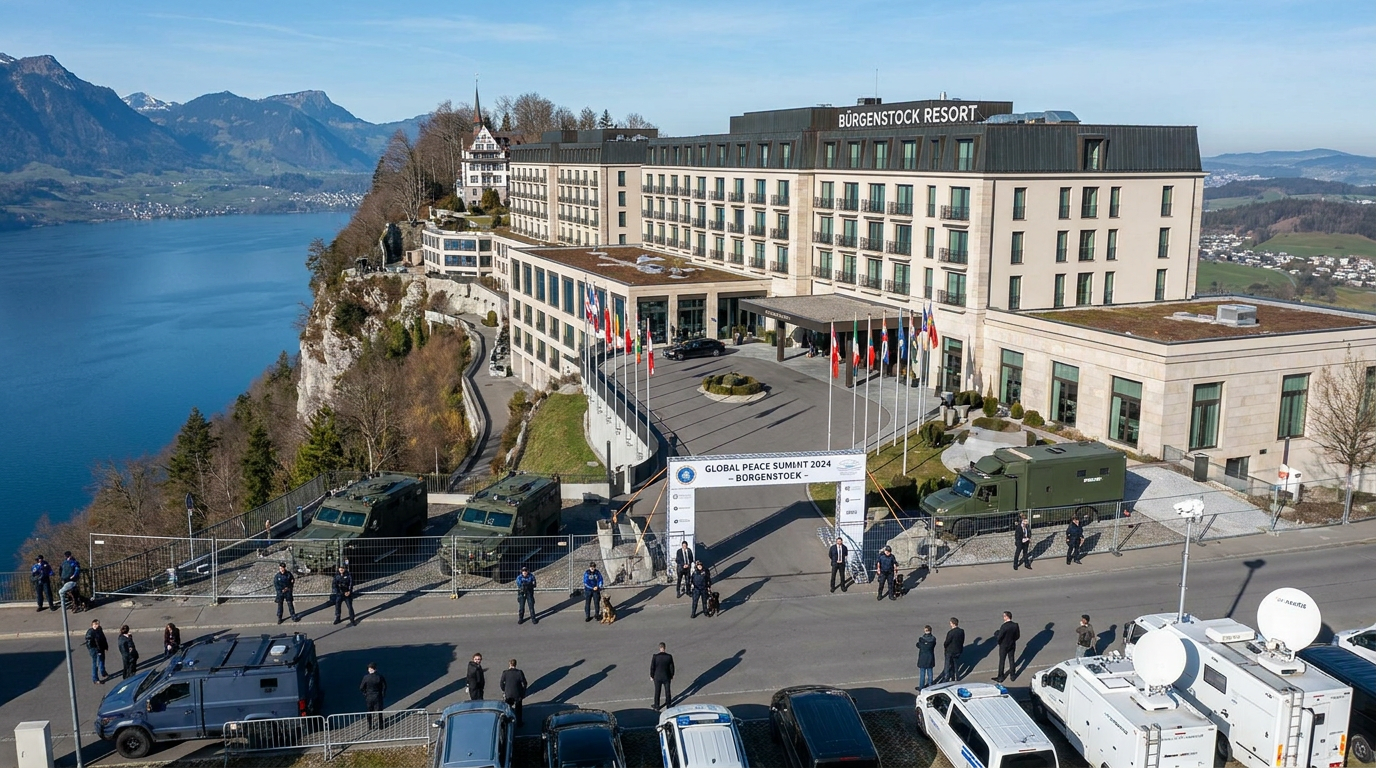
U.S. Vice President JD Vance and a high-level Iranian delegation have arrived at the Bürgenstock Resort in Switzerland, kicking off a high-stakes diplomatic sprint to finalize a permanent peace agreement. The talks, which officially begin Sunday, aim to build upon a fragile 14-point Memorandum of Understanding (MoU) signed last week that halted a 40-day war between the two nations. Vance, accompanied by U.S. special envoys Jared Kushner and Steve Witkoff, told reporters he expects to remain in Switzerland for a day or two before leaving technical teams to navigate the complex 60-day negotiation window. The Iranian team, led by Parliament Speaker Mohammad-Bagher Ghalibaf and Foreign Minister Abbas Araghchi, arrived hours earlier, signaling a mutual, if cautious, commitment to the process.[1][3][8]
The primary objective of the 60-day window is to permanently dismantle Iran’s highly enriched uranium stockpiles, which are believed to be buried deep under nuclear sites targeted during U.S. strikes last summer. The International Atomic Energy Agency (IAEA), led by Director General Rafael Grossi, is participating directly in the technical discussions. The U.S. delegation is aggressively pushing to restore international inspections of Iranian nuclear facilities for the first time since the June 2025 conflict. Securing unfettered access for IAEA inspectors is considered a non-negotiable baseline for the American team, though Tehran has historically resisted such oversight without massive corresponding concessions.[1][2][5]
In exchange for nuclear compliance, the interim deal outlines a framework for sweeping economic relief for Tehran. The agreement calls for the unfreezing of billions of dollars in Iranian assets and the permanent lifting of U.S. blockades on Iranian ports, allowing the nation to resume open oil sales on the global market. Iranian Foreign Ministry spokesperson Esmaeil Baghaei warned on state television that the entire memorandum of understanding would be jeopardized if the U.S. failed to uphold these economic commitments, demanding immediate financial relief before Iran makes further concessions on its nuclear infrastructure.[5][6]

The negotiations were originally scheduled to begin on Friday but were abruptly postponed following a severe escalation in violence between Israel and the Iranian-backed militant group Hezbollah in Lebanon. After Hezbollah killed four Israeli soldiers, Israel launched a wave of retaliatory airstrikes in southern Lebanon and the Bekaa Valley, killing at least 18 people. Iranian officials initially threatened to boycott the Switzerland summit entirely, accusing the U.S. and Israel of violating the broader regional ceasefire outlined in the MoU.[4][7]
In a significant shift in U.S. diplomatic strategy, an emergency session addressing the Israel-Hezbollah conflict was added to the top of the Switzerland agenda. This move acknowledges that the bilateral peace deal cannot survive in a regional vacuum. While neither Israel nor Hezbollah are direct parties to the Bürgenstock talks, U.S. negotiators recognize that ongoing violence in Lebanon provides Tehran with a convenient pretext to stall or abandon the nuclear discussions. Vance expressed optimism before his departure, noting that the situation in Lebanon was "slowing down a little bit" and required continuous management to ensure regional security.[2][3][4]
diplomatic strategy, an emergency session addressing the Israel-Hezbollah conflict was added to the top of the Switzerland agenda.
The most immediate threat to the global economy stems from renewed tensions over the Strait of Hormuz, a critical maritime chokepoint that facilitates the transit of one-fifth of the world’s traded oil and natural gas. On Saturday, Iran’s military announced it had closed the strait to vessel traffic, framing the move as a direct response to Israel’s military actions in Lebanon and the alleged failure of the U.S. to implement the first clause of the peace agreement. The announcement sent ripples of anxiety through global energy markets, which had only just begun to stabilize following the lifting of the U.S. naval blockade.[1][6][7]

U.S. officials swiftly disputed Tehran’s claims regarding the waterway. Vice President Vance and U.S. Central Command stated that there was no evidence of a closure, confirming that millions of barrels of oil have continued to move through the strait in recent days. The conflicting narratives highlight the fragility of the interim agreement, which guarantees toll-free commercial passage for 60 days but leaves the long-term status of the strait unresolved. The U.S. military maintains a heavy presence in the region, monitoring the situation to ensure that international shipping lanes remain open despite Iranian posturing.[1][6][8]
Adding another layer of complexity to the negotiations, U.S. President Donald Trump issued a stark warning over the weekend, threatening to impose American tolls on vessels transiting the Strait of Hormuz if a final deal is not reached within the 60-day timeframe. In a social media post, Trump declared that the collected funds would serve as reimbursement for "services rendered as the Guardian Angel to the countries of the Middle East." The threat has drawn domestic blowback and complicated the diplomatic efforts in Switzerland, as critics argue it undermines the spirit of the interim agreement and hands Tehran further justification for its own aggressive tactics.[1][2][6]
The presence of regional mediators underscores the international desperation to prevent a collapse of the talks. Pakistani Prime Minister Shehbaz Sharif and Army Chief Field Marshal Asim Munir, along with Qatari diplomats, have traveled to the mountaintop resort to facilitate the discussions. These nations are acutely aware that a failure to convert the MoU into a permanent treaty could reignite a broader Middle East war, devastating regional economies and triggering a global energy crisis. Their primary role is to keep both sides at the table when inevitable friction arises over technical details.[2][3][5]

For the U.S. administration, the stakes extend beyond the Middle East, carrying significant domestic political implications. The decision to lift the blockade on Iranian ports and allow Tehran to sell its oil freely has prompted intense scrutiny from Congress, with some lawmakers questioning whether the initial 40-day war achieved its strategic objectives. As Vice President Vance manages the delicate opening phase of the talks, the administration must balance its desire for a historic diplomatic breakthrough with the need to project strength. The next 60 days will determine whether the interim truce solidifies into lasting stability or unravels into renewed global conflict.[1][5][8]
How we got here
Feb 2026
A 40-day war begins with joint U.S.-Israeli strikes on Iran.
Mid-June 2026
The U.S. and Iran sign a 14-point Memorandum of Understanding to halt hostilities.
June 19, 2026
Planned talks in Switzerland are delayed after deadly clashes between Israel and Hezbollah in Lebanon.
June 20, 2026
Iran claims it has closed the Strait of Hormuz; the U.S. disputes the closure.
June 21, 2026
U.S. and Iranian delegations arrive at the Bürgenstock Resort to begin a 60-day negotiation sprint.
Viewpoints in depth
The U.S. Administration's View
The White House seeks to lock in a permanent end to hostilities while curbing Iran's nuclear ambitions.
U.S. negotiators view the 60-day window as a critical opportunity to dismantle Iran's highly enriched uranium stockpiles and restore IAEA inspections. While the administration has lifted port blockades to bring Tehran to the table, officials emphasize that the interim deal is fragile. President Trump's threat to impose American tolls on the Strait of Hormuz reflects a strategy of maintaining maximum economic leverage to ensure Iranian compliance.
Iran's View
Tehran demands immediate economic relief and accuses the U.S. and Israel of violating the ceasefire.
Iranian leaders argue that the U.S. must demonstrate its commitment to the interim agreement before a final deal can be reached. They point to recent Israeli strikes in Lebanon as a breach of the broader regional ceasefire, using the threat of closing the Strait of Hormuz as leverage. For Tehran, the ultimate goal is the unfreezing of billions of dollars in assets and the permanent lifting of U.S. blockades on its oil exports.
Regional Mediators' View
Countries like Pakistan and Qatar are pushing to prevent a regional collapse that would devastate their economies.
Mediators are acutely aware that a failure in Switzerland could reignite a broader Middle East war. Pakistani and Qatari officials are focused on keeping both sides at the table, viewing the integration of the Israel-Hezbollah conflict into the talks as a necessary step to address the root causes of regional instability. Their priority is securing the free flow of energy through the Strait of Hormuz, which is vital for global markets.
What we don't know
- Whether the fragile ceasefire between Israel and Hezbollah will hold long enough for the U.S. and Iran to reach a final agreement.
- How Iran will respond to President Trump's threat to impose U.S. tolls on the Strait of Hormuz.
- If Iran will agree to allow IAEA inspectors back into its nuclear sites for the first time since 2025.
Key terms
- Memorandum of Understanding (MoU)
- A preliminary agreement outlining the terms of a ceasefire and setting a 60-day window for final negotiations.
- Strait of Hormuz
- A narrow waterway between the Persian Gulf and the Gulf of Oman through which 20% of the world's traded oil passes.
- IAEA
- The International Atomic Energy Agency, the UN watchdog responsible for monitoring nuclear programs.
- Highly Enriched Uranium
- Uranium that has been processed to a level that can be used to create nuclear weapons.
Frequently asked
Why are the U.S. and Iran negotiating in Switzerland?
The two nations are attempting to finalize a permanent peace agreement following a recent 40-day war, focusing on Iran's nuclear program and shipping rights.
Who is leading the negotiations?
The U.S. delegation includes Vice President JD Vance, Jared Kushner, and Steve Witkoff. Iran is represented by Parliament Speaker Mohammad-Bagher Ghalibaf and Foreign Minister Abbas Araghchi.
Is the Strait of Hormuz closed?
Iran claims it has closed the strait in response to Israeli strikes in Lebanon, but U.S. Central Command says commercial vessels are still passing through.
What role does the Israel-Hezbollah conflict play?
The fighting in Lebanon delayed the talks and prompted negotiators to add an emergency session to address the violence, as Iran views the strikes as a violation of the broader ceasefire.
Sources
Source coverage
8 outlets
4 viewpoints surfaced








[1]AP NewsU.S. Administration
U.S. Vice President JD Vance arrives in Switzerland for Iran talks
Read on AP News →[2]Times of IsraelRegional Mediators
Vance heads to Switzerland, says hoping for progress on Lebanon truce and nuclear issue
Read on Times of Israel →[3]CBS NewsU.S. Administration
Iranian delegation arrives in Switzerland for U.S. talks, Swiss foreign ministry says
Read on CBS News →[4]The GuardianGlobal Markets
US and Iran set for new talks after delay and deadly strikes
Read on The Guardian →[5]PBSRegional Mediators
U.S. and Iranian negotiators head to Swiss venue
Read on PBS →[6]The HinduIranian Government
West Asia war updates on June 20, 2026
Read on The Hindu →[7]Iran InternationalIranian Government
Vance says he expects Switzerland trip for Iran talks within days
Read on Iran International →[8]Washington PostU.S. Administration
U.S. Vice President JD Vance has landed in Switzerland to help launch negotiations
Read on Washington Post →

More in news politics
See all 6 stories →Bolivia Crisis
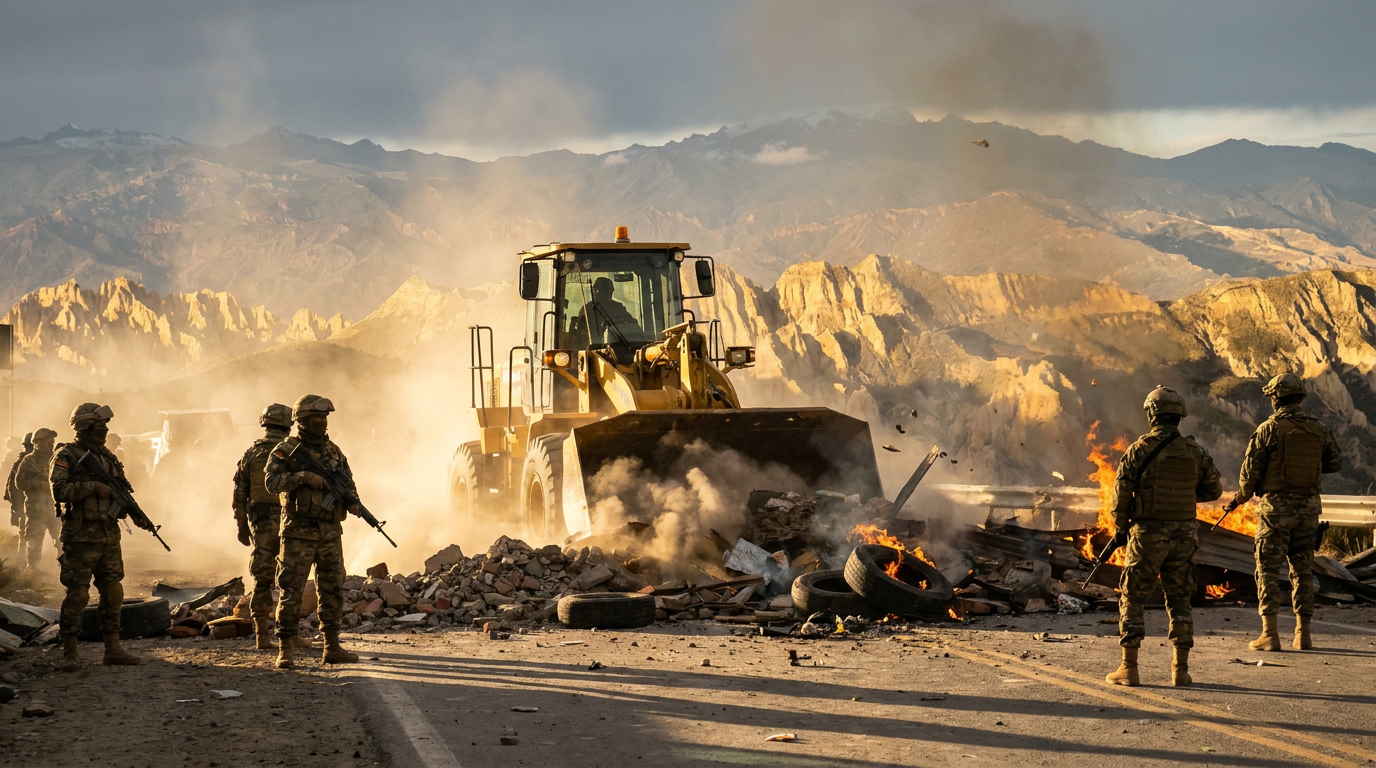
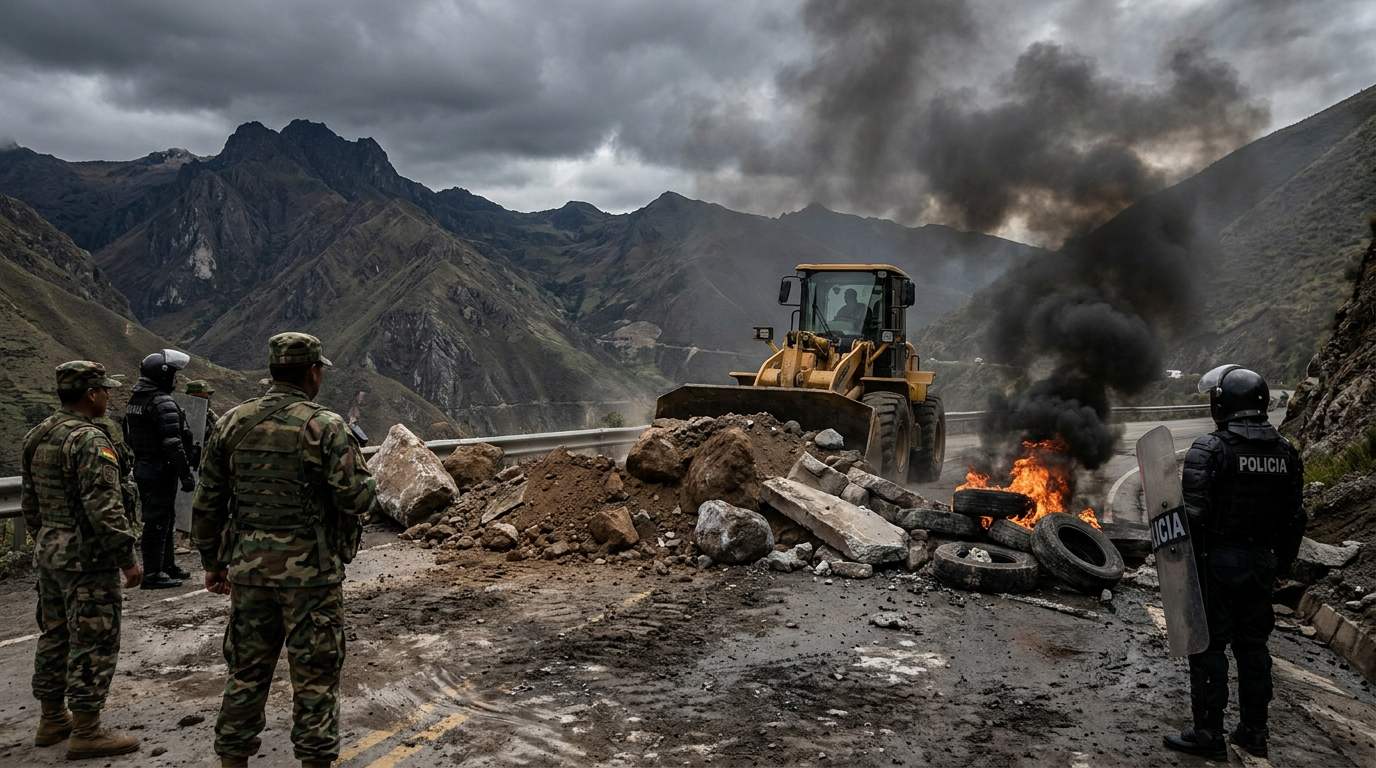
Bolivian President Declares State of Emergency, Deploys Military to Clear Protest Blockades
6 sources
Bolivia Crisis
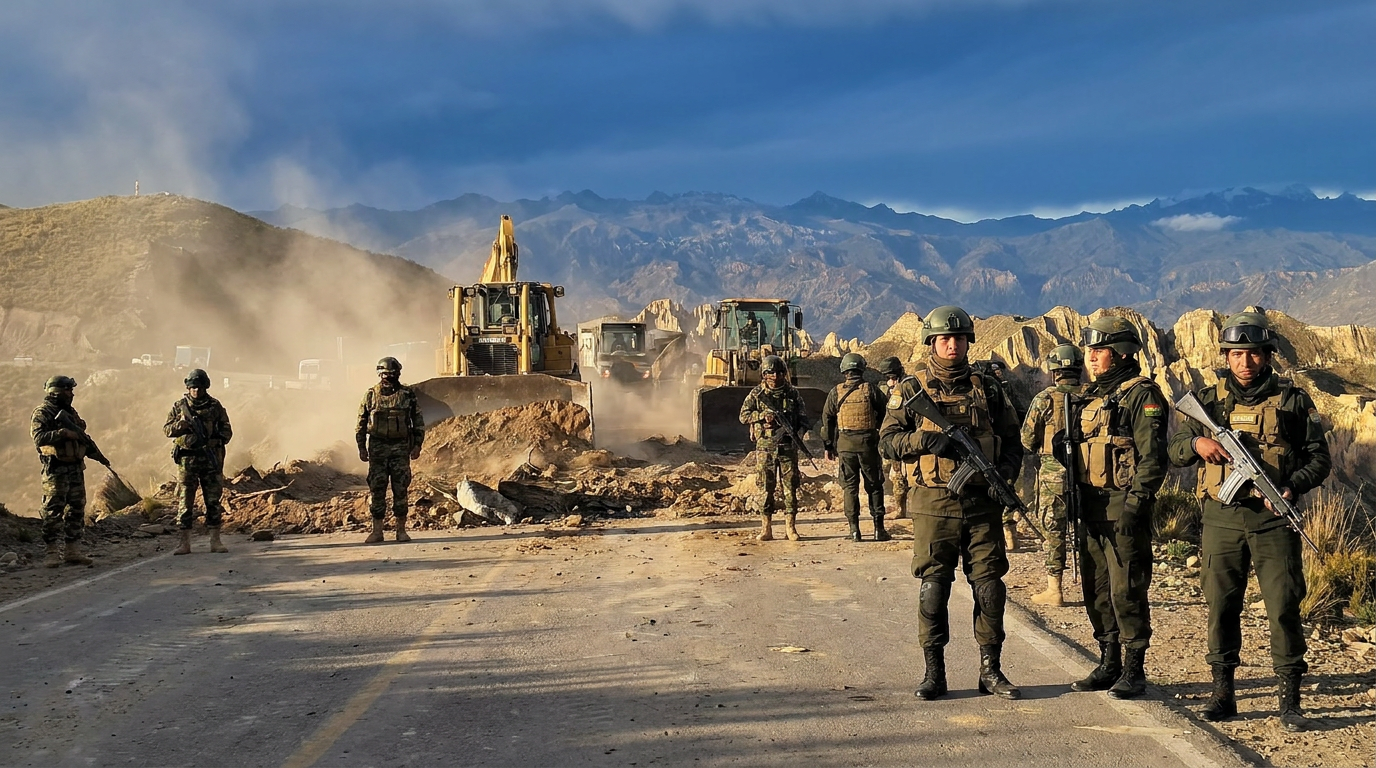
Bolivian President Declares State of Emergency, Deploys Military to Clear Protest Blockades
6 sources
U.S.-Iran Talks
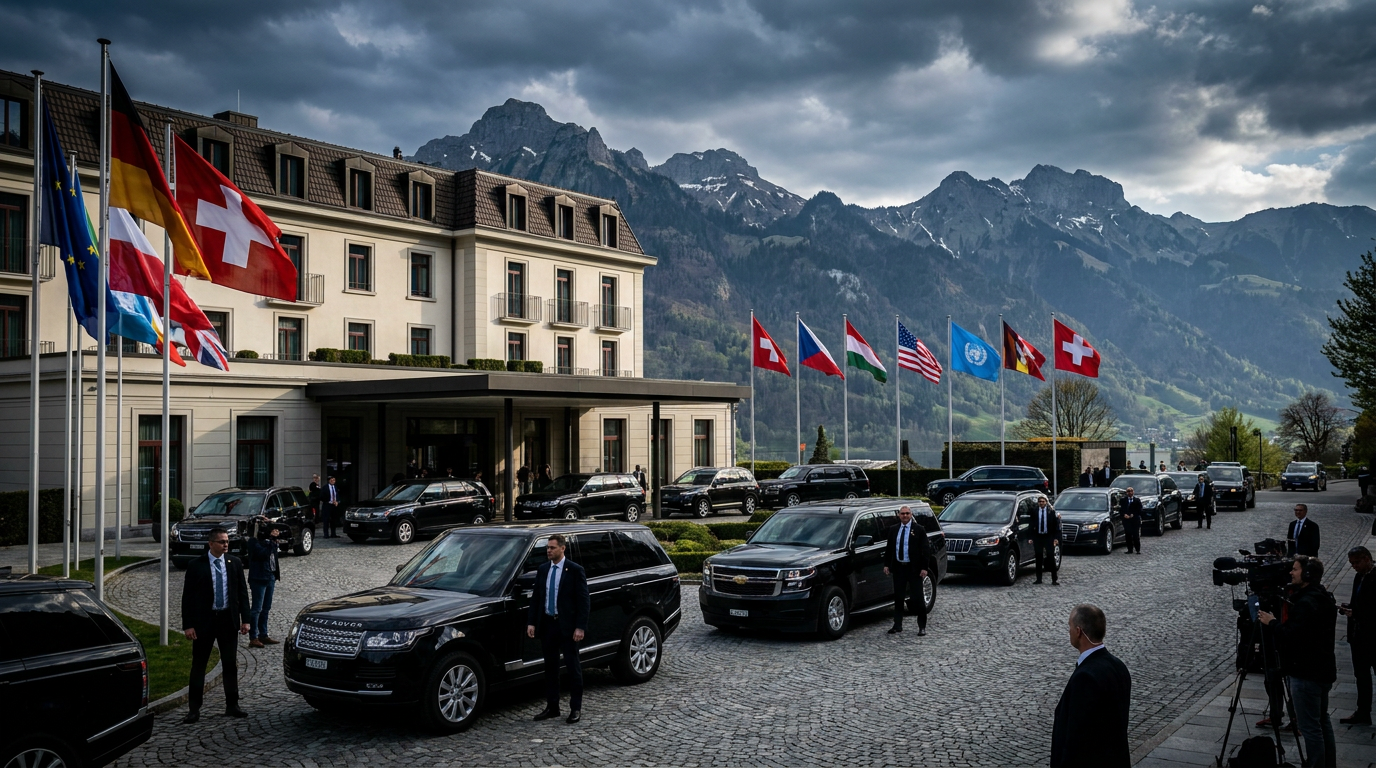
Inside the High-Stakes U.S.-Iran Peace Talks in Switzerland
7 sources
Bolivia Blockades
Bolivian President Declares State of Emergency, Deploys Military to Clear 50-Day Blockades
6 sources
Every angle. Every day.
Get news politics stories with full source coverage and perspective breakdowns delivered to your inbox.