
The Science of Sourdough: How Wild Yeast and Bacteria Transform Flour and Water
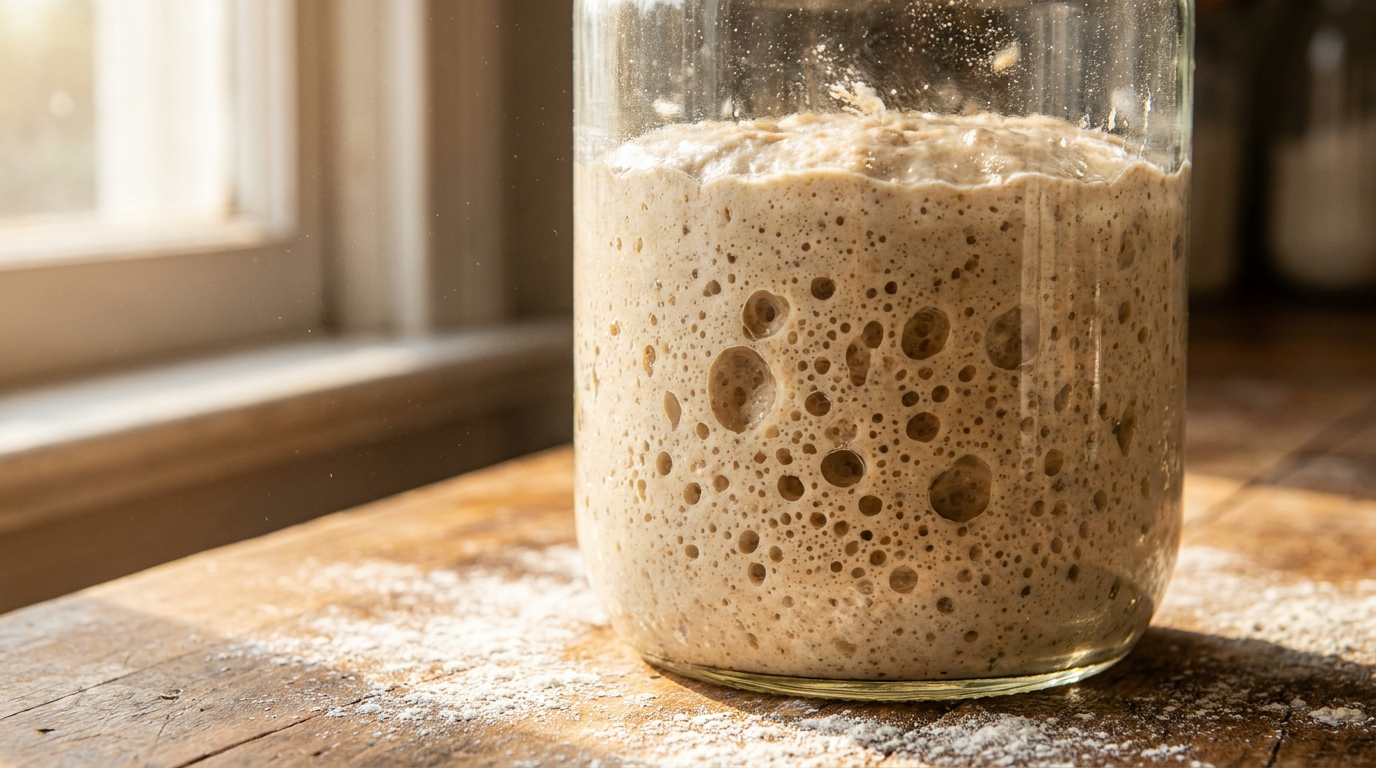
A sourdough starter is a complex, symbiotic ecosystem of wild yeast and lactic acid bacteria that not only leavens bread but fundamentally alters its nutritional profile.
By Factlen Editorial Team
Microbial Ecologists 35%Nutritional Researchers 35%Artisan Bakers 30%
- Microbial Ecologists
- Focus on the ecological diversity and symbiotic relationships within the starter culture.
- Nutritional Researchers
- Focus on the biochemical breakdown of antinutrients and the improvement of digestibility.
- Artisan Bakers
- Focus on manipulating environmental variables to control the dough's physical and flavor properties.
What's not represented
- · Commercial yeast manufacturers
- · Gluten-free bakers
Why this matters
Understanding the microbial ecosystem inside a sourdough starter allows home bakers to troubleshoot their dough, manipulate flavor profiles, and unlock the profound nutritional benefits—like increased mineral absorption and lower blood sugar spikes—that long fermentation provides.
More in food drink
See all 36 stories →Flavor Science
The Science of Umami: How to Engineer Deep Savory Flavor in Plant-Based Cooking
6 sources

Cocktail Science
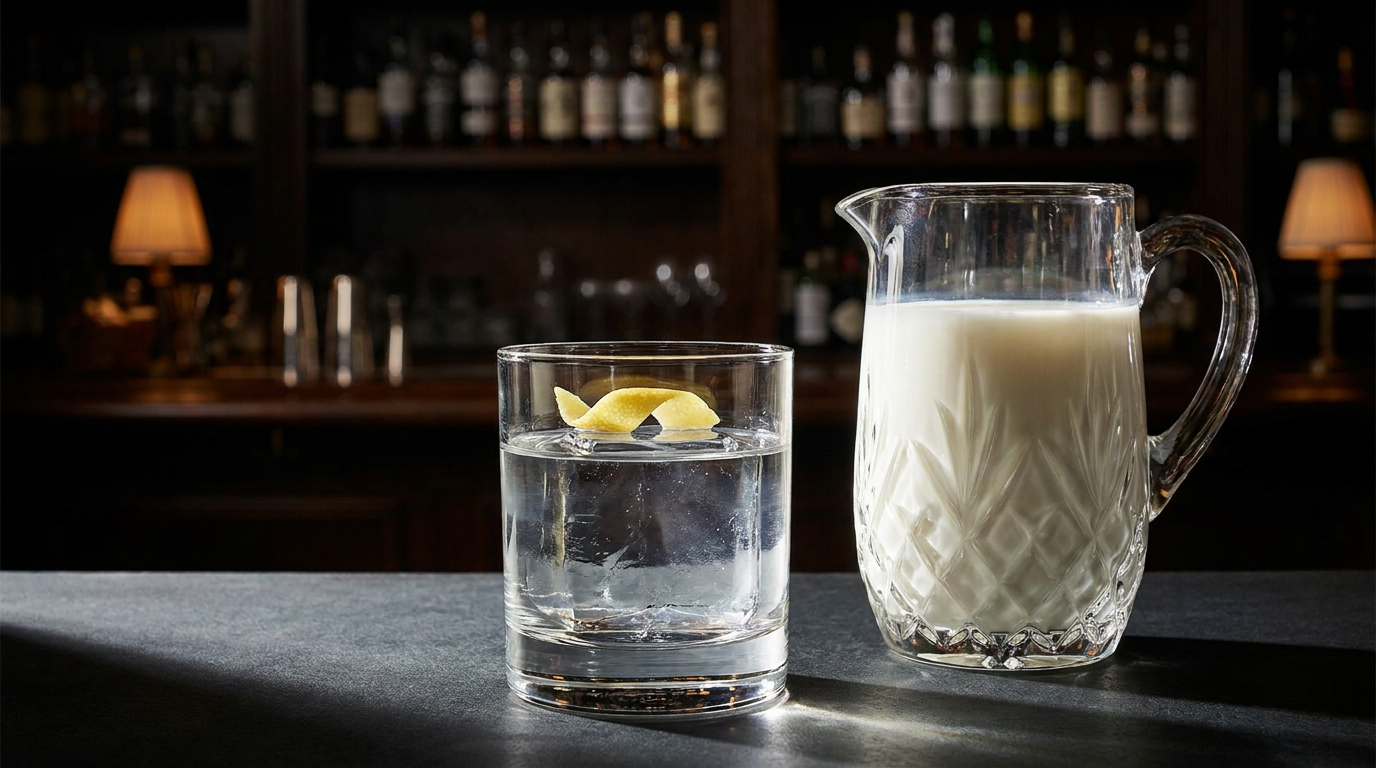
The Science of Clarified Milk Punch: How Curdled Milk Makes Crystal-Clear Cocktails
6 sources
Tea Chemistry
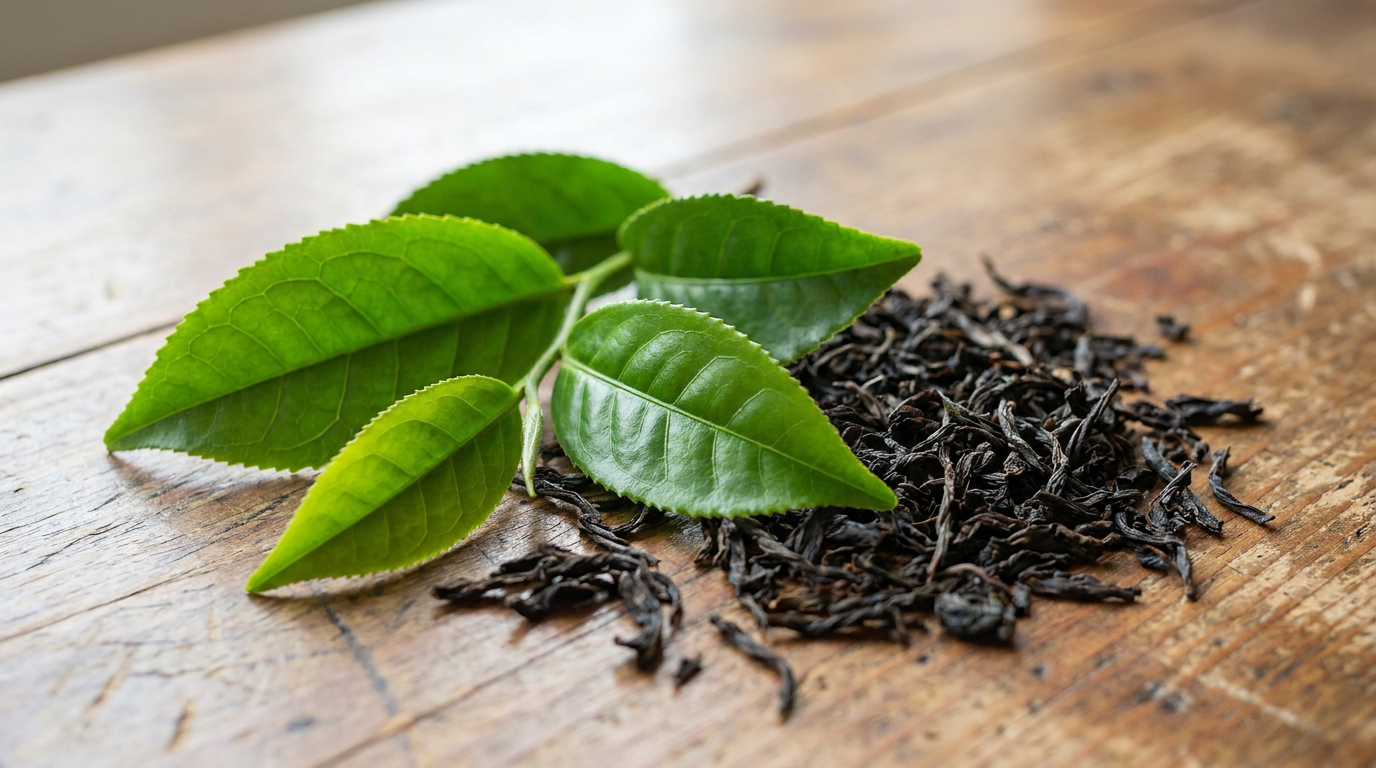
The Chemistry of Tea: How Processing and L-Theanine Alter the Health and Cognitive Effects of Camellia Sinensis
7 sources
Restaurant Tech
The 60-Second Drive-Thru: How AI and Automation Are Rewiring Fast Food
6 sources

Stay informed
Every angle. Every day.
Get food drink stories with full source coverage and perspective breakdowns delivered to your inbox.