
Plant-Based Leather vs. Traditional Leather: The 2026 Material Comparison
As next-generation bio-materials scale, consumers face a complex trade-off between the generational durability of animal hide and the low-carbon promise of plant-based alternatives.
By Factlen Editorial Team
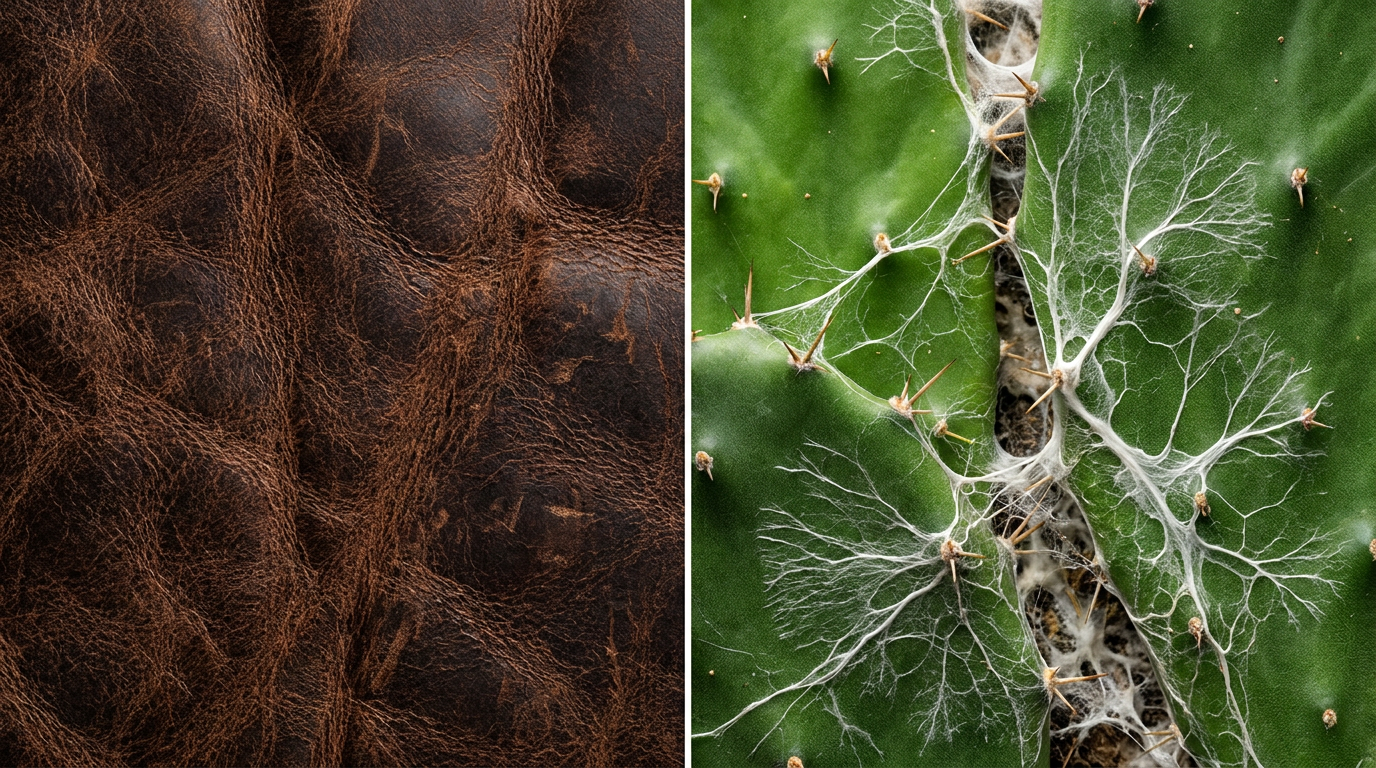
- Eco-Material Innovators
- Focuses on reducing carbon emissions and utilizing agricultural waste through bio-design and plant-based alternatives.
- Traditional Craftspeople
- Values longevity, repairability, and natural aging, viewing animal leather as a durable byproduct of the meat industry.
- Circularity Advocates
- Critical of both traditional tanning chemicals and the plastic polyurethane binders used in many plant-based leathers, pushing for 100% biodegradable solutions.
What's not represented
- · Livestock Farmers
- · Chemical Tanning Facility Workers
Why this matters
As the $360 billion leather industry pivots toward sustainability, consumers are forced to choose between the generational durability of animal hide and the low-carbon promise of plant-based alternatives. Understanding the hidden plastics in 'vegan' leathers and the ecological toll of traditional tanning is essential for making purchasing decisions that genuinely align with your environmental values.

More in shopping
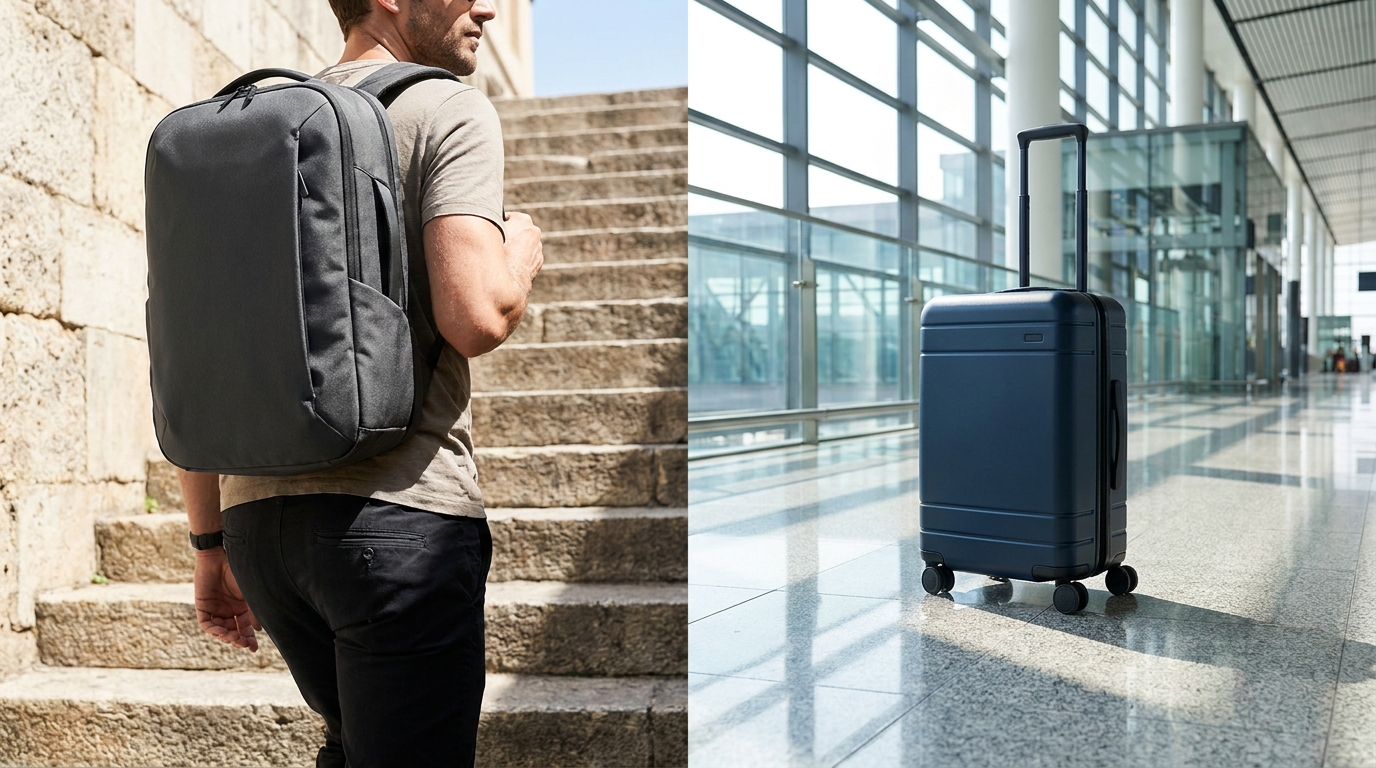
See all 120 stories →One-Bag Travel
Travel Backpack vs. Roller Bag: The Ultimate Carry-On Trade-Off Analysis
7 sources
EV Battery Tech
Solid-State EV Batteries Are Entering Production in 2026: What Car Buyers Need to Know
6 sources

Display Tech
OLED vs. Mini-LED in 2026: The Ultimate TV Trade-Off Analysis
6 sources

Luggage Tech
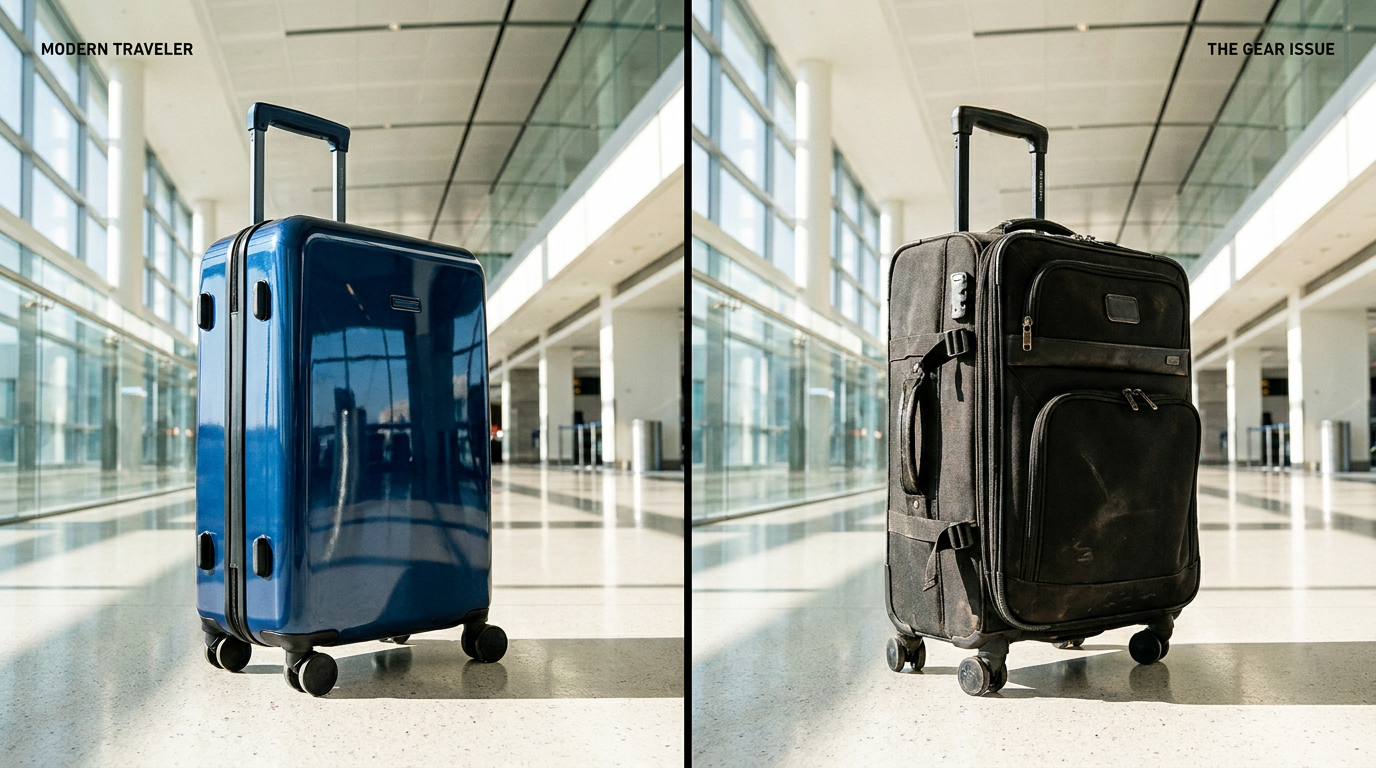
Hardside vs. Softside Luggage: The Ultimate Carry-On Material Comparison
7 sources
Every angle. Every day.
Get shopping stories with full source coverage and perspective breakdowns delivered to your inbox.