
Solid-State EV Batteries Are Entering Production in 2026: What Car Buyers Need to Know
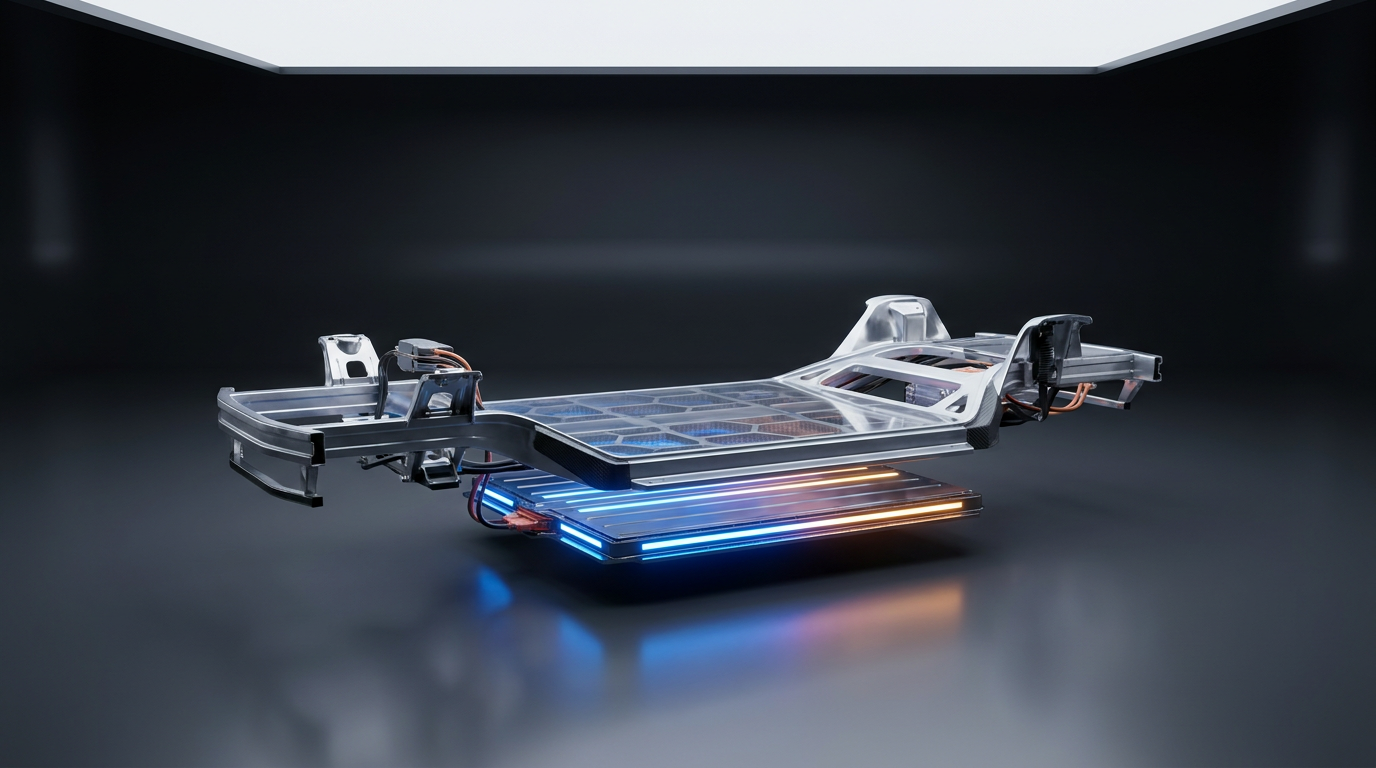
After years of laboratory development, solid-state batteries are finally hitting assembly lines in 2026, promising 600-mile ranges and 10-minute charging times. Here is how the technology works and when it will reach mass-market affordability.
By Factlen Editorial Team
- Automakers & Innovators
- Focuses on the massive leaps in range, safety, and charging speed to drive consumer excitement.
- Industry Analysts
- Cautions that manufacturing hurdles will keep early models prohibitively expensive until 2030.
- Regulatory Bodies
- Prioritizes strict standardization to ensure transitional technologies aren't deceptively marketed.
What's not represented
- · Lithium-Ion Manufacturers
- · Raw Material Suppliers
Why this matters
Solid-state batteries represent the biggest technological leap in automotive history since the internal combustion engine. For car shoppers, understanding this timeline is crucial for deciding whether to buy an EV today or wait for the next generation of range and safety.

More in shopping
See all 122 stories →Next-Gen Materials
Next-Gen Plant Leather vs. Traditional Animal Leather: The 2026 Material Showdown
8 sources

Smart Home Architecture
Local vs. Cloud Smart Home Hubs: Which Architecture Wins in 2026?
7 sources

One-Bag Travel
Travel Backpack vs. Roller Bag: The Ultimate Carry-On Trade-Off Analysis
7 sources

Display Tech
OLED vs. Mini-LED in 2026: The Ultimate TV Trade-Off Analysis
6 sources

Every angle. Every day.
Get shopping stories with full source coverage and perspective breakdowns delivered to your inbox.