
The Evidence Behind 'Green Prescribing': Why Doctors Are Swapping Pills for Parks
A growing body of clinical evidence shows that formal 'nature prescriptions' significantly reduce blood pressure, anxiety, and depression. Healthcare systems worldwide are now integrating green space exposure as a low-cost, highly effective adjunct therapy.
By Factlen Editorial Team
- Public Health Implementers
- Focuses on scalable community interventions, healthcare provider training, and low-cost mental health support.
- Clinical Researchers
- Focuses on empirical measurement, physiological biomarkers, and standardizing the clinical dosage of nature exposure.
- Evidence Synthesis
- Focuses on integrating clinical data with public health policy to evaluate the overall efficacy of green prescribing.
What's not represented
- · Urban planners responsible for designing and maintaining equitable green spaces.
- · Patients living in highly industrialized areas with zero access to safe natural environments.
Why this matters
Mental health treatments are often expensive and difficult to access. Green prescribing offers a free, scientifically validated tool to lower stress and improve cognitive function, empowering individuals to use their local environments to protect their mental well-being.
Key points
- Healthcare providers globally are increasingly writing formal 'nature prescriptions' to treat anxiety, depression, and stress.
- A 2022 meta-analysis found that green prescribing significantly reduces both systolic blood pressure and depression scores.
- The benefits stem from shifting the nervous system out of a 'fight-or-flight' state and reducing cognitive fatigue.
- Patients do not need wilderness access; 10 to 30 minutes in an urban park or mindful observation of local nature yields measurable results.
- Programs like Canada's PaRx and the UK's Green Social Prescribing are rapidly scaling the intervention across national health systems.
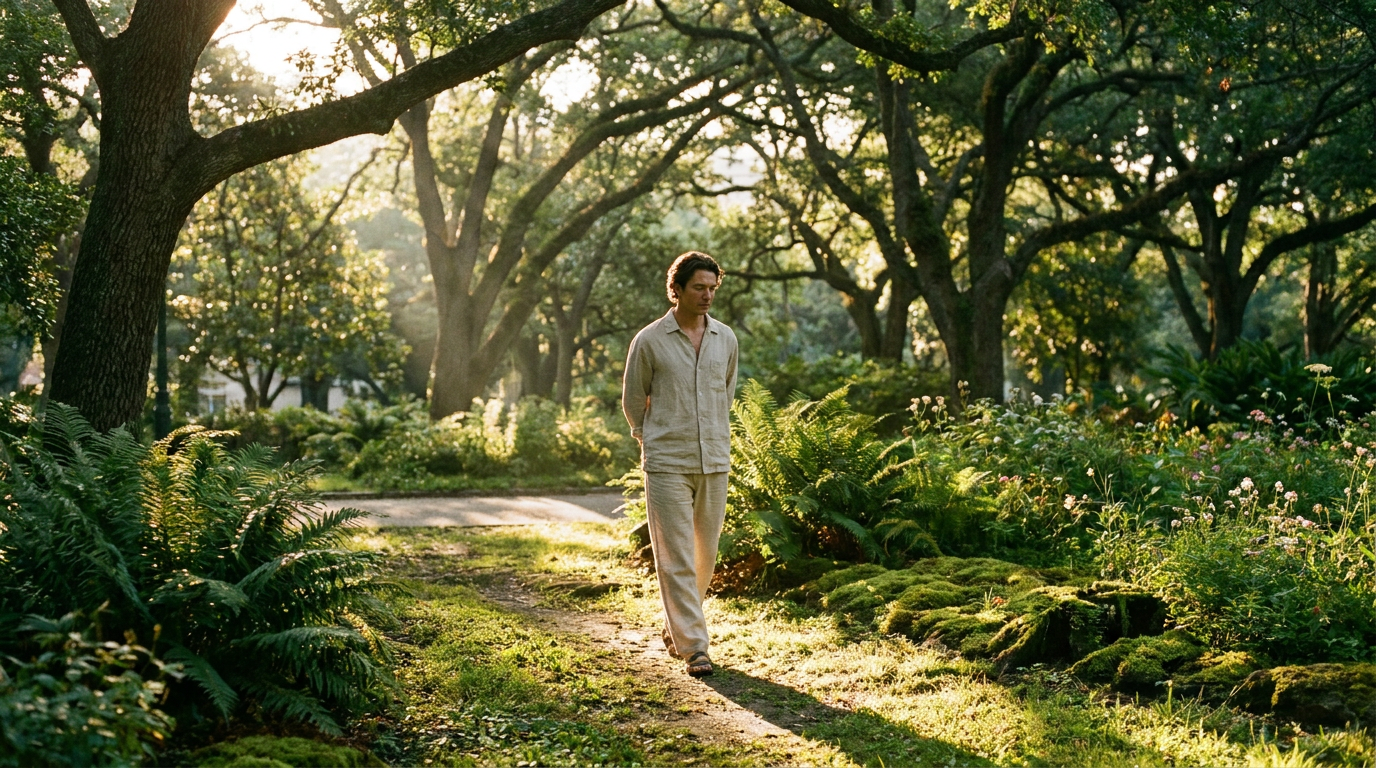
For decades, the advice to "get some fresh air" was treated as a quaint, unscientific platitude. Today, it is a formalized medical intervention. Across the globe, healthcare providers are increasingly writing "nature prescriptions"—directing patients to spend specific amounts of time in green spaces to combat anxiety, depression, and cardiovascular strain.[1][7]
This shift from intuition to evidence-based practice has accelerated rapidly. Rather than replacing traditional psychiatric care, green prescribing is being integrated as a powerful, low-cost adjunct therapy. By formalizing the recommendation into a written prescription, doctors are signaling to patients that nature exposure is a legitimate, biologically active treatment.[1][6]
The clinical efficacy of nature prescriptions is no longer anecdotal. A comprehensive 2022 meta-analysis of 26 studies found that structured nature prescription programs have a moderate-to-large effect on reducing depression and anxiety scores across diverse patient populations.[3]
Researchers note that the benefits are particularly pronounced for individuals already diagnosed with mental illness. A 2025 review of nature exposure data confirmed that both one-time and interval nature exposures yielded significant positive effects on adults with diagnosed psychiatric conditions.[4]

The psychological relief appears to stem from a reduction in rumination—the repetitive, negative self-focused thinking that characterizes many depressive and anxious states. Studies have shown that individuals who walk in natural environments report significantly lower levels of rumination compared to those walking in urban, concrete-heavy settings.[1]
The benefits of green prescribing extend beyond self-reported mood improvements; they are measurable in the body's cardiovascular and endocrine systems. The same 2022 meta-analysis found that nature prescriptions resulted in an average reduction of 4.9 mmHg in systolic blood pressure and 3.6 mmHg in diastolic blood pressure.[3]
These physiological changes are driven by a shift in the autonomic nervous system. Exposure to natural stimuli helps move the body out of a sympathetic "fight-or-flight" state and into a parasympathetic "rest-and-digest" state, lowering circulating cortisol levels and reducing the physical wear and tear of chronic stress.[1][7]

These physiological changes are driven by a shift in the autonomic nervous system.
Scientists rely on several frameworks to explain these outcomes. "Attention Restoration Theory" posits that modern urban environments demand intense, directed attention, leading to cognitive fatigue. Nature, by contrast, engages "soft fascination"—capturing our attention effortlessly and allowing the brain's directed-attention mechanisms to rest and recover.[1][7]
Furthermore, the "Biophilia Hypothesis" suggests that human evolutionary history has hardwired our nervous systems to feel safe and regulated in environments that signal the presence of water, vegetation, and biodiversity.[1]
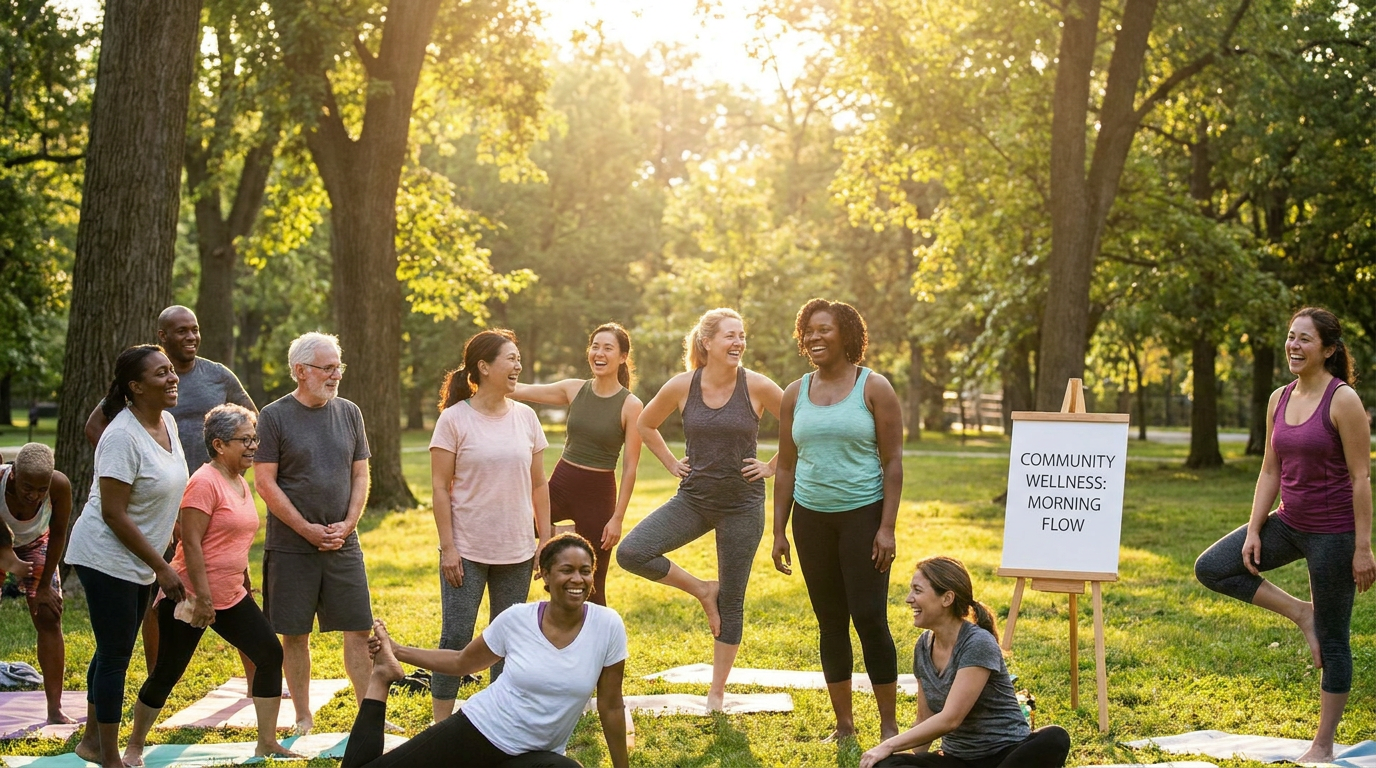
A critical question for clinicians has been the required "dose" of nature. Do patients need a weekend wilderness retreat to see benefits? The evidence suggests otherwise. Research indicates that as little as 10 to 30 minutes of sitting outdoors can result in measurable drops in cortisol and blood pressure.[4]
In fact, the Royal Society for the Protection of Birds (RSPB), which partners with healthcare providers in the UK, emphasizes that benefits can be achieved through "micro-moments" of connection. Their programs encourage patients to simply notice the patterns on a leaf, listen to birdsong from a window, or observe the changing sky, making the intervention accessible even to those with limited mobility.[5]
The translation of this evidence into public health policy is already underway. In Canada, the national Park Prescriptions (PaRx) program has registered over 11,000 prescribers. Doctors can write fillable digital prescriptions tailored to a patient's lifestyle, advising them to spend a minimum of 20 minutes a day, three to four days a week, in a natural space.[6]

In the United Kingdom, the NHS has embraced "Green Social Prescribing." In January 2026, healthcare professionals in the highly urbanized Black Country region received specialist training from the RSPB to use nature-based approaches specifically to combat Seasonal Affective Disorder (SAD) during the darker winter months.[2]
Occupational therapy teams are delivering these interventions directly, supporting patients with dementia and severe mental health challenges through guided walks and community gardening. Healthcare leaders champion the approach as a vital, low-cost tool to support mental health when isolation and low mood peak.[2]
Despite the robust evidence, challenges remain. The primary limitation is equitable access. Historical policies, such as redlining, have left many low-income and minority neighborhoods with significantly less green space, meaning the populations most vulnerable to environmental stress often have the hardest time filling a nature prescription.[1]

Additionally, researchers are still working to standardize dosage recommendations across different demographics and to understand the long-term adherence rates of patients prescribed nature time compared to those given traditional pharmaceuticals.[4][7]
Ultimately, the rise of green prescribing represents a profound shift in modern medicine. By recognizing the natural world as a vital component of human health infrastructure, healthcare systems are offering patients a remedy that is not only evidence-based but inherently uplifting.[7]
How we got here
1980s
The concept of Shinrin-yoku (forest bathing) is introduced in Japan as a national health program.
2013
The definition of 'Park Prescriptions' is formalized in the United States during a national initiative convening.
Nov 2020
The BC Parks Foundation launches PaRx, Canada's first national nature prescription program.
2022
Major meta-analyses confirm the moderate-to-large clinical effects of nature prescriptions on depression and blood pressure.
Jan 2026
UK NHS trusts expand RSPB Nature Prescriptions to combat Seasonal Affective Disorder during the winter months.
Viewpoints in depth
Clinical Researchers
Focuses on empirical measurement, physiological biomarkers, and standardizing the clinical dosage of nature exposure.
For clinical researchers, the priority is moving nature exposure from a wellness concept to a hard science. This camp emphasizes the need for rigorous randomized controlled trials, precise biomarker tracking (like cortisol and blood pressure), and standardized dosage recommendations. They argue that for green prescribing to be fully integrated into modern medicine, practitioners must know exactly how many minutes of exposure yield specific physiological changes, and how those effects differ between interval and one-time exposures.
Public Health Implementers
Focuses on scalable community interventions, healthcare provider training, and low-cost mental health support.
Public health officials and program directors view green prescribing as a highly scalable, low-cost intervention that can alleviate strain on overburdened healthcare systems. Their focus is on practical implementation: training doctors to write the prescriptions, partnering with conservation groups to provide resources, and ensuring the interventions are accessible. They emphasize that even 'micro-moments' of nature connection can provide population-level benefits, making it a crucial tool for community resilience.
Environmental Justice Advocates
Focuses on equitable access to green space and overcoming urban disparities.
This perspective highlights the systemic inequalities that complicate green prescribing. Advocates point out that historical policies like redlining have left many low-income and minority neighborhoods devoid of safe, accessible green spaces. They argue that while nature prescriptions are medically valid, they risk becoming a privilege for the affluent unless paired with aggressive urban greening initiatives and investments in environmental justice to ensure all communities can actually fill their prescriptions.
What we don't know
- The exact optimal 'dosage' (frequency vs. duration) for different psychiatric conditions.
- Long-term patient adherence rates to written nature prescriptions compared to pharmaceutical interventions.
- How to fully overcome environmental justice barriers in heavily urbanized or historically redlined areas with limited green space.
Key terms
- Green Social Prescribing
- The practice of healthcare workers referring patients to local, non-clinical nature-based activities to boost health and wellbeing.
- Attention Restoration Theory
- A psychological theory suggesting that exposure to natural environments helps restore our brain's ability to concentrate by providing effortless fascination.
- Biophilia Hypothesis
- The idea that humans possess an innate, evolutionary tendency to seek connections with nature and other forms of life.
- Rumination
- A pattern of repetitive, negative, self-focused thinking that is strongly associated with depression and anxiety.
Frequently asked
What exactly is a nature prescription?
A nature prescription is a formal recommendation from a healthcare provider directing a patient to spend specific amounts of time in natural environments to improve their physical or mental health.
Do I need to visit a remote national park to see benefits?
No. Evidence shows that spending 10 to 30 minutes in a local urban park, or even mindfully observing nature from a window, can significantly lower stress and improve mood.
Can green prescribing replace traditional therapy or medication?
Nature prescriptions are generally designed as an adjunct therapy to complement, rather than replace, traditional psychiatric care and medication.
Is there physical proof that spending time in nature works?
Yes. Meta-analyses have shown that structured nature exposure leads to measurable reductions in systolic blood pressure, diastolic blood pressure, and circulating cortisol levels.
Sources
Source coverage
7 outlets
3 viewpoints surfaced






[1]Psychiatric TimesClinical Researchers
Green Exposure Therapy and Nature Prescriptions
Read on Psychiatric Times →[2]National Health ExecutivePublic Health Implementers
Healthcare professionals use nature-based approaches to support mental health
Read on National Health Executive →[3]medRxivClinical Researchers
The effectiveness of nature prescriptions for health: a systematic review and meta-analysis
Read on medRxiv →[4]National Institutes of HealthClinical Researchers
Associations between nature exposure and health: A review of the evidence
Read on National Institutes of Health →[5]Royal Society for the Protection of BirdsPublic Health Implementers
Connecting with nature to improve health and wellbeing
Read on Royal Society for the Protection of Birds →[6]PaRx CanadaPublic Health Implementers
A Prescription for Nature
Read on PaRx Canada →[7]Factlen Editorial TeamEvidence Synthesis
Synthesis by Factlen editorial team
Read on Factlen Editorial Team →
More in health
See all 7 stories →Exercise Science
The Science of Zone 2: Why the Strongest Longevity Drug is Moving Slowly
7 sources
Clinical Guidelines
Exercise Matches Medication for Depression and Anxiety in Massive New Clinical Review
6 sources

Longevity Science
The Science of 'Blue Zones': What Actually Drives Human Longevity
6 sources
Zone 2 Cardio
The Science of Zone 2 Cardio: Why Slowing Down is the Key to Longevity
6 sources

Every angle. Every day.
Get health stories with full source coverage and perspective breakdowns delivered to your inbox.