
Iran Claims Strait of Hormuz Closed as US Peace Talks Begin in Switzerland
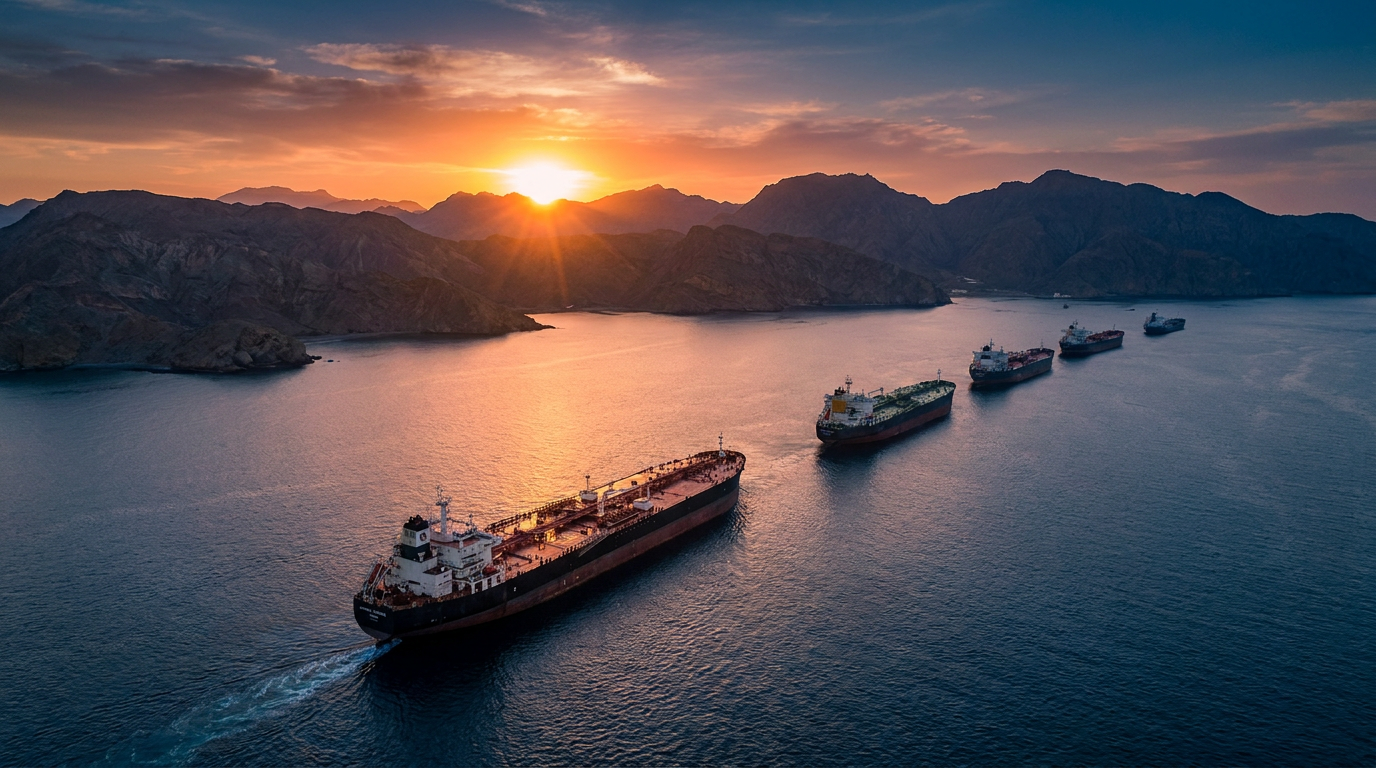
Iran's military announced the closure of the vital Strait of Hormuz in response to Israeli strikes in Lebanon, testing a fragile US-Iran ceasefire. Despite the escalating rhetoric and conflicting reports on shipping traffic, high-level delegations from both nations have arrived in Switzerland to negotiate a lasting peace agreement.
By Factlen Editorial Team
- US Administration & Military
- Maintains that the US holds the leverage after the recent conflict and insists the Strait of Hormuz remains open to global shipping.
- Iranian Leadership
- Argues the US is failing to enforce the regional ceasefire by allowing Israeli strikes in Lebanon, using the Strait as leverage to force compliance.
- Regional Observers & Mediators
- Focuses on the fragility of the truce and the high stakes of the Switzerland talks for preventing a return to full-scale regional war.
What's not represented
- · Lebanese civilians affected by the ongoing strikes
- · International shipping conglomerates navigating the disputed waters
- · Israeli leadership's strategic rationale for continuing operations
Why this matters
The Strait of Hormuz facilitates roughly 20% of the world's liquefied natural gas and a quarter of its seaborne oil trade. A sustained closure or renewed US-Iran military conflict would trigger massive global energy shocks, while the success or failure of the Switzerland talks will determine whether the Middle East spirals back into a regional war.
Key points
- Iran's military announced the closure of the Strait of Hormuz, citing Israeli strikes in Lebanon as a violation of the US-Iran ceasefire.
- The US military denied the strait is closed, stating that 55 commercial vessels successfully transited the waterway on Saturday.
- Despite the tensions, US and Iranian delegations arrived in Switzerland to begin technical peace talks.
- US Vice President JD Vance is leading the American delegation, while parliament speaker Mohammad Bagher Ghalibaf leads the Iranian side.
- President Trump threatened to impose American tolls on ships in the Strait if a final deal is not reached within 60 days.
The fragile ceasefire between the United States and Iran faces its first major stress test just days after being signed. On Saturday, Iran's military command announced it was closing the Strait of Hormuz to vessel traffic, citing ongoing Israeli military operations in Lebanon as a breach of the newly minted memorandum of understanding.[2][3]
The 14-point interim agreement, signed by President Donald Trump and Iranian President Masoud Pezeshkian, was designed to pause the devastating US-Iran war that began earlier this year. A core element of the deal required an end to hostilities across multiple fronts, including Lebanon.[2][4]
However, Israel—which is not a signatory to the US-Iran pact—has continued its campaign against the Iran-backed militant group Hezbollah. Overnight strikes in southern and eastern Lebanon killed at least 16 people, prompting Tehran to declare the ceasefire violated.[1][7]
In retaliation, Iran's Khatam al-Anbiya Central Headquarters declared the vital maritime choke point closed. State media warned that this was merely a "first step" and that further measures would follow if the "aggression" continued.[3][7]

The United States military immediately disputed Tehran's claim. US Central Command (CENTCOM) stated that "Iran does not control the Strait of Hormuz" and reported that traffic was flowing normally.[2][6]
According to CENTCOM spokesperson Capt. Tim Hawkins, 55 merchant ships carrying more than 17 million barrels of oil successfully transited the international waterway on Saturday. US forces remain "present and vigilant" to ensure safe passage.[2][3][4]
The stakes for global energy are immense. The Strait of Hormuz is one of the world's most critical economic arteries. Before the outbreak of the war, roughly a quarter of the globe's seaborne oil trade and 20 percent of its liquefied natural gas passed through the narrow corridor.[2]
Any disruption—real or perceived—sends immediate shockwaves through global energy markets. Oil prices had just begun to stabilize after the US lifted its blockade on Iranian ports as part of the interim deal.[4]
Any disruption—real or perceived—sends immediate shockwaves through global energy markets.
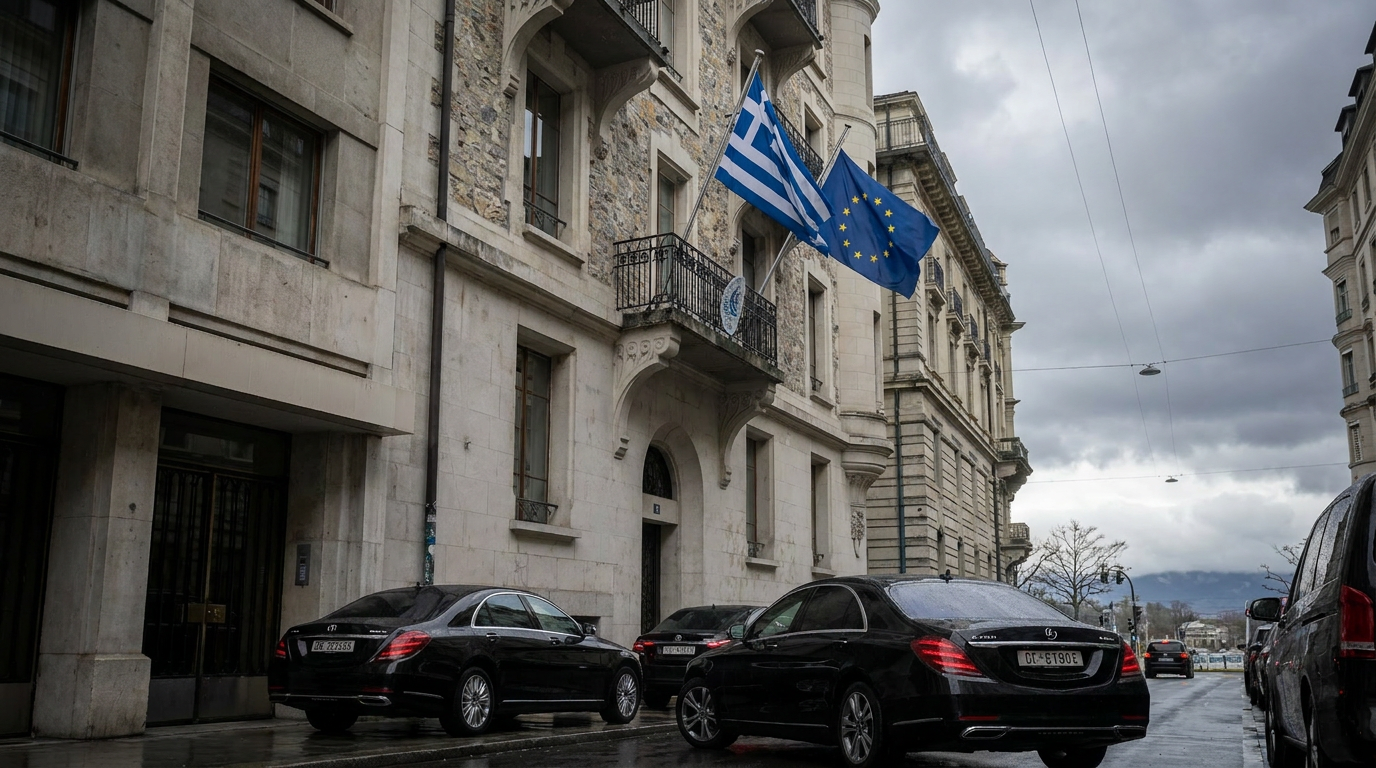
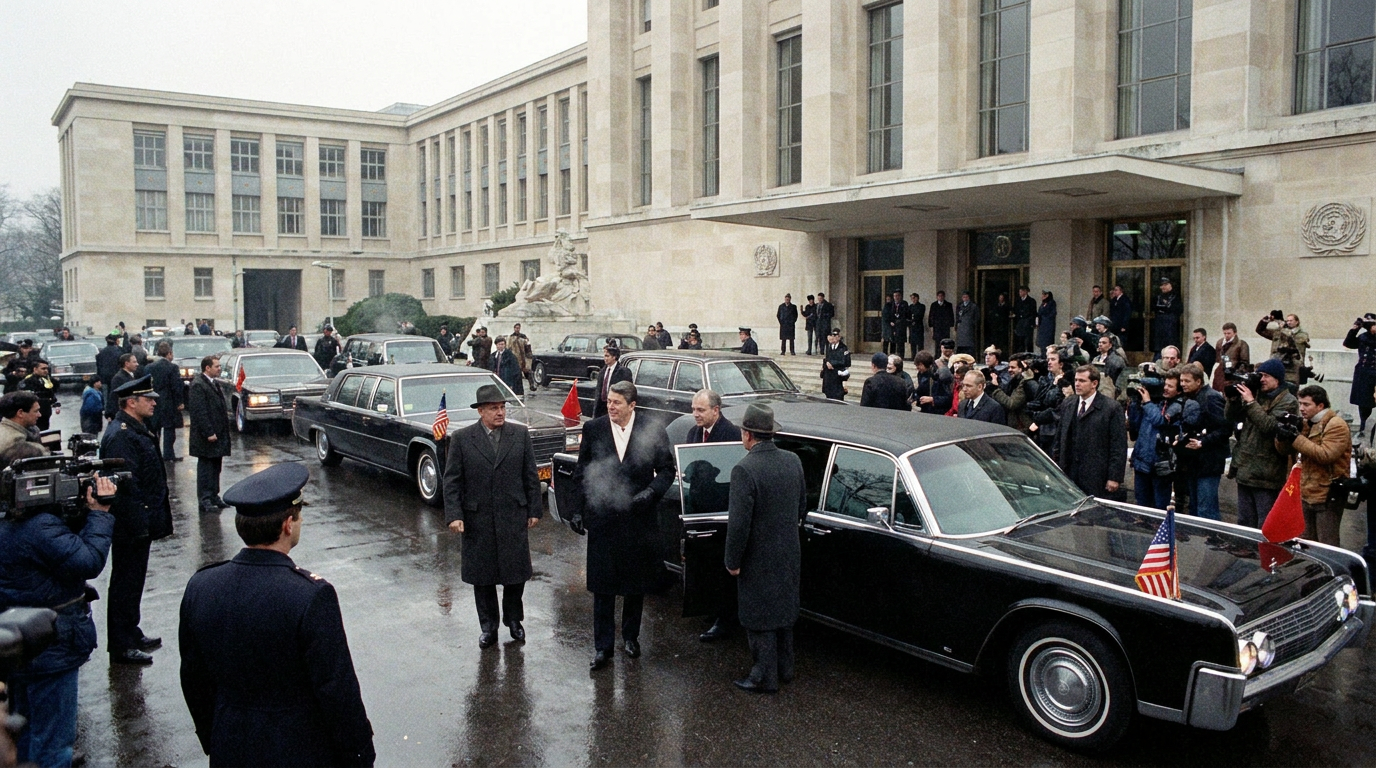
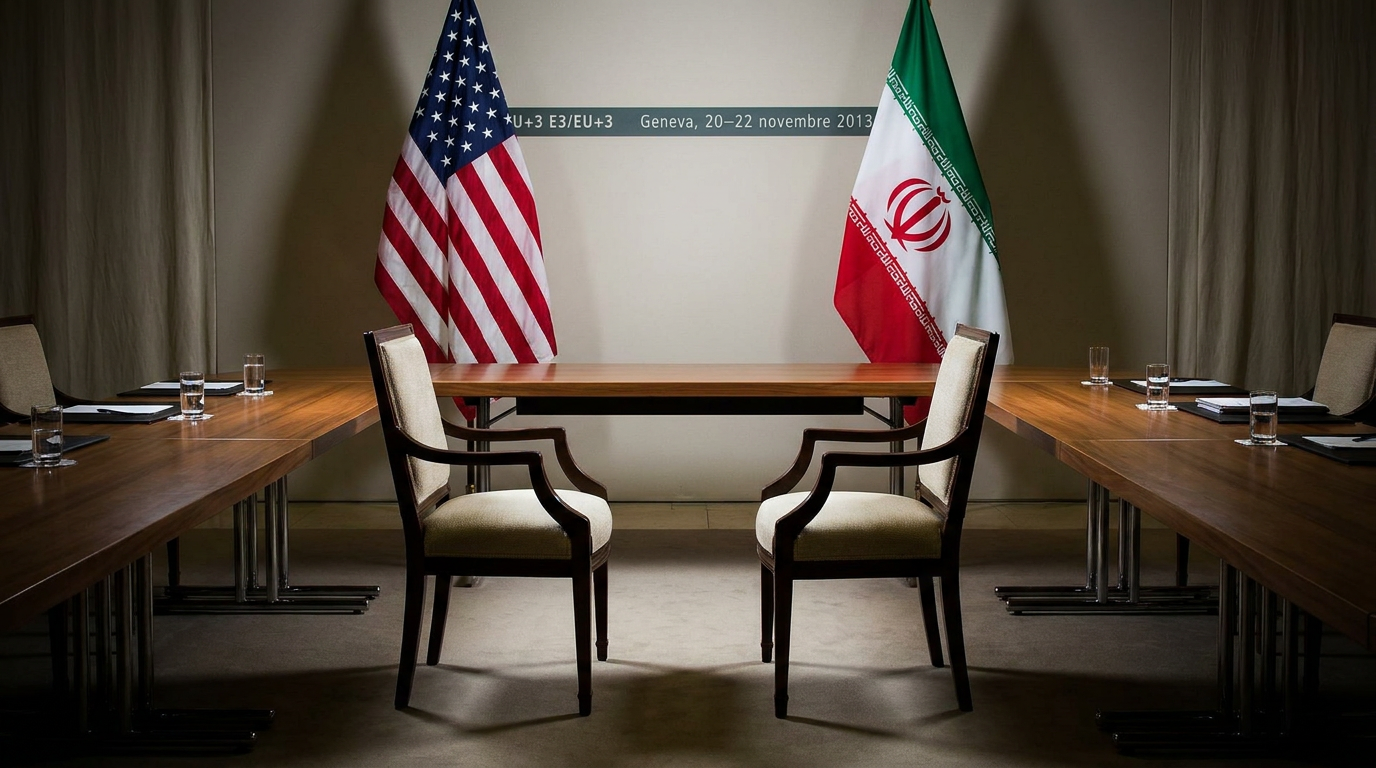
Despite the escalating rhetoric and military posturing over the waterway, diplomatic efforts are surprisingly moving forward. High-level delegations from both Washington and Tehran converged on the Bürgenstock Resort in Switzerland over the weekend.[6][8]
US Vice President JD Vance departed Joint Base Andrews on Saturday to lead the American delegation, joining special envoy Steve Witkoff and presidential adviser Jared Kushner, who were already on the ground.[5][8]

"We'll have a couple of days of talks to try to get this thing kicked off in the right way," Vance told reporters before his departure, noting that the United States "has all the cards" following the recent military conflict.[5]
The Iranian delegation, led by parliament speaker Mohammad Bagher Ghalibaf and Foreign Minister Abbas Araghchi, also arrived in Zurich late Saturday. Their presence underscores that sanctions relief and economic recovery remain central to Tehran's calculations.[4][8]
The technical talks are being heavily facilitated by international mediators. Qatari and Pakistani officials are participating directly in the negotiations, attempting to bridge the massive trust deficit between the two adversaries.[5][6]
A major hurdle for the negotiators will be addressing the Israel-Hezbollah conflict, which threatens to derail the broader US-Iran settlement. An emergency session specifically focused on Lebanon has reportedly been added to the Switzerland agenda.[6]

US intelligence agencies have reportedly warned the Trump administration that Israeli Prime Minister Benjamin Netanyahu remains intent on continuing military operations against Hezbollah, a posture that directly conflicts with Iran's demands for a comprehensive regional truce.[2]
Adding another layer of complexity, President Trump issued a new warning on Saturday. He threatened to impose American tolls on ships passing through the Strait of Hormuz if a final nuclear and peace deal is not reached within the 60-day ceasefire window.[4][5]
Trump stated the funds would serve as payment for "services rendered as the Guardian Angel to the countries of the Middle East," a demand that is likely to face fierce opposition from both Iran and international shipping conglomerates.[4]
The coming days in Switzerland will determine whether the 14-point memorandum can evolve into a durable political settlement or if the region will plunge back into open warfare. For now, the world watches the waters of the Persian Gulf, waiting to see if the diplomatic off-ramp holds.[8]
How we got here
Feb/March 2026
The US-Iran war begins, severely disrupting global shipping and energy markets.
June 17, 2026
The US and Iran sign a 14-point interim ceasefire agreement to halt the conflict.
June 19, 2026
Israel continues military strikes against Hezbollah in Lebanon, killing at least 16 people.
June 20, 2026
Iran declares the Strait of Hormuz closed in retaliation; the US military denies the closure.
June 21, 2026
US and Iranian delegations begin technical peace talks in Switzerland.
Viewpoints in depth
The US Administration's View
Believes it holds the leverage after a successful military campaign and views the Strait as open and secure.
US officials, including Vice President JD Vance, project confidence heading into the Switzerland talks, asserting that the United States 'has all the cards' following the recent military conflict. The administration maintains that the Strait of Hormuz remains open under the protection of US Central Command, dismissing Iran's closure announcements as unenforceable rhetoric. Furthermore, President Trump's threat to impose American tolls on the waterway signals a desire to extract long-term economic concessions from the region.
Iran's View
Argues the US is failing to enforce the ceasefire by allowing Israeli strikes in Lebanon, using the Strait as leverage to force compliance.
Tehran views the 14-point memorandum of understanding as a comprehensive regional pact that requires the US to rein in its allies. By continuing to strike Hezbollah in Lebanon, Israel is—in Iran's view—violating the core tenets of the ceasefire. The Iranian military's announcement that it is closing the Strait of Hormuz is a calculated pressure tactic, designed to remind Washington and the global economy of the catastrophic costs of failing to secure a complete halt to hostilities.
Global Energy Markets' View
Deeply concerned about the fragility of the truce, as any miscalculation in the Strait could trigger catastrophic supply shocks.
Energy analysts and international shipping conglomerates are watching the conflicting reports with alarm. While the US claims traffic is flowing normally, the mere threat of Iranian intervention in a corridor that handles 20 percent of the world's liquefied natural gas is enough to spook markets. The industry is desperate for the Switzerland talks to succeed, fearing that a collapse of the 60-day ceasefire would plunge the global economy into a severe energy crisis.
What we don't know
- Whether Israel will agree to halt its military operations in Lebanon to preserve the broader US-Iran deal.
- How the US intends to enforce or collect the proposed tolls on commercial shipping in the Strait of Hormuz.
- Whether the technical talks in Switzerland can produce a lasting nuclear agreement before the 60-day ceasefire expires.
Key terms
- Strait of Hormuz
- A narrow, strategically vital waterway between the Persian Gulf and the Gulf of Oman, through which a massive portion of the world's oil passes.
- Memorandum of Understanding
- The 14-point interim ceasefire agreement signed by the US and Iran to pause their 2026 war.
- Hezbollah
- A heavily armed, Iran-backed militant group and political party based in Lebanon.
Frequently asked
Is the Strait of Hormuz actually closed?
It is disputed. Iran claims it has closed the waterway to vessel traffic, but the US military says it remains open and that dozens of commercial ships are successfully passing through.
Why did Iran announce the closure?
Iran cited ongoing Israeli military strikes against Hezbollah in Lebanon, arguing that the US failed to enforce a regional halt to hostilities as required by their recent ceasefire agreement.
Who is attending the peace talks in Switzerland?
The US delegation is led by Vice President JD Vance and envoys Jared Kushner and Steve Witkoff. The Iranian delegation is led by parliament speaker Mohammad Bagher Ghalibaf and Foreign Minister Abbas Araghchi.
Sources
Source coverage
8 outlets
3 viewpoints surfaced








[1]Al JazeeraIranian Leadership
Iran war live: Vance heads to Switzerland; Israel kills 16 in Lebanon
Read on Al Jazeera →[2]The Washington PostUS Administration & Military
Iran says it is closing Strait of Hormuz, testing fragile agreement with U.S.
Read on The Washington Post →[3]The Times of IsraelRegional Observers & Mediators
Iran claims Hormuz closed again as IDF attacks Hezbollah; Vance says Switzerland talks may start Sunday
Read on The Times of Israel →[4]PBSRegional Observers & Mediators
U.S. and Iran to talk Sunday in Switzerland as Tehran says it closed Strait of Hormuz again
Read on PBS →[5]Fox NewsUS Administration & Military
Vance travels to Switzerland for talks as Iran negotiators arrive
Read on Fox News →[6]CBS NewsUS Administration & Military
Vance heads to Switzerland Saturday to begin negotiations with Iran
Read on CBS News →[7]The HinduIranian Leadership
Iran's military command announces Strait of Hormuz closure over ceasefire violations by U.S., Israel
Read on The Hindu →[8]Radio Free Europe/Radio LibertyRegional Observers & Mediators
US Vice President JD Vance is set to lead the US delegation in Switzerland in talks with Iran
Read on Radio Free Europe/Radio Liberty →

More in news politics
See all 9 stories →Strait of Hormuz
Iran Threatens Strait of Hormuz Closure as US and Iranian Delegations Arrive in Switzerland for Emergency Talks
7 sources
Geneva Summit
U.S. and Iranian Delegations Open High-Stakes Peace Talks in Switzerland
6 sources
Digital Provenance
Fact-Checking the AI Election: The Evidence Behind Deepfake Detection and Content Watermarking
8 sources

Strait of Hormuz
Iran Moves to Block Strait of Hormuz as US Delegation Arrives in Switzerland for Emergency Talks
8 sources
Every angle. Every day.
Get news politics stories with full source coverage and perspective breakdowns delivered to your inbox.