
The Gut-Brain Axis in the Clinic: How 'Psychobiotics' Are Moving from Theory to Targeted Mental Health Treatment
New 2026 clinical reviews confirm that specific strains of gut bacteria can meaningfully reduce symptoms of depression when used alongside traditional therapies, though evidence for anxiety remains mixed.
By Factlen Editorial Team
- Clinical Psychiatrists
- Focuses on psychobiotics as an evidence-based adjunct therapy to be used alongside traditional medications.
- Microbiome Researchers
- Emphasizes the critical importance of strain specificity and the exact biological mechanisms of action.
- Integrative Medicine Advocates
- Views mental health as a systemic, metabolic condition that must be treated holistically through diet and gut health.
- Evidence Analysts
- Highlights the dangerous gap between rigorous clinical data and the unregulated commercial supplement market.
What's not represented
- · Patients with severe treatment-resistant depression navigating the cost of specialized supplements.
- · Regulatory agencies struggling to classify and regulate live biotherapeutics.
Why this matters
As rates of treatment-resistant depression remain high, precision psychobiotics offer a low-cost, low-side-effect adjunct therapy. However, patients must learn to navigate a supplement market flooded with generic probiotics that lack clinical backing.
Key points
- Clinical guidelines in 2026 increasingly recognize the gut microbiome as a primary driver of psychiatric health.
- Specific bacterial strains, known as psychobiotics, have proven effective at reducing symptoms of Major Depressive Disorder.
- Psychobiotics are most successful when used as an adjunct therapy alongside traditional SSRI antidepressants.
- Evidence for treating primary anxiety disorders remains inconclusive, despite promising early animal studies.
- Experts warn that most commercial over-the-counter probiotics lack the specific strains proven effective in clinical trials.
For decades, traditional psychiatry treated mental illness as a condition isolated entirely above the neck. The standard medical model focused almost exclusively on neurotransmitter imbalances within the brain, treating conditions like depression and anxiety with targeted medications designed to alter serotonin, dopamine, or norepinephrine levels. But in 2026, a profound paradigm shift is taking hold in mainstream clinical practice: the widespread recognition that mental health is deeply and inextricably tethered to the gastrointestinal tract. This evolution toward "precision psychiatry" acknowledges that biological, nutritional, and metabolic drivers are not secondary factors, but primary engines of psychiatric well-being.[4]
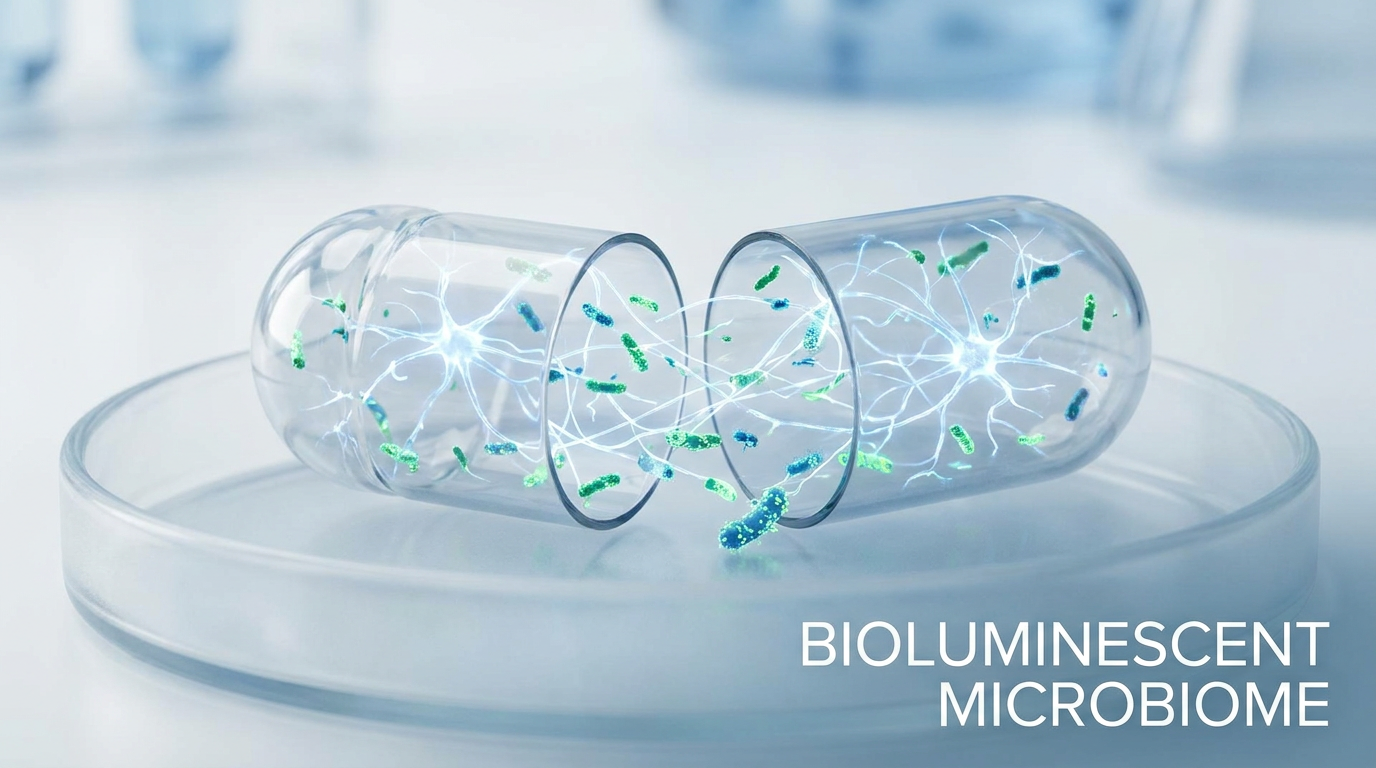
This shift is being largely driven by the rapid maturation of "psychobiotics"—a targeted class of live bacteria that, when ingested in adequate amounts, confer measurable and reproducible mental health benefits. First coined as a theoretical concept over a decade ago, psychobiotics have now accumulated enough rigorous clinical trial data to move from the fringes of wellness culture into the center of evidence-based medical practice. Researchers are no longer just theorizing about the gut-brain connection; they are actively mapping how specific microbial strains can be deployed to alter human neurochemistry.[1][3][4]
The core scientific claim driving this research is that the human gut microbiome and the brain are engaged in constant, bidirectional communication. When the microbiome is dysregulated—whether by a diet high in ultra-processed foods, chronic psychological stress, or the overuse of broad-spectrum antibiotics—it can trigger systemic inflammation. This localized gut inflammation can eventually cross the blood-brain barrier, manifesting clinically as severe depressive symptoms, chronic fatigue, or cognitive fog. Restoring the balance of this microbial ecosystem is therefore viewed as a direct intervention for the brain.[3][4][5]
Researchers have identified three primary highways of communication between these gut microbes and the central nervous system. The first is the vagus nerve, a physical neural superhighway that connects the enteric nervous system of the gut directly to the brainstem. The second involves the body's immune system; specific beneficial bacteria have been shown to actively lower systemic inflammatory markers, which is increasingly recognized by psychiatrists as a root biological cause of treatment-resistant depression.[1][4][6]

The third, and perhaps most clinically actionable, pathway is chemical. Mechanistic evidence now demonstrates that certain psychobiotic strains actively manufacture essential neuroactive metabolites inside the gut. These include short-chain fatty acids (SCFAs), gamma-aminobutyric acid (GABA), and crucial precursors to serotonin. By modulating the production of these chemicals in the digestive tract, the bacteria indirectly influence emotional processing, mood regulation, and stress resilience in the brain, effectively acting as microscopic pharmaceutical factories.[3][6]
As of mid-2026, the clinical evidence supporting the use of psychobiotics has been synthesized in several major umbrella reviews, revealing a nuanced picture of where these treatments succeed and where they currently fall short. The strongest, most unequivocal data supports their use in treating Major Depressive Disorder (MDD). Meta-analytical data published this year confirms that specific probiotic strains produce modest but statistically significant reductions in depressive symptoms across diverse patient populations.[1][5]
Crucially, psychobiotics appear most effective not as a standalone cure, but as a strategic adjunct therapy. When administered alongside traditional SSRI antidepressants, patients consistently show higher remission rates and faster symptom relief than those taking antidepressants alone. This combination approach offers a vital, low-risk lifeline for the estimated 30 percent of psychiatric patients who do not fully respond to standard pharmacological treatments, providing a new avenue for relief without the compounding side effects of adding a second psychiatric medication.[1][4][6]
Crucially, psychobiotics appear most effective not as a standalone cure, but as a strategic adjunct therapy.
However, the scientific consensus heavily emphasizes that these benefits are highly "strain-specific." Consumers cannot simply eat a bowl of generic yogurt or take a random over-the-counter probiotic capsule and expect profound psychiatric relief. Just as different breeds of dogs have entirely different temperaments and biological traits, different bacterial strains within the exact same species have vastly different effects on human neurochemistry.[1][2]
Clinical trials have isolated a handful of heavy hitters that consistently perform well in rigorous testing. Lactobacillus plantarum 299v and Bifidobacterium breve CCFM1025 have emerged as two of the most mechanistically plausible and clinically supported strains for alleviating depressive symptoms and cognitive dysfunction. These specific microbes have repeatedly demonstrated the ability to successfully modulate the gut-brain axis in randomized, placebo-controlled settings, setting the standard for future psychobiotic development.[1][2]
The evidence for treating primary anxiety disorders, however, remains frustratingly mixed and highly contested among researchers. While early preclinical animal models showed massive reductions in anxious behavior when subjects were given psychobiotics, human trials have been wildly inconsistent. A comprehensive 2026 umbrella review found that while some studies reported improvements in healthy populations facing temporary, low-level stress, the data for treating diagnosed clinical anxiety disorders is currently inconclusive.[1][3][5]

Researchers attribute this discrepancy to the sheer complexity of human anxiety and the immense challenge of translating baseline stress levels from a highly controlled laboratory environment into the chaotic, unpredictable real world. For now, the mainstream psychiatric community cautions against relying on psychobiotics as a primary or sole intervention for severe anxiety, pending the results of more targeted, large-scale human trials.[1][3][5]
There is also emerging, albeit preliminary, evidence regarding the use of psychobiotics for neurocognitive disorders. Selected strains, particularly targeted preparations of Bifidobacterium breve, have demonstrated measurable cognitive benefits and improved memory retention in older adults suffering from mild cognitive impairment. Yet, when these same strains are tested against established, late-stage Alzheimer's disease, the clinical effects largely evaporate, suggesting that psychobiotics may be highly useful for prevention and early intervention, but lack the power to reverse severe neurodegeneration.[1][4]
The greatest hurdle facing the widespread clinical adoption of psychobiotics is the vast chasm between rigorous academic research and the commercial supplement market. Because probiotics are regulated as dietary supplements rather than strict pharmaceuticals in most jurisdictions, the global market is currently flooded with products making outsized, unsupported mental health claims without the necessary clinical data to back them up.[4][6]
Many commercial formulations do not actually contain the specific, clinically tested strains like L. plantarum 299v. Instead, manufacturers often substitute them with cheaper, generic variants that share a broad species name but completely lack the required neuroactive properties. Furthermore, live bacteria are incredibly fragile; without pharmaceutical-grade manufacturing, specialized encapsulation, and proper temperature-controlled storage, the microbes often die before they ever reach the consumer's lower intestine, rendering the product useless.[2][6]

To bridge this dangerous gap, the emerging field of "metabolic psychiatry" is actively pushing for tighter regulatory frameworks and the development of FDA-approved medical foods or prescription-only psychobiotic adjuncts. This regulatory shift would ensure that vulnerable patients receive the exact bacterial strains, at the exact colony-forming unit (CFU) counts, proven effective in clinical trials, rather than gambling their mental health on the unregulated supplement aisle.[4][6]
Ultimately, the rapid rise and clinical validation of psychobiotics represents a broader, deeply hopeful evolution in how society views and treats mental illness. By treating the brain and the body as a single, integrated ecosystem, precision psychiatry is slowly moving away from the stigma of isolated "chemical imbalances" and toward a holistic, biological understanding of human mental health. For the millions of patients currently navigating the grueling trial-and-error process of psychiatric medication, the gut-brain axis offers a promising, evidence-backed new frontier for lasting relief.[4][6]
How we got here
Early 1900s
Zoologist Élie Metchnikoff first theorizes that lactic acid bacteria in yogurt contribute to longevity and positive mood.
2013
Researchers at University College Cork officially coin the term 'psychobiotics' to describe microbes that influence mental health.
2020-2023
Preclinical animal models map the specific pathways—including the vagus nerve and short-chain fatty acids—connecting gut bacteria to brain function.
2025
Major psychiatric journals publish editorials calling for a paradigm shift toward 'precision psychiatry' that includes metabolic and gut health.
2026
Comprehensive umbrella reviews confirm the clinical efficacy of specific psychobiotic strains as adjunct treatments for major depressive disorder.
Viewpoints in depth
Clinical Psychiatrists
Psychobiotics are a promising adjunct, but not a replacement for standard care.
Mainstream psychiatry is increasingly embracing the gut-brain axis, but practitioners emphasize that psychobiotics should be used alongside, not instead of, established treatments like SSRIs and cognitive behavioral therapy. They point to meta-analyses showing the highest remission rates occur when targeted probiotics are combined with traditional antidepressants, offering a crucial boost for treatment-resistant patients.
Microbiome Researchers
Efficacy is entirely dependent on exact bacterial strains and baseline gut health.
Researchers stress that 'probiotic' is too broad a term to be clinically useful. They argue that the future of psychobiotics lies in precision medicine—identifying exactly which strains (like L. plantarum 299v) produce specific neuroactive metabolites, and matching those strains to a patient's unique microbiome deficiencies. They caution that a strain that works for one individual might be inert in another.
Integrative Medicine Advocates
Mental health must be treated as a systemic, metabolic condition.
This camp views the success of psychobiotics as proof that mental illness cannot be isolated to the brain. They advocate for a holistic approach to psychiatry that prioritizes diet, gut health, and inflammation reduction as primary interventions, arguing that repairing the microbiome addresses the root biological causes of depression rather than merely masking symptoms.
What we don't know
- Whether psychobiotics can be effective as a standalone monotherapy for severe depression, rather than just an adjunct.
- Why the robust anti-anxiety effects seen in animal models consistently fail to translate into human clinical trials.
- The exact dosage (colony-forming units) required to guarantee that enough live bacteria survive stomach acid to colonize the lower intestine.
Key terms
- Gut-Brain Axis
- The two-way biochemical communication network connecting the gastrointestinal tract and the central nervous system.
- Microbiome
- The community of trillions of microorganisms, including bacteria, fungi, and viruses, that live in the human digestive tract.
- Adjunct Therapy
- A secondary treatment used alongside a primary medical intervention to maximize its effectiveness.
- Short-Chain Fatty Acids (SCFAs)
- Beneficial compounds produced when gut bacteria ferment dietary fiber, known to reduce inflammation and support brain health.
- Vagus Nerve
- A major nerve that runs from the brainstem to the abdomen, serving as a primary physical communication highway between the gut and the brain.
Frequently asked
What exactly is a psychobiotic?
A psychobiotic is a specific strain of live bacteria (a probiotic) that, when ingested in adequate amounts, produces a measurable mental health benefit, such as reducing symptoms of depression.
Can I just eat yogurt to get these benefits?
While fermented foods like yogurt are excellent for general gut health, clinical trials use highly specific, concentrated bacterial strains (like L. plantarum 299v) that are rarely found in standard grocery store products.
Do psychobiotics work for anxiety?
Current clinical evidence is mixed. While animal studies showed promise, human trials for primary anxiety disorders have been inconclusive, though some people report benefits for mild, temporary stress.
Should I stop taking my antidepressants?
No. The strongest clinical evidence shows that psychobiotics are most effective when used as an 'adjunct' therapy—meaning they are taken alongside traditional medications to boost their effectiveness.
Sources
Source coverage
6 outlets
4 viewpoints surfaced






[1]PsychiatriaClinical Psychiatrists
Strain-specific psychobiotics in psychiatry — clinical evidence and practical applications
Read on Psychiatria →[2]Psychology TodayIntegrative Medicine Advocates
Culturing Happiness With Psychobiotics
Read on Psychology Today →[3]Frontiers in MicrobiologyMicrobiome Researchers
Psychobiotics in Mental Health: Insights from Human Clinical Trials via the Gut-Brain Axis
Read on Frontiers in Microbiology →[4]Psychiatry RedefinedClinical Psychiatrists
The Tipping Point in Psychiatry: 2025's Breakthroughs and the Road to 2026
Read on Psychiatry Redefined →[5]PMCMicrobiome Researchers
“Attacking” the Gut–Brain Axis with Psychobiotics: An Umbrella Review of Depressive and Anxiety Symptoms
Read on PMC →[6]Factlen Editorial TeamEvidence Analysts
Synthesis by Factlen editorial team
Read on Factlen Editorial Team →



Every angle. Every day.
Get health stories with full source coverage and perspective breakdowns delivered to your inbox.