
How Gene-Edited Pig Kidneys Are Moving From Experimental Surgery to Clinical Reality
As a second patient thrives following a genetically modified pig kidney transplant, researchers are launching formal clinical trials that could eventually eliminate the global organ shortage.
By Factlen Editorial Team
- Transplant Researchers
- Focus on the physiological success of overcoming hyperacute rejection and the transition to formal trials.
- Biotech Developers
- Highlight the manufacturing challenges and the regulatory pathway to commercializing gene-edited organs.
- Bioethicists & Patient Advocates
- Raise questions about informed consent, the psychological toll on pioneer patients, and equitable access.
What's not represented
- · Animal Rights Organizations
- · Dialysis Patients Awaiting Trials
Why this matters
With over 100,000 Americans currently waiting for a life-saving organ, successful xenotransplantation could effectively end the transplant waiting list, transforming end-stage renal disease from a terminal condition into a manageable one.
Key points
- A second living patient is thriving after receiving a genetically modified pig kidney, proving the procedure's repeatability.
- Scientists used CRISPR to make 69 genetic edits to the donor pig to prevent immune rejection and viral infection.
- The FDA has officially authorized the first formal Phase 1 and Phase 2 clinical trials for kidney xenotransplantation.
- If successful, xenotransplantation could effectively end the global organ shortage and eliminate the transplant waiting list.
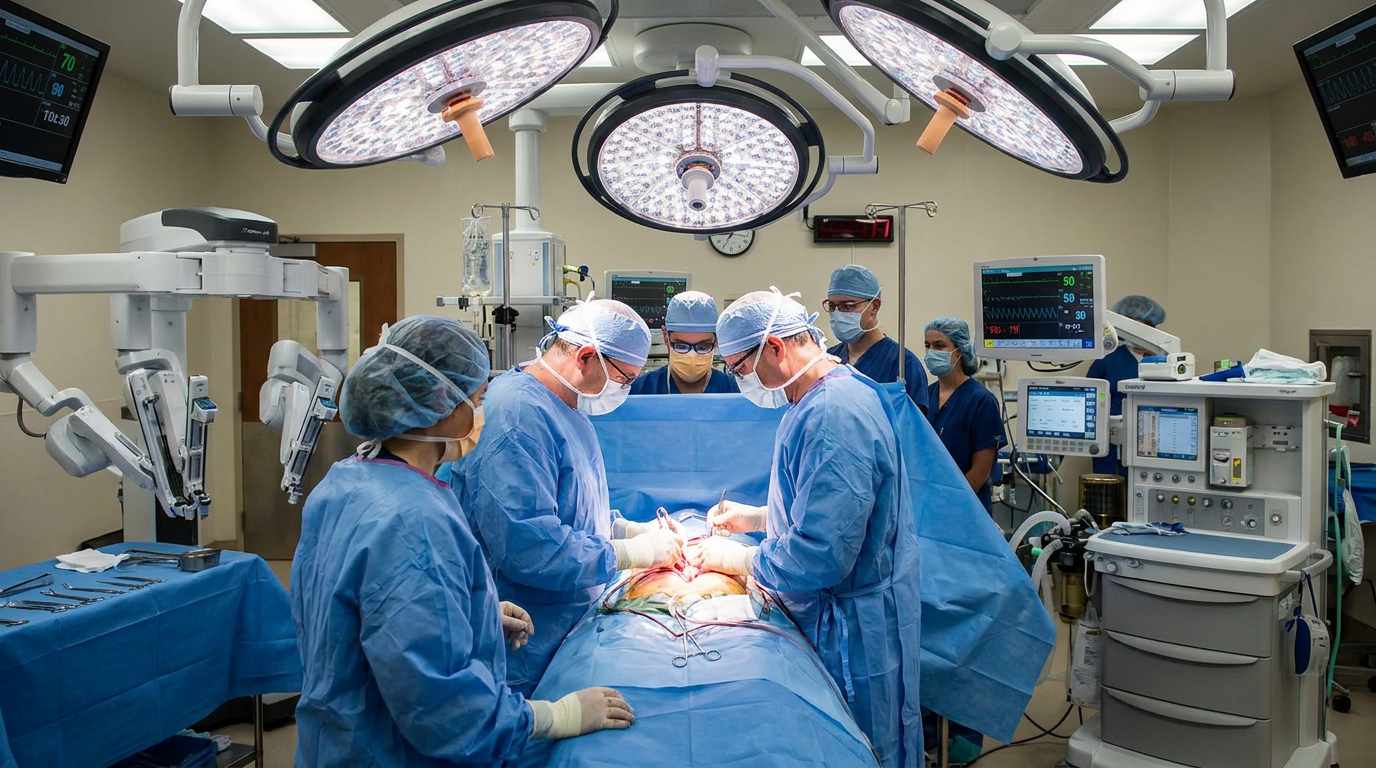
A second living patient is now thriving after receiving a genetically modified pig kidney, marking a critical inflection point in the decades-long quest to solve the global organ shortage. The procedure, performed at Massachusetts General Hospital, builds on the historic first transplant and signals that xenotransplantation—the transfer of organs between species—is transitioning from a one-off experimental miracle to a repeatable clinical pathway. This milestone suggests that the biological barriers separating species can be reliably bridged with modern genetic engineering.[4]
The stakes for this technology are difficult to overstate, as the current organ deficit represents a quiet, ongoing public health crisis. In the United States alone, more than 100,000 people are currently on the national organ transplant waiting list, with the vast majority waiting for a kidney. Because the demand for human donor organs far outpaces the supply, thousands of patients die each year while waiting. Hundreds of thousands more are tethered to dialysis machines that severely limit their quality of life, requiring hours of blood-filtering treatment multiple times a week just to survive.[1][5]
For decades, researchers have looked to the animal kingdom for a solution to this severe supply bottleneck. Pigs quickly emerged as the ideal donor species because their organs are anatomically similar in size and function to human organs, making surgical integration feasible. Furthermore, pigs grow rapidly, have large litters, and present fewer ethical and infectious disease concerns than non-human primates, which were utilized in early, unsuccessful experiments. However, a massive biological barrier stood in the way of this cross-species solution: the human immune system is aggressively primed to destroy pig tissue on contact.[3][5][7]

When a standard, unmodified pig organ is connected to a human bloodstream, it triggers a devastating phenomenon known as hyperacute rejection. Pre-existing human antibodies immediately recognize foreign carbohydrate molecules on the surface of the pig cells as dangerous invaders. Within minutes, this recognition activates the complement cascade—a part of the innate immune system that literally punches holes in foreign cells. This rapid immune response causes the transplanted organ to turn black, clot, and fail before the surgeon even has the opportunity to close the incision.[6][7]
To bypass this violent biological defense mechanism, scientists turned to the revolutionary gene-editing tool CRISPR-Cas9. By precisely altering the DNA of the donor pigs while they are still single-cell embryos, researchers can effectively hide the resulting organs from the human immune system. The kidney transplanted into the recent patient featured an astonishing 69 distinct genomic edits designed to ensure compatibility and safety, representing one of the most complex feats of genetic engineering ever applied to a living organism.[2][4][6]
The most critical of these genetic modifications are the 'knockouts.' Scientists systematically disabled three specific pig genes—GGTA1, CMAH, and B4GALNT2. These genes are responsible for producing specific sugars, most notably alpha-Gal, which act as massive red flags to human antibodies. By eliminating these sugars from the surface of the pig's cells, the organ can successfully evade the immediate, catastrophic hyperacute rejection that plagued early xenotransplantation efforts, allowing blood to flow through the kidney without triggering an immediate attack.[6][7]
But simply removing the biological red flags is not enough; the organ must also actively signal the human immune system to stand down. To achieve this delicate balance, researchers performed 'knock-ins,' inserting several human genes directly into the pig's genome. These human genes produce vital proteins, such as CD55, which regulate the complement system and actively prevent the recipient's blood from clotting inside the new kidney's microscopic filtration vessels. This dual approach of removing pig antigens and adding human regulatory proteins creates a localized environment of immune tolerance within the graft.[2][6]

But simply removing the biological red flags is not enough; the organ must also actively signal the human immune system to stand down.
Beyond the immediate threat of immune rejection, xenotransplantation carries the theoretical risk of zoonosis—the transmission of animal diseases to human populations. Pigs naturally carry Porcine Endogenous Retroviruses (PERVs) embedded directly within their DNA, which cannot be eliminated through standard breeding or sterile housing. To eliminate the risk of these viruses activating and infecting an immunocompromised human recipient, scientists used CRISPR to systematically locate and inactivate 59 different PERV sequences within the donor pig's genome, ensuring viral safety.[2][4]
The surgical procedure itself is virtually identical to a standard human-to-human kidney transplant, utilizing the same vascular connections and techniques. However, the postoperative care requires a completely novel approach to immunosuppression. Because the genetic edits cannot completely eliminate the risk of long-term antibody-mediated rejection, patients receive experimental anti-rejection medications alongside standard therapies. Drugs like tegoprubart are specifically designed to block targeted immune communication pathways, preventing the body from slowly recognizing and attacking the graft over the course of months or years.[3][6]
The success of these early living-recipient surgeries has fundamentally altered the regulatory landscape for xenotransplantation. Previously, the FDA only permitted pig organ transplants under 'compassionate use' authorizations, a pathway reserved strictly for patients facing imminent death with no other viable medical options. Now, based on the promising physiological data and extended survival times from these initial procedures, the FDA has officially authorized the first formal clinical trials for kidney xenotransplantation, marking a major regulatory milestone.[1][4][5]
Biotechnology companies, including eGenesis and United Therapeutics, are currently spearheading these Phase 1 and Phase 2 clinical trials. These structured studies will systematically evaluate the safety, efficacy, and long-term durability of gene-edited pig kidneys in larger, carefully monitored cohorts of patients with end-stage renal disease. Moving from one-off compassionate use cases to structured clinical trials is the necessary next step to prove that these organs can function reliably for years, generating the rigorous data required for eventual widespread approval.[1][2][5]

If these clinical trials ultimately succeed, the implications for healthcare equity and public health are profound. A limitless, scalable supply of genetically engineered organs would mean that patients no longer have to rely on the tragedy of a human donor's death to survive. It would transform the transplant system from a strict rationing model—where organs go only to the healthiest candidates who can survive the wait—into a standard medical procedure available to anyone suffering from organ failure.[3][5]
Despite the immense optimism surrounding these recent milestones, significant scientific uncertainties remain. Researchers do not yet know the maximum lifespan of a gene-edited pig kidney inside a human body. While hyperacute rejection has been successfully conquered through CRISPR editing, chronic rejection—where the immune system slowly degrades the organ's functional tissue over years—remains a formidable challenge that will only be fully understood through long-term clinical observation and advanced biomarker tracking. The durability of the graft over a five- or ten-year horizon is the next great frontier.[5][6]
Additionally, the psychological and physical toll on the pioneer patients participating in these early trials is immense. They must navigate grueling experimental medication regimens, intense daily medical scrutiny, and the unprecedented psychological reality of carrying an organ that has never before existed in nature. Bioethicists emphasize that robust, transparent informed consent is paramount as these trials expand, ensuring patients fully grasp the experimental nature of the procedure and the potential for unforeseen complications. Patient advocates stress the importance of comprehensive mental health support for these trailblazers.[2]

Nevertheless, the field of transplantation has crossed a historic threshold from which it is unlikely to return. The combination of precision CRISPR gene editing, advanced targeted immunosuppression, and the courage of early patients has proven that the biological barriers between species can be safely bridged. As clinical trials accelerate and the data matures, the long-held medical dream of 'one organ for all' is steadily moving out of the realm of science fiction and closer to clinical reality.[3][4]
How we got here
September 2021
Surgeons successfully attach a gene-edited pig kidney to a brain-dead human recipient for the first time.
March 2024
The world's first genetically modified pig kidney is transplanted into a living human patient under compassionate use.
January 2025
A second living patient successfully receives a gene-edited pig kidney, demonstrating repeatability.
Late 2025
The FDA officially approves the first formal Phase 1 clinical trials for pig organ transplants.
Viewpoints in depth
Transplant Researchers' View
Focuses on the physiological success of overcoming hyperacute rejection and the transition to formal trials.
For transplant surgeons and immunologists, the survival of a second patient represents the validation of decades of incremental research. The primary hurdle in xenotransplantation has always been hyperacute rejection—the immediate destruction of the graft by the human complement system. By successfully utilizing CRISPR to knock out the alpha-Gal, Neu5Gc, and SDa antigens, researchers have proven that the biological barrier between species can be bypassed. Their focus is now shifting toward optimizing novel immunosuppressive regimens, such as CD40L inhibitors, to manage chronic antibody-mediated rejection over the span of years rather than months.
Biotech Developers' View
Highlights the manufacturing challenges and the regulatory pathway to commercializing gene-edited organs.
Companies like eGenesis and United Therapeutics view the recent clinical milestones as the catalyst for a new era of 'off-the-shelf' organ manufacturing. Their primary objective is scaling the complex process of cloning and breeding 69-edit transgenic pigs in highly controlled, pathogen-free facilities. From an industry perspective, moving out of the FDA's compassionate use program and into formal Phase 1/2 clinical trials is the critical step toward securing a Biologics License Application (BLA). If successful, they envision a future where organ transplantation is no longer constrained by human donor availability, fundamentally disrupting the current rationing model of end-stage renal care.
Bioethicists & Patient Advocates' View
Raises questions about informed consent, the psychological toll on pioneer patients, and equitable access.
While celebrating the scientific achievement, bioethicists urge caution as the field accelerates into formal trials. They emphasize that the pioneer patients face immense psychological burdens, navigating grueling experimental medication regimens and the unprecedented reality of carrying a heavily modified animal organ. Furthermore, advocates stress that if xenotransplantation becomes a standard clinical reality, it must be deployed equitably. There are concerns that the astronomical costs of breeding transgenic pigs and administering novel immunosuppressants could initially restrict access to well-resourced patients, potentially exacerbating existing disparities in end-stage renal disease care.
What we don't know
- The maximum lifespan of a gene-edited pig kidney inside a human body.
- Whether novel immunosuppressive drugs can entirely prevent chronic, long-term rejection.
- How the high costs of transgenic organ manufacturing will impact patient access and insurance coverage.
Key terms
- Xenotransplantation
- The process of transplanting living cells, tissues, or organs from one species to another.
- CRISPR-Cas9
- A precise gene-editing technology used to alter the donor pig's DNA, removing harmful genes and adding human ones.
- Hyperacute Rejection
- A severe and immediate immune response where the recipient's body attacks and destroys the transplanted organ within minutes.
- PERVs
- Porcine Endogenous Retroviruses; viruses naturally embedded in pig DNA that must be inactivated to prevent cross-species infection.
- Alpha-Gal
- A specific sugar molecule found on the surface of pig cells that triggers a massive immune attack in humans if not genetically removed.
Frequently asked
Why are pigs used instead of primates for organ transplants?
Pigs are anatomically similar in organ size to humans, grow rapidly, have large litters, and present fewer ethical and infectious disease concerns than non-human primates.
Will the human body automatically reject a pig kidney?
Without genetic modification, the human immune system would reject a pig organ in minutes. CRISPR edits and novel immunosuppressive drugs are used to hide the organ from the immune system.
Can animal viruses be transmitted to humans through the transplant?
Pigs carry endogenous retroviruses (PERVs) in their DNA. Scientists use gene editing to inactivate these viral sequences before transplantation to eliminate the risk of infection.
Is pig kidney transplantation available to the general public?
Not yet. The procedure is currently moving from emergency 'compassionate use' cases into formal Phase 1 and Phase 2 clinical trials to rigorously test long-term safety.
Sources
Source coverage
7 outlets
3 viewpoints surfaced






[1]The Washington PostBiotech Developers
FDA approves clinical trials for pig organ transplants
Read on The Washington Post →[2]Smithsonian MagazineBioethicists & Patient Advocates
The Future of Transplanting Pig Organs in People
Read on Smithsonian Magazine →[3]PharmaphorumBiotech Developers
Xenotransplantation at the brink of breakthrough: A new era in organ transplantation
Read on Pharmaphorum →[4]Harvard Medical SchoolTransplant Researchers
Surgeons Perform Second Pig Kidney Transplant at Massachusetts General Hospital
Read on Harvard Medical School →[5]National Kidney FoundationBioethicists & Patient Advocates
About Kidney Xenotransplantation
Read on National Kidney Foundation →[6]Frontiers in ImmunologyTransplant Researchers
Preclinical and clinical advances in xenotransplantation
Read on Frontiers in Immunology →[7]UC Davis HealthTransplant Researchers
Managing Hyperacute Rejection Through Genetic Editing
Read on UC Davis Health →

More in health
See all 5 stories →Nature Therapy
The Evidence Pack: How 'Forest Bathing' Measurably Lowers Cortisol and Boosts Immune Function
6 sources

Genetic Medicine
The Evidence Pack: How the FDA-Approved Gene Therapy Otarmeni Restores Hearing in Genetic Deafness
8 sources

DMD Cell Therapy
The Evidence Pack: How Deramiocel's Five-Year Data is Reshaping Duchenne Muscular Dystrophy Treatment
7 sources

Every angle. Every day.
Get health stories with full source coverage and perspective breakdowns delivered to your inbox.