
U.S. and Iran Sign 14-Point Memorandum to End War and Reopen Strait of Hormuz
President Trump and Iranian President Masoud Pezeshkian have signed a framework agreement to halt military operations, reopen global shipping lanes, and begin 60 days of nuclear negotiations. The deal offers Tehran immediate sanctions relief in exchange for a pledge to down-blend enriched uranium.
By Factlen Editorial Team
- Trump Administration
- Argues the deal successfully ends a costly war, reopens vital global shipping lanes, and forces Iran to the negotiating table under the credible threat of overwhelming military force.
- International Mediators
- Prioritizes the immediate de-escalation of the conflict and the stabilization of the global economy, viewing the 60-day window as a necessary diplomatic opening.
- Hawkish Critics
- Argues the US surrendered its economic leverage by granting immediate oil waivers and a massive reconstruction fund in exchange for vague, unenforceable nuclear promises.
- Policy Analysts
- Focuses on the structural differences between this framework and past deals, noting the lack of immediate inspection regimes and the deferral of complex technical issues.
What's not represented
- · Iranian civilian population
- · Lebanese civilians affected by the ceasefire
- · Global shipping companies
Why this matters
The agreement halts a conflict that has disrupted global energy markets and threatened a broader Middle East war. However, by deferring the technical details of Iran's nuclear program to future talks, it leaves open the question of whether a permanent resolution is actually achievable.
Key points
- The US and Iran signed a 14-point memorandum to end the 2026 war and reopen the Strait of Hormuz.
- The agreement implements an immediate ceasefire across all fronts, including the conflict in Lebanon.
- Iran receives immediate oil export waivers and a pledge for a $300 billion reconstruction fund.
- Tehran agreed to down-blend its enriched uranium, with technical details deferred to a 60-day negotiation window.
- Critics argue the US gave up its economic leverage upfront for vague nuclear promises.
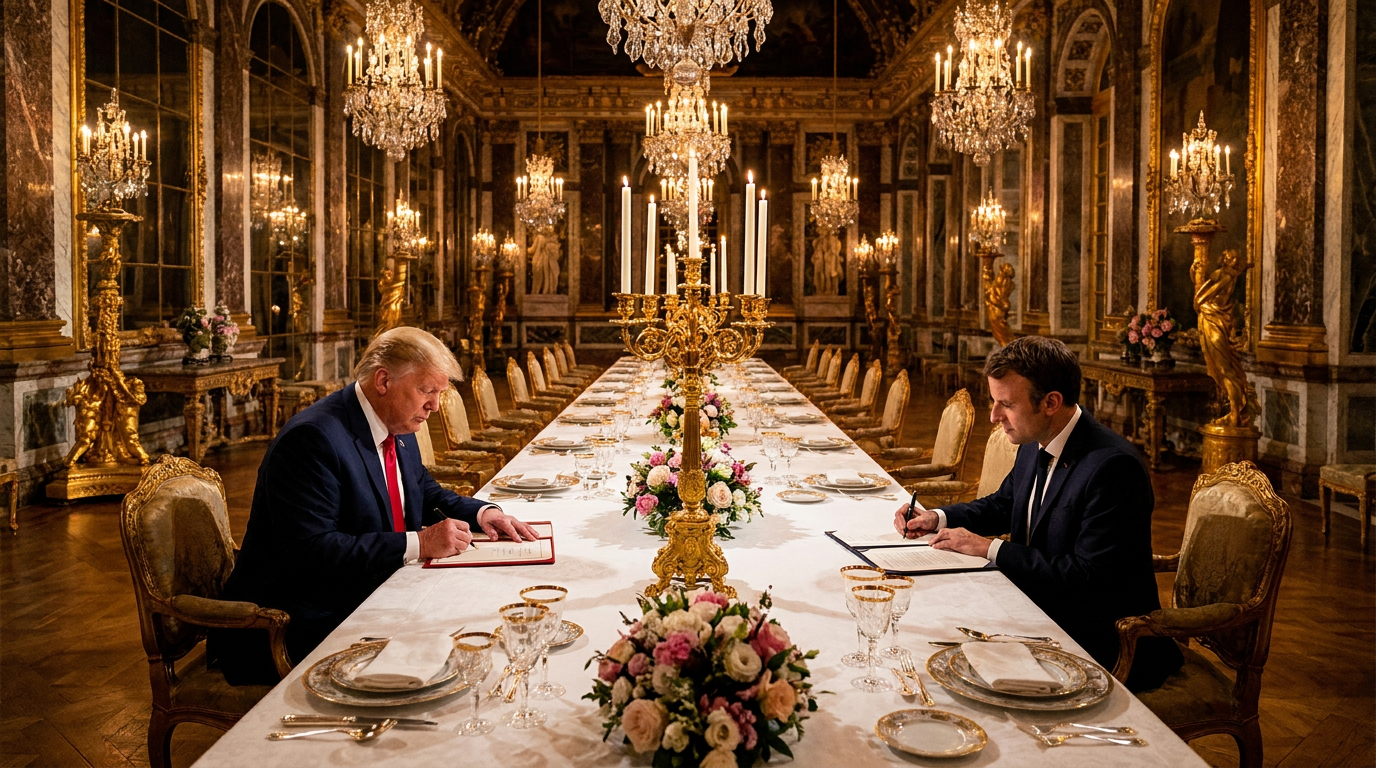
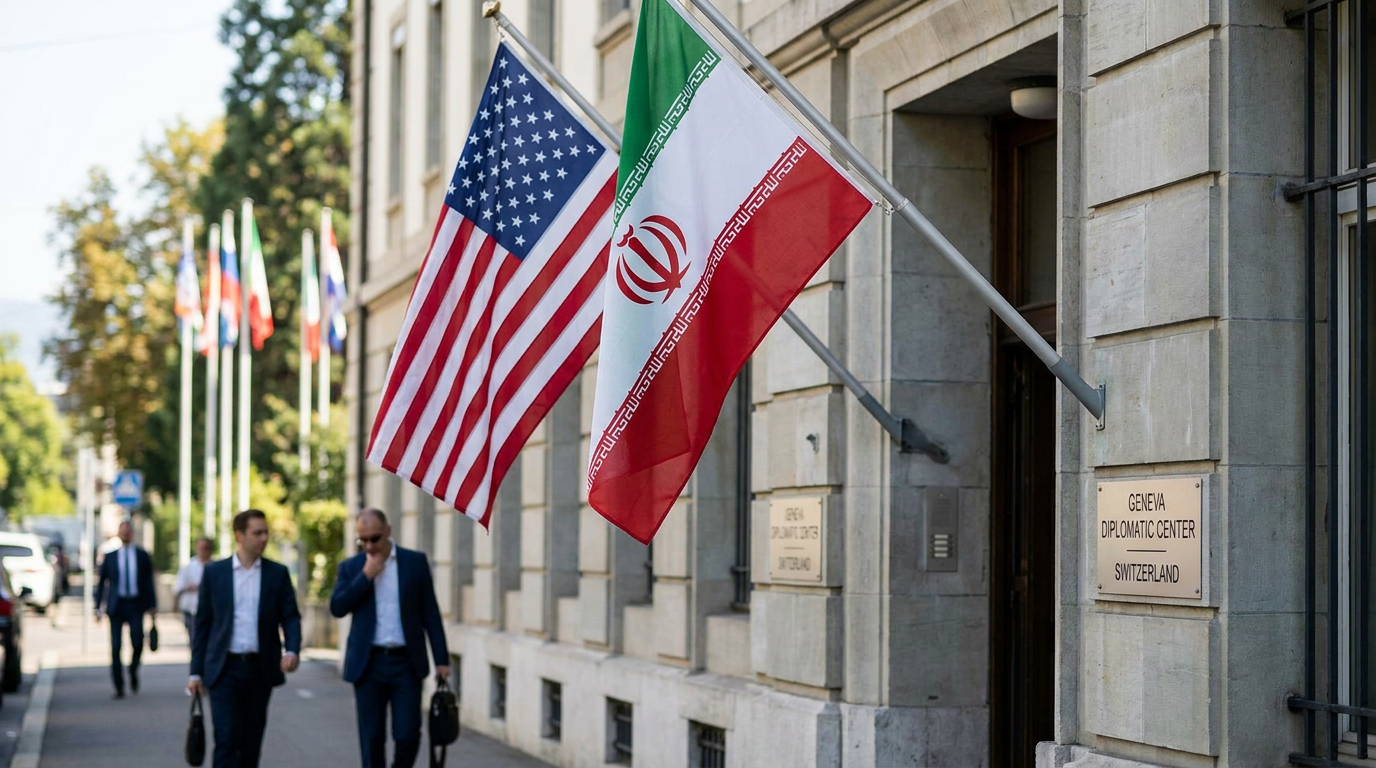
The United States and Iran have officially signed the "Islamabad Memorandum of Understanding," a 14-point framework agreement designed to end the months-long 2026 US-Iran war. The document, finalized by President Donald Trump and Iranian President Masoud Pezeshkian, implements an immediate ceasefire across all military fronts and sets the stage for a 60-day sprint to negotiate a permanent nuclear settlement.[1][5]
Brokered primarily by Pakistan, the memorandum prioritizes the immediate stabilization of global energy markets. Under its terms, Iran has agreed to instantly reopen the Strait of Hormuz to commercial shipping, toll-free, for the next 60 days. In tandem, the United States will lift its naval blockade of Iranian ports and begin withdrawing its forces from the immediate proximity of the Islamic Republic within 30 days.[1][7]
The agreement also extends its ceasefire mandate beyond the Persian Gulf. The text explicitly calls for the permanent termination of military operations in Lebanon, effectively requiring Tehran to rein in Hezbollah forces that have been engaged in a parallel conflict with Israel since early March.[1][5]

In exchange for halting hostilities, Iran secured significant and immediate economic concessions. The US Treasury Department will issue immediate waivers allowing Iran to resume crude oil and petroleum exports, alongside the necessary banking services to process those transactions.[2][5]
The most heavily scrutinized provision is a commitment by the US and regional partners to develop a plan featuring at least $300 billion for the "reconstruction and economic development" of Iran. While the exact funding mechanism remains undefined, the sheer scale of the proposed capital injection has drawn sharp reactions from international observers.[6][7]
On the nuclear front, the memorandum is notably sparse on technical details, deferring the most complex issues to the upcoming 60-day negotiation window in Switzerland. Iran reaffirmed that it "shall not procure or develop nuclear weapons" and agreed to a "minimum methodology" of down-blending its stockpile of highly enriched uranium on-site under the supervision of the International Atomic Energy Agency (IAEA).[3][5]
On the nuclear front, the memorandum is notably sparse on technical details, deferring the most complex issues to the upcoming 60-day negotiation window in Switzerland.
However, unlike the 2015 Joint Comprehensive Plan of Action (JCPOA), the new framework does not immediately establish an intrusive inspection regime, nor does it explicitly mandate the removal or destruction of Iran's advanced centrifuges. Policy analysts note that the agreement effectively pays Iran upfront with sanctions relief while leaving the enforcement of nuclear constraints to be resolved later.[3][6]

President Trump defended the agreement during a press conference at the G7 summit in France, hailing it as a major victory that averted a global economic catastrophe. He dismissed concerns about the upfront economic relief, warning that the US retains the ultimate leverage. "If it's not permanently [dismantled], we will bomb them," Trump told reporters, emphasizing that the military option remains on the table if talks collapse.[2][4]
In a notable shift in US policy, Trump also suggested that Iran should be allowed to retain portions of its ballistic missile program. Comparing Iran's arsenal to those of Saudi Arabia and Qatar, he argued that "in relative proportion, I think it's okay," drawing a distinction between conventional missiles and nuclear warheads.[4]
The framework has elicited a polarized global response. G7 leaders and European officials expressed profound relief that the immediate threat to the Strait of Hormuz—a vital artery for global oil supplies—has been neutralized. French President Emmanuel Macron, who hosted Trump at the Palace of Versailles for the signing, praised the deal as a historic opportunity to stabilize the region.[2]
Conversely, the agreement has triggered alarm in Israel and among hawkish lawmakers in Washington. Critics argue that the US surrendered its primary economic leverage by granting oil waivers and unfreezing assets before securing concrete, verifiable dismantlement of Iran's nuclear infrastructure.[2][6]

Mark Regev, a former senior adviser to the Israeli prime minister, warned that the immediate influx of oil revenue would breathe new life into the Iranian regime, questioning what incentive Tehran now has to make painful nuclear concessions. Several US Republican senators echoed this sentiment, arguing that Iran successfully leveraged the threat to global shipping to extract a lucrative financial rescue package.[2]
The ultimate success of the Islamabad Memorandum now hinges on the 60-day negotiation period. Negotiators must bridge the gap between a broad framework and a binding, technical treaty that satisfies US security demands, Israeli concerns, and Iranian economic expectations.[5][7]
If the two sides fail to reach a comprehensive final deal, US officials have indicated that either party can walk away, potentially plunging the region back into active conflict. For now, the guns have fallen silent, and the oil has begun to flow, but the core disputes that ignited the war remain unresolved.[5][6]
How we got here
Feb 28, 2026
The US and Israel launch a military campaign against Iran, initiating a multi-front war.
March 2, 2026
Hezbollah enters the conflict, firing rockets at Israel in support of Tehran.
June 14, 2026
The US and Iran announce they have reached a preliminary framework to halt hostilities.
June 17, 2026
President Trump and President Pezeshkian officially sign the Islamabad Memorandum of Understanding.
August 2026
The 60-day deadline for negotiators to finalize a comprehensive nuclear and economic treaty.
Viewpoints in depth
The Trump Administration's View
Argues the deal successfully ends a costly war, reopens vital global shipping lanes, and forces Iran to the negotiating table under the credible threat of overwhelming military force.
Administration officials emphasize that the memorandum achieves immediate strategic goals—halting a devastating regional war and securing the free flow of global energy supplies—without surrendering the ultimate military option. President Trump has publicly stated that if Iran fails to permanently dismantle its nuclear capabilities during the 60-day negotiation window, the US is prepared to resume bombing. Supporters view the upfront economic concessions as a necessary tactical maneuver to bring Tehran to the table, arguing that the US retains the power to snap sanctions back into place if talks collapse.
Israeli and Hawkish Critics' View
Argues the US surrendered its economic leverage by granting immediate oil waivers and a massive reconstruction fund in exchange for vague, unenforceable nuclear promises.
Critics, including Israeli officials and several US Republican senators, view the agreement as a dangerous capitulation. They argue that by granting Iran immediate oil export waivers and promising a $300 billion reconstruction fund, the US has effectively rewarded Tehran for its aggression and removed the economic pressure required to force genuine nuclear concessions. These voices point out that the memorandum lacks the intrusive inspection regimes of past deals and allows Iran to retain its advanced centrifuges, warning that the influx of capital will only embolden the regime and its regional proxies.
European and Mediator View
Prioritizes the immediate de-escalation of the conflict and the stabilization of the global economy, viewing the 60-day window as a necessary, albeit fragile, diplomatic opening.
For the G7 nations and international mediators like Pakistan, the primary victory of the Islamabad Memorandum is the immediate cessation of hostilities and the reopening of the Strait of Hormuz. European leaders, deeply concerned by the economic fallout of the naval blockade, have praised the agreement for averting a global energy crisis. While acknowledging the fragility of the 60-day framework and the immense challenge of negotiating a final nuclear treaty, this camp believes that establishing a diplomatic process is vastly preferable to the catastrophic risks of continued warfare.
What we don't know
- How the proposed $300 billion reconstruction fund will be financed and managed.
- Whether Iran will agree to an intrusive IAEA inspection regime during the 60-day negotiations.
- How third-party countries and allies, particularly Israel, will respond if the final deal does not dismantle Iran's nuclear infrastructure.
Key terms
- Islamabad Memorandum
- A 14-point framework agreement signed in June 2026 to end the US-Iran war and establish a 60-day window for nuclear negotiations.
- Strait of Hormuz
- A critical maritime chokepoint between the Persian Gulf and the Gulf of Oman, through which a significant portion of the world's oil supply passes.
- Down-blending
- The process of mixing highly enriched uranium with lower-grade material to reduce its purity, making it unsuitable for nuclear weapons.
- Sanctions waiver
- A temporary exemption granted by the US government allowing a country or entity to bypass specific economic sanctions without penalty.
Frequently asked
Does this agreement permanently end Iran's nuclear program?
No. The memorandum is a framework that requires Iran to down-blend its uranium, but the technical details and enforcement mechanisms will be negotiated over the next 60 days.
Is the US giving Iran $300 billion?
The agreement commits the US and regional partners to develop a plan for a $300 billion reconstruction fund, but the exact source of the money and the mechanism for distributing it have not yet been finalized.
What happens to the war in Lebanon?
The memorandum includes a provision for the immediate and permanent termination of military operations on all fronts, explicitly including the conflict involving Hezbollah in Lebanon.
Sources
Source coverage
7 outlets
4 viewpoints surfaced







[1]Fox NewsTrump Administration
READ IT: The full text of the US-Iran Memorandum of Understanding
Read on Fox News →[2]The GuardianInternational Mediators
Donald Trump's Iran deal met with anger, relief and incredulity
Read on The Guardian →[3]CBS NewsPolicy Analysts
Here's how Trump's memo of understanding with Iran compares to the Obama nuclear deal
Read on CBS News →[4]The Times of IsraelHawkish Critics
As deal takes force, Trump says 'it's okay' for Iran to have some ballistic missiles
Read on The Times of Israel →[5]SBS NewsInternational Mediators
The US and Iran have published their official agreement. Here's what's in it
Read on SBS News →[6]New Lines MagazineHawkish Critics
There Is No Iran Nuclear Deal and There May Never Be
Read on New Lines Magazine →[7]Council on Foreign RelationsPolicy Analysts
Trump's Iran Deal Reopens the Strait. Much Remains to Be Done.
Read on Council on Foreign Relations →
More in news politics
See all 7 stories →Election Integrity
Evidence Pack: The Real Impact of AI Deepfakes on Recent Global Elections
6 sources

Second Amendment
Supreme Court Narrows Federal Law Banning Drug Users From Owning Guns
8 sources
Second Amendment
Supreme Court Unanimously Narrows Federal Gun Ban for Drug Users
8 sources
US-Iran Pact
US and Iran Sign 14-Point Memorandum to End 110-Day War and Reopen Strait of Hormuz
8 sources
Every angle. Every day.
Get news politics stories with full source coverage and perspective breakdowns delivered to your inbox.