
The Science of Zone 2 Cardio: Why Slowing Down is the Key to Metabolic Health and Longevity
Physiologists and longevity experts are championing 'Zone 2' training—a moderate-intensity aerobic protocol that builds mitochondrial density, burns fat, and extends healthspan.
By Factlen Editorial Team
- Longevity & Metabolic Researchers
- Focus on cellular health, mitochondrial biogenesis, and disease prevention.
- High-Performance Endurance Coaches
- Focus on building a massive aerobic base to support elite athletic performance.
- Public Health & Clinical Medicine
- Focus on accessibility, injury prevention, and sustainable habits for the general public.
What's not represented
- · Strength Training Advocates
- · Time-Crunched Fitness Consumers
Why this matters
Cardiovascular disease and metabolic dysfunction are leading drivers of age-related decline. Understanding how to properly dose low-intensity exercise offers a highly accessible, scientifically proven method to improve cellular energy, burn fat, and potentially add healthy years to your life.
Key points
- Zone 2 is a moderate-intensity aerobic exercise where the heart rate remains at 60-70% of its maximum, allowing for continuous conversation.
- The protocol specifically targets Type 1 muscle fibers, stimulating the creation of new, highly efficient mitochondria.
- By keeping blood lactate levels low, the body is forced to burn stored fat for fuel rather than relying on carbohydrates.
- Experts recommend accumulating three to four hours of Zone 2 training per week to significantly improve metabolic health and longevity.
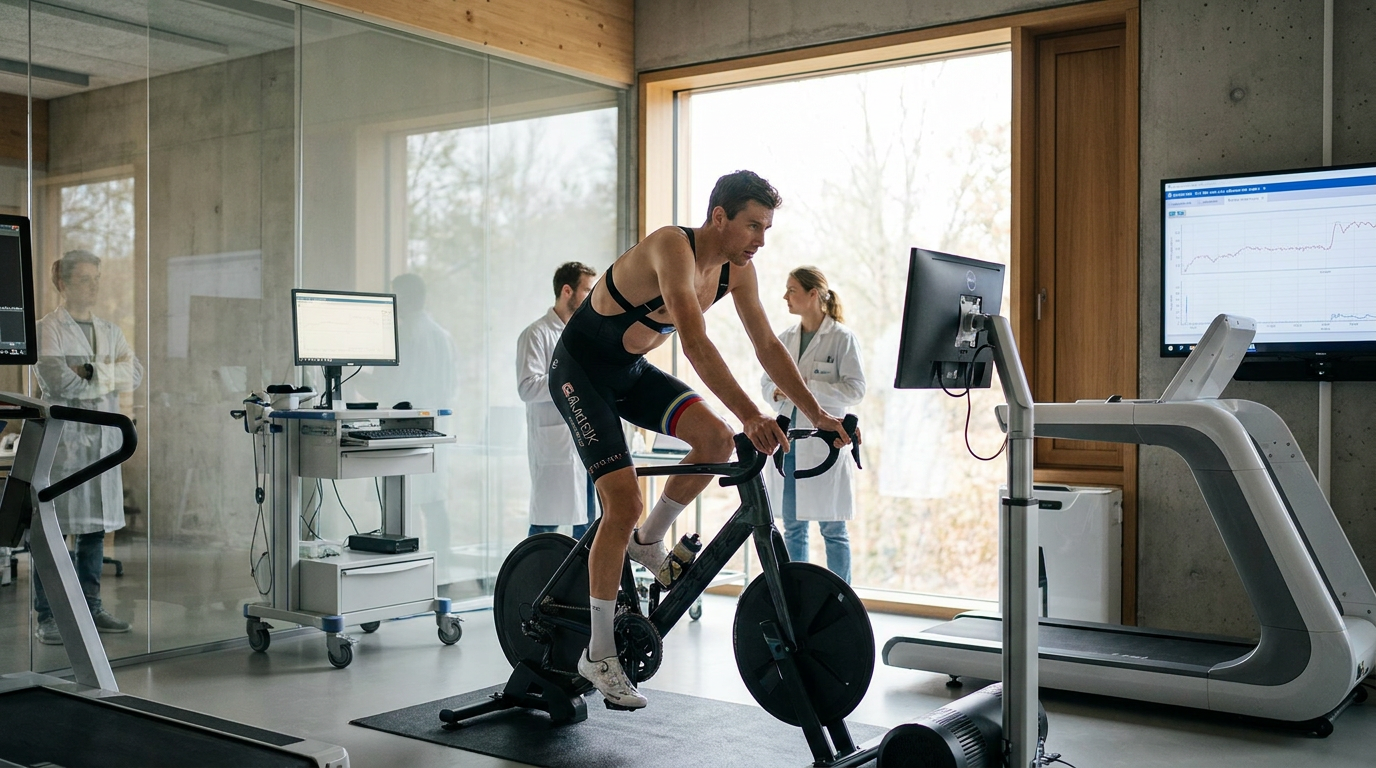
For decades, fitness culture was dominated by a singular, punishing ethos: no pain, no gain. From high-intensity interval training (HIIT) boot camps to grueling spin classes, the prevailing assumption was that if a workout didn't leave you gasping for air on the floor, it wasn't working. But a quiet revolution has upended the science of exercise and longevity. The most transformative protocol for metabolic health and lifespan extension turns out to be frustratingly slow. It is known as Zone 2 training, and it is fundamentally changing how doctors, physiologists, and everyday people approach cardiovascular fitness.[3][6]
Zone 2 is a specific intensity of aerobic exercise that sits right at the edge of comfort. In a standard five-zone heart rate model, it represents roughly 60% to 70% of a person's maximum heart rate. Physiologically, it is defined as the highest level of exertion you can sustain while keeping your blood lactate levels below two millimoles per liter. In practical terms, it is governed by the "talk test": you should be moving fast enough that your breathing deepens, but slow enough that you can comfortably hold a continuous conversation without pausing to gasp for air.[2][4]
The concept is not new to elite athletics. Endurance coaches have utilized high-volume, low-intensity training for decades to build the massive aerobic engines of marathoners and cyclists. What has changed is the translation of this elite science into general public health. Researchers like Dr. Iñigo San Millán, an applied physiologist who coaches Tour de France champion Tadej Pogačar, alongside longevity physician Dr. Peter Attia, have popularized Zone 2 as a medical intervention. Their argument is simple but profound: the same physiological adaptations that win cycling grand tours are the exact mechanisms required to stave off chronic disease and extend human healthspan.[1][6]

The magic of Zone 2 lies deep within the muscle cells, specifically within the mitochondria. Often called the powerhouses of the cell, mitochondria are responsible for producing adenosine triphosphate (ATP), the chemical energy that fuels human life. As we age, mitochondrial function naturally declines, leading to a cascade of metabolic dysfunctions that underpin the four leading causes of death: cardiovascular disease, cancer, neurodegenerative disorders, and type 2 diabetes. Zone 2 training acts as a direct antidote to this cellular aging.[1][5]
When you exercise in Zone 2, you primarily recruit slow-twitch (Type 1) muscle fibers, which are naturally dense with mitochondria. This sustained, moderate stress activates a protein called PGC-1alpha, which acts as a master regulator of mitochondrial biogenesis. In response to the demand, the body literally builds new mitochondria and makes the existing ones larger and more efficient. This cellular upgrade allows the body to produce more energy with less oxidative stress, improving cellular resilience across every organ system.[4][5]
When you exercise in Zone 2, you primarily recruit slow-twitch (Type 1) muscle fibers, which are naturally dense with mitochondria.
This mitochondrial density fundamentally alters how the body fuels itself. At higher intensities—Zone 3 and above—the body requires energy faster than oxygen can deliver it, forcing it to burn stored carbohydrates (glycogen) and produce lactate as a byproduct. But in Zone 2, the body has enough oxygen to utilize a much denser, slower-burning fuel source: stored fat. By spending hours in this specific intensity, you train your cells to become highly efficient fat-oxidizing machines.[1][3]

This ability to seamlessly switch between burning fat at low intensities and carbohydrates at high intensities is known as "metabolic flexibility." In modern, sedentary populations, metabolic flexibility is often severely compromised, leading to insulin resistance and weight gain. Regular Zone 2 training restores this flexibility. Clinical studies demonstrate that consistent moderate-intensity training significantly improves insulin sensitivity, as the newly efficient muscles become better at clearing glucose from the bloodstream, thereby lowering the long-term risk of metabolic syndrome.[4][5]
Beyond the cellular level, the cardiovascular benefits of Zone 2 are structural. Prolonged, steady-state cardio increases the internal volume of the heart's left ventricle, allowing it to pump more blood with every beat. This lowers the resting heart rate and reduces blood pressure. Simultaneously, the body builds new capillary networks within the muscle tissue, expanding the delivery routes for oxygen-rich blood. These adaptations form the foundation of a high VO2 max—the maximum rate at which the body can utilize oxygen.[3][4]
The connection between VO2 max and longevity is staggering. Extensive epidemiological data, including a landmark 2018 study in the Journal of the American Medical Association, reveals that cardiorespiratory fitness is a stronger predictor of mortality than traditional risk factors like smoking, hypertension, or diabetes. Moving from the lowest bracket of aerobic fitness to even slightly below average can reduce all-cause mortality risk by nearly 50%. Zone 2 training is the most reliable, sustainable method for building the aerobic base necessary to elevate VO2 max over a lifetime.[4][6]
So, what is the optimal dose? A recent consensus panel of 14 applied sports scientists and professional coaches sought to unify the guidelines. They concluded that to trigger meaningful mitochondrial adaptations, sessions must be sustained. The general medical recommendation for longevity is to accumulate three to four hours of Zone 2 cardio per week, typically broken into 45- to 60-minute sessions. Activities like cycling, brisk walking on an incline, rowing, or light jogging are ideal, provided the heart rate remains strictly controlled.[1][2]

Crucially, embracing Zone 2 does not mean abandoning high-intensity exercise entirely. The gold standard for both elite performance and longevity is "polarized training," often referred to as the 80/20 rule. Approximately 80% of weekly cardiovascular training should be spent in the low-stress environment of Zone 2, while the remaining 20% should be dedicated to high-intensity interval training (Zone 5) to push the absolute ceiling of VO2 max. The most common mistake recreational athletes make is spending all their time in the "garbage miles" of Zone 3—too hard to build mitochondrial efficiency, but too easy to trigger peak cardiovascular adaptations.[1][6]
The accessibility of Zone 2 is perhaps its greatest asset. Because it does not heavily tax the central nervous system or cause significant muscle damage, it requires minimal recovery time. You can perform a 60-minute Zone 2 session and feel energized rather than depleted, making it a highly sustainable habit for older adults or those recovering from injury. It democratizes the benefits of elite sports science, proving that the path to a longer, healthier life doesn't require suffering—it just requires slowing down.[3][5]
How we got here
1990s
Sports scientists observe that elite endurance athletes spend up to 80% of their training time at surprisingly low intensities, challenging the prevailing high-intensity models.
2019
Dr. Iñigo San Millán publishes key research linking Zone 2 lactate clearance directly to mitochondrial function and metabolic health.
2023
Dr. Peter Attia's bestselling book 'Outlive' brings Zone 2 training into the mainstream as a primary pillar of longevity medicine.
2024
An international panel of 14 sports scientists publishes a unified consensus defining the exact physiological parameters and optimal dosing for Zone 2 training.
Viewpoints in depth
Longevity & Metabolic Researchers
Focus on cellular health, mitochondrial biogenesis, and disease prevention.
This camp, led by physicians like Peter Attia and physiologists like Iñigo San Millán, views Zone 2 primarily as a medical intervention. They argue that the root cause of most age-related chronic diseases—from type 2 diabetes to Alzheimer's—is mitochondrial dysfunction. By prescribing Zone 2 exercise as a targeted therapy to increase mitochondrial density and restore metabolic flexibility, they aim to extend both lifespan and healthspan, shifting the focus of exercise from aesthetics to cellular resilience.
High-Performance Endurance Coaches
Focus on building a massive aerobic base to support elite athletic performance.
For decades, elite cycling, running, and triathlon coaches have utilized the 80/20 polarized training model. They view Zone 2 as the foundational "base" that allows athletes to handle massive training volumes without overtraining or injury. In this view, maximizing fat oxidation at lower intensities spares precious glycogen stores for the final, high-intensity moments of a race. Their consensus emphasizes strict adherence to lactate thresholds, warning that drifting into Zone 3 ruins the specific adaptations of the workout.
Public Health & Clinical Medicine
Focus on accessibility, injury prevention, and sustainable habits for the general public.
Mainstream medical institutions and public health advocates celebrate Zone 2 because it lowers the barrier to entry for cardiovascular fitness. They emphasize that the "no pain, no gain" mentality actively discourages sedentary individuals from exercising and leads to high injury rates among recreational athletes. By validating moderate-intensity exercise—such as brisk walking or light cycling—as scientifically optimal, this camp hopes to improve population-wide adherence to the WHO's weekly activity guidelines.
What we don't know
- Whether the longevity benefits of Zone 2 training plateau after a certain weekly volume, or if 'more is always better' for mitochondrial density.
- The exact degree to which genetic differences influence an individual's ability to improve their metabolic flexibility through steady-state cardio alone.
Key terms
- Mitochondria
- The structures within cells that generate most of the chemical energy needed to power biochemical reactions.
- Adenosine Triphosphate (ATP)
- The primary carrier of energy in cells, produced by mitochondria to fuel muscle contractions and bodily functions.
- Lactate Threshold (LT1)
- The exercise intensity at which lactic acid begins to accumulate in the blood faster than it can be cleared, marking the transition out of pure aerobic metabolism.
- Metabolic Flexibility
- The body's ability to efficiently switch between burning fat at low intensities and burning carbohydrates at high intensities.
- VO2 Max
- The maximum amount of oxygen the body can absorb and use during intense exercise; a key indicator of cardiovascular fitness and longevity.
- PGC-1alpha
- A protein that acts as a master regulator in the body, signaling cells to build new mitochondria in response to endurance exercise.
Frequently asked
What is the easiest way to know if I am in Zone 2?
The 'talk test' is the most reliable practical metric. If you can speak in full sentences without gasping for air, but your breathing is deep enough that you couldn't sing, you are likely in Zone 2.
Can I achieve Zone 2 just by walking?
Yes, for many beginners or older adults, a brisk walk—especially on a slight incline—is enough to elevate the heart rate into the 60-70% maximum range required for Zone 2 adaptations.
How many days a week do I need to do this?
Experts generally recommend accumulating three to four hours of Zone 2 cardio per week, ideally broken into three or four 45- to 60-minute sessions, to see significant metabolic and longevity benefits.
Does Zone 2 training replace weightlifting?
No. While Zone 2 optimizes cardiovascular and mitochondrial health, resistance training is still essential for maintaining muscle mass, bone density, and peak power as you age.
Sources
Source coverage
6 outlets
3 viewpoints surfaced






[1]The Peter Attia DriveLongevity & Metabolic Researchers
Zone 2 Training and Metabolic Health with Iñigo San Millán, Ph.D.
Read on The Peter Attia Drive →[2]ResearchGateHigh-Performance Endurance Coaches
Expert Consensus on Zone 2 Training
Read on ResearchGate →[3]Cleveland ClinicPublic Health & Clinical Medicine
Zone 2 Cardio: Why Lower-Intensity Workouts Boost Fitness
Read on Cleveland Clinic →[4]SuperpowerLongevity & Metabolic Researchers
Zone 2 Cardio: Your Aerobic Base for Fat Oxidation and Mitochondrial Efficiency
Read on Superpower →[5]Ubie HealthPublic Health & Clinical Medicine
Zone 2 Cardio: Why Doctors Are Recommending This Specific Heart Rate Range
Read on Ubie Health →[6]Factlen Editorial TeamPublic Health & Clinical Medicine
Synthesis by Factlen editorial team
Read on Factlen Editorial Team →

More in guides
See all 5 stories →


Every angle. Every day.
Get guides stories with full source coverage and perspective breakdowns delivered to your inbox.