
Trump Administration Shifts Special Education Oversight to HHS Under RFK Jr.
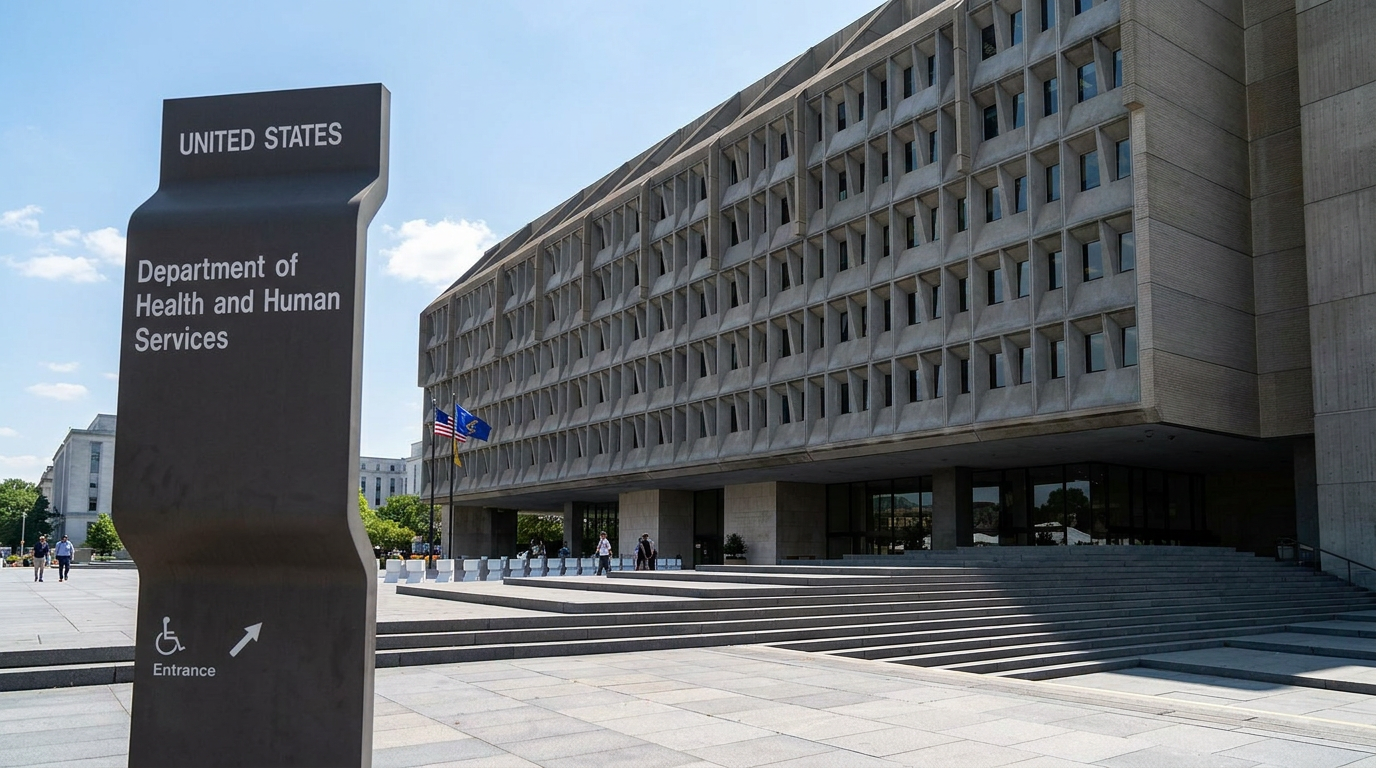
The federal government is transferring management of special education programs from the Department of Education to Health and Human Services, sparking intense backlash from disability advocates.
By Factlen Editorial Team
- Disability Rights Advocates
- Warn that the shift segregates special education and subjects vulnerable students to a harmful medical model of disability.
- Trump Administration
- Argues the reorganization will cut bureaucratic red tape and deliver more efficient services to families.
- Policy & Medical Experts
- Highlight the severe logistical risks of the transfer and the scientific inaccuracies in the new leadership's past statements.
What's not represented
- · General Education Teachers
- · State-Level Education Administrators
Why this matters
This reorganization affects the federal funding and civil rights enforcement for 7.5 million public school students with disabilities. By moving oversight to a health agency led by an official with a history of autism misinformation, the shift fundamentally alters how the government approaches neurodiversity and classroom inclusion.
Key points
- The Trump administration is transferring oversight of federal special education programs from the Department of Education to Health and Human Services.
- The shift utilizes interagency agreements to bypass the need for immediate congressional approval.
- Disability advocates warn the move pushes a 'medical model' that treats disability as a diagnosis rather than an educational need.
- The appointment of HHS Secretary Robert F. Kennedy Jr. has alarmed autistic self-advocates due to his history of promoting debunked autism theories.
- Education policy experts fear the transfer will disrupt the distribution of $14.2 billion in annual funding to local school districts.
The Trump administration has finalized a sweeping interagency agreement to transfer federal oversight of special education programs from the Department of Education to the Department of Health and Human Services (HHS). The move, announced Tuesday, fundamentally restructures how the federal government administers services for millions of students with disabilities, bypassing the need for immediate congressional approval by utilizing interagency memorandums.[2][6]
Under the new arrangement, HHS will assume day-to-day management of grants authorized under the Individuals with Disabilities Education Act (IDEA) and the Rehabilitation Act of 1973. While the Department of Education will technically retain its statutory responsibilities on paper, HHS will handle the actual distribution of funds, manage competitions, and provide technical assistance to schools across the country.[5]
Simultaneously, the administration announced that the Education Department’s Office for Civil Rights will transfer its enforcement duties, including student privacy protection and desegregation advisory services, to the Department of Justice (DOJ). Education Secretary Linda McMahon framed the reorganization as a necessary step to scale back federal micromanagement while bolstering the efficacy of essential oversight.[2][3]
The scale of the programs being transferred is massive. IDEA is one of the federal government's largest educational grant programs, distributing approximately $14.2 billion annually to help schools pay for special education services. During the 2022–2023 school year, 7.5 million students—representing roughly 15% of all public school students in the United States—received services under the law.[1][7]

Administration officials argue the shift will streamline bureaucracy and improve life outcomes. HHS Secretary Robert F. Kennedy Jr. stated that the partnership will "better align federal resources" and deliver more effective support for individuals with disabilities from early childhood through their transition into the workforce. White House allies have characterized the reorganization as a common-sense reform that consolidates fragmented federal services.[2][5][6]
However, the announcement has triggered immediate and fierce backlash from disability rights organizations, educators, and civil rights groups. Advocates warn that removing special education from the Department of Education reverses decades of progress in integrating students with disabilities into general education classrooms.[4][5]
However, the announcement has triggered immediate and fierce backlash from disability rights organizations, educators, and civil rights groups.
A primary concern among advocates is the shift toward a "medical model" of disability. Organizations like The Arc of the United States argue that IDEA is fundamentally an education law, not a healthcare law. They caution that placing school-based accommodations under the purview of a health agency treats disability as a medical diagnosis to be managed or cured, rather than a natural part of human diversity that requires educational support.[4][5][6]
The controversy is heavily compounded by the administration's choice of leadership. The programs will now fall under the ultimate oversight of HHS Secretary Robert F. Kennedy Jr., a figure who has spent over a decade promoting debunked theories linking childhood vaccines to autism.[4][9]

Kennedy has frequently referred to rising autism diagnosis rates as a "tragedy" and pledged to uncover the "cause" of the neurodevelopmental condition. Medical journals, including The BMJ, have recently had to retract several older studies cited by Kennedy to support his claims due to fundamental methodological flaws.[8][9]
Autistic self-advocates have expressed deep alarm over the transfer. Approximately 13% of students served under IDEA are categorized as having autism. Representatives from the Autistic Self-Advocacy Network stated they do not feel safe having their educational accommodations overseen by an official who has historically framed their existence as a disease to be eradicated, rather than a learning difference to be accommodated.[3][4]
Beyond ideological concerns, education policy experts are warning of severe logistical and legal hurdles. Former Education Department officials note that HHS lacks the established, decades-old relationships with local school districts and state education agencies necessary to monitor compliance and distribute funds smoothly.[1][6]

Critics also question the legality of the maneuver. While the administration is using interagency agreements to bypass the legislative process, Democratic lawmakers and legal scholars argue that transferring the core functions of IDEA violates congressional intent. In late 2025, House Democrats urged the administration to halt the transfers, warning that dismantling the Education Department's key offices requires an act of Congress.[1][6]
The reorganization aligns with the Trump administration's broader, long-stated goal to dismantle the Department of Education entirely—a key objective outlined in conservative policy blueprints like Project 2025. While outright abolition has stalled in a divided Congress, the administration has successfully slashed the department's workforce by more than half through executive actions and layoffs.[4][7]
As the Office of Special Education and Rehabilitative Services begins turning over its duties to HHS, the transition is expected to be fraught with confusion. School districts are now bracing for potential disruptions to their federal funding ahead of the upcoming school year, while advocacy groups prepare for likely legal challenges to halt the transfer.[1][3][6]
How we got here
1975
Congress passes the Education for All Handicapped Children Act (now IDEA), establishing the federal mandate for special education in public schools.
March 2025
President Trump signs an executive order calling for the dismantling of the Department of Education.
February 2026
Education Secretary Linda McMahon floats the idea of moving special education to HHS during her Senate confirmation hearing.
June 16, 2026
The administration officially announces interagency agreements transferring IDEA oversight to HHS and civil rights enforcement to the DOJ.
Viewpoints in depth
Trump Administration
Argues that the reorganization will cut bureaucratic red tape and deliver more efficient services to families.
Administration officials, including Education Secretary Linda McMahon and HHS Secretary Robert F. Kennedy Jr., maintain that the Department of Education has become bloated and inefficient. By moving special education to HHS and civil rights enforcement to the DOJ, they argue the federal government can better align its resources and focus on outcomes rather than micromanagement. Supporters view this as a necessary step to consolidate fragmented federal programs and fulfill the president's promise to reduce the federal education bureaucracy.
Disability Rights Advocates
Warn that the shift segregates special education and subjects vulnerable students to a harmful medical model of disability.
Advocacy groups like The Arc and the National Down Syndrome Congress argue that the Individuals with Disabilities Education Act is fundamentally an education law designed to ensure classroom inclusion. They fear that moving oversight to a health agency will treat students as patients needing treatment rather than learners requiring accommodations. Furthermore, self-advocacy groups are deeply alarmed by RFK Jr.'s leadership, citing his history of promoting autism misinformation and framing neurodivergence as a disease to be cured.
Education Policy Experts
Highlight the severe logistical and legal risks of transferring billions in grants without congressional approval.
Former Education Department officials and legal scholars warn that HHS lacks the institutional infrastructure and established relationships with local school districts required to manage $14 billion in annual IDEA grants. They argue that attempting to bypass Congress through interagency agreements violates legislative intent and risks massive funding disruptions for the 7.5 million students who rely on these federal dollars.
What we don't know
- Whether federal courts will grant injunctions to halt the interagency agreements before the next school year begins.
- How HHS plans to establish the necessary relationships with local school districts to monitor compliance and distribute grants.
- If Congress will intervene or attempt to block the transfer of funds between the agencies.
Key terms
- Individuals with Disabilities Education Act (IDEA)
- The primary federal law ensuring that students with disabilities receive a free appropriate public education tailored to their individual needs.
- Medical Model of Disability
- A framework that views disability as a medical condition or defect that needs to be fixed or cured, rather than a natural variation of human diversity.
- Interagency Agreement (IAA)
- A written agreement between two federal agencies to pool resources or transfer the administration of specific programs without requiring new legislation.
- Office for Civil Rights (OCR)
- The federal sub-agency responsible for enforcing civil rights laws in schools, which is being transferred from the Education Department to the Department of Justice.
Frequently asked
What exactly is changing with special education?
The federal oversight and day-to-day management of special education grants under IDEA are being transferred from the Department of Education to the Department of Health and Human Services (HHS).
Will students lose their special education services?
The administration states that students' legal rights and services will not change. However, advocates and school districts worry that the bureaucratic transfer could disrupt the distribution of federal funding that pays for these services.
Why are autism advocates specifically concerned?
HHS is led by Robert F. Kennedy Jr., who has a long history of promoting debunked theories linking vaccines to autism. Autistic self-advocates fear his leadership will push a medical model focused on "curing" autism rather than providing educational accommodations.
Does this mean the Department of Education is closing?
Not entirely, as officially abolishing the department requires an act of Congress. However, the administration is using interagency agreements to strip the department of its core functions and has significantly reduced its workforce.
Sources
Source coverage
9 outlets
3 viewpoints surfaced









[1]Education WeekPolicy & Medical Experts
Trump Says RFK Jr. Will Oversee Special Education, Child Nutrition
Read on Education Week →[2]U.S. Department of EducationTrump Administration
ED and HHS: Special Education and Rehabilitative Services Partnership
Read on U.S. Department of Education →[3]ChalkbeatDisability Rights Advocates
Education Secretary Linda McMahon tried to reassure parents that a special education overhaul will help students with disabilities
Read on Chalkbeat →[4]Mother JonesDisability Rights Advocates
Trump Is Putting RFK Jr. in Charge of Special Education. Autistic People Are Terrified.
Read on Mother Jones →[5]Disability ScoopDisability Rights Advocates
Ed Department Strikes Deal To Offload Special Education
Read on Disability Scoop →[6]The 19thDisability Rights Advocates
Trump administration moves special education to HHS, civil rights to DOJ
Read on The 19th →[7]ForbesPolicy & Medical Experts
Trump Wants To Move Special Ed To HHS Under RFK Jr. What Might Happen?
Read on Forbes →[8]TIMEPolicy & Medical Experts
The Trump Administration Is Cutting Autism Funding Even as RFK Jr. Spotlights the Issue
Read on TIME →[9]The BMJPolicy & Medical Experts
Vaccination: RFK Jr cited autism link studies are retracted as Trump doubles down on recommendation changes
Read on The BMJ →

More in news politics
See all 5 stories →US-Iran Relations
US-Iran Peace Talks Postponed as Israel-Hezbollah Clashes Shatter Ceasefire
8 sources

Iran Nuclear Deal
The U.S.-Iran Peace Framework and the 60-Day Race to Secure a Nuclear 'Blind Spot'
8 sources

Guaranteed Income
Fact-Checking the Guaranteed Income Pilots: What the Data Actually Shows
7 sources

Every angle. Every day.
Get news politics stories with full source coverage and perspective breakdowns delivered to your inbox.