
How Deep Sleep Physically Washes the Brain: The Science of the Glymphatic System
Scientists have mapped how the brain uses slow-wave sleep to flush out metabolic waste through a specialized fluid network. Understanding this "glymphatic" clearance process offers actionable ways to protect long-term cognitive health and improve daily focus.
By Factlen Editorial Team
- Neuroscience Researchers
- Focus on the mechanical and biological pathways of brain clearance and neurodegeneration.
- Clinical Sleep Specialists
- Focus on behavioral interventions and sleep architecture optimization for immediate health benefits.
- Factlen Editorial Analysis
- Synthesizes the biological mechanisms with actionable health takeaways for the general public.
What's not represented
- · Patients suffering from chronic insomnia who struggle to achieve slow-wave sleep naturally
- · Developers of commercial sleep-tracking wearables whose algorithms estimate these sleep stages
Why this matters
For decades, sleep was viewed merely as a period of rest, but new imaging reveals it is an active, mechanical cleaning cycle for the brain. Optimizing the specific phase of sleep where this washing occurs can dramatically improve daily cognitive function and lower the risk of neurodegenerative diseases.
Key points
- The brain uses a specialized plumbing network called the glymphatic system to flush out metabolic waste.
- This cleaning process occurs almost exclusively during slow-wave (deep) sleep.
- During deep sleep, brain cells shrink by up to 60%, allowing cerebrospinal fluid to wash through the tissue.
- Adults need roughly 1.5 to 2 hours of deep sleep per night for optimal cognitive maintenance.
- Lowering bedroom temperature and avoiding alcohol are proven ways to protect this critical sleep phase.
The feeling of waking up with a "clear head" is not just a metaphor. Over the past decade, neuroscientists have discovered that the brain physically washes itself during the deepest phases of sleep. For generations, sleep was largely understood as a passive state of rest—a time when the body simply powered down to conserve energy. However, advanced imaging technologies have revealed that sleep is actually a highly active, mechanical maintenance cycle. During this time, the brain initiates a complex biological process to clear out the toxic byproducts that accumulate during waking hours. This paradigm shift in neuroscience has profound implications for how we view daily rest, transforming it from a luxury into a critical pillar of long-term cognitive preservation.[1][6]
Unlike the rest of the body, the brain lacks a traditional lymphatic system to clear out cellular waste. The lymphatic system is the body's primary waste-clearance network, filtering toxins from organs and tissues. Because the brain is isolated by the blood-brain barrier, scientists long puzzled over how it managed its own metabolic trash. The answer lies in a unique plumbing network known as the glymphatic system, a term coined to describe its reliance on glial cells and its functional similarity to the lymphatic system. This specialized pathway is designed specifically to manage the intense energy demands and subsequent waste production of neural tissue.[2]
During waking hours, brain cells are highly active, consuming vast amounts of energy to process information, regulate the body, and facilitate complex thought. This relentless metabolic activity produces byproducts, including a sticky protein known as amyloid-beta. As these proteins accumulate throughout the day, they can create a subtle "brain fog" effect, diminishing focus and cognitive processing speed. More concerningly, the long-term buildup of amyloid-beta and other neurotoxins is heavily associated with the development of neurodegenerative conditions. Clearing these proteins efficiently is essential for maintaining both immediate mental acuity and long-term neurological health.[3]
The magic of the glymphatic system is that it does not operate continuously; it is fundamentally tied to our sleep architecture. When a person enters slow-wave sleep—often referred to as deep sleep—the brain's physical structure undergoes a remarkable transformation. Glial cells, the supportive cells that surround neurons, actually shrink in size. This cellular contraction is a mechanical trigger, signaling the brain that it is time to begin the nightly washing cycle. Without this physical change in the brain's landscape, the clearance process cannot occur effectively.[1][2]

This cellular shrinkage expands the interstitial space—the gaps between brain cells—by up to 60 percent. With these pathways dramatically widened, cerebrospinal fluid (CSF) rushes into the brain tissue. The CSF mixes with the interstitial fluid, acting like a biological dishwasher. It sweeps through the newly expanded channels, dissolving and flushing out the accumulated amyloid-beta and other metabolic waste products. The waste is then carried out of the brain and into the body's circulatory system, where it is ultimately processed and eliminated by the liver.[1][5]
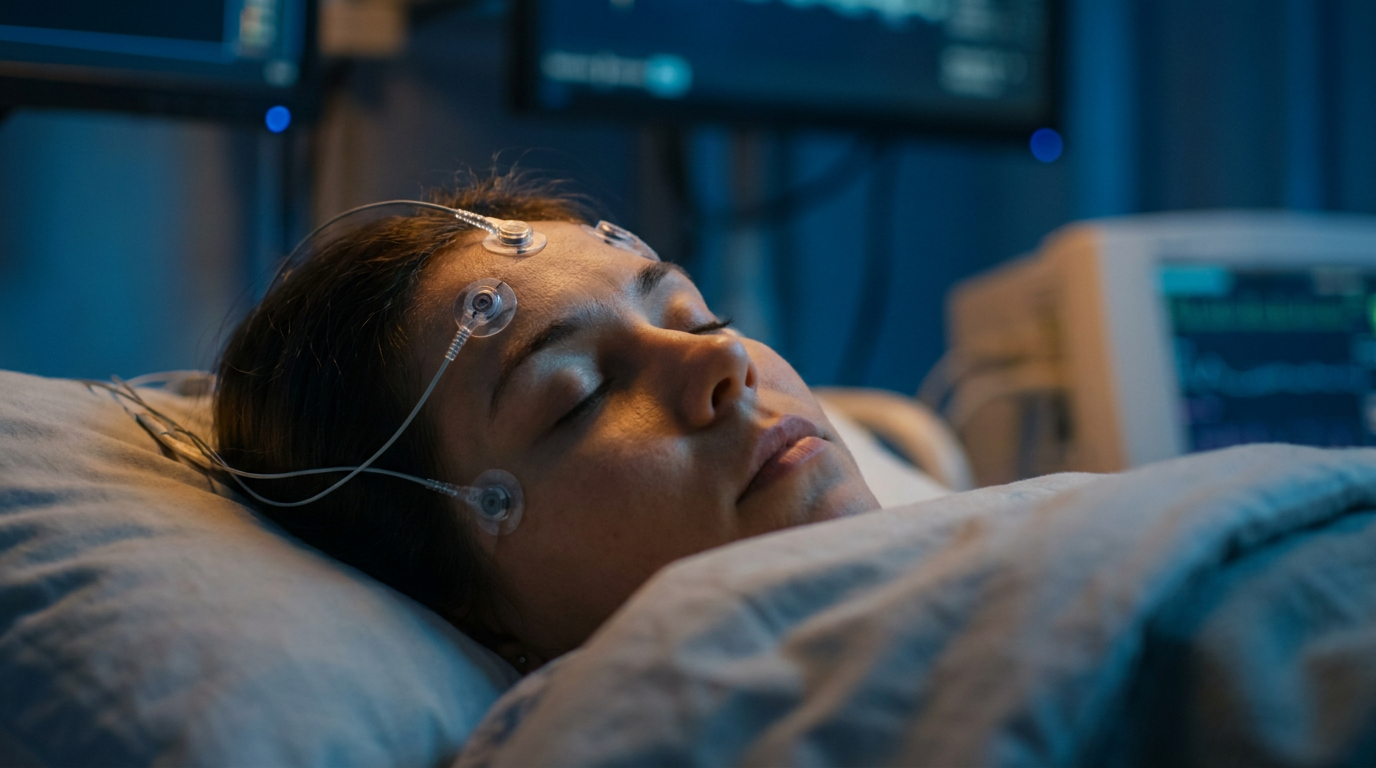
Researchers using advanced magnetic resonance imaging (MRI) and electroencephalogram (EEG) tracking have managed to capture this extraordinary process in real-time. They observed a mesmerizing, synchronized rhythm: slow electrical brain waves are immediately followed by a decrease in blood volume in the brain. As the blood recedes, it creates a pressure vacuum that draws in a massive, pulsing wave of cerebrospinal fluid to wash the neural tissue. This rhythmic pulsing ensures that the fluid penetrates deep into the brain, reaching areas that would otherwise be inaccessible.[5]
Crucially, this washing mechanism does not operate at full capacity during all stages of sleep. It is highly dependent on slow-wave sleep, which typically occurs in the first half of the night. During lighter stages of sleep or the rapid eye movement (REM) phase, the brain's electrical activity resembles waking states, and the glymphatic clearance slows down significantly. Therefore, achieving the right balance of sleep stages—often referred to as sleep architecture—is just as important as the total number of hours spent in bed.[4]
Crucially, this washing mechanism does not operate at full capacity during all stages of sleep.
For the average adult, slow-wave sleep should account for roughly 10 to 20 percent of total sleep time. In a standard eight-hour night, this translates to about 1.5 to 2 hours of deep, restorative sleep. However, modern lifestyles, stress, and environmental factors frequently disrupt this delicate balance. Many individuals may sleep for an adequate duration but fail to reach or maintain the deep sleep necessary for optimal glymphatic function, leading to chronic, low-level accumulation of neural waste.[4][6]

The consequences of interrupting this cycle are immediate and measurable. If sleep is fragmented or artificially shortened, the brain misses its critical cleaning window. Studies have shown that even a single night of sleep deprivation can lead to a measurable spike in amyloid-beta levels the following morning. Over years and decades, chronic sleep deprivation compounds this effect, potentially accelerating structural changes in the brain and increasing vulnerability to cognitive decline. This underscores why treating sleep disorders like sleep apnea is vital for long-term health.[3]
Understanding this biological mechanism empowers individuals to actively optimize their sleep architecture through targeted behavioral changes. Because deep sleep is physiologically triggered by a drop in core body temperature, the sleeping environment plays a massive role. Keeping the bedroom cool—ideally around 65 degrees Fahrenheit (18 degrees Celsius)—can significantly facilitate the onset and maintenance of slow-wave sleep. A cooler room mimics the natural temperature drop of nighttime, signaling to the brain that it is safe to enter its deepest, most vulnerable state.[3][6]
Consistency in sleep timing also plays a vital role in maximizing the glymphatic system's efficiency. The brain's circadian clock anticipates the cleaning cycle, preparing the cellular environment in advance. Going to bed and waking up at wildly different times disrupts this synchronization. When the circadian rhythm is misaligned, the electrical waves that drive the fluid flow become less coordinated, resulting in a less effective wash. Maintaining a strict sleep schedule anchors the biological clock, ensuring the cleaning cycle triggers precisely when needed.[4]
Chemical interventions, particularly alcohol, are notorious for sabotaging this process. While alcohol is a potent sedative that can induce unconsciousness rapidly, it fundamentally alters sleep architecture by suppressing slow-wave sleep. It fragments the sleep cycle, meaning the brain may rest, but the deep, synchronized electrical waves required to pump the cerebrospinal fluid never fully materialize. Consequently, the brain does not effectively wash itself, which largely explains the cognitive sluggishness and brain fog associated with a hangover.[3][6]

While the mechanics of the glymphatic system are becoming clearer, researchers are still investigating how this network changes as we age. Older adults naturally experience less slow-wave sleep, and their glymphatic clearance appears to become less efficient. Scientists are working to determine whether this age-related decline is an inevitable part of aging or if it is a modifiable risk factor that can be mitigated through aggressive lifestyle interventions, targeted therapies, or advanced neuro-stimulation techniques.[2][5]
At the frontier of this research, scientists are exploring whether non-invasive technologies can artificially enhance the brain's natural cleaning cycle. One promising avenue is acoustic stimulation—playing specific frequencies of "pink noise" in sync with the brain's electrical activity during the night. Early clinical trials suggest that this targeted audio can actually amplify slow brain waves, potentially boosting the volume of cerebrospinal fluid pumped through the tissue. While long-term efficacy remains an open question, it represents a fascinating intersection of biology and technology.[4][6]
Ultimately, viewing sleep as an active, mechanical maintenance process fundamentally shifts the paradigm of personal health. It moves the conversation away from merely resting a tired body to actively preserving the structural integrity of the brain. Prioritizing the quality, depth, and consistency of sleep is not a luxury or a sign of weakness; it is a biological necessity. By protecting our slow-wave sleep, we are quite literally washing our minds, ensuring they remain sharp, resilient, and healthy for decades to come.[1][3][6]
How we got here
2012
Researchers at the University of Rochester formally identify and name the "glymphatic system" in mice.
2013
Studies confirm that the brain's interstitial space expands significantly during sleep to allow fluid flow.
2019
Advanced MRI and EEG imaging captures the synchronized waves of blood and cerebrospinal fluid washing the human brain during non-REM sleep.
2023
Clinical consensus solidifies around the link between fragmented slow-wave sleep and the accumulation of amyloid-beta proteins.
Present
Research shifts toward developing non-invasive technologies, like acoustic stimulation, to enhance the brain's natural cleaning cycle.
Viewpoints in depth
Neuroscience Researchers
Focus on the mechanical and biological pathways of brain clearance.
This camp views sleep primarily through the lens of fluid dynamics and cellular maintenance. They emphasize that the discovery of the glymphatic system fundamentally changes our understanding of neurodegenerative diseases, suggesting that poor sleep is not just a symptom of cognitive decline, but a potential mechanical cause due to failed waste clearance over decades.
Clinical Sleep Specialists
Focus on behavioral interventions and sleep architecture optimization.
Clinicians prioritize actionable ways to increase slow-wave sleep. They argue that while the biological mechanisms are fascinating, the immediate public health goal should be improving sleep hygiene—such as regulating bedroom temperature, reducing alcohol intake, and maintaining consistent circadian schedules to maximize the brain's natural washing cycle.
Longevity and Biohacking Advocates
Focus on experimental methods to artificially enhance deep sleep.
This community is aggressively pursuing technologies to optimize the glymphatic process. They experiment with acoustic stimulation (pink noise), temperature-controlled mattress pads, and advanced wearable trackers to push slow-wave sleep metrics beyond natural baselines, though mainstream researchers caution that these methods need more rigorous long-term validation.
What we don't know
- Whether artificially enhancing slow-wave sleep through acoustic stimulation provides the same long-term benefits as natural deep sleep.
- The exact degree to which age-related decline in the glymphatic system can be reversed or slowed by behavioral interventions.
- How different classes of prescription sleep medications specifically impact the efficiency of cerebrospinal fluid flow.
Key terms
- Glymphatic System
- The brain's unique waste clearance pathway that uses cerebrospinal fluid to flush out metabolic byproducts during sleep.
- Slow-Wave Sleep
- The deepest phase of non-REM sleep, characterized by synchronized, low-frequency electrical brain waves.
- Cerebrospinal Fluid (CSF)
- The clear fluid that surrounds the brain and spinal cord, acting as a cushion and a medium for waste removal.
- Amyloid-Beta
- A metabolic waste protein produced by brain cell activity that can form harmful plaques if not regularly cleared.
- Glial Cells
- Support cells in the brain that regulate the flow of fluid by shrinking during deep sleep to widen clearance pathways.
Frequently asked
Can I catch up on deep sleep by napping?
Short naps primarily consist of light sleep. To reach the slow-wave sleep necessary for glymphatic clearance, the brain typically requires a longer, uninterrupted sleep cycle.
Does alcohol help you get deep sleep?
No. While alcohol is a sedative that can help you fall asleep faster, it actively suppresses slow-wave sleep and fragments the sleep cycle, preventing the brain from washing itself effectively.
How do I know if I'm getting enough deep sleep?
Waking up feeling unrefreshed or experiencing persistent "brain fog" are common indicators. Many modern wearable fitness trackers can also provide a reasonable estimate of your sleep architecture.
Sources
Source coverage
6 outlets
3 viewpoints surfaced






[1]National Institutes of Health (NIH)Neuroscience Researchers
How sleep clears the brain
Read on National Institutes of Health (NIH) →[2]Nature NeuroscienceNeuroscience Researchers
Glymphatic pathway clearance is enhanced during sleep
Read on Nature Neuroscience →[3]Harvard Medical SchoolClinical Sleep Specialists
The Connection Between Sleep and Brain Health
Read on Harvard Medical School →[4]Sleep Research SocietyClinical Sleep Specialists
Slow-wave sleep and cerebrospinal fluid dynamics
Read on Sleep Research Society →[5]ScienceNeuroscience Researchers
Coupled electrophysiological, hemodynamic, and cerebrospinal fluid oscillations in human sleep
Read on Science →[6]Factlen Editorial TeamFactlen Editorial Analysis
Synthesis by Factlen editorial team
Read on Factlen Editorial Team →

More in health
See all 6 stories →Metabolic Health
The Science of Zone 2 Training: Why the Slowest Workouts May Be the Secret to Longevity
6 sources

Longevity Science
The Rise of Senolytics: How Clearing 'Zombie Cells' Could Transform Aging
7 sources
Vaccine Tech
FDA Committee Unanimously Backs First mRNA Flu Vaccine Following Landmark Trial
7 sources
Brain Health
Why Scientists Are Repurposing a Popular Muscle Supplement for Brain Health
7 sources

Every angle. Every day.
Get health stories with full source coverage and perspective breakdowns delivered to your inbox.