
The Rise of 'Exercise Mimetics': How New Longevity Drugs Aim to Replicate the Benefits of a Workout
Biotech companies are advancing a new class of drugs designed to activate the body's cellular energy sensors, offering the metabolic benefits of exercise without the muscle loss associated with current weight-loss medications.
By Factlen Editorial Team
- Geroscience Researchers
- Scientists focused on targeting the molecular hallmarks of aging to extend human healthspan.
- Public Health Advocates
- Experts focused on population-level health outcomes and the accessibility of preventative medicine.
- Fitness & Lifestyle Experts
- Professionals advocating for holistic, movement-based approaches to longevity.
What's not represented
- · Patients currently experiencing sarcopenic obesity
- · Physical therapists treating drug-induced muscle loss
Why this matters
As GLP-1 weight-loss drugs face scrutiny for causing muscle atrophy, exercise mimetics represent the next frontier in preventative medicine. If successful, these compounds could halt physical decline in the elderly and bedridden by providing the cellular benefits of movement to those who cannot physically exercise.
Key points
- Exercise mimetics are experimental drugs designed to activate the cellular pathways normally triggered by a physical workout.
- Unlike GLP-1 weight-loss drugs, which often cause muscle loss, exercise mimetics aim to burn fat while preserving lean muscle mass.
- These drugs target AMPK, a master metabolic sensor that increases energy expenditure and mitochondrial growth.
- Experts caution that no pill can replace the mechanical benefits of real exercise, such as increased bone density and tendon strength.
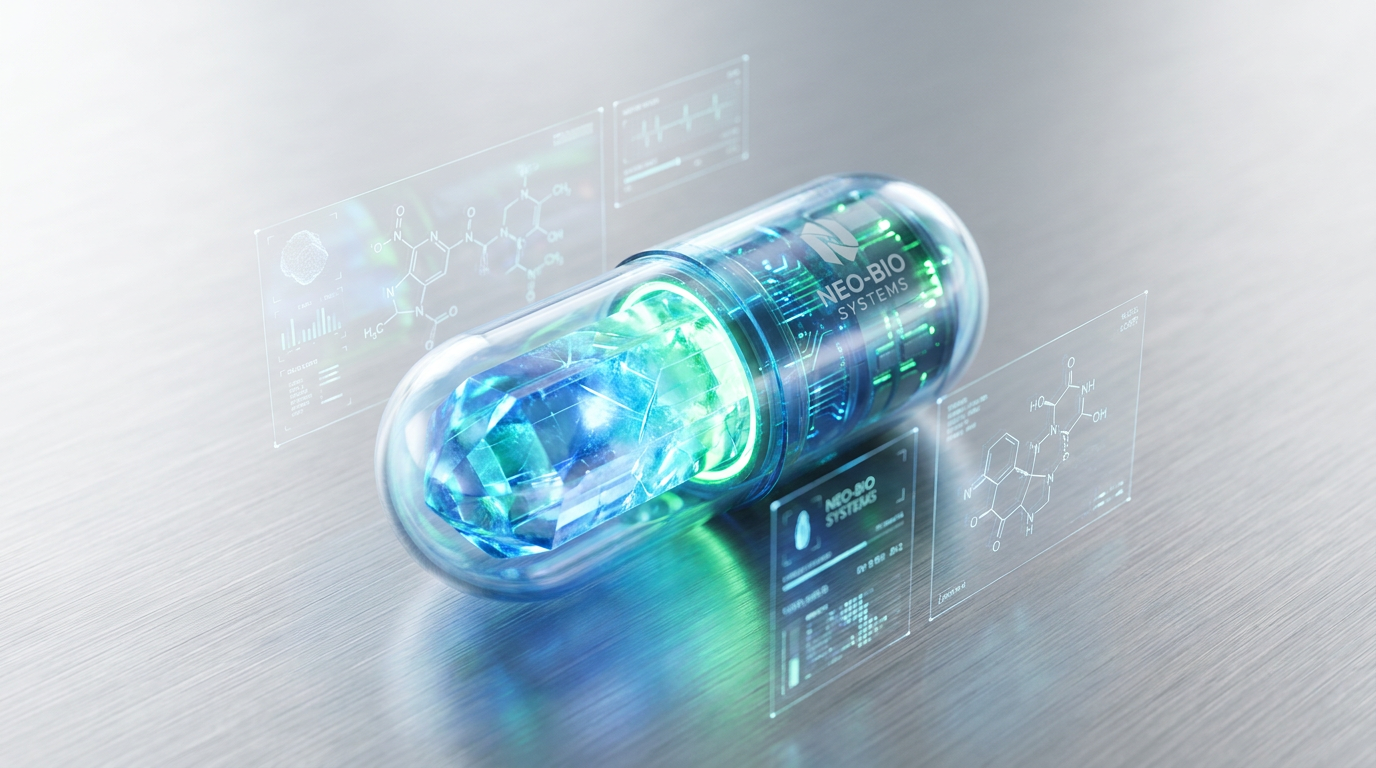
The holy grail of preventative medicine has long been the concept of "exercise in a pill." For decades, the idea of swallowing a daily capsule to gain the cardiovascular and metabolic benefits of a five-mile run sounded like pure science fiction, relegated to the realm of biohacker fantasy. But a new class of experimental drugs, known in the biotechnology industry as "exercise mimetics," is rapidly moving from theoretical biology into active clinical development. These compounds promise to fundamentally alter how we treat aging, obesity, and physical decline by speaking directly to the body's cellular energy sensors.[8]
The latest catalyst in this space is an experimental longevity drug from Cambrian Biopharma, which recently made headlines for its ability to mimic the molecular effects of a rigorous workout. Unlike traditional weight-loss medications that primarily target the brain's hunger centers, this novel compound targets the specific cellular pathways that are naturally activated by physical exertion. By doing so, it aims to deliver the metabolic rewards of exercise to patients who haven't even broken a sweat.[1]
The timing of this scientific breakthrough is critical, as the medical world is currently grappling with the unintended consequences of blockbuster GLP-1 agonists like Ozempic and Wegovy. While these revolutionary drugs are undeniably effective at reducing appetite and driving massive weight loss, they come with a significant and increasingly alarming catch: the simultaneous loss of lean muscle mass. When patients eat drastically less, their bodies consume both fat and muscle for fuel.[2][8]
A recent study presented at the Endocrine Society's 2026 annual meeting highlighted the severity of this growing concern. Researchers tracking adults on GLP-1 medications found that patients significantly decreased their daily physical activity after starting the treatment. Average daily steps fell from over 5,000 to roughly 4,400, and minutes of moderate-to-vigorous activity dropped noticeably, exacerbating the loss of crucial muscle tissue during their weight-loss journey.[2]

This phenomenon, known in the medical community as sarcopenic obesity, is particularly dangerous for aging populations. When older patients lose skeletal muscle, their resting metabolic rate drops, their bone density weakens, and they become significantly more prone to frailty, falls, and loss of independence. The ideal therapeutic intervention would burn excess visceral fat while actively preserving—or even building—metabolically active muscle tissue.[3]
This is exactly the physiological state that exercise mimetics aim to induce. To understand how these experimental drugs work, one must first look at the microscopic cellular mechanics of a real physical workout. When a person runs, swims, or lifts weights, their contracting muscles rapidly consume adenosine triphosphate (ATP), which serves as the primary energy currency for all cellular functions.[4]
As this ATP is rapidly depleted during exercise, the cellular levels of a metabolic byproduct called AMP begin to rise. This shifting ratio of energy molecules triggers a biochemical alarm bell inside the muscle tissue, awakening a master metabolic sensor known as AMP-activated protein kinase, or simply AMPK. This enzyme acts as the central command station for the body's energy management system.[4]
When AMPK is activated by physical exertion, it forces the cell into a state of metabolic overdrive to survive the perceived energy crisis. It signals the body to immediately stop storing excess calories as fat and to start burning existing lipid stores for immediate fuel. Simultaneously, it stimulates the creation of new mitochondria—the microscopic powerhouses of the cell—effectively increasing the body's overall energy expenditure and endurance capacity.[4]

Cambrian Biopharma's experimental drug, currently known as ATX-304, is precisely designed to artificially activate this exact AMPK pathway. By chemically tricking the body's sensors into believing it is undergoing rigorous exercise, the drug increases the patient's resting metabolic rate. It forces the body to burn through energy reserves without requiring the patient to move a muscle or consciously reduce their daily caloric intake.[1]
Cambrian Biopharma's experimental drug, currently known as ATX-304, is precisely designed to artificially activate this exact AMPK pathway.
In preclinical animal models, the results of this AMPK activation have been striking. Mice treated with the experimental compound lost as much total body weight as those treated with leading GLP-1 drugs, but the composition of that weight loss was entirely different. The weight lost by the mice on the exercise mimetic was pure fat, while their metabolically active muscle tissue was completely preserved, offering a stark contrast to the muscle-wasting effects of appetite suppressants.[1][8]
However, manipulating the body's ancient energy sensors is a delicate biochemical balancing act that carries inherent risks. The AMPK pathway exists in a constant, evolutionary tug-of-war with another crucial cellular mechanism known as mTOR (mammalian target of rapamycin). While AMPK is focused on breaking down energy stores to survive stress, mTOR governs protein synthesis, cellular growth, and the building of new tissue.[3]
Exercise naturally and seamlessly cycles between these two opposing states. During the actual workout, the physical stress activates AMPK to burn energy and temporarily suppresses mTOR. But during the recovery phase after the workout, the body downregulates AMPK and heavily activates mTOR to repair micro-tears and build stronger, denser muscle fibers.[3][4]
Disrupting this elegant natural cycle with constant pharmaceutical intervention can have highly unexpected consequences. A landmark 2026 study published in the Journal of Cachexia, Sarcopenia and Muscle demonstrated this biological paradox perfectly when testing rapamycin, a famous mTOR inhibitor that is widely used off-label by biohackers as an experimental longevity and anti-aging drug.[5]
The researchers initially anticipated that giving older, sedentary adults a low weekly dose of rapamycin would synergistically enhance the physical benefits of a newly prescribed exercise program. Instead, the pharmaceutical intervention actually blunted their physical gains. The volunteers taking the longevity drug gained significantly less strength and physical function from the exercise program than the control group taking a simple placebo.[5][6]

This surprising outcome underscores the immense complexity of the "exercise in a pill" concept. A drug that constantly activates AMPK or continuously suppresses mTOR might be incredibly effective at burning fat and clearing out cellular waste, but it could also severely interfere with the body's natural ability to repair, adapt, and strengthen muscle fibers after actual physical activity.[6][8]
Furthermore, medical experts and physiologists caution that absolutely no pill will ever be able to fully replicate the systemic, mechanical benefits of real physical exercise. The sheer mechanical stress of physical movement is required to increase bone density, strengthen connective tendons, improve the elasticity of the cardiovascular system, and release the complex cascade of endorphins that drastically boost mental health.[8]
Researchers from Harvard Health recently reiterated the irreplaceable value of actual movement, noting that adding just five to ten minutes of vigorous daily activity can prevent up to ten percent of premature deaths over an eight-year period. The holistic, full-body effects of a brisk walk or a short swim extend far beyond the simple biochemical equations of energy expenditure and fat oxidation.[7]
Therefore, the true medical promise of exercise mimetics is not to serve as a convenient gym replacement for the average, able-bodied adult looking for a shortcut. Instead, these powerful drugs represent a vital lifeline for those who physically cannot exercise: the frail elderly, the bedridden, patients recovering from major orthopedic surgery, or those with severe cardiovascular limitations.[8]

For these highly vulnerable populations, a safe and effective AMPK activator could successfully halt the devastating, compounding cycle of muscle atrophy and metabolic decline. It could theoretically provide the biochemical and mitochondrial benefits of a brisk daily walk to a patient who is permanently confined to a hospital bed or a wheelchair.[8]
As these fascinating compounds move closer toward human clinical trials, they mark a profound and optimistic shift in the landscape of preventative medicine. Rather than simply treating the downstream symptoms of metabolic disease with blunt instruments, modern geroscience is finally learning to speak the body's own intricate language of vitality, energy management, and cellular resilience.[8]
How we got here
1990s
Researchers first identify AMPK as the master metabolic switch activated by exercise and energy depletion.
2008
Early experimental compounds like GW1516 demonstrate the ability to boost endurance in mice, but are later abandoned due to safety concerns.
2021
The rise of GLP-1 agonists revolutionizes weight loss but highlights the critical issue of drug-induced muscle atrophy.
April 2026
A landmark human trial reveals that the longevity drug rapamycin can unexpectedly blunt the physical gains of an exercise program.
June 2026
Cambrian Biopharma advances ATX-304, a novel exercise mimetic designed to burn fat while preserving muscle mass.
Viewpoints in depth
Geroscience Researchers
Scientists focused on targeting the molecular hallmarks of aging to extend human healthspan.
This camp views exercise mimetics as a critical tool for decoupling the metabolic benefits of physical activity from the mechanical act of movement. By directly targeting the AMPK pathway, they believe we can reverse mitochondrial decline and treat sarcopenic obesity at the cellular level, offering a systemic metabolic reset rather than just a weight-loss solution.
Public Health Advocates
Experts focused on population-level health outcomes and the accessibility of preventative medicine.
Public health officials emphasize that these drugs should be prioritized for vulnerable populations—such as the elderly, the bedridden, or those with severe cardiovascular limitations—who physically cannot exercise. They caution against framing these compounds as a 'gym replacement' for healthy adults, noting that no pill can replicate the bone density improvements, cardiovascular elasticity, and mental health benefits of actual movement.
Fitness & Lifestyle Experts
Professionals advocating for holistic, movement-based approaches to longevity.
This group remains highly skeptical of pharmaceutical shortcuts. They point to recent trials showing that longevity drugs like rapamycin can actually blunt the muscular gains of a real workout. They argue that the human body requires mechanical stress to maintain structural integrity, and that the psychological benefits of overcoming physical challenges cannot be synthesized in a laboratory.
What we don't know
- Whether exercise mimetics can safely elevate the resting metabolic rate in humans without causing cardiovascular strain or overheating.
- How these experimental drugs will interact with existing metabolic medications or traditional exercise routines over the long term.
- If the mitochondrial benefits observed in animal models will translate to meaningful improvements in human frailty and lifespan.
Key terms
- Exercise Mimetic
- A pharmaceutical compound that replicates the physiological and metabolic benefits of physical exercise without actual movement.
- AMPK
- An enzyme that serves as the body's master energy sensor, triggering fat burning and mitochondrial growth when cellular energy is low.
- mTOR
- A cellular pathway that regulates protein synthesis and cell growth, playing a key role in building muscle after exercise.
- Sarcopenic Obesity
- A medical condition characterized by the simultaneous loss of skeletal muscle mass and the accumulation of excess body fat.
- Mitochondria
- The powerhouses of the cell responsible for generating the energy needed for cellular functions.
Frequently asked
What is an exercise mimetic?
It is a class of experimental drugs designed to artificially activate the cellular pathways normally triggered by physical exertion, such as the AMPK energy sensor.
Will these drugs replace the need to go to the gym?
No. While they can mimic the metabolic fat-burning effects of a workout, they cannot replicate the mechanical benefits of exercise, such as stronger bones, tougher tendons, and improved mental health.
How do these differ from drugs like Ozempic?
Current GLP-1 weight-loss drugs work primarily by reducing appetite, which often leads to the loss of both fat and lean muscle. Exercise mimetics aim to increase energy expenditure, burning fat while preserving muscle.
Why did the longevity drug rapamycin blunt exercise benefits?
Rapamycin suppresses mTOR, a cellular pathway responsible for protein synthesis and muscle growth. By inhibiting this pathway, the drug interfered with the body's natural ability to rebuild muscle after a workout.
Sources
Source coverage
8 outlets
3 viewpoints surfaced







[1]STAT NewsGeroscience Researchers
STAT+: Cambrian’s experimental longevity drug mimics exercise
Read on STAT News →[2]Endocrine SocietyPublic Health Advocates
GLP-1 users decrease physical activity and lose lean muscle mass
Read on Endocrine Society →[3]Aging and DiseaseGeroscience Researchers
Targeting the AMPK/mTOR signaling nexus in sarcopenic obesity
Read on Aging and Disease →[4]National Institutes of HealthGeroscience Researchers
AMPK: A metabolic sensor and exercise mimetic target
Read on National Institutes of Health →[5]The Washington PostFitness & Lifestyle Experts
This 'longevity drug' may weaken gains from exercise
Read on The Washington Post →[6]RealClearScienceFitness & Lifestyle Experts
Promising Longevity Drug Might Blunt Exercise Benefits
Read on RealClearScience →[7]Harvard HealthPublic Health Advocates
Even small changes in physical activity may boost longevity
Read on Harvard Health →[8]Factlen Editorial TeamPublic Health Advocates
Synthesis by Factlen editorial team
Read on Factlen Editorial Team →

More in health
See all 6 stories →Longevity Science
The Evidence Behind Blue Zones: What the Data Actually Says About Extreme Longevity
7 sources

Oncology
How Precision Medicine and mRNA Are Winning the 50-Year War on Cancer
6 sources

Cancer Research
How the 'War on Cancer' Transformed Survival Rates Over 50 Years
6 sources
Treatment Guidelines
The Evidence Pack: Why Exercise is Now a First-Line Prescription for Depression
6 sources

Every angle. Every day.
Get health stories with full source coverage and perspective breakdowns delivered to your inbox.