
U.S. and Iran Open High-Stakes Peace Talks in Switzerland: What to Know
U.S. and Iranian delegations have arrived in Switzerland to negotiate the technical details of a preliminary peace agreement aimed at ending a 15-week regional war.
By Factlen Editorial Team
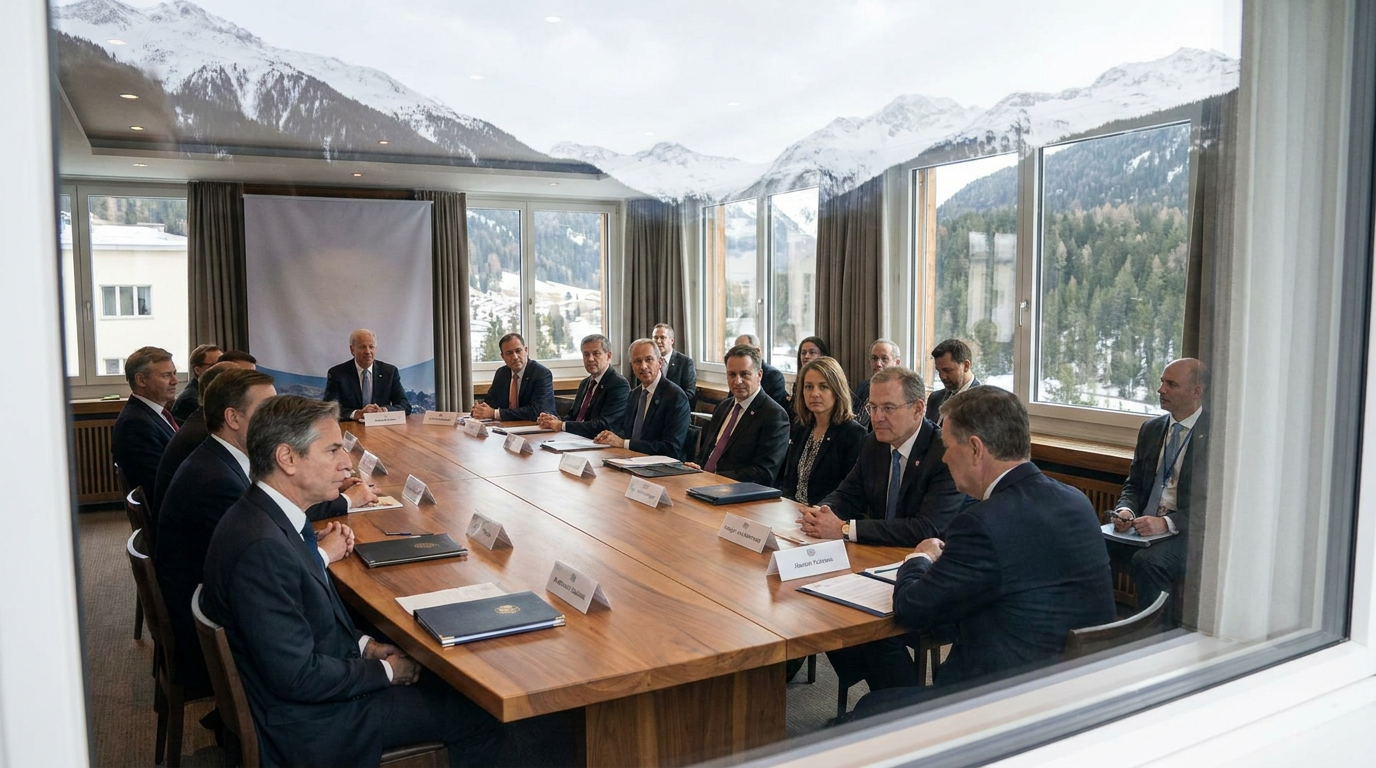
- U.S. Diplomatic Effort
- Focuses on the mechanics of the negotiations, the 60-day window, and the administration's push to stabilize oil markets.
- Global Security Consensus
- Emphasizes the fragility of the ceasefire, the threat to the Strait of Hormuz, and the broader geopolitical stakes.
- Israeli Security Establishment
- Highlights Israel's refusal to be bound by the Lebanon ceasefire and domestic anger over the premature end to the war.
- Critical Analysts
- Argues that the preliminary deal represents a strategic failure for Israeli leadership and a concession to Iranian resilience.
What's not represented
- · Lebanese civilians affected by the ongoing cross-border strikes
- · Global shipping companies navigating the Strait of Hormuz
Why this matters
The outcome of these 60-day negotiations will determine whether the Middle East avoids a broader regional war, dictate the flow of global oil through the Strait of Hormuz, and shape the future of Iran's nuclear ambitions. Failure to reach a technical agreement could immediately plunge the region back into a devastating conflict and trigger a renewed global energy crisis.
Key points
- U.S. and Iranian delegations are meeting in Switzerland to negotiate the technical details of a preliminary peace agreement.
- The talks are operating under a strict 60-day window established by the Islamabad Memorandum.
- Negotiators must resolve disputes over Iran's nuclear program, sanctions relief, and the reopening of the Strait of Hormuz.
- Ongoing fighting between Israel and Hezbollah in Lebanon threatens to derail the fragile diplomatic process.
- Israel is not a party to the talks and maintains it is not bound by the ceasefire in Lebanon.
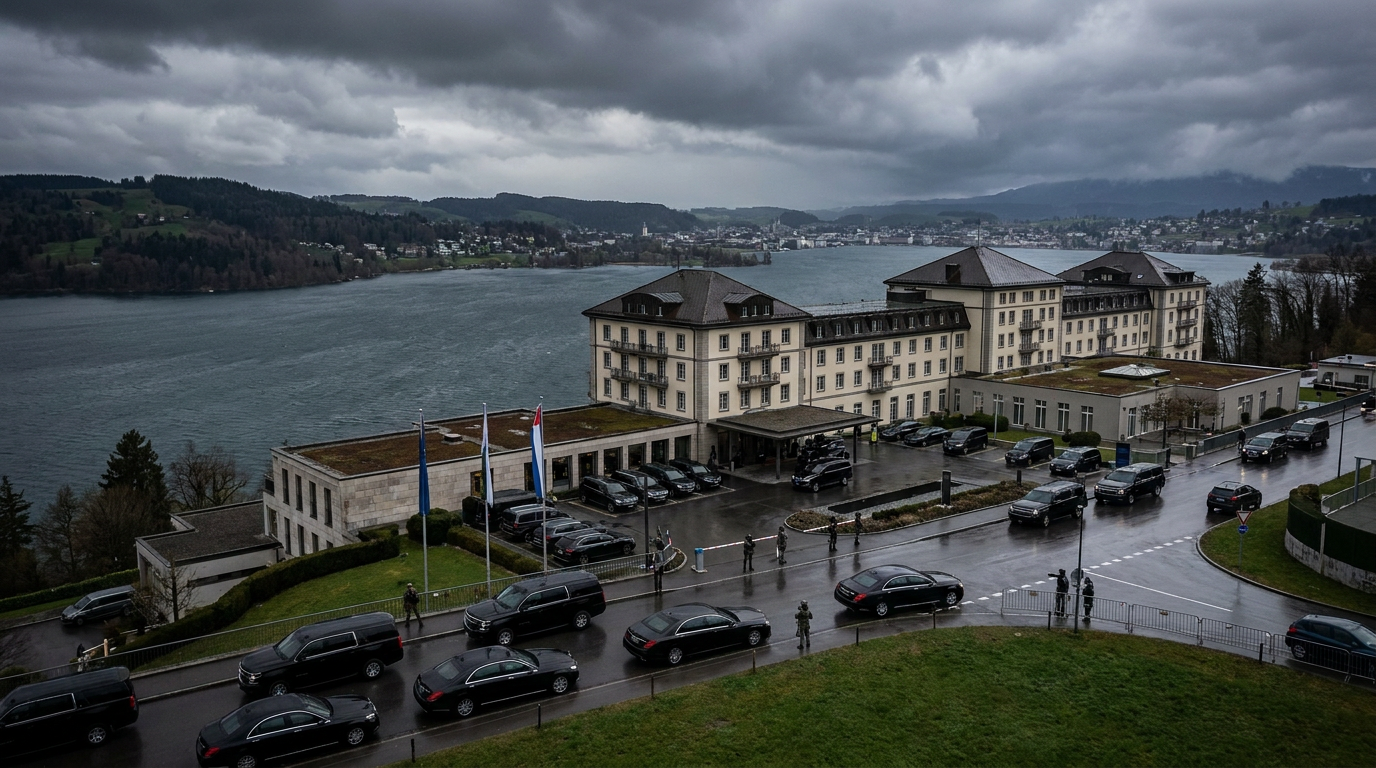
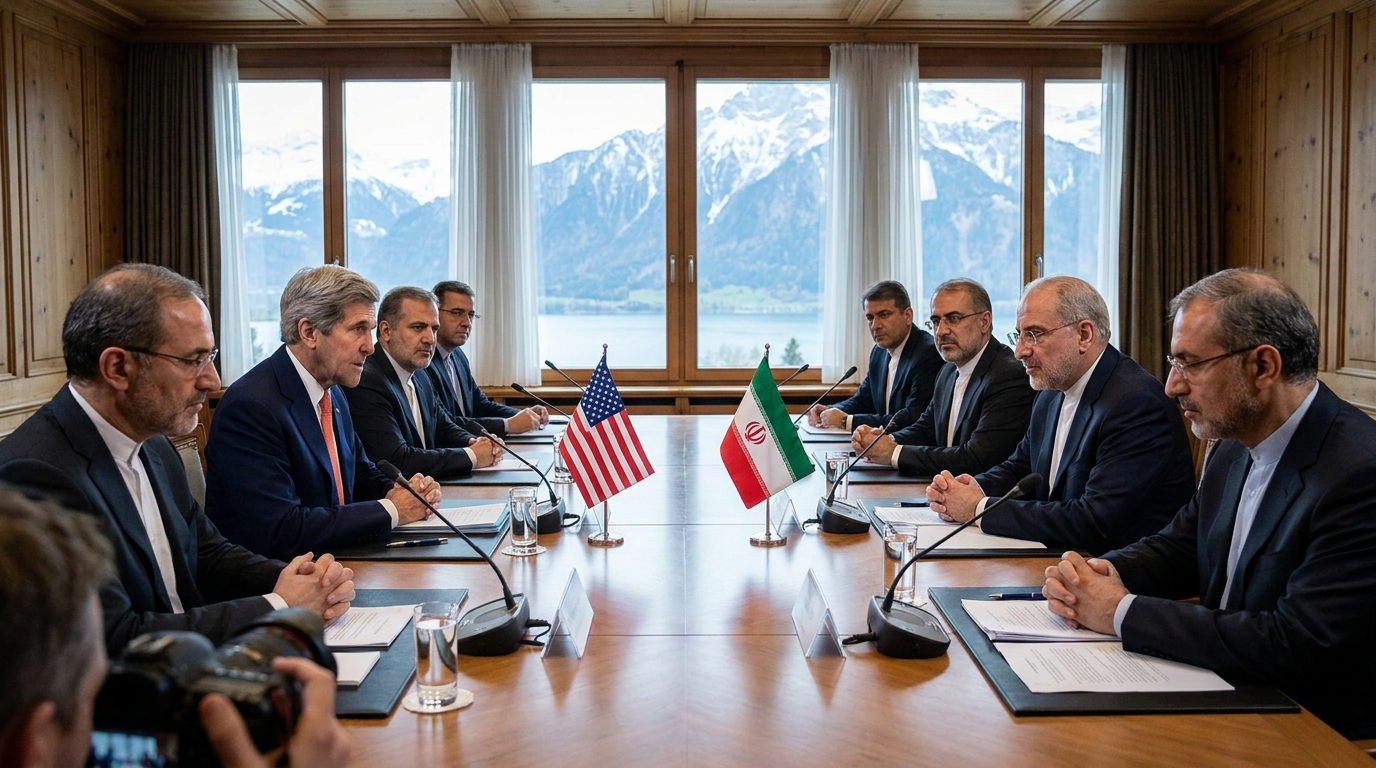
The United States and Iran have opened a critical phase of negotiations at the Bürgenstock resort in Switzerland, marking the first face-to-face technical talks since Washington and Tehran signed a preliminary memorandum of understanding on June 15 to halt a 15-week regional war. The arrival of senior U.S. leadership, alongside special envoys, underscores the urgency of the diplomatic effort as both nations attempt to solidify a fragile truce that has temporarily paused direct military confrontation.[1][2][4]
The Iranian delegation landed in Zurich late Saturday to begin the structured dialogue. The talks, mediated heavily by Qatari and Pakistani officials, are designed to convert a brief, one-and-a-half-page ceasefire document into a comprehensive geopolitical settlement. Negotiators are tasked with establishing specialized working groups to handle the granular details of the agreement, ensuring that the broad political commitments made last week can be translated into actionable, verifiable policy shifts over the coming months.[5][7]
The mechanism driving these negotiations is a strict 60-day diplomatic sprint. Under the terms of the "Islamabad Memorandum," both sides have exactly two months to resolve deeply entrenched disputes over Iran's nuclear program, the lifting of a U.S. naval blockade, and the unfreezing of billions of dollars in Iranian assets. This tight window places immense pressure on the technical teams, who must draft a binding treaty while navigating the volatile political realities in both Washington and Tehran, where hardliners remain deeply skeptical of the peace process.[4][8]

The most immediate global stake is the status of the Strait of Hormuz, a vital maritime chokepoint that transits roughly 20 percent of the world's traded oil. Iran had effectively blockaded the strait during the height of the conflict, sending international energy markets into turmoil and threatening global supply chains. The preliminary agreement mandates toll-free commercial passage through the waterway for the 60-day negotiation window, though Tehran has repeatedly threatened to reimpose closures if its economic and security demands are not met during the Swiss talks.[4][5]
The core of the technical talks will center on the future of Iran's nuclear infrastructure. The United States and Israel launched their initial military campaign in late February with the stated goal of degrading Tehran's nuclear capabilities. Now, American negotiators are seeking verifiable, long-term commitments from Iran to dilute its stockpiles of highly enriched uranium, which are believed to be housed in subterranean facilities that survived the springtime airstrikes. Establishing a robust inspection and compliance regime will be a primary hurdle for the U.S. delegation.[4][6]
In exchange for these nuclear concessions, Iran is demanding sweeping and immediate economic relief. Tehran's negotiators are pushing for the phased removal of international sanctions, the lifting of the U.S. naval blockade, and access to billions in frozen foreign reserves. U.S. officials have indicated that a final deal could include a substantial sanctions relief package and potentially a reconstruction fund, though the exact financial mechanisms and the timeline for releasing funds remain a primary subject of debate within the Swiss working groups.[4][8]

In exchange for these nuclear concessions, Iran is demanding sweeping and immediate economic relief.
However, the diplomatic process is already being severely tested by ongoing violence in the Levant. The talks were originally slated to begin on Friday but were abruptly delayed after a surge in cross-border fighting between Israel and the Iran-backed militant group Hezbollah in southern Lebanon. The flare-up forced negotiators to pause their travel plans and highlighted the fragility of the preliminary agreement, demonstrating how easily proxy conflicts could derail the broader effort to secure a lasting peace between Washington and Tehran.[2][5]
The Lebanon front represents a major structural vulnerability in the U.S.-Iran framework. While Washington and Tehran have agreed to halt direct military hostilities, the preliminary deal's application to regional proxy conflicts remains fiercely contested. Iran insists that the ceasefire must encompass all fronts, including southern Lebanon, and has warned that continued Israeli military operations against Hezbollah could jeopardize the entire memorandum of understanding, potentially prompting Tehran to walk away from the negotiating table entirely and resume its blockade of the Strait of Hormuz.[5][8]
Israel, which is not a direct party to the Swiss negotiations, has fiercely resisted efforts to link its northern military operations to the broader U.S.-Iran pact. Israeli Prime Minister Benjamin Netanyahu has publicly stated that his government does not consider itself bound by the agreement's requirement for a permanent termination of the war in Lebanon. Israeli officials maintain that they must retain the freedom to operate against Hezbollah to secure their northern border, regardless of the diplomatic timeline established in Switzerland.[6][8]

Netanyahu's domestic political position has become increasingly precarious in the wake of the preliminary deal. Facing intense criticism from across the Israeli political spectrum, the prime minister has attempted to frame the 15-week military campaign as a historic success that saved Israel from "nuclear annihilation." However, political rivals and security analysts argue that the war ended prematurely without achieving its strategic objectives, leaving Iran's proxy network intact and exposing Israel to continued rocket fire from Lebanon, while straining the crucial alliance with the United States.[3][6][8]
The U.S. administration faces its own domestic pressures as it attempts to finalize the treaty. The White House has championed the preliminary agreement as a decisive victory that will stabilize global oil prices and extract the U.S. from a costly Middle Eastern conflict. Yet, hardliners have sharply criticized the framework, comparing it unfavorably to past nuclear deals and warning against funneling billions of dollars to the Iranian government without securing a total dismantlement of its nuclear and ballistic missile programs.[3][4]
To manage these overlapping crises, the Swiss talks will feature dedicated emergency sessions. Diplomats have reportedly added the Israel-Hezbollah conflict to the top of the agenda, marking a notable shift in U.S. strategy as negotiators attempt to compartmentalize the proxy violence from the core nuclear and economic discussions. By addressing the Lebanon issue immediately, mediators hope to prevent the localized fighting from collapsing the broader negotiations before the technical working groups can even begin their detailed assessments of uranium enrichment levels and sanctions architecture.[5]

The role of international mediators will be crucial in bridging the deep deficit of trust between Washington and Tehran. Pakistani and senior Qatari diplomats are actively shuttling between the delegations, attempting to establish a reliable communication channel. These intermediaries are essential for resolving procedural disputes and ensuring that the technical working groups can outlast the initial day or two of high-level political meetings, providing a stable environment for the arduous 60-day drafting process that lies ahead.[2][7]
Ultimately, the success of the Bürgenstock summit hinges on whether technical experts can translate broad political commitments into verifiable actions. With the 60-day clock ticking, negotiators must find a delicate formula that satisfies Iran's demand for economic rehabilitation while providing the United States and its regional allies with concrete, enforceable assurances that Tehran's nuclear program remains strictly civilian. Failure to reach a comprehensive agreement threatens to plunge the region back into a devastating war and trigger a renewed global energy crisis.[4][7]
How we got here
Late February 2026
The U.S. and Israel launch a joint military campaign against Iran, targeting its nuclear infrastructure.
Spring 2026
Iran retaliates by activating its regional proxy network and effectively blockading the Strait of Hormuz, triggering a global energy crisis.
June 15, 2026
The U.S. and Iran sign the 'Islamabad Memorandum,' a preliminary ceasefire agreement establishing a 60-day negotiation window.
June 19, 2026
Initial technical talks in Switzerland are delayed due to a surge in fighting between Israel and Hezbollah in Lebanon.
June 21, 2026
U.S. and Iranian officials arrive at the Bürgenstock resort to officially launch the technical negotiations.
Viewpoints in depth
The U.S. Administration's View
The administration views the preliminary agreement as a decisive victory that halts a costly war and stabilizes global energy markets.
U.S. negotiators are focused on securing verifiable commitments to dismantle Iran's highly enriched uranium stockpiles. The administration argues that the 60-day window provides the diplomatic leverage needed to permanently neutralize Tehran's nuclear weapons capability without requiring a protracted ground invasion, while simultaneously reopening the Strait of Hormuz to ease domestic economic pressures.
The Israeli Government's View
Israeli leadership remains deeply skeptical of the diplomatic process, arguing that the U.S. ended the military campaign prematurely.
Prime Minister Benjamin Netanyahu maintains that the 15-week war successfully prevented Israel's 'nuclear annihilation,' but insists Israel is not bound by the ceasefire's terms regarding Hezbollah in Lebanon. Israeli officials fear the deal will funnel billions of dollars to Tehran through sanctions relief while leaving its proxy network intact, exposing Israel to continued security threats on its borders.
The Iranian Government's View
Tehran frames the ceasefire as a strategic victory and is demanding immediate economic relief in exchange for nuclear compliance.
Iranian negotiators are demanding the immediate and permanent lifting of the U.S. naval blockade, sweeping sanctions relief, and access to frozen assets. They maintain that their nuclear program is strictly civilian and have threatened to walk away from the talks—and re-close the Strait of Hormuz—if Israel continues its military operations in Lebanon, insisting the ceasefire must apply to all regional fronts.
What we don't know
- Whether Iran will agree to verifiable inspections of its subterranean nuclear facilities.
- The exact financial mechanism the U.S. will use to provide the promised sanctions relief.
- How Israel's ongoing military operations against Hezbollah in Lebanon will impact the broader ceasefire.
Key terms
- Islamabad Memorandum
- The preliminary ceasefire agreement signed by the U.S. and Iran in June 2026, mediated by Pakistan, which paused the 15-week war.
- Strait of Hormuz
- A narrow waterway between the Persian Gulf and the Gulf of Oman through which a significant portion of the world's petroleum passes.
- Highly Enriched Uranium
- Uranium that has been processed to contain a high concentration of the U-235 isotope, which can be used to construct nuclear weapons if enriched to weapons-grade levels.
- Naval Blockade
- A military operation in which ships are used to prevent vessels from entering or leaving a nation's ports, utilized by the U.S. against Iran during the conflict.
Frequently asked
What is the Islamabad Memorandum?
It is a preliminary ceasefire agreement signed on June 15, 2026, by the U.S. and Iran to halt a 15-week regional war. It establishes a 60-day window to negotiate a final peace treaty.
Why is the Strait of Hormuz important to this deal?
The Strait of Hormuz is a vital maritime chokepoint that handles roughly 20% of the world's traded oil. The preliminary deal requires it to remain open for commercial traffic during the 60-day negotiation period.
Is Israel participating in the Swiss talks?
No. Israel is not a direct party to the U.S.-Iran negotiations and has stated it is not bound by the agreement's terms regarding its ongoing military operations against Hezbollah in Lebanon.
What are the main sticking points in the negotiations?
The primary hurdles include the verifiable dilution of Iran's highly enriched uranium, the timeline for U.S. sanctions relief, and whether the ceasefire applies to proxy conflicts in places like southern Lebanon.
Sources
Source coverage
8 outlets
4 viewpoints surfaced








[1]Fox NewsU.S. Diplomatic Effort
JD Vance arrives in Switzerland to join Kushner and Witkoff for new round of Iran negotiations
Read on Fox News →[2]The New York TimesGlobal Security Consensus
Mideast Live Updates: New Round of U.S.-Iran Talks Set to Start in Switzerland
Read on The New York Times →[3]The GuardianCritical Analysts
Trump may survive the humiliation of the Iran deal. Netanyahu will not
Read on The Guardian →[4]Associated PressU.S. Diplomatic Effort
US Vice President JD Vance arriving in Switzerland to launch talks with Iran on its nuclear program
Read on Associated Press →[5]CBS NewsGlobal Security Consensus
Live Updates: JD Vance heads to Switzerland to accelerate peace talks as Iran threatens to close Strait of Hormuz
Read on CBS News →[6]The Times of IsraelIsraeli Security Establishment
Netanyahu distances himself but avoids criticizing US-Iran deal, claims war's main goals have been achieved
Read on The Times of Israel →[7]AxiosU.S. Diplomatic Effort
Trump envoys arrive in Switzerland for Iran talks planned for Sunday
Read on Axios →[8]PBS NewsHourIsraeli Security Establishment
Israelis angry over U.S.-Iran peace deal lash out at Netanyahu
Read on PBS NewsHour →
More in news politics
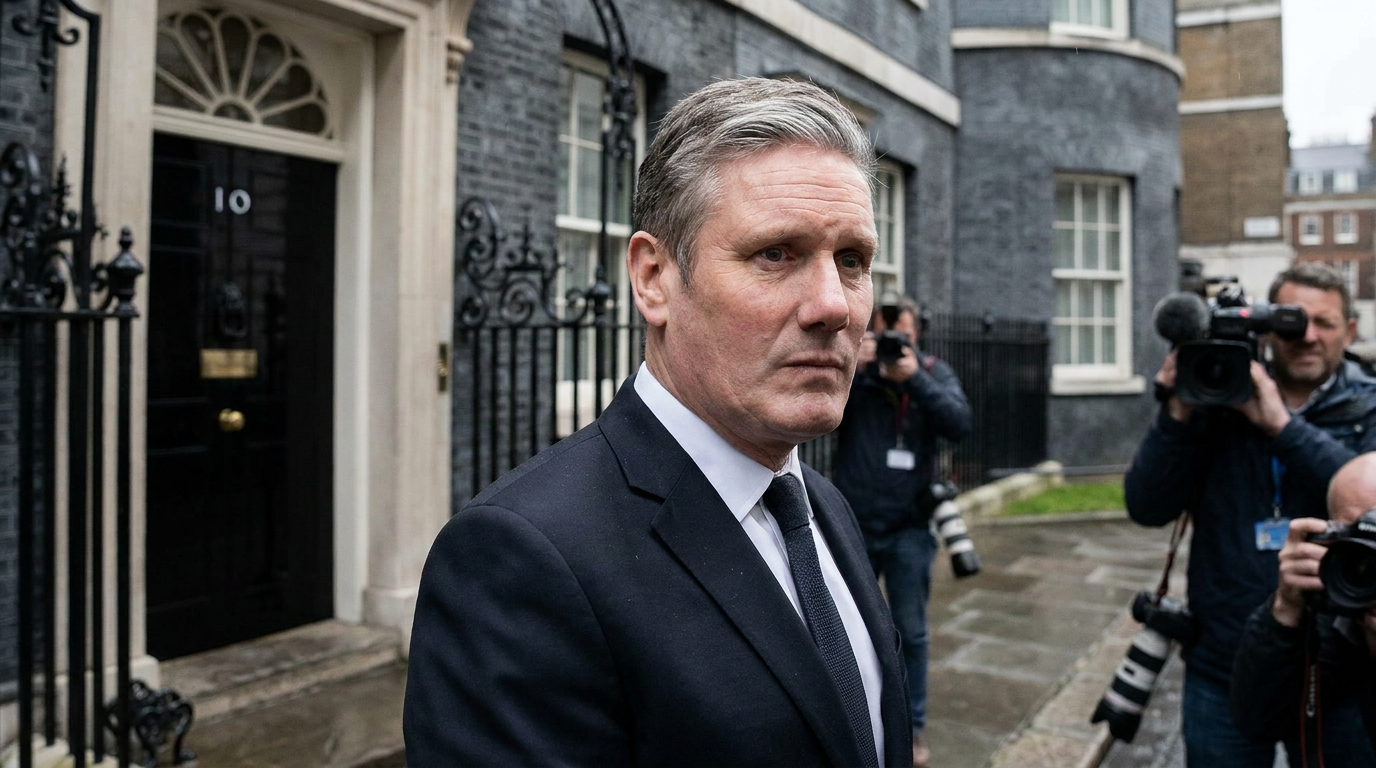
See all 6 stories →UK Government
UK Prime Minister Keir Starmer Expected to Resign Amid Party Pressure
7 sources
Peace Negotiations
US and Iranian Delegations Open High-Stakes Peace Talks in Switzerland
8 sources
Labour Leadership
Keir Starmer Expected to Resign as UK Prime Minister Amid Labour Mutiny
6 sources
Misinformation Defense
Fact-Checking the 'Cognitive Vaccine': Does Prebunking Actually Stop Misinformation?
6 sources

Every angle. Every day.
Get news politics stories with full source coverage and perspective breakdowns delivered to your inbox.