
The New US Immigration Overhaul: A Guide to the Dignity Act and the Public Charge Rule Reversal
In 2026, the U.S. immigration system is undergoing a massive structural shift. A new bipartisan bill offers legal status to millions of undocumented workers, while a reversed Public Charge rule tightens financial requirements for new applicants.
By Factlen Editorial Team
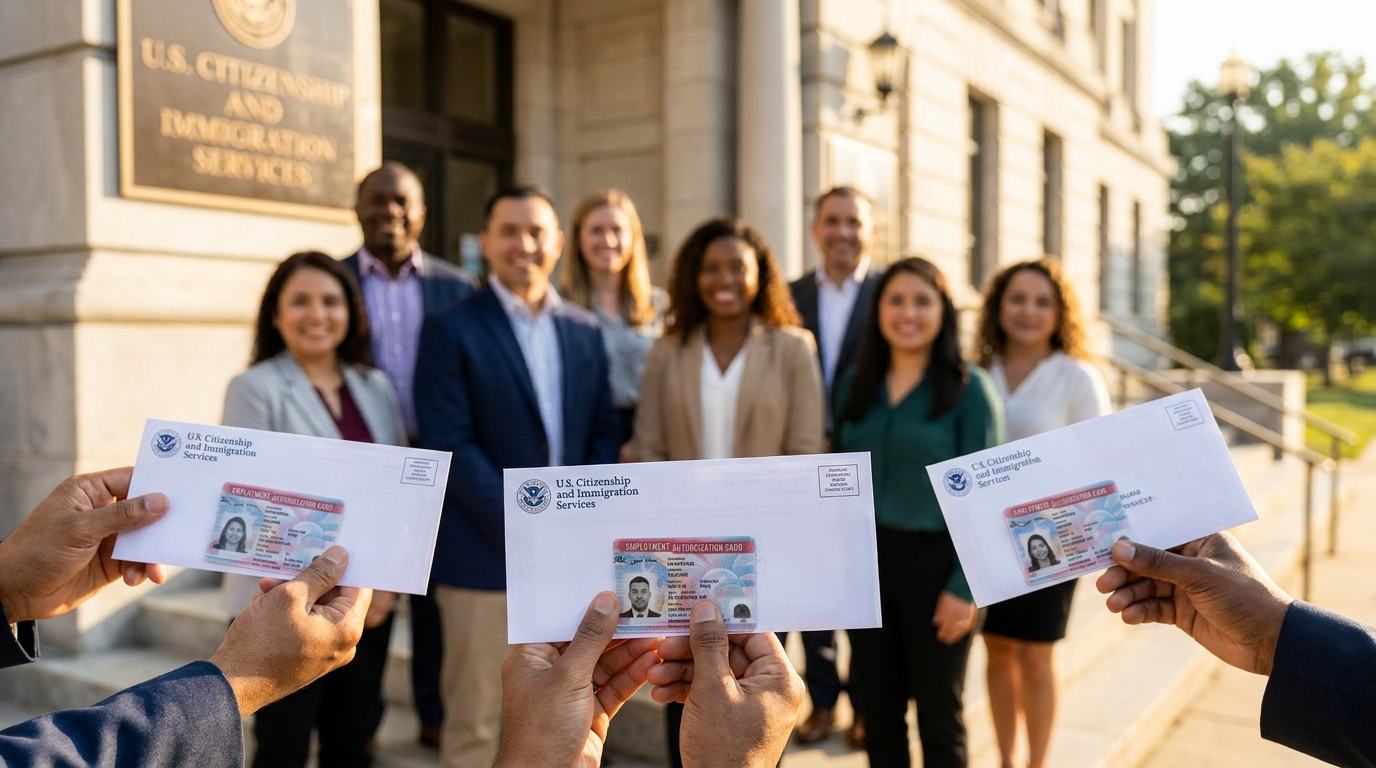
- Bipartisan Lawmakers
- Argue that the Dignity Act is a pragmatic compromise that secures the border while bringing the undocumented workforce out of the shadows.
- Business & Industry Leaders
- Support the legislation for providing a stable, legal workforce to address chronic labor shortages in construction and agriculture.
- Immigrant Rights Advocates
- Criticize the Dignity Act for creating a permanent second-class status without citizenship, and oppose the stricter Public Charge rule.
- Immigration Attorneys
- Focus on the practical compliance burdens, advising clients to prepare for heightened scrutiny and expanded vetting under the new rules.
What's not represented
- · Local Municipal Governments
- · Public Health Providers
Why this matters
These dual changes fundamentally rewrite the rules for living and working in the United States. Whether you are an employer hiring new staff, an undocumented resident seeking legal status, or a family sponsoring a relative, these new requirements will directly dictate your legal and financial obligations.
Key points
- The bipartisan Dignity Act offers a 7-year renewable legal status to undocumented immigrants who arrived before 2021.
- Applicants must pass background checks and pay $7,000 in restitution, but receive no path to citizenship.
- The bill mandates nationwide E-Verify for all employers to prevent the hiring of unauthorized workers.
- A separate administrative reversal of the Public Charge rule restores broad discretion to immigration officers.
- Visa applicants face heightened scrutiny over their age, health, and potential use of non-cash public benefits.
The U.S. immigration system is undergoing its most sweeping legislative and administrative overhaul in nearly forty years. After decades of gridlock, Washington has moved to simultaneously address chronic labor shortages, border security, and the legal status of millions of long-term residents.[7]
In 2026, two major pillars are reshaping the landscape for workers, families, and employers: the bipartisan Dignity Act advancing through Congress, and a sweeping administrative reversal of the "Public Charge" rule by the Department of Homeland Security.[1][4]
Together, these changes represent a grand, if complex, compromise. They offer unprecedented legal protections and work authorizations for long-term undocumented residents, while simultaneously tightening the financial requirements for new legal immigrants and mandating strict interior enforcement.[1][5]
The centerpiece of the legislative overhaul is the Dignity Act (H.R. 4393), spearheaded by Representatives Maria Elvira Salazar (R-FL) and Veronica Escobar (D-TX). The bill represents the first serious bipartisan attempt to modernize the immigration system since the early 2000s.[1][8]
The bill's flagship initiative is the "Dignity Program," which offers a seven-year, indefinitely renewable legal status to undocumented immigrants who have resided in the United States since before December 31, 2020.[1][3]

To qualify for this status, applicants must pass a rigorous criminal background check, remain employed or enrolled in school, and pay $7,000 in restitution over the seven-year period, alongside any outstanding taxes.[1][2]
In exchange for meeting these strict requirements, participants receive protection from deportation, explicit work authorization, and the ability to travel freely outside the United States and return legally.[2][8]
However, the legislation includes a significant political compromise: for the general undocumented population, Dignity Status does not provide a pathway to citizenship, nor does it grant access to federal means-tested benefits. This concession was necessary to secure conservative support.[1][3]
This concession was necessary to secure conservative support.
The exception to this rule is the bill's modified Dream Act component, which does offer conditional permanent residency and eventual citizenship to individuals brought to the U.S. as children, provided they meet specific education or military service requirements.[3][8]
For American businesses, particularly in sectors like construction, hospitality, and agriculture that face chronic labor shortages, the Dignity Act provides a stabilized, legal workforce that can operate without the constant threat of disruption.[2][8]
In return for this workforce stability, the legislation mandates the nationwide use of E-Verify, requiring all employers to digitally confirm the legal work status of their new hires, effectively closing the shadow economy.[1][2]

The bill also levies fees on immigrant work authorizations to fund a $70 billion "American Worker Fund," designed to retrain and upskill U.S. citizens for high-demand industries, ensuring domestic workers are not left behind.[2]
While Congress debates the Dignity Act, the executive branch has fundamentally altered the legal immigration process through the 2026 reversal of the Public Charge rule, affecting those applying for visas and green cards.[4][5]
The Department of Homeland Security has rescinded the 2022 regulations that strictly limited the definition of a "public charge" to those primarily dependent on government cash assistance or long-term institutional care.[5]
The new 2026 framework restores broad discretion to consular and immigration officers, allowing them to evaluate a wider array of factors—including age, health, English proficiency, and financial history—to determine if an applicant might eventually rely on public resources.[4][5]

This shift means that the use of non-cash benefits, such as housing vouchers or Medicaid, could once again weigh negatively against visa and green card applicants in a subjective "totality of circumstances" test.[5]
How we got here
Dec 2020
The cutoff date for undocumented immigrants to have entered the U.S. to be eligible for the Dignity Program.
2022
The Biden administration finalizes a narrow Public Charge rule, limiting the definition to those dependent on cash assistance.
July 2025
Bipartisan lawmakers reintroduce the updated Dignity Act in the House of Representatives.
Late 2025
The Department of Homeland Security proposes rescinding the 2022 Public Charge rule to restore broader discretion.
2026
The new Public Charge standards take effect, increasing scrutiny on visa and green card applicants.
Viewpoints in depth
The Bipartisan Compromise View
Lawmakers emphasize that the Dignity Act balances border security with economic realism.
Proponents of the Dignity Act argue that the U.S. can no longer afford the status quo of a broken immigration system and a shadow economy. By requiring a $7,000 restitution payment, mandatory background checks, and the implementation of nationwide E-Verify, the bill satisfies conservative demands for law and order. Simultaneously, by offering work authorization and travel protections, it meets progressive demands for humane treatment of long-term residents. Lawmakers view the exclusion of a citizenship pathway for the general undocumented population not as a punishment, but as the necessary political concession required to pass the first major immigration reform in decades.
The Immigrant Advocacy View
Advocates warn that the new policies create a permanent underclass and penalize working-class families.
Immigrant rights organizations express deep reservations about both the Dignity Act and the Public Charge rule reversal. Groups like the National Immigration Law Center argue that the Dignity Program creates a 'permanent second class' of residents who pay taxes and restitution but are barred from federal benefits and the right to vote. Furthermore, advocates warn that the return to a discretionary Public Charge standard will have a chilling effect, frightening legal immigrants away from utilizing essential, non-cash health and housing programs for which they are legally eligible, out of fear that it will jeopardize their visa or green card applications.
The Economic and Employer View
Industry groups focus on the critical need for a stable, verifiable workforce.
For sectors like construction, agriculture, and hospitality, the 2026 immigration overhaul is viewed primarily through the lens of labor economics. Trade associations strongly back the Dignity Act because it provides a reliable, legal workforce at a time of chronic labor shortages. Employers are generally willing to accept the burden of mandatory E-Verify compliance in exchange for the certainty that their workers will not be subject to sudden deportation. Additionally, the creation of the $70 billion American Worker Fund is seen as a vital investment in upskilling the domestic workforce to complement immigrant labor.
What we don't know
- It remains unclear how strictly consular officers will weigh the use of non-cash benefits under the newly discretionary Public Charge standard.
- The exact timeline for the nationwide rollout of mandatory E-Verify and how it will be enforced among small businesses is still being debated.
- Whether the Dignity Act will survive the Senate without amendments that alter the delicate compromise between border security and legal status.
Key terms
- Dignity Status
- A proposed seven-year, indefinitely renewable legal status that provides work authorization and protection from deportation, but no path to citizenship.
- Public Charge
- An immigration term for an individual who is considered likely to become primarily dependent on the government for subsistence.
- E-Verify
- A web-based system that allows enrolled employers to confirm the eligibility of their employees to work in the United States.
- Affidavit of Support
- A legally binding contract signed by a sponsor to accept financial responsibility for an immigrant, ensuring they will not become a public charge.
Frequently asked
Does the Dignity Act provide a path to citizenship?
For the general undocumented population, no. The Dignity Program offers a renewable 7-year legal status and work authorization, but no citizenship path. However, the bill does include a path to citizenship for DACA recipients and those brought to the U.S. as children.
How much does the Dignity Program cost?
Participants must pay $7,000 in restitution over the seven-year period, in addition to paying any outstanding taxes and passing a criminal background check.
What is the Public Charge rule?
It is a test used by immigration officers to determine if a visa or green card applicant is likely to become dependent on the government. The 2026 reversal gives officers broader discretion to deny applicants based on factors like age, health, and the use of non-cash benefits.
Will employers be affected by the Dignity Act?
Yes. The legislation mandates the nationwide use of E-Verify, requiring all U.S. employers to digitally confirm the legal work status of their new hires.
Sources
Source coverage
8 outlets
4 viewpoints surfaced








[1]The Texas TribuneBipartisan Lawmakers
Bipartisan immigration reform bill offers legal status, no citizenship path
Read on The Texas Tribune →[2]U.S. House of RepresentativesBipartisan Lawmakers
Problem Solvers Caucus Endorses the Dignity Act
Read on U.S. House of Representatives →[3]National Immigration Law CenterImmigrant Rights Advocates
Understanding the DIGNITY Act
Read on National Immigration Law Center →[4]ForbesImmigration Attorneys
DHS Proposes Public Charge Rule Reversal
Read on Forbes →[5]National Immigration ForumImmigrant Rights Advocates
Elimination of Existing Public-Charge Regulations
Read on National Immigration Forum →[6]Constangy, Brooks, Smith & PropheteImmigration Attorneys
Expanded Vetting and Travel Restrictions in 2026
Read on Constangy, Brooks, Smith & Prophete →[7]Brookings InstitutionImmigration Attorneys
What 2026 could bring for U.S. migration policy
Read on Brookings Institution →[8]SWACCABusiness & Industry Leaders
Bipartisan Lawmakers Reintroduce Bill with Pathway to Citizenship for Dreamers and Work Authorization for Undocumented Immigrants
Read on SWACCA →


Every angle. Every day.
Get guides stories with full source coverage and perspective breakdowns delivered to your inbox.