
Swiss Voters Reject Far-Right Proposal to Cap Population at 10 Million, Averting 'Swiss Brexit' With EU
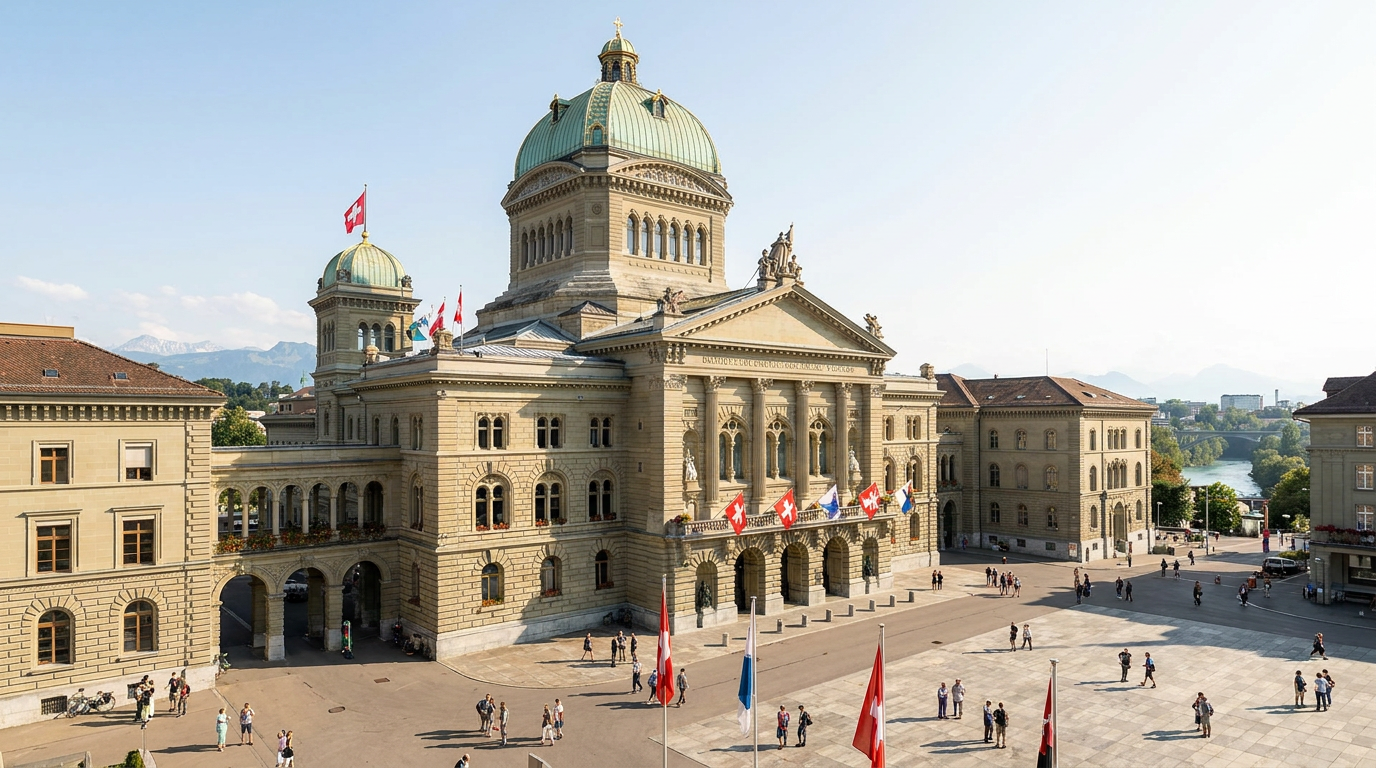
Switzerland has voted against a controversial referendum that would have capped the country's population at 10 million by 2050. The rejection avoids a potential rupture in relations with the European Union and maintains the country's access to the single market.
By Factlen Editorial Team
- Economic Pragmatists
- Prioritized economic stability, labor access, and maintaining vital trade relations with the European Union.
- Immigration Restrictionists
- Argued that a hard cap was necessary to protect Swiss infrastructure, housing, and the environment from unsustainable population growth.
What's not represented
- · Cross-border commuters from France, Germany, and Italy whose livelihoods were threatened by the vote.
- · Asylum seekers and refugees who would have faced immediate restrictions under the 9.5 million trigger.
Why this matters
The vote preserves Switzerland's critical free-movement agreements with the European Union, averting a 'Swiss Brexit' that major corporations warned would trigger severe labor shortages and economic contraction. It also signals a limit to the escalating anti-immigration measures sweeping through wealthy Western nations.
Key points
- Swiss voters rejected a proposal to cap the country's population at 10 million by 2050.
- The initiative was defeated with 54.79% voting against and 45.21% in favor.
- A 'yes' vote would have forced the government to restrict asylum and family reunification once the population reached 9.5 million.
- The cap threatened to sever Switzerland's free-movement agreement with the European Union.
- Major corporations and the Swiss government strongly opposed the measure, warning of severe economic damage and labor shortages.
Swiss voters have decisively rejected a controversial proposal to impose a hard cap on the country's population, averting a constitutional mandate that would have likely severed Switzerland's free-movement agreements with the European Union. In a nationwide referendum held on Sunday, 54.79% of voters cast ballots against the "No to a 10-million Switzerland" initiative, while 45.21% supported it.[1][5]
Championed by the right-wing Swiss People's Party (SVP), the measure sought to amend the Swiss constitution to ensure the permanent resident population would not exceed 10 million before the year 2050. The country's population currently stands at approximately 9.1 million, having grown by roughly 23% since free-movement rules with the EU took effect in 2002.[1][2][6]

The initiative was designed with strict enforcement triggers. Had it passed, the Swiss government would have been legally obligated to enact severe restrictions on asylum, family reunification, and residency permits the moment the population reached 9.5 million. If the population subsequently hit the 10 million mark, Bern would have been forced to terminate international agreements driving demographic growth—most notably the bilateral free-movement accord with the EU.[3][6]
The prospect of abandoning the EU agreement sent shockwaves through Switzerland's corporate sector, prompting unprecedented interventions from major employers. Executives from multinational giants including Nestlé, Roche, Novartis, and UBS publicly campaigned against the cap. They warned that severing ties with the EU single market—Switzerland's largest trading partner—would exacerbate an already acute shortage of skilled labor and trigger a severe economic contraction.[2][6]

The prospect of abandoning the EU agreement sent shockwaves through Switzerland's corporate sector, prompting unprecedented interventions from major employers.
The seven-member Federal Council, which includes ministers from the SVP, collectively urged citizens to reject the initiative. Government officials argued that the measure would threaten national stability, harm prosperity, and undermine the social security system, which relies on foreign workers to offset an aging domestic workforce.[1][5]
The results revealed a stark regional divide, with opposition to the cap proving particularly overwhelming in the French-speaking western cantons. In Geneva, Vaud, Neuchâtel, and Jura, the "no" vote exceeded 60%. Analysts noted that urban centers, highly dependent on cross-border commuters and international trade, prioritized economic stability over the SVP's warnings about demographic strain.[2][5]
Despite the defeat, the SVP and its supporters maintained that rapid population growth is stretching the Alpine nation past its natural limits. The campaign, branded as a "sustainability initiative," successfully tapped into widespread public anxiety over rising rents, overcrowded public transportation, and the environmental impact of overbuilding. The fact that 45% of voters supported an unprecedented hard cap signals that immigration will remain a potent force in Swiss politics.[2][8]

The referendum was closely watched in Brussels, where EU officials viewed it as a proxy battle over the future of European integration. A "yes" vote would have triggered a slow-motion crisis in EU-Swiss relations, echoing the protracted negotiations that followed the United Kingdom's Brexit vote. By rejecting the cap, Swiss voters have bought Bern and Brussels crucial time to negotiate broader institutional agreements without the immediate threat of a ruptured single market.[1][6]
While the immediate threat to the EU bilateral agreements has passed, political analysts expect the SVP to continue leveraging Switzerland's system of direct democracy to challenge immigration policies. The 59% voter turnout—significantly higher than the 45% average for federal votes—underscores the intense public engagement on the issue, ensuring that the debate over what kind of society Switzerland wishes to be is far from settled.[1][7]
How we got here
2002
Switzerland's free-movement agreement with the European Union comes into effect, accelerating population growth.
2014
Swiss voters narrowly approve an initiative 'against mass immigration,' though parliament implements it without breaking EU ties.
2024
The Swiss People's Party gathers the required 100,000 signatures to force a referendum on the 'No to a 10-million Switzerland' initiative.
June 14, 2026
Swiss voters reject the population cap by a margin of 54.8% to 45.2%.
Viewpoints in depth
Swiss People's Party (SVP) and Supporters
Argued that a hard cap was necessary to protect Swiss infrastructure, housing, and the environment from unsustainable population growth.
The SVP framed the initiative as a defense of national sovereignty and ecological sustainability. They pointed to rising rents, crowded trains, and the loss of green spaces as direct consequences of the 23% population surge since 2002. Supporters dismissed warnings of economic catastrophe as corporate scaremongering, arguing that Switzerland must prioritize the quality of life of its current residents over the demands of multinational businesses.
Corporate Sector and Employers
Warned that the cap would devastate the Swiss economy by severing access to the European single market and exacerbating labor shortages.
Business leaders from companies like Roche, Nestlé, and UBS viewed the initiative as a form of economic self-sabotage. They argued that Switzerland's prosperity is inextricably linked to its bilateral agreements with the EU, particularly the free movement of people. Without access to skilled European workers, employers warned of a severe talent deficit that would stifle innovation, reduce economic output, and ultimately harm the very public services the SVP claimed to be protecting.
European Union Officials
Viewed the referendum as a critical test of the bilateral relationship and the principle of free movement.
For Brussels, the Swiss vote represented a familiar challenge: the tension between national immigration controls and the foundational EU principle of free movement. A successful cap would have forced the EU to suspend Switzerland's access to the single market, triggering a complex and economically damaging uncoupling reminiscent of Brexit. The rejection of the cap is seen as a relief that preserves the status quo and allows for continued negotiations on broader institutional frameworks.
What we don't know
- How the Swiss People's Party will adapt its anti-immigration strategy ahead of the next federal elections.
- Whether the close 45% support for the cap will influence ongoing negotiations between Bern and Brussels regarding future institutional agreements.
Key terms
- Direct Democracy
- A political system in Switzerland that allows citizens to propose constitutional amendments and vote on federal laws through frequent referendums.
- Free Movement of People
- An agreement allowing citizens of the European Union and Switzerland to live, work, and study in each other's territories.
- Federal Council
- The seven-member executive council that constitutes the federal government of Switzerland.
Frequently asked
What would the referendum have done?
It would have amended the constitution to cap Switzerland's population at 10 million by 2050, forcing the government to restrict immigration and potentially scrap its EU free-movement deal.
Why did people vote against it?
Voters were primarily concerned that the cap would damage the economy, worsen labor shortages, and sever Switzerland's crucial access to the European single market.
What is Switzerland's current population?
The population is currently around 9.1 million, having grown by about 23% since 2002.
Does this mean the immigration debate is over?
No. The fact that 45% of voters supported the unprecedented cap indicates that immigration and population growth remain highly contentious issues in Swiss politics.
Sources
Source coverage
8 outlets
2 viewpoints surfaced








[1]The GuardianEconomic Pragmatists
Swiss voters reject proposal to cap population at 10 million
Read on The Guardian →[2]SwissInfoImmigration Restrictionists
Switzerland rejects 10 million population cap in referendum
Read on SwissInfo →[3]Associated PressImmigration Restrictionists
Swiss voters take up unprecedented proposal to limit population
Read on Associated Press →[4]Japan Times
Swiss voters reject population cap, avoiding clash with EU
Read on Japan Times →[5]Anadolu Agency
Nearly 55% Swiss voters reject 10M population cap initiative
Read on Anadolu Agency →[6]EU InsiderEconomic Pragmatists
Swiss voters decide whether to cap population at 10 million
Read on EU Insider →[7]World Economic Forum
Popular initiatives in Switzerland: How direct democracy works
Read on World Economic Forum →[8]London School of Economics
What the Swiss population referendum means for Europe
Read on London School of Economics →

More in news politics
See all 6 stories →Georgia Senate
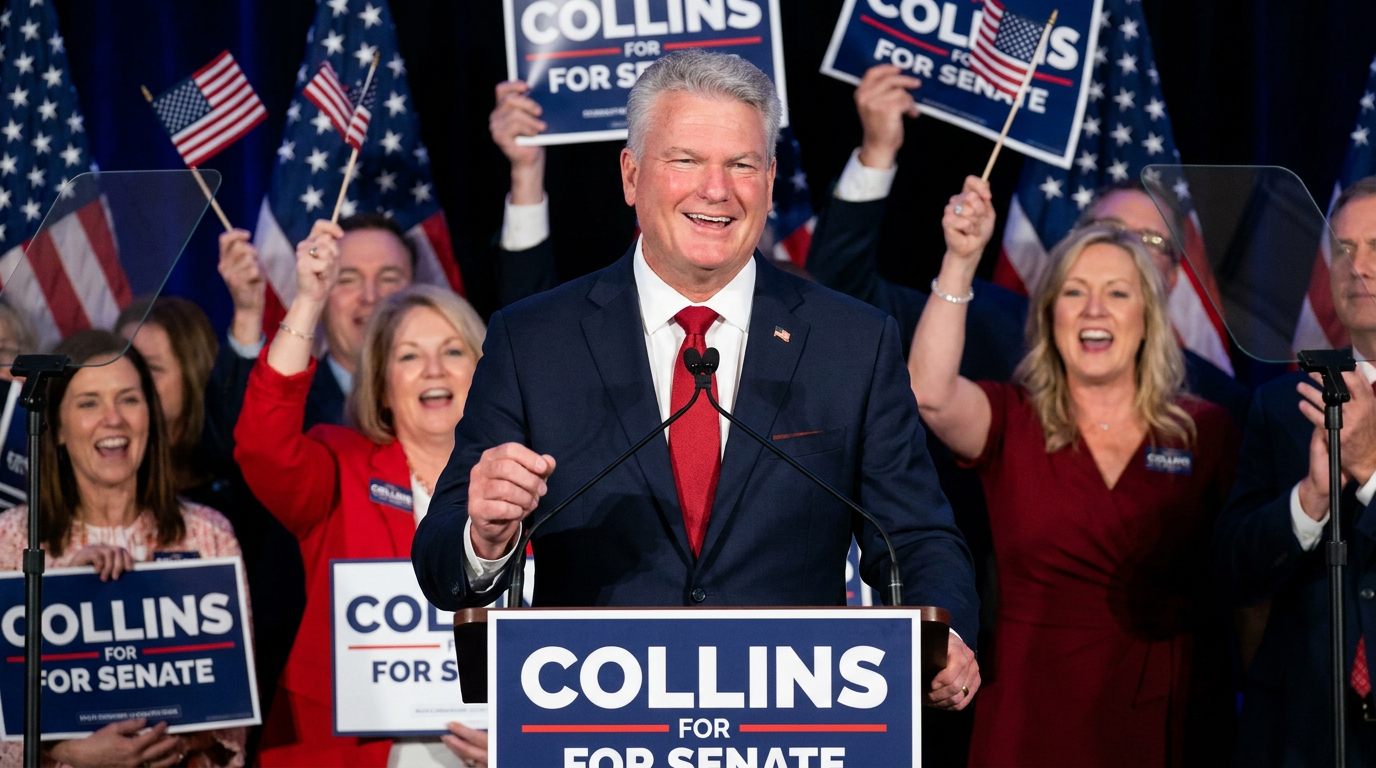
Mike Collins Wins Georgia Senate Republican Runoff, Setting Up High-Stakes Race Against Jon Ossoff
7 sources
Green Card Policy
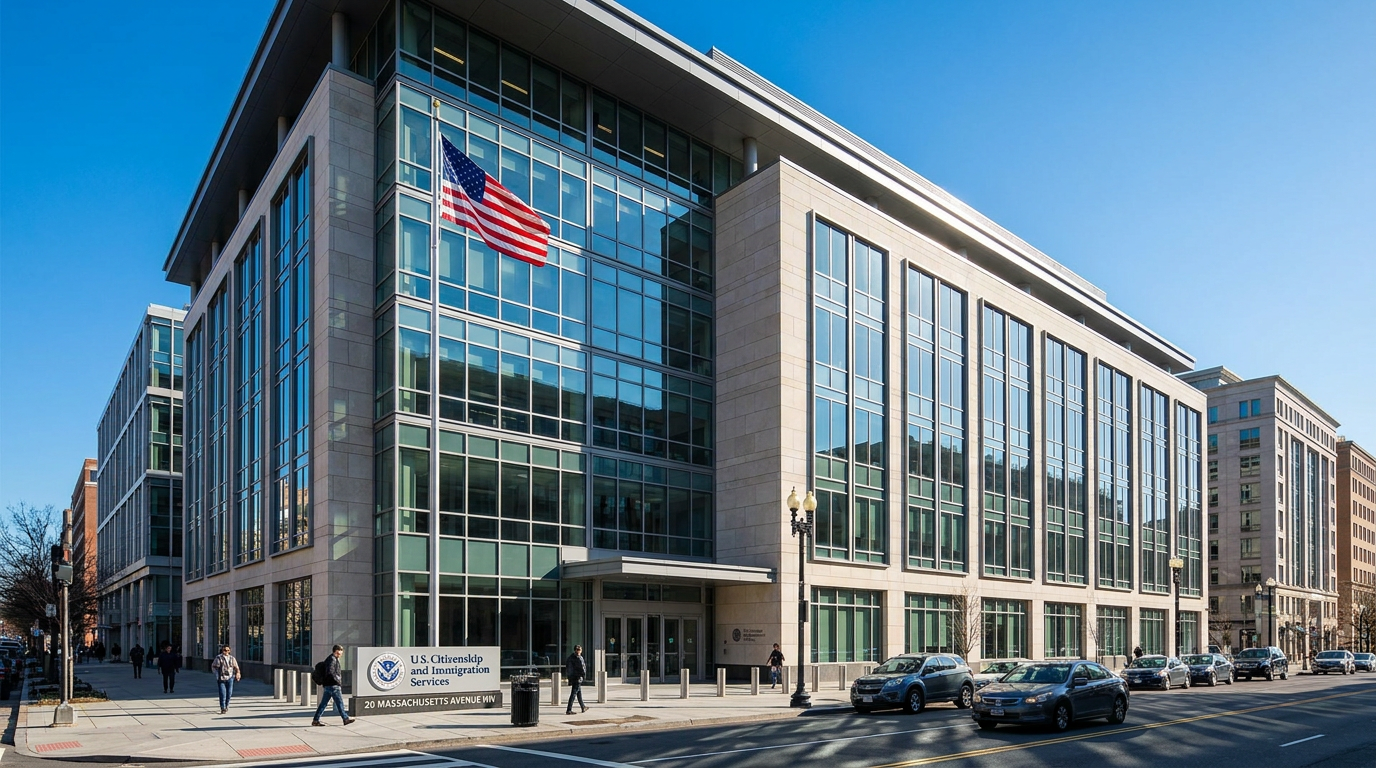
USCIS Reclassifies Green Card Adjustment of Status as 'Extraordinary Relief' in Sweeping Policy Shift
7 sources
Romania-Moldova Unification
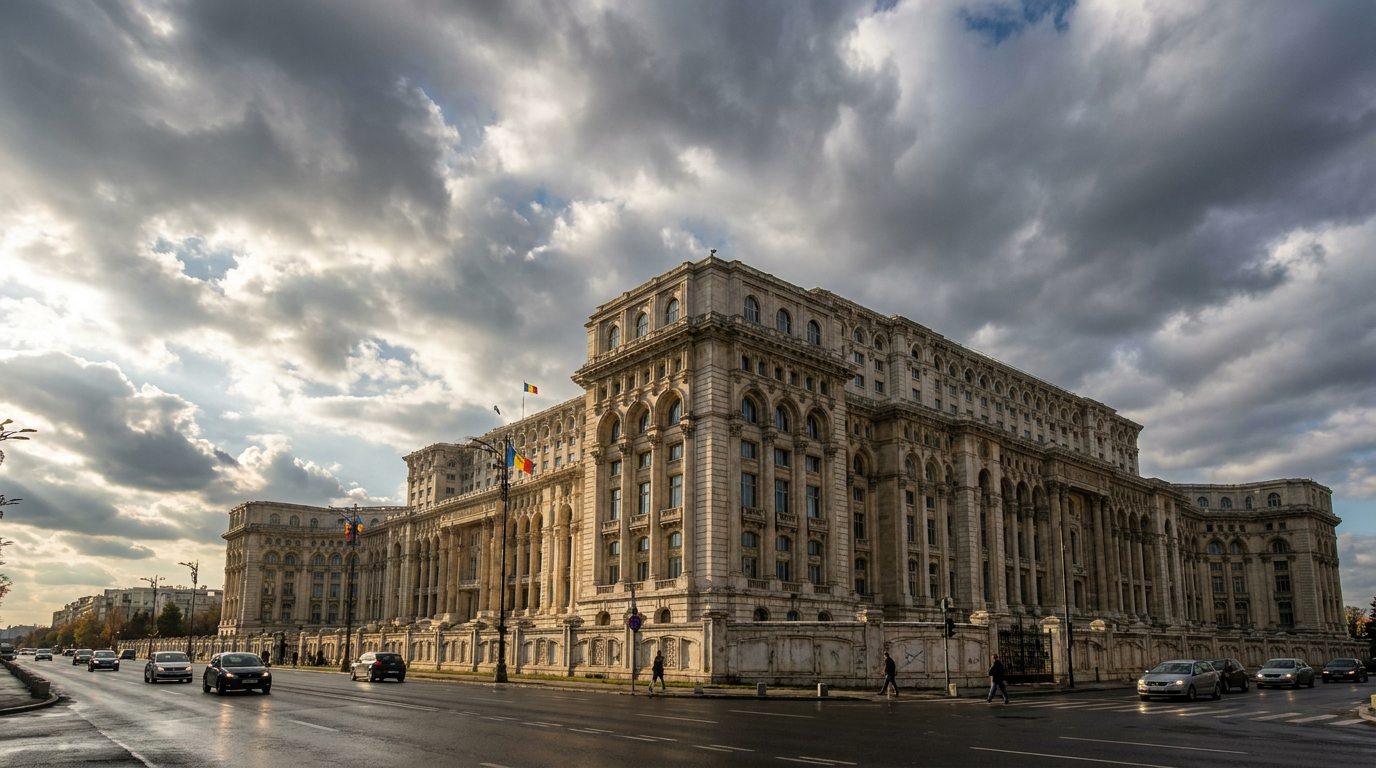
Romania's Parliament Approves 'Tacit Unification' With Moldova, Signaling Major Eastern European Border Shift
6 sources
Immigration Policy
Trump Nominates Former Oklahoma Trooper Lance Schroyer to Head ICE
7 sources
Every angle. Every day.
Get news politics stories with full source coverage and perspective breakdowns delivered to your inbox.