
The Gut-Brain Connection: How 'Psychobiotics' and Diet Shape Mental Health
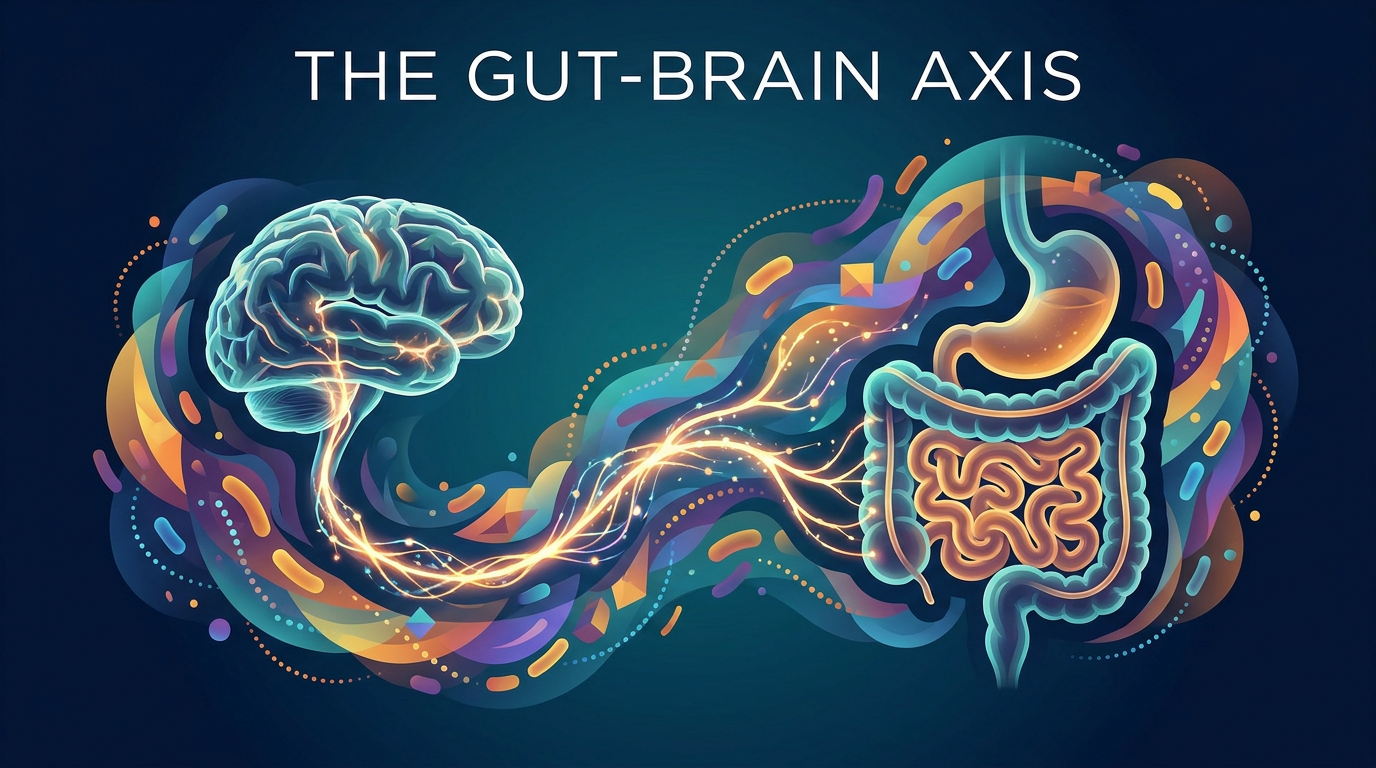
Emerging research reveals that the trillions of bacteria in the human digestive tract directly influence mood, anxiety, and cognitive function. By understanding the gut-brain axis, individuals can use targeted dietary interventions to support their mental well-being.
By Factlen Editorial Team
- Nutritional Psychiatrists
- Advocate for using dietary interventions and specific psychobiotics as a primary or adjunctive treatment for mood disorders.
- Microbiome Researchers
- Focus on the biological mechanisms, emphasizing that while the gut-brain link is real, commercial claims often outpace clinical evidence.
- Public Health Advocates
- Emphasize accessible, whole-food dietary changes like eating more fiber and fermented foods over expensive, unproven probiotic supplements.
What's not represented
- · Commercial supplement manufacturers
- · Traditional psychopharmacologists
Why this matters
Mental health interventions have traditionally focused almost exclusively on brain chemistry and behavioral therapy. The discovery that everyday dietary choices can physically alter the microbiome to reduce anxiety and depression offers a powerful, accessible new tool for building emotional resilience.

More in health
See all 109 stories →Lupus Treatment
A Cancer Therapy is 'Resetting' the Immune System to Send Severe Lupus into Remission
9 sources
Longevity Science
Rapamycin and Longevity: What the Latest Human Trials Actually Show
8 sources
Depression Treatment
Massive Data Reviews Confirm Exercise Matches Medication and Therapy for Depression
7 sources

Autoimmune Breakthrough
How an 'Immune Reset' Therapy is Putting Severe Lupus into Remission
6 sources
Every angle. Every day.
Get health stories with full source coverage and perspective breakdowns delivered to your inbox.