
The Evidence for Rapamycin: Can a Transplant Drug Extend Human Healthspan?
Decades of animal data show rapamycin is the most potent life-extending drug ever tested. Now, a wave of human clinical trials is revealing what it actually does to the aging human body.
By Factlen Editorial Team
- Geroscience Researchers
- Scientists prioritizing rigorous clinical trials to validate biomarkers and precise dosing before widespread use.
- Longevity Clinicians
- Physicians who believe the current safety data justifies off-label prescribing to improve patient healthspan today.
- Regulatory Skeptics
- Critics who emphasize the lack of FDA approval and the unknown long-term risks of altering fundamental growth pathways.
What's not represented
- · Long-term off-label users who have self-experimented with rapamycin for over a decade.
- · Health insurance providers evaluating the cost-benefit of preventative gerotherapeutics.
Why this matters
Aging is the primary risk factor for cancer, heart disease, and neurodegeneration. If drugs like rapamycin can safely slow the biological aging process, the focus of medicine could shift from treating individual diseases to preserving overall cellular health.
Key points
- Rapamycin is a 60-year-old transplant drug that has consistently extended the lifespan of mice in rigorous laboratory tests.
- The drug works by inhibiting the mTOR pathway, which shifts cellular resources from growth to repair and triggers autophagy.
- The 2025 PEARL trial found that low-dose, intermittent rapamycin is safe for healthy adults over a 48-week period.
- While the trial failed to reduce visceral fat, it showed unexpected benefits in preserving lean muscle mass and reducing subjective pain.
- There is currently no clinical proof that rapamycin extends maximum human lifespan; the focus remains on extending disease-free healthspan.
- New clinical trials launched in 2026 aim to pinpoint the exact dosing required to maximize benefits while minimizing side effects.
The quest for longevity has fundamentally shifted. For decades, the goal was simply to add years to life. Today, the focus of geroscience is extending "healthspan"—the period of life spent free from chronic diseases like cancer, heart disease, and neurodegeneration. At the center of this paradigm shift is a 60-year-old generic drug called rapamycin, which has quietly become the most promising and heavily researched anti-aging compound in the world.[6]
Rapamycin's origin story reads like science fiction. Discovered in 1964 in a soil sample taken from the shadows of the Moai statues on Easter Island (Rapa Nui), the compound was initially developed as an antifungal agent. It was later approved by the FDA as a powerful immunosuppressant, used to prevent organ rejection in kidney transplant patients. But as researchers studied the drug, they noticed a profound side effect: it appeared to slow the biological clock of the organisms that consumed it.[6]
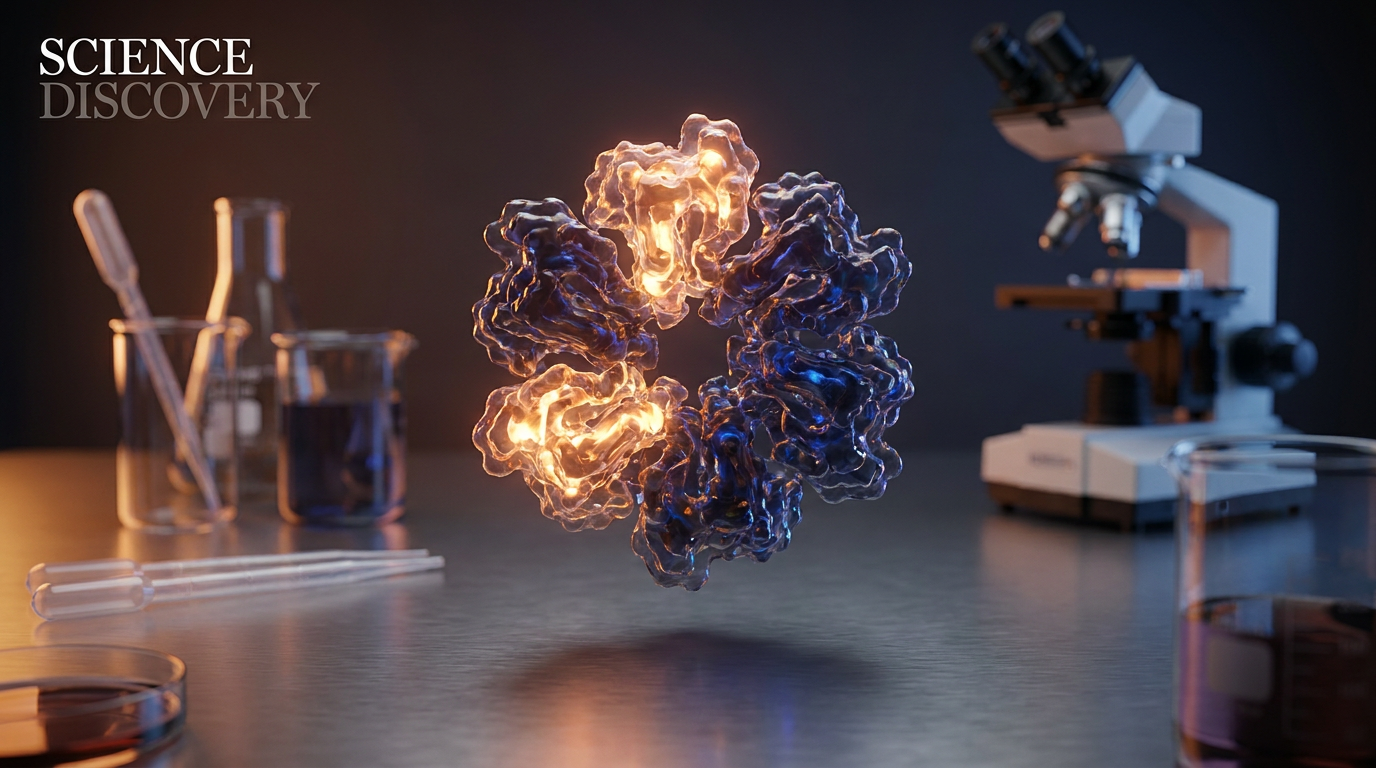
To understand how a transplant drug could delay aging, scientists had to map its mechanism of action. Rapamycin targets a central cellular protein complex known as mTOR (mechanistic target of rapamycin). mTOR functions as a master nutrient sensor for the cell. When food and nutrients are plentiful, mTOR is activated, signaling the cell to go into overdrive—building new proteins, growing, and dividing.[6]
However, constant cellular growth comes at a cost. When mTOR is constantly active, the cell neglects basic maintenance. Inhibiting mTOR—either through fasting, caloric restriction, or by taking rapamycin—flips a biological switch. The cell interprets the inhibition as a state of scarcity, shifting its resources away from growth and toward repair. This triggers a process called autophagy, a cellular recycling program that clears out damaged proteins, misfolded structures, and dysfunctional mitochondria that accumulate with age.[6]

The biological theory is elegant, but the animal data is what truly ignited the longevity field. The gold standard for aging research is the National Institute on Aging's Interventions Testing Program (ITP), a rigorous, multi-site initiative that tests potential life-extending compounds in genetically diverse mice. In the ITP trials, rapamycin extended the median lifespan of mice by up to 26%, outperforming every other pharmacological intervention ever tested.[2]
Crucially, the ITP data revealed that rapamycin did not need to be taken from birth to be effective. The drug extended lifespan even when administered to mice at an age equivalent to a 60-year-old human. This late-stage efficacy suggested that the drug was not just preventing early-life mortality, but actively modifying the biological processes of aging itself.[2]

Translating these spectacular animal results to humans, however, presented a massive clinical hurdle. Transplant patients take high, daily doses of rapamycin, which intentionally suppresses their immune system and can lead to metabolic side effects like insulin resistance. Longevity researchers hypothesized that a different protocol—low, intermittent doses taken once a week—might trigger the beneficial autophagy repair cycle without causing chronic immune suppression.[6]
Testing this hypothesis required rigorous human data. In April 2025, the longevity community received its first major answer with the publication of the PEARL trial (Participatory Evaluation of Aging with Rapamycin for Longevity). PEARL was a landmark 48-week, decentralized, double-blinded, placebo-controlled trial designed to evaluate the safety and efficacy of low-dose rapamycin in healthy, normative-aging adults.[1]
The trial's primary clinical endpoint was a reduction in visceral adiposity (belly fat), a known driver of age-related metabolic disease. On this front, the trial was a failure. The data showed that visceral fat did not significantly change across any of the groups, with the effect size registering at essentially zero.[1]
The trial's primary clinical endpoint was a reduction in visceral adiposity (belly fat), a known driver of age-related metabolic disease.
Despite missing its primary endpoint, the PEARL trial delivered highly unexpected and promising secondary signals. Women taking the higher 10 mg weekly dose of rapamycin showed a roughly 6% increase in lean tissue mass compared to baseline. This finding stunned researchers, as mTOR is classically considered necessary for muscle protein synthesis; a drug that inhibits it was widely predicted to cause muscle loss, not preservation.[1]
The subjective endpoints of the PEARL trial also painted a positive picture. Participants taking rapamycin reported statistically significant improvements in self-reported pain, emotional well-being, and general health compared to the placebo cohort. While patient-reported outcomes are softer metrics than blood biomarkers, they were measured using validated clinical instruments and sustained over the course of a year.[1]
Most importantly, the PEARL trial established a clear safety profile for the longevity protocol. Over 48 weeks, researchers detected no significant differences in severe adverse events or dangerous blood biomarker shifts between the rapamycin groups and the placebo group. The data confirmed that low-dose, intermittent administration is fundamentally different—and vastly safer—than the daily dosing used in transplant medicine.[1]

The safety data from PEARL aligns with other recent human trials that have challenged the assumption that rapamycin is strictly an immunosuppressant. Previous studies have demonstrated that short courses of low-dose rapamycin actually enhance the adaptive immune system in elderly patients, significantly improving their antibody response to vaccines and reducing the incidence of respiratory infections.[1][6]
Beyond general aging, rapamycin is showing promise in specific domains of age-related decline. In 2025, a landmark study published in Cell Reports Medicine investigated the drug's impact on reproductive aging. Women undergoing IVF who took a short course of rapamycin produced significantly higher-quality embryos, resulting in clinical pregnancy rates that were more than threefold higher than the control group, suggesting a temporary reversal of ovarian aging markers.[5]
To move rapamycin from off-label experimentation to standard medical practice, the next generation of clinical trials is prioritizing extreme precision. In 2026, institutions like UT Health San Antonio launched multi-phase clinical studies specifically designed to move beyond biological plausibility. These trials are mapping immune and metabolic markers to determine the exact dosage required to safely return an older adult's cellular function to an optimal, youthful baseline.[4]

Researchers refer to this challenge as the "dimmer switch dilemma." mTOR is not an on/off button; it requires precise modulation. Turn the switch too low with excessive rapamycin, and the body cannot synthesize muscle or mount an immune response. Leave it too high, and the cells accumulate toxic waste. Finding the exact frequency and dose that maximizes autophagy while preserving anabolic function remains the central focus of ongoing research.[4][6]
Despite the mounting evidence and clinical optimism, significant uncertainties remain. There is currently zero proof that rapamycin extends maximum human lifespan, and gathering that data will take decades of continuous observation. Furthermore, the long-term effects of modulating fundamental growth pathways over a period of ten or twenty years are still unknown.[6]
Rapamycin is not a magic pill that will grant immortality, but it represents a profound shift in how medicine approaches getting older. By proving that the biological mechanisms of aging can be safely targeted and modified in humans, rapamycin has opened the door to a future where age-related decline is treated not as an inevitable tragedy, but as a manageable condition.[6]
How we got here
1964
Rapamycin is discovered in soil samples taken from Easter Island.
1999
The FDA approves rapamycin as an immunosuppressant for kidney transplant patients.
2009
The NIA Interventions Testing Program publishes data showing rapamycin extends lifespan in mice.
2014
Researchers demonstrate that low-dose rapamycin enhances, rather than suppresses, immune response in older adults.
2025
The PEARL trial publishes the first year-long data on rapamycin for healthy human aging.
2026
UT Health San Antonio launches multi-phase clinical trials to establish precise evidence-based dosing for older adults.
Viewpoints in depth
Geroscience Researchers
Focused on rigorous clinical validation and biological mechanisms.
This camp emphasizes that while animal data is overwhelmingly positive, mice are not humans. They prioritize finding the exact biological biomarkers that prove mTOR inhibition is working safely in humans. They caution against widespread off-label use until large-scale, multi-year trials like those at UT Health San Antonio establish precise dosing protocols that maximize autophagy without compromising muscle synthesis or immune function.
Longevity Clinicians
Focused on translating current evidence into preventative patient care.
Physicians prescribing rapamycin off-label argue that the safety profile of low-dose, intermittent administration is well-established enough to justify its use now. They point to the PEARL trial's secondary endpoints—such as reduced pain and improved well-being—as evidence that patients are experiencing real-world benefits. For this group, waiting decades for definitive lifespan data means missing the window to help aging patients today.
Regulatory Skeptics
Focused on the lack of FDA approval and the failure of primary endpoints.
Skeptics highlight that the PEARL trial failed to meet its primary endpoint of reducing visceral fat. They argue that subjective improvements in pain or well-being could be influenced by the placebo effect in highly motivated cohorts. This camp warns that manipulating fundamental growth pathways like mTOR carries unknown long-term risks, and that "healthspan" is too vague a metric to warrant prescribing powerful immunosuppressants to healthy individuals.
What we don't know
- Whether the lifespan extensions observed in mice will translate into extra years of life for humans.
- The long-term safety profile of taking low-dose rapamycin for decades.
- The exact optimal dose and frequency required to trigger autophagy without impairing muscle synthesis or immune function.
- Whether subjective improvements in well-being are driven by biological changes or the placebo effect.
Key terms
- Rapamycin
- A compound originally discovered on Easter Island, used clinically as an immunosuppressant and studied for its anti-aging properties.
- mTOR (Mechanistic Target of Rapamycin)
- A central protein complex that acts as a nutrient sensor, regulating cell growth, proliferation, and survival.
- Autophagy
- A cellular recycling process where cells clear out damaged proteins and organelles, often triggered by fasting or mTOR inhibition.
- Healthspan
- The period of a person's life spent in good health, free from chronic diseases and disabilities of aging.
- Gerotherapeutic
- A drug or intervention designed to target the underlying biological mechanisms of aging rather than a specific disease.
Frequently asked
Does rapamycin extend human lifespan?
There is currently no clinical proof that rapamycin extends maximum human lifespan; current trials are focused on measuring improvements in healthspan and biological function.
Is rapamycin safe for healthy adults?
The 48-week PEARL trial found that low, intermittent doses (5-10mg weekly) were generally safe and well-tolerated, though it is not FDA-approved for anti-aging.
How is anti-aging dosing different from transplant dosing?
Transplant patients take high, daily doses to suppress the immune system, whereas longevity protocols use low, once-weekly doses to trigger cellular repair without immune suppression.
Sources
Source coverage
6 outlets
3 viewpoints surfaced






[1]Aging JournalLongevity Clinicians
Influence of rapamycin on safety and healthspan metrics after one year: PEARL trial results
Read on Aging Journal →[2]National Institute on AgingGeroscience Researchers
Interventions Testing Program (ITP)
Read on National Institute on Aging →[3]Nature AgingGeroscience Researchers
A Drug Combo Increases Lifespan in Mice by Over 30%
Read on Nature Aging →[4]UT Health San AntonioGeroscience Researchers
UT Health San Antonio launches clinical trial to study rapamycin and healthy aging
Read on UT Health San Antonio →[5]Cell Reports MedicineLongevity Clinicians
Rapamycin improves IVF outcomes and reverses markers of reproductive aging
Read on Cell Reports Medicine →[6]Factlen Editorial TeamRegulatory Skeptics
Synthesis by Factlen editorial team
Read on Factlen Editorial Team →
More in health
See all 105 stories →Gut Microbiome
The Gut-Brain Connection: How 'Psychobiotics' and Diet Shape Mental Health
6 sources
Metabolic Health
The Science of the 'Ileal Brake': How Dietary Fiber Naturally Triggers Your Body's GLP-1
6 sources
Peptide Therapeutics
Beyond Weight Loss: How Peptide Therapeutics Are Rewriting Metabolic Medicine
7 sources
Obesity Medicine
Beyond the Injection: How Next-Generation Obesity Pills and Peptides Are Moving Mainstream
7 sources
Every angle. Every day.
Get health stories with full source coverage and perspective breakdowns delivered to your inbox.