
The Chemistry of Fat-Washing: How Bartenders Extract Savory Flavors into Clear Spirits
By borrowing an ancient perfume-making technique, mixologists are using the unique solvent properties of alcohol to infuse spirits with the rich flavors of bacon, butter, and sesame oil without the grease.
By Factlen Editorial Team
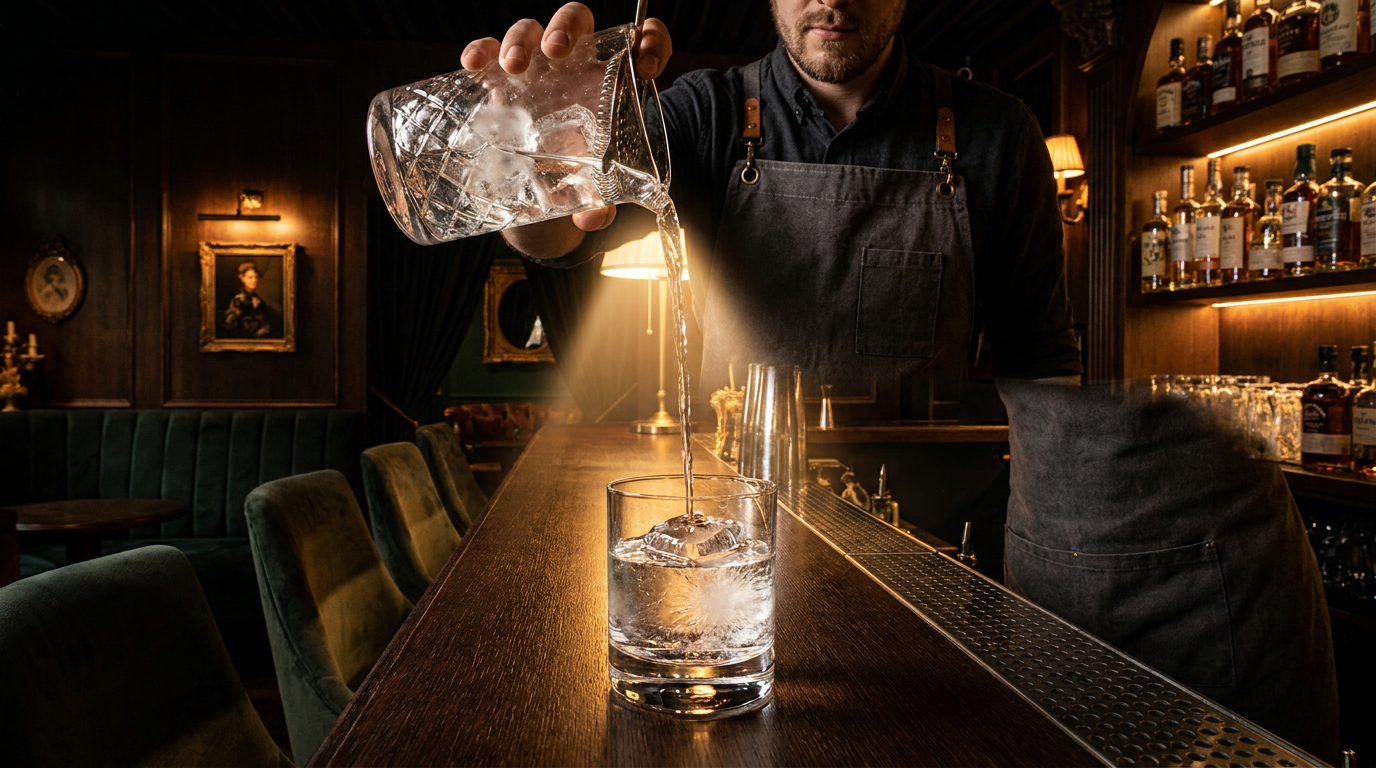
Culinary Mixologists 50%Molecular Technologists 25%Home Enthusiasts 25%
- Culinary Mixologists
- View cocktails as an extension of the kitchen, embracing chemistry and savory ingredients to build complex flavor profiles.
- Molecular Technologists
- Focus on the physics of flavor extraction, utilizing industrial tools like ultrasonication and centrifuges to perfect the process.
- Home Enthusiasts
- Value the accessibility of the technique, appreciating that complex flavors can be achieved with basic kitchen tools.
What's not represented
- · Traditionalist bartenders who prefer classic, unmanipulated spirits
Why this matters
Understanding the chemistry of fat-washing demystifies high-end molecular mixology, allowing home enthusiasts to easily replicate complex, restaurant-quality flavor profiles using basic kitchen tools.

More in food drink
See all 36 stories →Flavor Science
The Science of Umami: How to Engineer Deep Savory Flavor in Plant-Based Cooking
6 sources

Cocktail Science
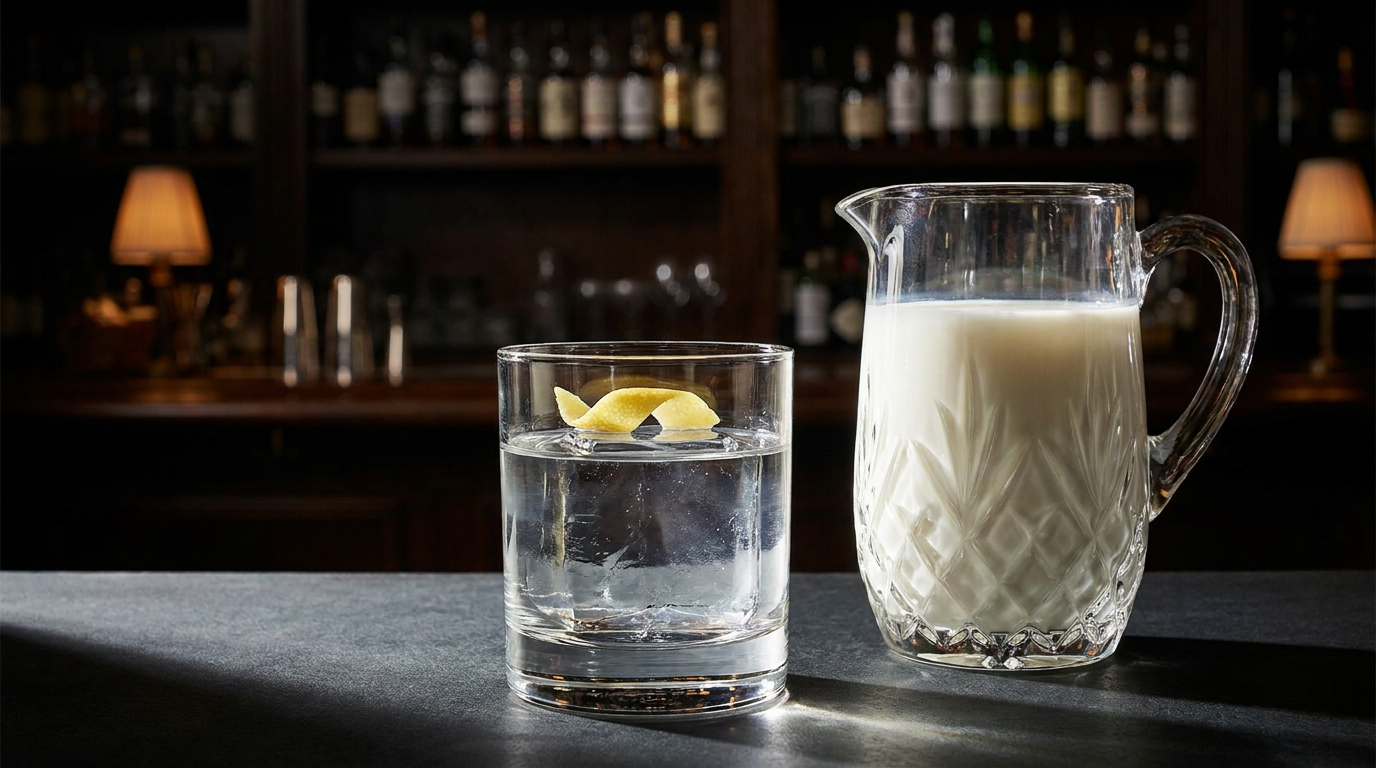
The Science of Clarified Milk Punch: How Curdled Milk Makes Crystal-Clear Cocktails
6 sources
Tea Chemistry
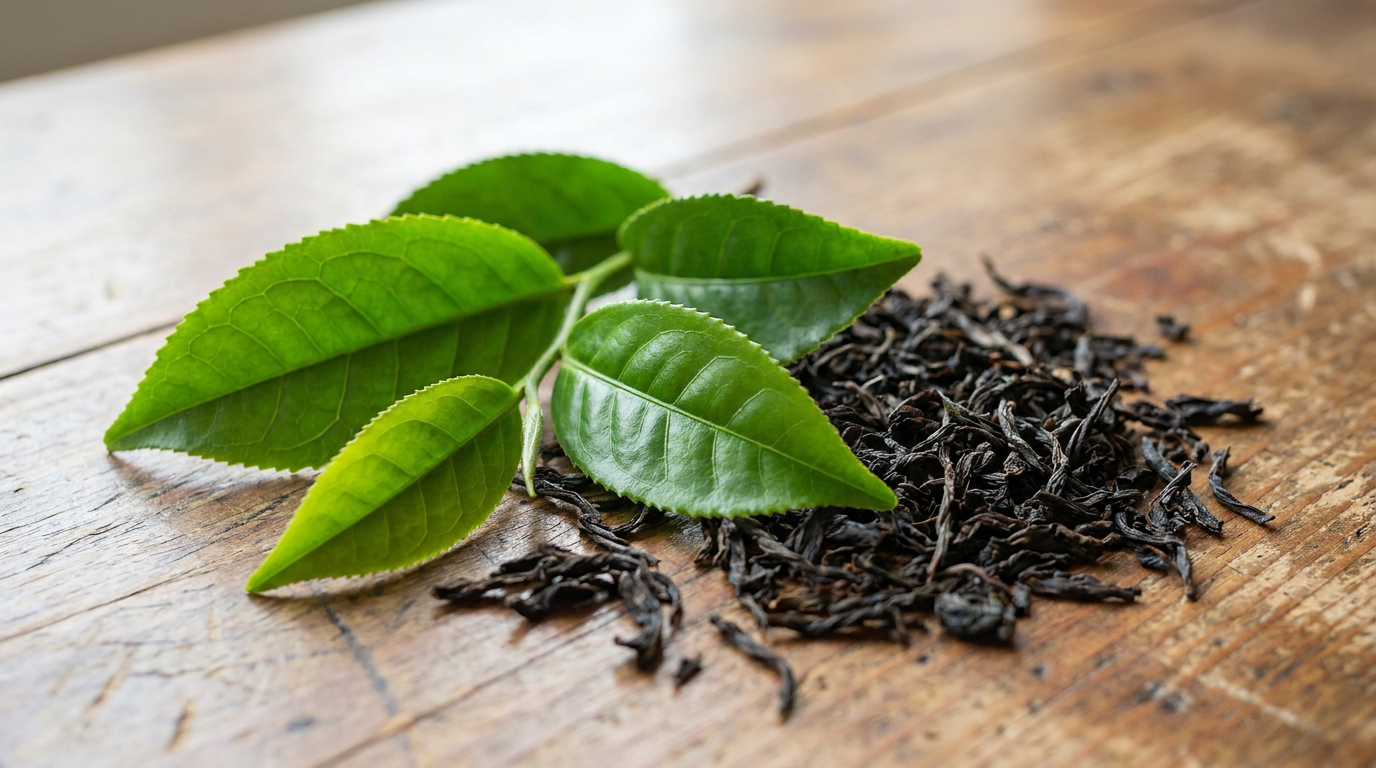
The Chemistry of Tea: How Processing and L-Theanine Alter the Health and Cognitive Effects of Camellia Sinensis
7 sources
Restaurant Tech
The 60-Second Drive-Thru: How AI and Automation Are Rewiring Fast Food
6 sources

Stay informed
Every angle. Every day.
Get food drink stories with full source coverage and perspective breakdowns delivered to your inbox.