
How Social Graph Portability Works: The Tech Letting Users Own Their Networks
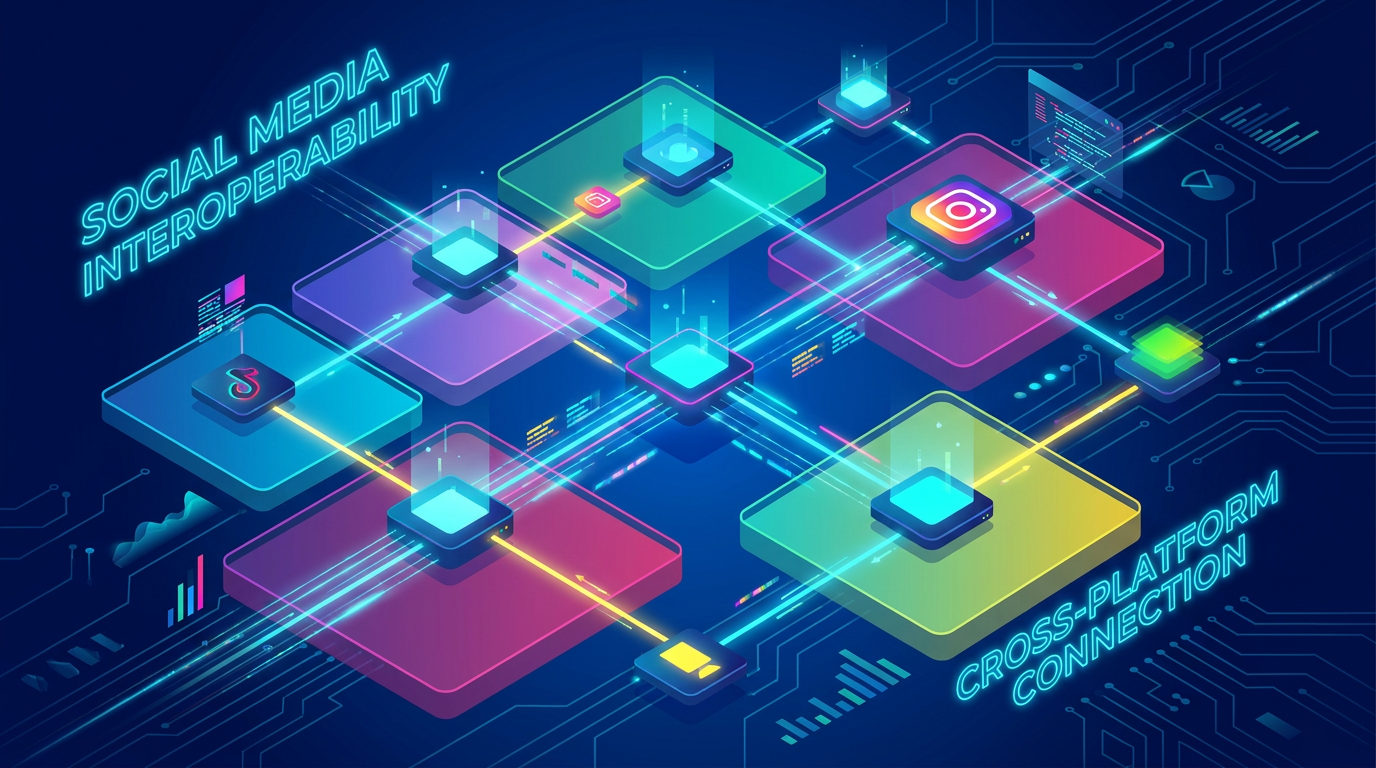
A new wave of interoperability standards allows users to seamlessly move their profiles, followers, and content between competing social media platforms without losing their audience.
By Factlen Editorial Team
Open-Web Advocates 40%Protocol Developers 30%Commercial Aggregators 30%
- Open-Web Advocates
- Believe that user ownership of social data and the ability to leave a platform without penalty is a fundamental digital right.
- Protocol Developers
- Focus on the technical challenges of scaling decentralized systems, managing cryptographic identities, and ensuring low-latency routing.
- Commercial Aggregators
- View interoperability as a massive business opportunity to build specialized interfaces and algorithms on top of open data.
What's not represented
- · Traditional walled-garden executives
- · Advertisers navigating decentralized metrics
Why this matters
For the first time in the history of the modern internet, you are no longer locked into a single platform's ecosystem. If a social network changes its rules, algorithms, or ownership, you can pack up your entire digital identity and move it elsewhere without losing your audience.

More in technology
See all 77 stories →AI Metacognition
Google Researchers Propose 'Faithful Uncertainty' to Solve AI Hallucinations
6 sources

Virtual Reality
Valve's 'Steam Frame' VR Headset Nears Launch After 32-Ton US Import Drop
7 sources

AI Reliability
Google Researchers Propose 'Faithful Uncertainty' to Solve AI Hallucinations Without Sacrificing Utility
7 sources

Virtual Reality
Inside the Steam Frame: How Valve's Hybrid Headset Aims to Rewire Virtual Reality
7 sources
Stay informed
Every angle. Every day.
Get technology stories with full source coverage and perspective breakdowns delivered to your inbox.