
How Algorithmic Choice and Decentralization Are Fixing Social Media
Open protocols like ActivityPub and the AT Protocol are ending the era of the 'black box' algorithm. By giving users control over their feeds and making digital identity portable, decentralized networks are making social media healthier and more customizable.
By Factlen Editorial Team
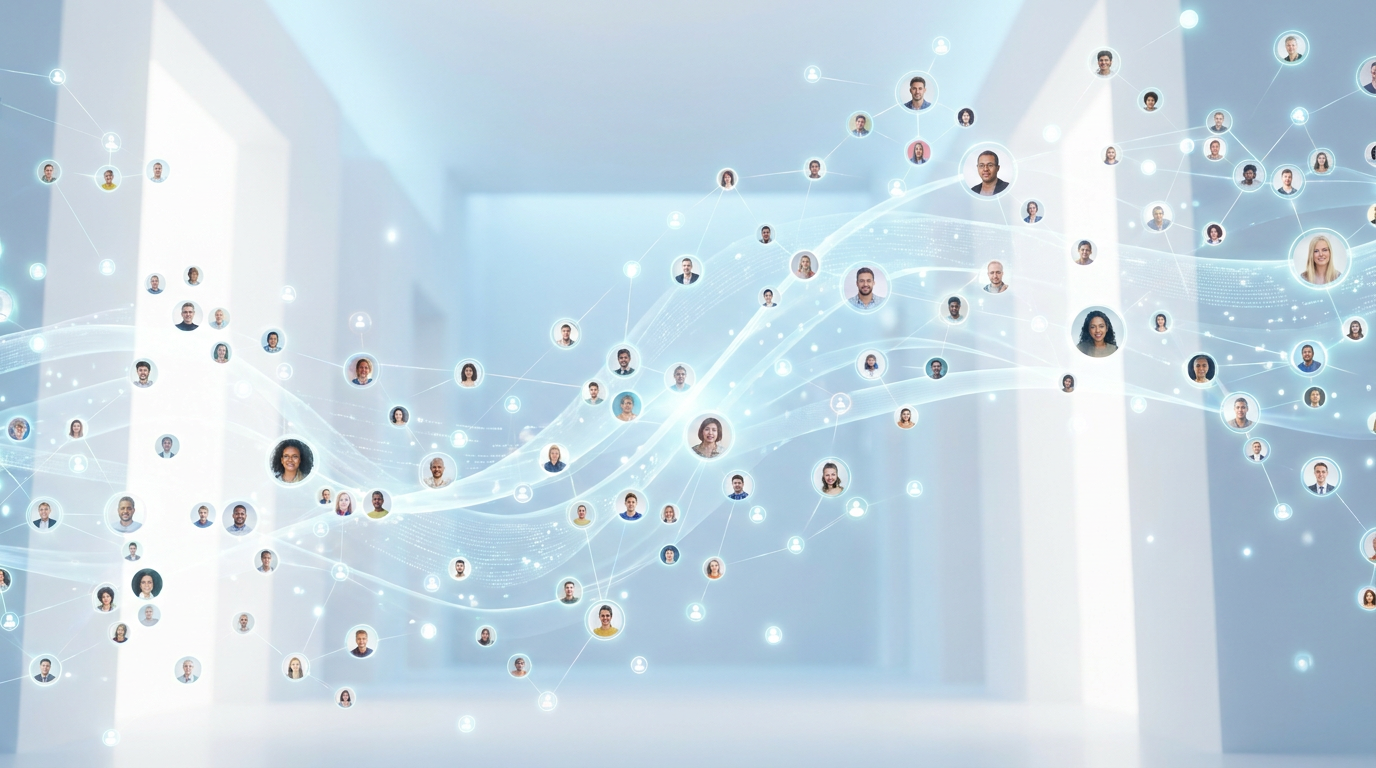
- Mainstream Users
- Everyday consumers who prioritize usability, finding their friends, and avoiding toxic content without needing technical expertise.
- Open-Web Advocates
- Champions of decentralization who believe users must own their data and social graphs to prevent corporate exploitation.
- Platform Incumbents
- Large tech companies adopting open protocols to retain relevance, comply with regulations, and shift moderation responsibilities.
What's not represented
- · Regulatory Bodies
- · Independent Feed Developers
Why this matters
For years, users have been trapped in social media ecosystems that prioritize outrage and engagement-bait to keep them scrolling. The shift toward algorithmic choice and portable identities means you finally have control over what you see online—and the freedom to leave a platform without losing your friends.
Key points
- The era of the 'black box' algorithm is ending, replaced by user-selected custom feeds.
- Open protocols like ActivityPub and the AT Protocol separate user data from the algorithms that rank it.
- Digital identity is becoming portable, allowing users to switch platforms without losing their followers.
- Brands are shifting away from engagement-bait, focusing instead on community resonance in niche feeds.
- Composable moderation allows communities to build and share their own safety filters and blocklists.
For the better part of a decade, the social media experience was dictated by a single, opaque force: the "black box" algorithm. Users logged onto their favorite platforms and were immediately served a feed optimized by corporate servers to maximize engagement. Often, this meant prioritizing outrage, anxiety, or endless scrolling over meaningful connection. The user had no say in how the content was ranked, and creators were forced to constantly guess what the algorithm wanted in order to reach their own audiences. But in 2026, a fundamental shift in how we interact online has finally reached critical mass. The era of the monolithic, engagement-bait algorithm is giving way to a new paradigm known as "algorithmic choice" and decentralized networking.[6]
Rather than being locked into a single company's vision of what you should see, emerging protocols are handing the steering wheel back to the user. This transition is transforming social media from a series of walled gardens into an open, interoperable ecosystem. By separating the underlying data from the interface that displays it, these new networks are making platforms healthier, more customizable, and significantly less toxic. It represents the most significant architectural change to the consumer internet since the invention of the smartphone app store, fundamentally rewriting the power dynamic between tech giants and everyday users.[6]
The most visible pioneer of this shift is Bluesky, a platform built on the open-source Authenticated Transfer (AT) Protocol. Bluesky's core innovation isn't just a chronological timeline; it is the decoupling of the data layer from the algorithm layer. In a traditional social network, the company that hosts your posts also controls the algorithm that ranks them. The AT Protocol shatters this monopoly, allowing the infrastructure that stores your data to operate completely independently from the software that decides what shows up on your screen.[1]

In practice, this means users do not just scroll a default feed. Instead, they browse a vibrant marketplace of "custom feeds" built by independent developers and niche communities. A user can pin multiple feeds as swipeable tabs at the top of their app—one for "Science News," one for "Mutuals Only," and another for "Quiet Posters" who rarely share updates. This architectural choice turns the algorithm from a hidden manipulator into a user-selected utility. If a user feels their feed is becoming too negative or repetitive, they don't have to abandon the platform; they simply unsubscribe from that algorithm and pin a new one.[1]
"We don't think there should be one algorithm that rules them all," Bluesky's leadership has noted, comparing the experience to choosing a radio station. This transparency removes the guesswork for creators and news publishers, who no longer have to reverse-engineer a platform's hidden preferences to reach their audience. If a user subscribes to a feed dedicated to independent journalism, the publisher knows exactly how to reach them without needing to artificially inflate their posts with engagement-bait tactics.[1]
"We don't think there should be one algorithm that rules them all," Bluesky's leadership has noted, comparing the experience to choosing a radio station.
Parallel to Bluesky's custom feeds is the rapid expansion of the "Fediverse," powered by a different open standard called ActivityPub. Recognized as a recommended standard by the World Wide Web Consortium (W3C), ActivityPub allows independent servers to communicate with one another seamlessly. The Fediverse operates much like email. Just as a Gmail user can seamlessly send a message to a Yahoo account, a user on one ActivityPub-compliant platform can follow, like, and reply to posts from a user on a completely different network.[5]

This interoperability received a massive boost when Meta integrated its Threads app into the Fediverse. By allowing Threads users to federate their profiles, Meta connected over 100 million accounts to the broader decentralized web, proving that open protocols can scale to mainstream audiences. For the first time in modern internet history, a user on a massive corporate platform could directly interact with a user on a small, independently hosted Mastodon server, effectively bridging the long-standing gap between Big Tech and the open web.[2]
The implications for user freedom are profound. In the past, leaving a toxic social network meant leaving behind years of built-up connections, photos, and followers—a phenomenon known in the industry as "platform lock-in." Decentralized protocols solve this by making digital identity truly portable. If a user decides they no longer agree with a platform's moderation policies, algorithm choices, or corporate ownership, they can migrate their account to a different server while taking their entire social graph with them, much like transferring a cell phone number to a new carrier.[6]
This shift is also forcing brands and marketers to fundamentally rethink their digital strategies. According to industry analysts at Sprout Social and Hootsuite, the fragmentation of feeds means the old playbook of "chasing virality" through engagement-bait is rapidly becoming obsolete. Instead, 2026 is seeing a massive pivot toward community and resonance. Because users are actively curating their feeds to match their specific interests, brands are finding success by participating in genuine conversations rather than broadcasting generic, high-volume content.[3][4]

Furthermore, the decentralized model introduces the groundbreaking concept of "composable moderation." Just as users can choose their algorithms, they can subscribe to third-party moderation services and safety tools. A community can maintain a shared blocklist of spam accounts, harassment rings, or bad actors, which individual users can apply to their own feeds with a single click. This modular approach to safety empowers marginalized communities to protect themselves proactively, without waiting for a central corporate trust-and-safety team to intervene, creating a safer and more tailored online environment.[1]
While the underlying technology—nodes, relays, and federated servers—can sound daunting to the uninitiated, the true triumph of 2026 has been making this infrastructure entirely invisible to the average person. Users do not need to understand the technical intricacies of the AT Protocol to enjoy a custom feed of cat pictures, just as they do not need to understand the Simple Mail Transfer Protocol (SMTP) to send a daily email to a coworker. The user experience has finally caught up to the engineering, offering a seamless interface that rivals any legacy app.[6]
By prioritizing algorithmic choice, identity portability, and interoperability, the latest generation of social networks is proving that the internet can still be a place of genuine connection and discovery. As more platforms adopt these open standards, the power dynamic of the web is shifting away from centralized algorithms and back into the hands of the people who actually create and consume the content. The future of social media is no longer a black box; it is an open marketplace of ideas where the user is finally in control.[6][7]

How we got here
2018
The W3C publishes ActivityPub as a recommended standard for decentralized social networking.
2022
Elon Musk acquires Twitter, sparking a mass migration of users seeking alternative, decentralized platforms.
2023
Bluesky launches custom feeds, introducing the concept of 'algorithmic choice' to a broader audience.
March 2024
Meta's Threads officially enters the Fediverse beta, allowing users to share posts to ActivityPub-compliant servers.
2026
Decentralized social media reaches mainstream maturity, with millions utilizing portable identities and custom algorithms.
Viewpoints in depth
Open-Web Advocates
Decentralization is a fundamental digital right.
For open-web pioneers, the shift to protocols like ActivityPub and AT Protocol is about correcting the original sin of Web 2.0: corporate walled gardens. They argue that users should never be held hostage by a platform's changing algorithms or moderation policies. By ensuring data portability, this camp believes the internet can return to its decentralized roots, where innovation happens at the edges rather than inside a few massive tech monopolies.
Mainstream Users
Usability and safety matter more than protocol purity.
While the technical architecture is fascinating to developers, mainstream users are primarily motivated by the user experience. This camp values the ability to easily find their friends, curate out toxic or anxiety-inducing content, and enjoy a seamless interface. For them, the success of the Fediverse hinges entirely on whether it feels as intuitive as legacy platforms—proving that algorithmic choice is only valuable if it doesn't require a computer science degree to operate.
Platform Incumbents
Interoperability is a strategic evolution, not a surrender.
For massive tech conglomerates, embracing open protocols is a calculated move. Facing looming antitrust regulations like Europe's Digital Markets Act and shifting consumer sentiment, incumbents view interoperability as a way to maintain their relevance. Furthermore, by allowing users to choose their own algorithms and moderation filters, platforms can offload some of the immense cost and public-relations risk associated with centralized content moderation.
What we don't know
- How smaller, independent servers will fund the rising infrastructure costs as millions of new users join the Fediverse.
- Whether true interoperability will ever be achieved between the two dominant protocols, ActivityPub and the AT Protocol.
- How decentralized networks will handle complex, cross-server legal requests and copyright takedowns at scale.
Key terms
- Algorithmic Choice
- The ability for users to select, install, and switch between different content-ranking algorithms rather than being forced to use a platform's default feed.
- Fediverse
- A portmanteau of 'federation' and 'universe,' referring to a network of independent social media servers that can communicate with each other.
- ActivityPub
- An open, decentralized social networking protocol recommended by the W3C, used by platforms like Mastodon and Threads.
- AT Protocol
- The Authenticated Transfer Protocol, an open-source framework developed by Bluesky that separates user identity, data, and algorithms.
- Composable Moderation
- A system where users can subscribe to independent, third-party moderation tools and blocklists to customize their safety settings.
Frequently asked
What is a custom feed?
A custom feed is a user-created algorithm that you can install on platforms like Bluesky. Instead of a single 'For You' page, you can pin multiple feeds tailored to specific interests, like 'Science News' or 'Chronological Mutuals'.
Can I move my followers to a new app?
Yes, on decentralized networks built on protocols like the AT Protocol or ActivityPub, your digital identity is portable. You can migrate to a different server or app without losing your social graph.
Do I need to understand coding to use the Fediverse?
Not at all. While the underlying technology is complex, modern apps have designed the experience to be as intuitive as legacy social media. Choosing a feed is as simple as installing an app on your phone.
Why are big companies like Meta joining the Fediverse?
Incumbents are adopting open protocols to comply with emerging digital regulations, retain users who want more control, and share the complex burden of content moderation.
Sources
Source coverage
7 outlets
3 viewpoints surfaced






[1]Bluesky Official BlogOpen-Web Advocates
Algorithmic Choice with Custom Feeds
Read on Bluesky Official Blog →[2]Meta EngineeringPlatform Incumbents
Threads has entered the fediverse
Read on Meta Engineering →[3]Sprout SocialPlatform Incumbents
Social Media Trends for 2026
Read on Sprout Social →[4]HootsuitePlatform Incumbents
The top social media trends for 2026
Read on Hootsuite →[5]W3COpen-Web Advocates
ActivityPub: A decentralized social networking protocol
Read on W3C →[6]Factlen Editorial TeamMainstream Users
Synthesis by Factlen editorial team
Read on Factlen Editorial Team →[7]Marketing BrewPlatform Incumbents
Social media trends to watch in 2026
Read on Marketing Brew →
More in technology
See all 8 stories →Ambient Computing
Applied Materials and EssilorLuxottica Partner to Shrink AR Smart Glasses Tech into a Single Platform
6 sources

Smart Glasses
Smart Glasses Hit a Tipping Point as Tech Giants Unveil the Post-Smartphone Future
8 sources

Enterprise AI
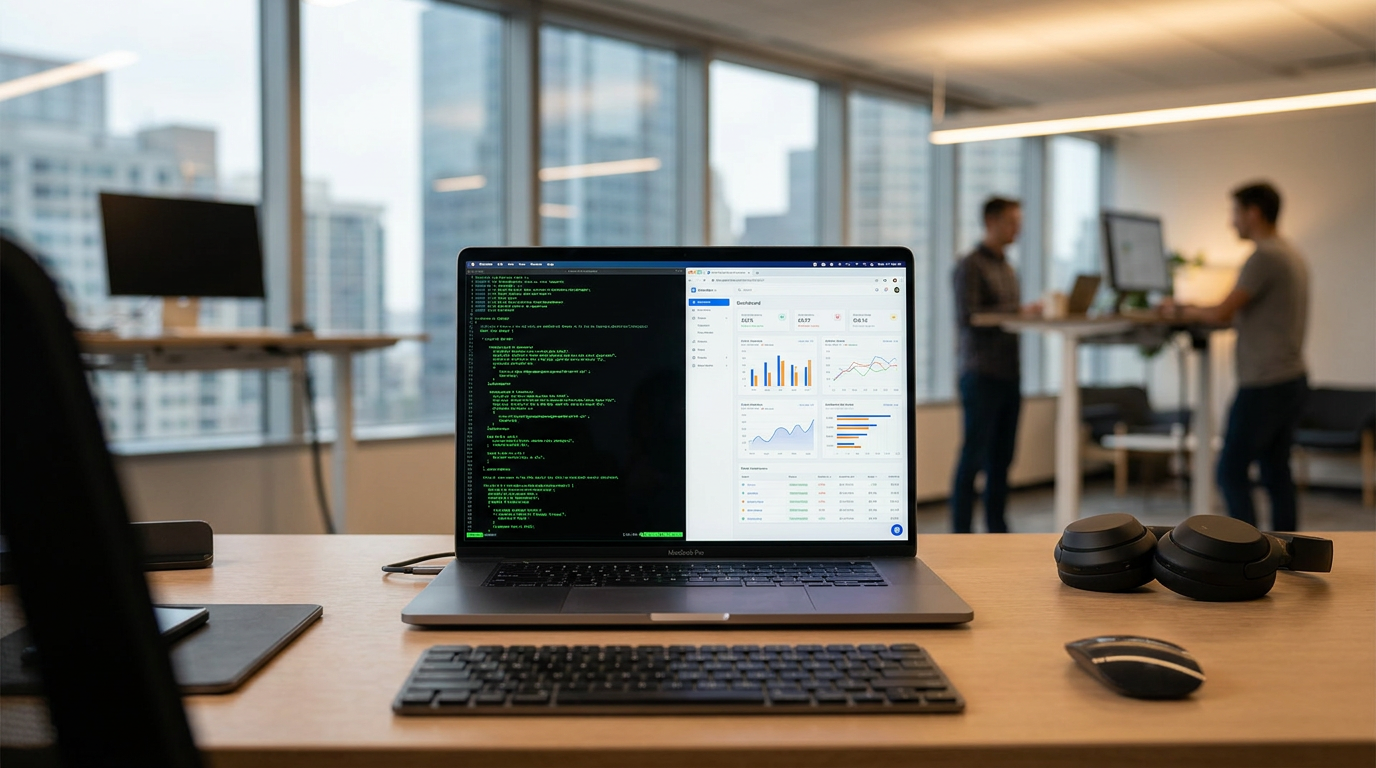
Anthropic Launches Live Artifacts for Claude Code, Turning Terminal Sessions Into Shareable Enterprise Dashboards
7 sources
Developer Tools
Anthropic Brings Live, Auto-Updating Artifacts to Claude Code for Enterprise Teams
7 sources

Every angle. Every day.
Get technology stories with full source coverage and perspective breakdowns delivered to your inbox.