
U.S. and Iran Sign Deal to End War, but Switzerland Talks Stall Over Lebanon and Strait of Hormuz Fees
The U.S. and Iran have signed a memorandum of understanding to end their four-month conflict, triggering a 60-day negotiation window. However, the diplomatic breakthrough is already threatened by delayed technical talks, Israeli defiance, and Iranian plans to charge transit fees in the Strait of Hormuz.
By Factlen Editorial Team
- U.S. Administration
- Argues the MOU is a historic victory that ends the war and paves the way for dismantling Iran's nuclear program, demanding compliance from allies.
- Israeli Government
- Views the deal as a strategic disaster that leaves Israel isolated, rejecting the ceasefire's application to Lebanon.
- Iranian Leadership
- Claims a historic victory, demanding full Israeli withdrawal from Lebanon and asserting long-term control over the Strait of Hormuz.
- Regional & Legal Analysts
- Cautiously supportive of de-escalation but firmly opposed to Iran's attempts to exert sovereign control and charge fees in an international strait.
What's not represented
- · Commercial Shipping Industry
- · Lebanese Civilians
Why this matters
This agreement officially halts a major military conflict in the Middle East and reopens one of the world's most critical oil shipping lanes. However, the immediate breakdown in talks and the threat of new maritime fees could trigger severe economic volatility and renewed regional violence.
Key points
- The U.S. and Iran signed a memorandum of understanding to end their four-month conflict.
- The agreement triggers a 60-day negotiation window on Iran's nuclear program.
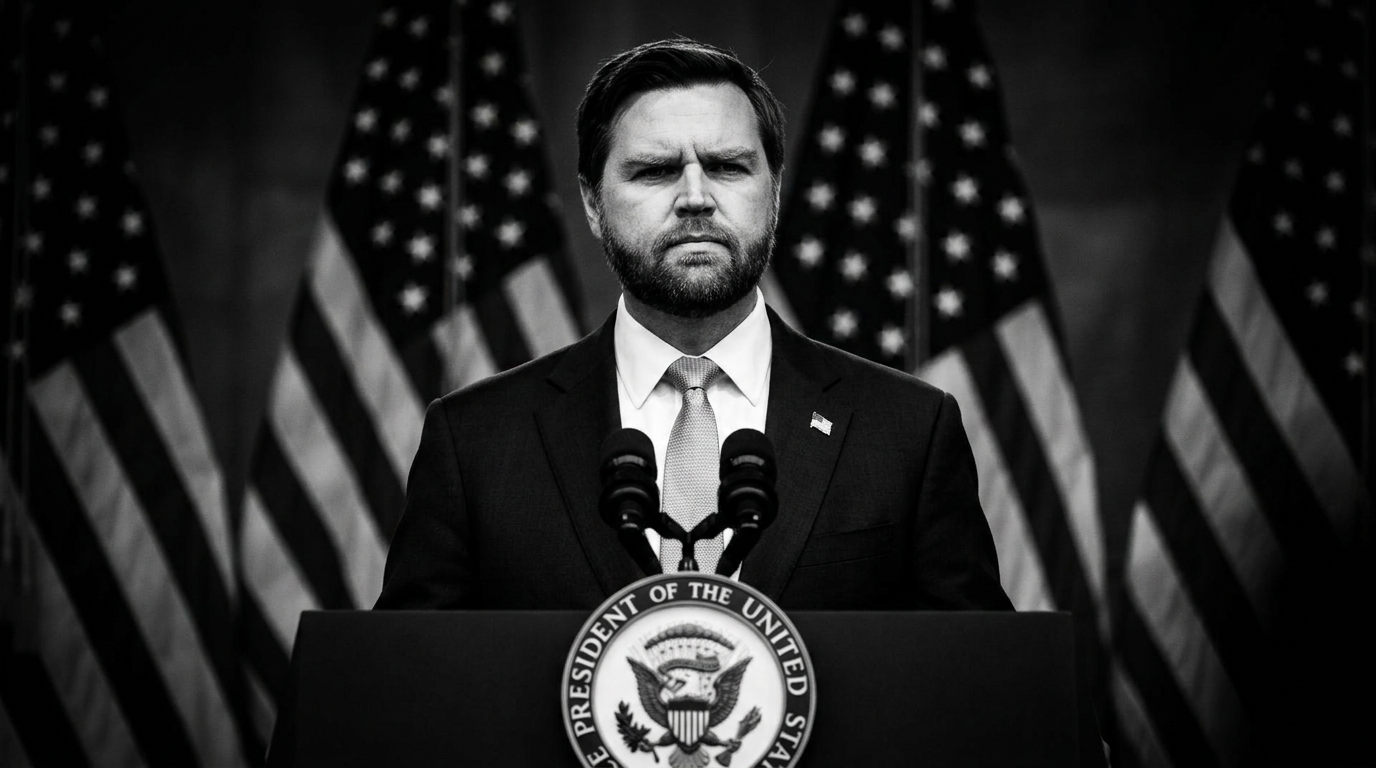
- Vice President JD Vance delayed his trip to Switzerland for talks amid disputes over Israeli strikes in Lebanon.
- Iran plans to charge maritime service fees in the Strait of Hormuz after the 60-day window expires.
The United States and Iran have officially signed a memorandum of understanding to end the four-month war that engulfed the Middle East, but the fragile truce is already facing severe logistical and geopolitical hurdles. Signed electronically by U.S. President Donald Trump and Iranian President Masoud Pezeshkian, the "Islamabad MOU" triggers a 60-day window for direct negotiations over Tehran's nuclear program and international sanctions.[8]
The immediate effects of the agreement are sweeping. The U.S. Central Command has lifted its naval blockade of Iranian ports, which had directed 146 vessels and disabled nine over the course of the conflict. In return, Iran has agreed to reopen the Strait of Hormuz to commercial maritime traffic and begin mine-clearing operations in the critical waterway.[1][8]

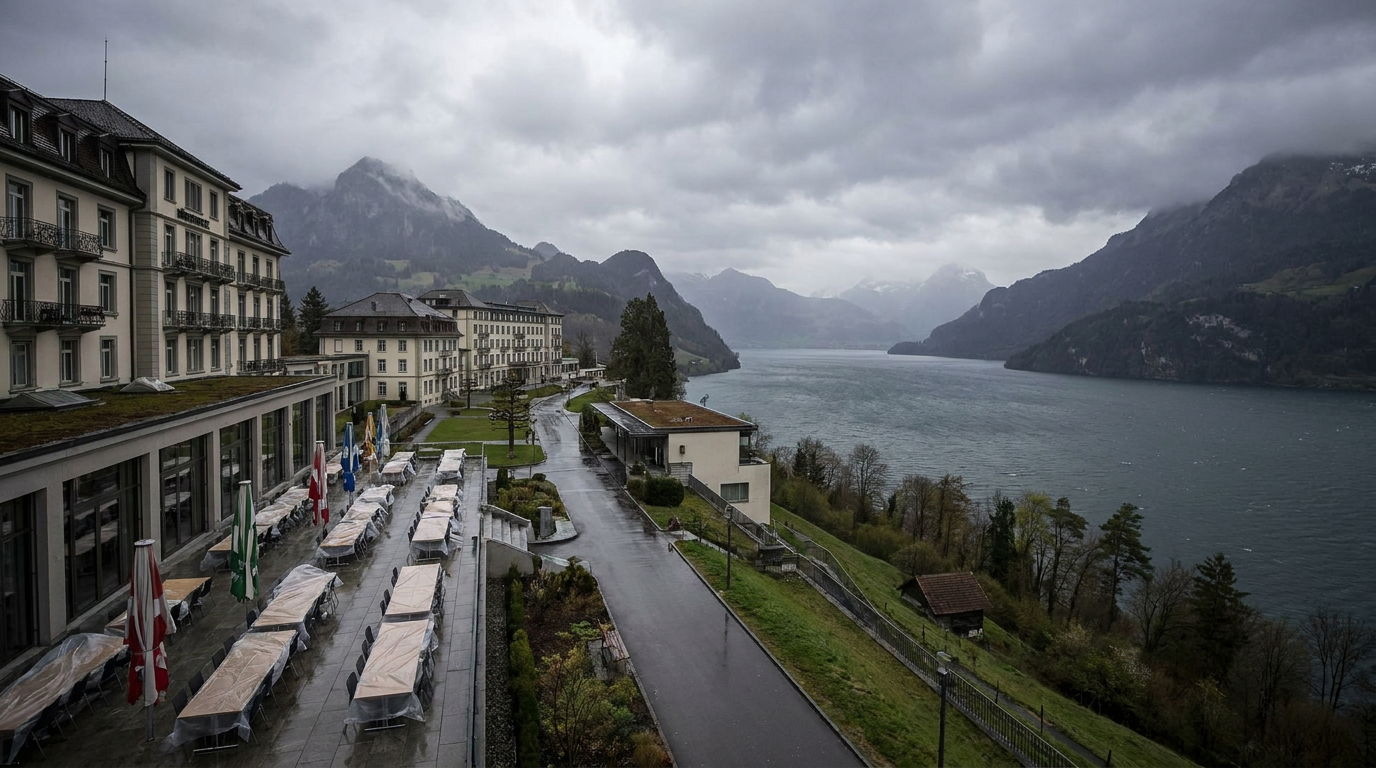
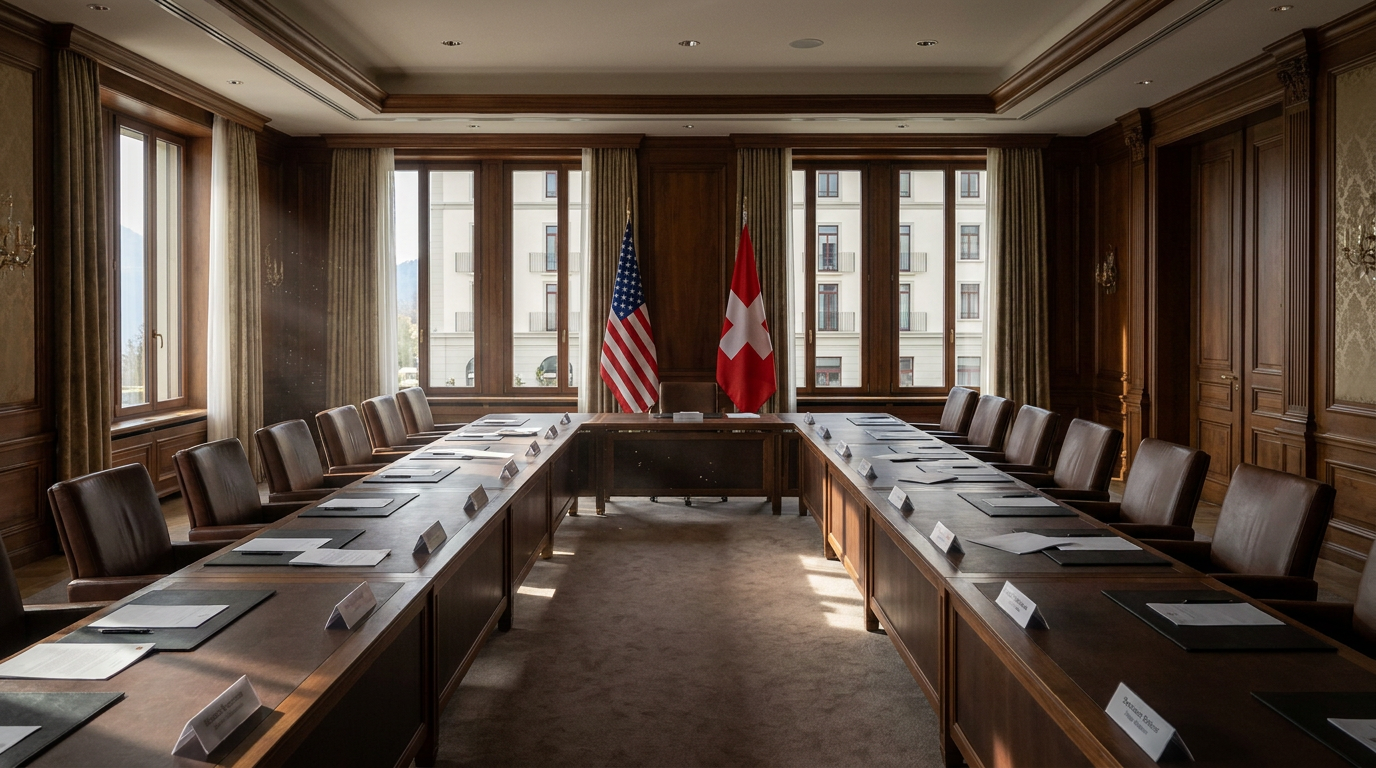
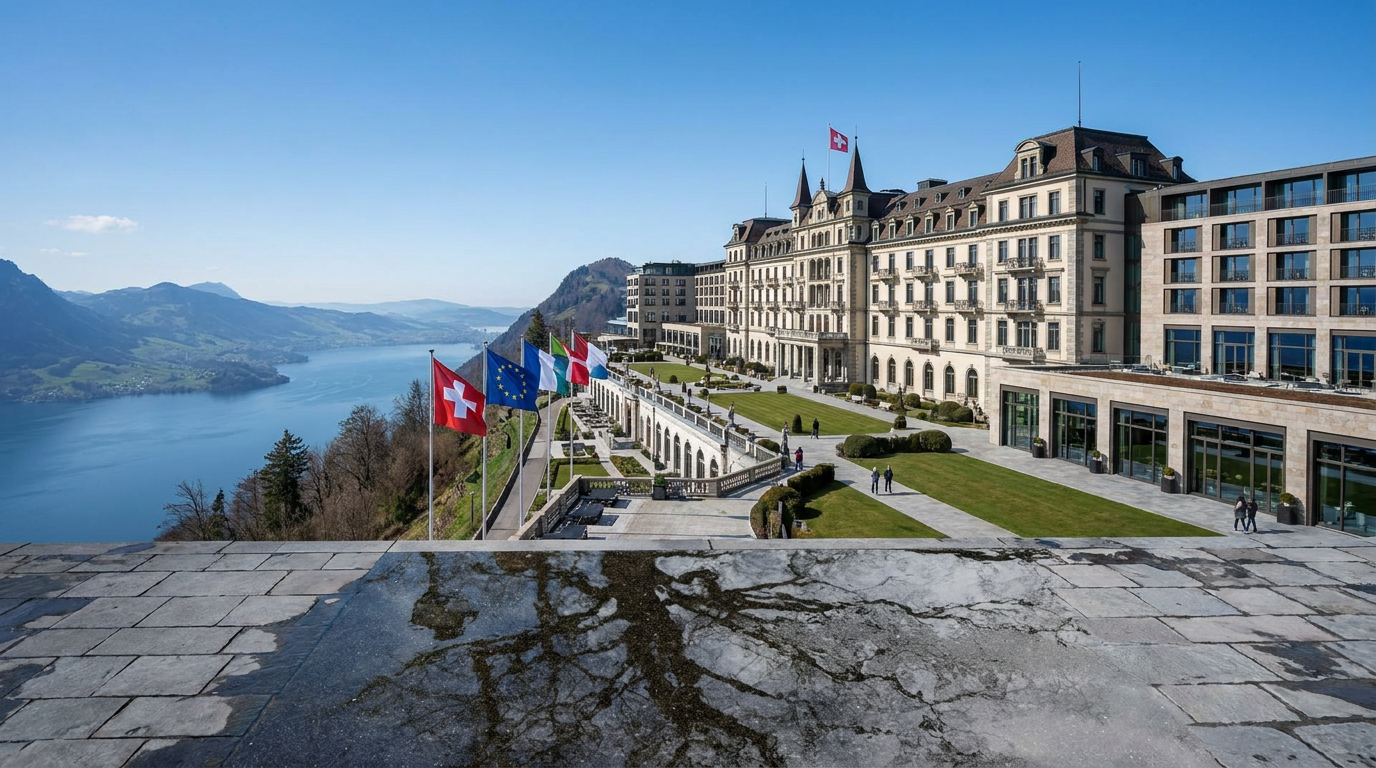
However, the diplomatic pivot to face-to-face negotiations has stalled before it could begin. Vice President JD Vance was scheduled to fly to Switzerland this weekend to lead the U.S. delegation in technical talks, but the White House abruptly postponed the trip late Thursday.[5]
U.S. officials cited the unpredictable logistics of the negotiations, but regional reports indicate a deeper breakdown. Iran reportedly suspended its delegation's departure in protest of ongoing Israeli military operations against Hezbollah in southern Lebanon. Tehran insists that the MOU mandates a complete cessation of hostilities on all fronts, warning that any Israeli strikes deeper than 10 kilometers into Lebanon violate the agreement's first article.[5][6]
Israel, which is not a signatory to the U.S.-Iran pact, has forcefully rejected those constraints. Prime Minister Benjamin Netanyahu stated that Israel is not bound by the geopolitical considerations of the agreement and will maintain its security zone in southern Lebanon as long as necessary.[2]
Netanyahu also emphasized that Israel will not limit its freedom of action to prevent Tehran from obtaining a nuclear weapon, distancing his government from Trump's decision to end the military campaign. The Israeli political establishment has broadly condemned the deal, with officials arguing that it leaves Israel isolated and fails to secure long-term safety.[2][7]

The Israeli political establishment has broadly condemned the deal, with officials arguing that it leaves Israel isolated and fails to secure long-term safety.
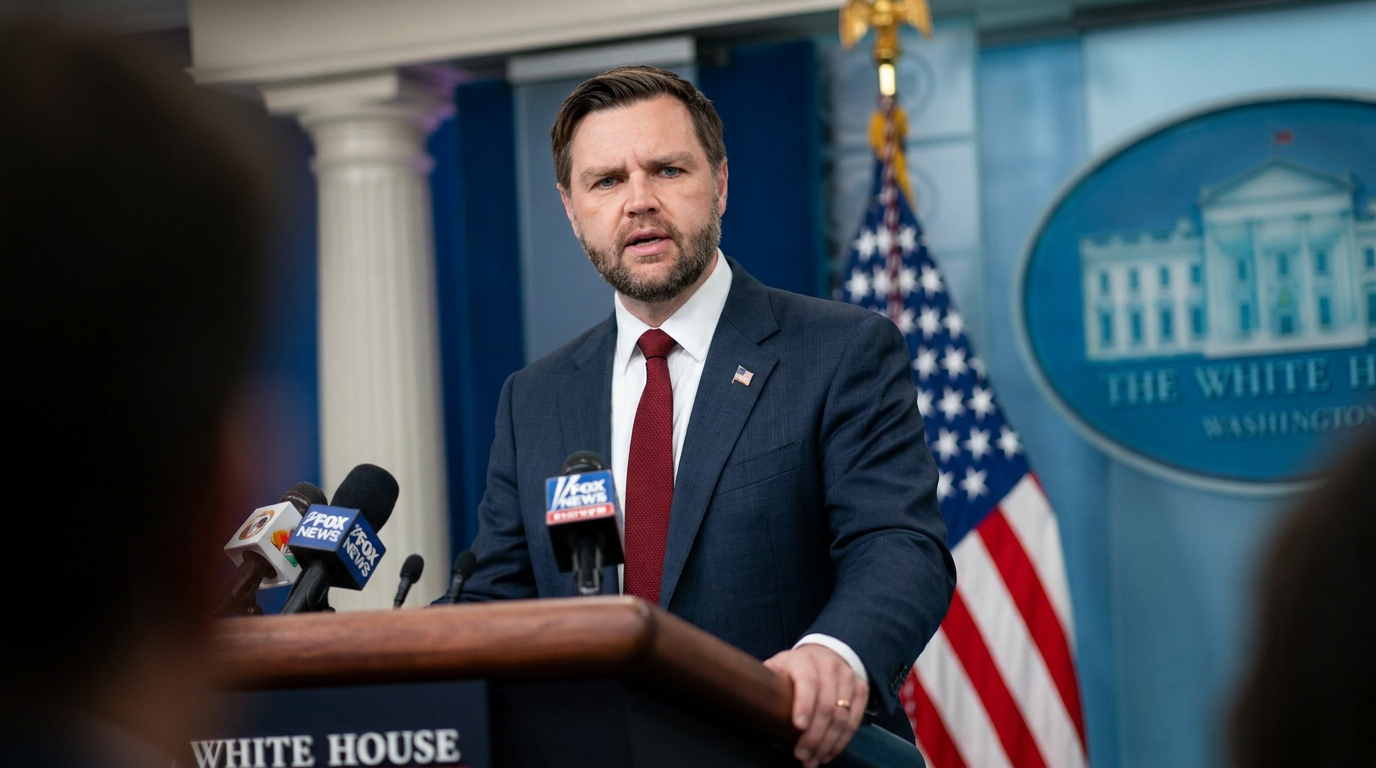
The Israeli resistance prompted an unusually sharp public rebuke from the White House. During a press briefing, Vice President Vance warned Israeli cabinet members to wake up and smell the reality of their international isolation, suggesting they should not attack their only powerful ally.[1]
Vance underscored the depth of American support by noting that two-thirds of the defensive weapons used by Israel over the past three months were paid for by U.S. taxpayers. He reiterated that the Trump administration remains uniquely sympathetic to Israel, but expects compliance with the broader regional de-escalation.[1]
As the diplomatic spat unfolds, a new flashpoint is emerging in the Persian Gulf. While Iran has agreed to suspend any transit charges in the Strait of Hormuz for the initial 60-day negotiation period, Tehran announced plans to implement a system of maritime service fees once that window expires.[3][8]
Iranian officials frame the proposed charges as necessary to cover the costs of managing the waterway and clearing mines. However, the move has drawn immediate backlash from neighboring Gulf Arab states. Saudi Arabia's foreign minister publicly challenged the plan, noting that the strait was managed safely and freely before the conflict began.[3][8]

The proposed fees also face significant legal hurdles. The Institute for the Study of War notes that the Strait of Hormuz is an international strait, and under the United Nations Convention on the Law of the Sea (UNCLOS), bordering states are not permitted to restrict transit passage or impose charges.[4]
The dispute over the strait complicates broader economic incentives tied to the peace deal. As part of the de-escalation, the U.S. has agreed to help establish a $350 billion reconstruction fund for Iran, heavily reliant on private-sector investment from Gulf allies. Iran's economy minister cautioned that the lifting of the U.S. blockade and oil export restrictions will not immediately resolve the country's severe budget pressures.[3]
The ultimate goal of the 60-day window is a comprehensive agreement on Iran's nuclear program. Vance stated that the technical talks aim to secure the complete destruction of Tehran's stockpile of enriched uranium, effectively dismantling its pathway to a nuclear weapon.[5]
Yet the uncertainty surrounding the negotiations is profound. The U.S. expects a complete ceasefire on all fronts, as Trump posted on social media, but Washington lacks direct control over the military actions of either Israel or Iran's proxy network. Until the delegations arrive in Switzerland and resolve the Lebanon dispute, the Middle East remains suspended in a precarious geopolitical limbo.[3]
How we got here
February 2026
The U.S. and Israel launch a joint military campaign against Iran.
June 17, 2026
President Trump and Iranian President Pezeshkian electronically sign the Islamabad MOU to end hostilities.
June 18, 2026
The U.S. lifts its naval blockade of Iranian ports, and Iran reopens the Strait of Hormuz to commercial traffic.
June 18, 2026
VP JD Vance sharply rebukes Israeli criticism of the deal and subsequently delays his trip to Switzerland for technical talks.
Viewpoints in depth
The U.S. Administration's view
The White House views the MOU as a historic victory that ends the war and paves the way for nuclear disarmament.
The Trump administration argues that the Islamabad MOU successfully halts a costly regional war while securing the reopening of the Strait of Hormuz. Vice President JD Vance and other officials maintain that the upcoming 60-day negotiation window provides a concrete pathway to dismantle Iran's enriched uranium stockpile. Frustrated by Israeli pushback, the administration insists that its allies must recognize geopolitical realities and comply with the broader de-escalation effort.
The Israeli Government's view
Israeli leaders view the agreement as a strategic disaster that fails to guarantee long-term security.
Across the Israeli political spectrum, the U.S.-Iran deal is viewed with deep suspicion and anger. Prime Minister Benjamin Netanyahu has explicitly stated that Israel is not a signatory and is not bound by the agreement's terms, particularly regarding military operations in southern Lebanon. Israeli officials argue that the deal prematurely relieves pressure on Tehran without permanently neutralizing its nuclear or proxy threats, leaving Israel isolated in its ongoing security campaigns.
The Iranian Leadership's view
Tehran claims a strategic victory, demanding full Israeli withdrawal from Lebanon and asserting control over the Strait of Hormuz.
Iranian officials are framing the end of the U.S. naval blockade and the signing of the MOU as a triumph of endurance. Tehran insists that the agreement's ceasefire provisions mandate a complete Israeli withdrawal from Lebanon, using this as leverage to stall technical talks in Switzerland. Furthermore, Iran is using the diplomatic opening to assert long-term sovereign control over the Strait of Hormuz, planning to implement maritime service fees once the initial 60-day grace period expires.
What we don't know
- Whether the U.S. and Iranian delegations will successfully convene in Switzerland for technical talks.
- If Israel will escalate its military operations against Hezbollah in southern Lebanon despite the MOU.
- Whether the international community will successfully block Iran's plan to charge fees in the Strait of Hormuz.
Key terms
- Islamabad MOU
- The memorandum of understanding brokered by Pakistan that establishes a ceasefire and a 60-day negotiation framework between the U.S. and Iran.
- Strait of Hormuz
- A critical, narrow international waterway between the Persian Gulf and the Gulf of Oman through which a significant portion of the world's oil passes.
- UNCLOS
- The United Nations Convention on the Law of the Sea, an international treaty that establishes guidelines for businesses, the environment, and the management of marine natural resources.
- Enriched Uranium
- A type of uranium in which the percent composition of uranium-235 has been increased, a necessary step for both civilian nuclear power and nuclear weapons.
Frequently asked
What is the Islamabad MOU?
It is a memorandum of understanding signed by the U.S. and Iran to end their recent military conflict, triggering a 60-day negotiation period on nuclear issues and sanctions.
Why did JD Vance delay his trip to Switzerland?
The White House cited logistical issues, but reports indicate Iran suspended its delegation's travel in protest of ongoing Israeli military strikes in southern Lebanon.
Will ships have to pay to use the Strait of Hormuz?
Iran has agreed not to charge fees for the first 60 days, but plans to implement maritime "service fees" afterward, a move that faces international legal challenges.
How has Israel reacted to the deal?
Israeli leaders have strongly criticized the agreement, stating that Israel is not bound by it and will continue its military operations against Hezbollah in Lebanon.
Sources
Source coverage
8 outlets
4 viewpoints surfaced








[1]Washington PostU.S. Administration
Vance slams Israeli reaction to Iran deal as U.S. military lifts blockade
Read on Washington Post →[2]Times of IsraelIsraeli Government
Netanyahu distances Israel from US-Iran deal, vows to maintain freedom of action
Read on Times of Israel →[3]The GuardianRegional & Legal Analysts
Iran plans maritime fees in strait of Hormuz after US lifts blockade
Read on The Guardian →[4]Institute for the Study of WarRegional & Legal Analysts
Iran Update, June 18, 2026
Read on Institute for the Study of War →[5]CBS NewsU.S. Administration
Vance no longer traveling to Switzerland for talks with Iran tonight, White House says
Read on CBS News →[6]Al JazeeraIranian Leadership
Iran war live: JD Vance delays trip to Switzerland for talks with Tehran
Read on Al Jazeera →[7]AxiosIsraeli Government
Trump Iran deal leaves Israel's Netanyahu fuming, allies raging
Read on Axios →[8]Anadolu AgencyIranian Leadership
Iran says traffic through Strait of Hormuz 'will be increased gradually'
Read on Anadolu Agency →
More in news politics
See all 7 stories →Middle East Peace Process
US-Iran Peace Talks in Switzerland Abruptly Cancelled Amid Renewed Regional Strikes
8 sources
US-Iran Relations
US-Iran Peace Talks in Switzerland Abruptly Canceled Amid Lebanon Strikes
8 sources
Iran Nuclear Deal
U.S.-Iran Nuclear Talks in Switzerland Delayed Days After Historic Ceasefire Agreement
8 sources
Second Amendment
Supreme Court Rules Marijuana Users Cannot Be Automatically Stripped of Gun Rights
8 sources
Every angle. Every day.
Get news politics stories with full source coverage and perspective breakdowns delivered to your inbox.