
U.S. and Iran Abruptly Cancel Direct Nuclear Talks in Switzerland
A planned summit in Switzerland to negotiate a permanent U.S.-Iran nuclear and oil agreement has been suddenly called off, pausing a critical 60-day diplomatic window. The delay raises immediate questions about the viability of the recently signed 14-point memorandum of understanding.
By Factlen Editorial Team
- Diplomatic Pragmatists
- Focus on the necessity of the 14-point framework to prevent nuclear proliferation and stabilize global energy markets.
- Security Skeptics
- Argue that sanctions relief empowers Iranian proxies and that the preliminary deal fails to dismantle nuclear infrastructure.
- Regional Critics
- Emphasize that Western focus on the nuclear deal ignores ongoing regional conflicts and view U.S. hesitation as proof of untrustworthiness.
What's not represented
- · European Union Mediators
- · Global Energy Importers
Why this matters
The sudden collapse of these talks threatens to unravel a fragile 14-point framework designed to stabilize global oil markets and cap Iran's nuclear enrichment. If the 60-day diplomatic window closes without a permanent deal, the Middle East faces a renewed risk of military escalation and severe energy supply disruptions.
Key points
- Direct U.S.-Iran nuclear talks scheduled for Friday in Switzerland were abruptly cancelled.
- The summit was meant to build on a newly signed 14-point memorandum of understanding.
- The preliminary agreement opened a 60-day window to negotiate a permanent treaty.
- U.S. domestic political pressure and skepticism over sanctions relief preceded the delay.
- Global oil markets experienced immediate volatility following the diplomatic halt.
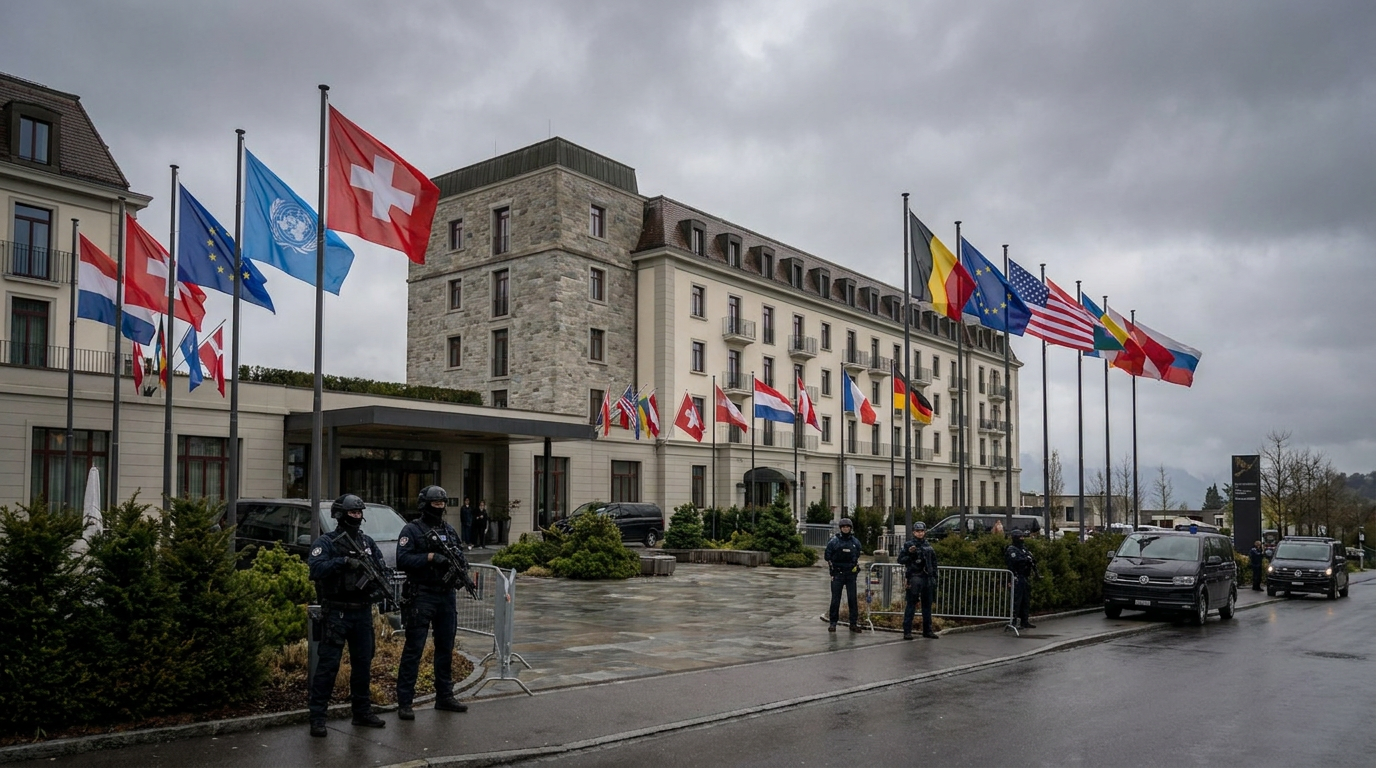
High-level U.S. and Iranian delegations have abruptly canceled a highly anticipated diplomatic summit in Obbürgen, Switzerland, halting momentum on a newly minted framework agreement. The direct talks were scheduled to begin Friday but were called off by the Swiss foreign ministry just hours before officials were set to arrive.[1][3]
The summit was intended to be the first major step in implementing a 14-point memorandum of understanding (MOU) signed earlier this week. That preliminary agreement opened a strict 60-day window for Washington and Tehran to negotiate a permanent treaty capping Iran’s nuclear program in exchange for the easing of international sanctions on Iranian oil traffic.[1][3]
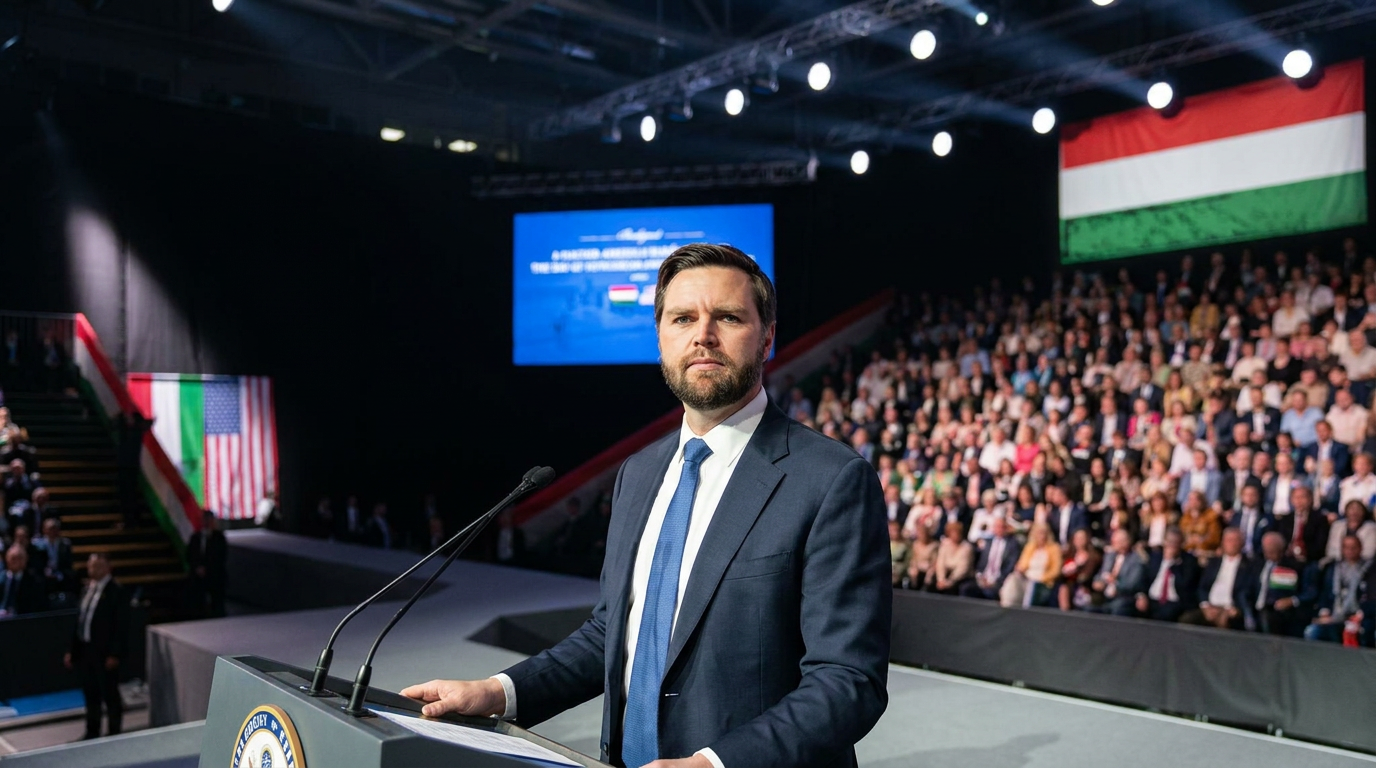
U.S. Vice President JD Vance’s staff were already staged at a nearby airbase, preparing for a formal signing ceremony, when the trip was delayed and ultimately scrapped. U.S. officials have not provided a definitive reason for the sudden reversal, though domestic political pressure and logistical complexities appear to be converging.[1][2]

In Washington, the prospect of a sweeping deal with Tehran has faced intense scrutiny. Conservative lawmakers have voiced deep skepticism about granting sanctions relief, arguing that any financial windfall from normalized oil exports would be funneled to Iranian proxy groups across the Middle East rather than benefiting the civilian economy.[4][8]
In Washington, the prospect of a sweeping deal with Tehran has faced intense scrutiny.
The diplomatic freeze occurs against a backdrop of ongoing regional volatility. While Western capitals have focused heavily on the potential nuclear breakthrough, regional observers note that the broader conflicts involving Israeli forces and Iranian-backed groups remain entirely unresolved, complicating any isolated bilateral agreements.[5]
Israeli officials have quietly welcomed the delay. Jerusalem has consistently characterized the 14-point framework as a dangerous concession that fails to dismantle Iran's existing nuclear infrastructure, warning that Tehran is using the 60-day diplomatic window to buy time while continuing its regional military operations.[7]

Iranian state media, meanwhile, has framed the cancellation as evidence of American unreliability. Officials in Tehran suggest that internal U.S. political divisions are preventing Washington from honoring the initial MOU, warning that the 60-day window will not be extended if the U.S. continues to hesitate on its commitments.[6]
The abrupt halt has immediately rippled through global energy markets. Traders had priced in the potential return of millions of barrels of Iranian crude to the legitimate market; the sudden uncertainty has caused a spike in Brent crude futures as the prospect of sustained sanctions relief dims.[8]

How we got here
Earlier this week
The U.S. and Iran sign a 14-point memorandum of understanding.
Wednesday
A 60-day window officially opens to negotiate a permanent nuclear and oil traffic agreement.
Thursday evening
U.S. officials delay their departure for the Obbürgen summit.
Friday morning
The Swiss foreign ministry officially announces the cancellation of the direct talks.
Viewpoints in depth
U.S. Administration & Allies
Seeking a stabilized Middle East and capped nuclear program through structured, phased agreements.
Proponents of the talks argue that the 14-point framework represents the most viable path to preventing a nuclear-armed Iran without resorting to military conflict. By offering phased sanctions relief tied strictly to verifiable caps on uranium enrichment, they believe the 60-day window can yield a sustainable diplomatic architecture that also calms volatile global energy markets.
Israeli & Regional Security Hawks
Viewing any sanctions relief as dangerous appeasement that funds proxy wars without dismantling nuclear infrastructure.
Security skeptics contend that the current framework is fundamentally flawed because it leaves Iran's core nuclear infrastructure intact while providing immediate financial windfalls. They argue that unfreezing Iranian assets and allowing legal oil exports will directly subsidize militant proxy groups across the Middle East, ultimately destabilizing the region further rather than securing peace.
Iranian Establishment
Demanding immediate economic relief and viewing U.S. hesitation as proof of untrustworthiness.
From Tehran's perspective, the abrupt cancellation of the summit validates long-standing internal arguments that Washington cannot be trusted to honor its commitments. Iranian officials maintain that they have agreed to the 14-point framework in good faith and warn that if the U.S. allows domestic politics to run out the 60-day clock, Iran will rapidly accelerate its nuclear activities.
What we don't know
- The specific logistical or political trigger that caused the U.S. delegation to halt their travel at the last minute.
- Whether the talks will be rescheduled before the 60-day diplomatic window expires.
- How closely European intermediaries were involved in the decision to cancel the direct summit.
Key terms
- 14-point MOU
- A preliminary memorandum of understanding outlining the framework for a permanent U.S.-Iran nuclear and economic treaty.
- Sanctions relief
- The removal of international financial and trade restrictions, specifically targeting Iran's ability to legally export crude oil.
Frequently asked
Why were the Switzerland talks cancelled?
Official reasons have not been fully disclosed, but the cancellation follows intense U.S. domestic political pressure and logistical delays regarding the delegation's travel.
What is the 14-point agreement?
It is a preliminary memorandum of understanding signed earlier in the week that outlines a framework to cap Iran's nuclear program in exchange for easing sanctions on its oil exports.
Is the diplomatic window closed?
Not yet. The initial agreement opened a 60-day window for negotiations, which remains active despite the cancellation of this specific summit.
Sources
Source coverage
8 outlets
3 viewpoints surfaced








[1]The GuardianDiplomatic Pragmatists
US-Iran talks in Switzerland abruptly called off
Read on The Guardian →[2]NYTDiplomatic Pragmatists
Vance Delays Trip to Switzerland for Direct Talks on Iran Deal
Read on NYT →[3]ReutersDiplomatic Pragmatists
US, Iran suspend planned nuclear talks in Switzerland
Read on Reuters →[4]Fox NewsSecurity Skeptics
Vance halts Switzerland trip as Iran deal faces mounting GOP scrutiny
Read on Fox News →[5]Al JazeeraRegional Critics
Behind the noise of an ‘Iran deal’, Palestine continues to burn
Read on Al Jazeera →[6]Tehran TimesRegional Critics
US hesitation delays critical diplomatic window in Switzerland
Read on Tehran Times →[7]Times of IsraelSecurity Skeptics
Israel welcomes US delay on 'dangerous' Iran nuclear concessions
Read on Times of Israel →[8]Wall Street JournalSecurity Skeptics
Oil markets jittery as US-Iran diplomatic window narrows
Read on Wall Street Journal →
More in news politics
See all 9 stories →Cognitive Resilience
Evidence Pack: Does 'Pre-Bunking' Actually Stop Political Misinformation?
7 sources

Climate Finance
UN Agencies Launch Urgent $202 Million Appeal as El Niño Threatens 8.8 Million People
8 sources

Automated Verification
How AI is Quietly Saving Local Fact-Checking from the Misinformation Flood
7 sources

14-Point Agreement
US-Iran Peace Talks in Switzerland Abruptly Cancelled Days After 14-Point Ceasefire Agreement
7 sources
Every angle. Every day.
Get news politics stories with full source coverage and perspective breakdowns delivered to your inbox.