
U.S. Delays High-Level Iran Talks in Switzerland as Vance Rebukes Israeli Critics
Vice President JD Vance abruptly postponed a trip to Switzerland for direct negotiations with Iran over a newly signed 14-point ceasefire agreement. The delay comes as Vance sharply criticized Israeli cabinet members for opposing the deal, reminding them of their reliance on American military aid.
By Factlen Editorial Team
- U.S. Executive Branch Focus
- Prioritizes ending the war, stabilizing global energy markets, and demanding alignment from regional allies.
- Global Diplomatic Observers
- Analyzes the geopolitical shifts, the fracturing of the U.S.-Israel alliance, and the mechanics of the nuclear negotiations.
- Middle Eastern Mediators
- Focuses on the logistical implementation of the ceasefire and the perspectives of regional stakeholders.
What's not represented
- · Lebanese civilians affected by ongoing Israeli strikes
- · Commercial shipping operators in the Strait of Hormuz
- · Iranian citizens facing economic impacts of the transition
Why this matters
The abrupt delay in high-level talks introduces uncertainty into a fragile 60-day ceasefire between the U.S. and Iran. Meanwhile, the unprecedented public rebuke of Israel by the U.S. Vice President signals a historic fracture in the alliance, potentially reshaping Middle Eastern security dynamics.
Key points
- Vice President JD Vance postponed his trip to Switzerland for direct talks with Iran due to logistical challenges.
- The summit was intended to implement a newly signed 14-point memorandum establishing a 60-day ceasefire.
- Vance publicly rebuked Israeli cabinet members for criticizing the deal, reminding them of their reliance on U.S. weapons.
- Despite the high-level delay, the U.S. has lifted its naval blockade and technical talks will proceed.
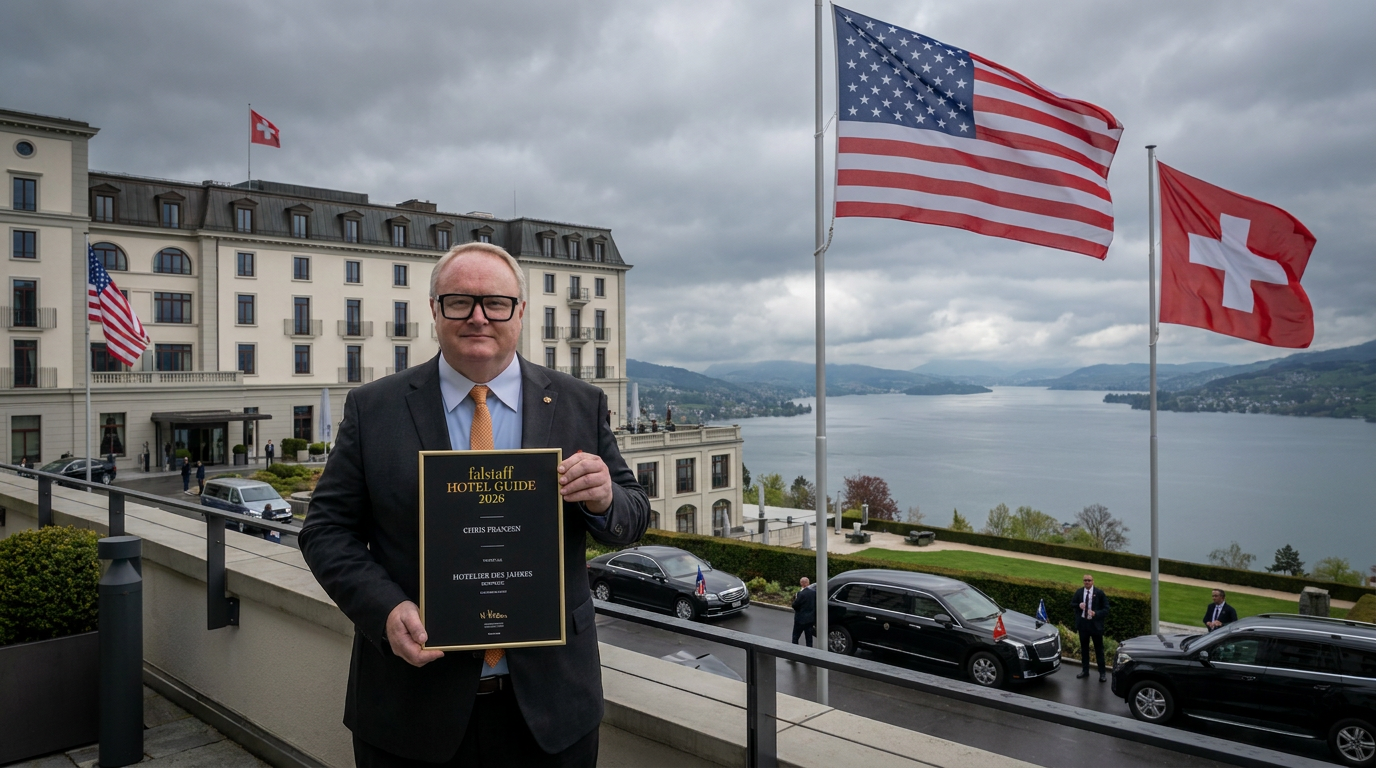
Vice President JD Vance’s planned trip to Switzerland for direct negotiations with Iran was abruptly postponed late Thursday, throwing a sudden logistical wrench into the implementation of a newly signed peace agreement. The White House cited "logistics" for the delay, noting that while the U.S. delegation remains prepared to depart at the first available opportunity, the complexities of the summit proved unpredictable. The cancellation came so late that Vance’s staff and a small pack of journalists had already gathered at Joint Base Andrews outside Washington in anticipation of the flight. Dozens of White House officials and advance staffers were already on the ground in Switzerland preparing for the Vice President's arrival.[1][2][3]
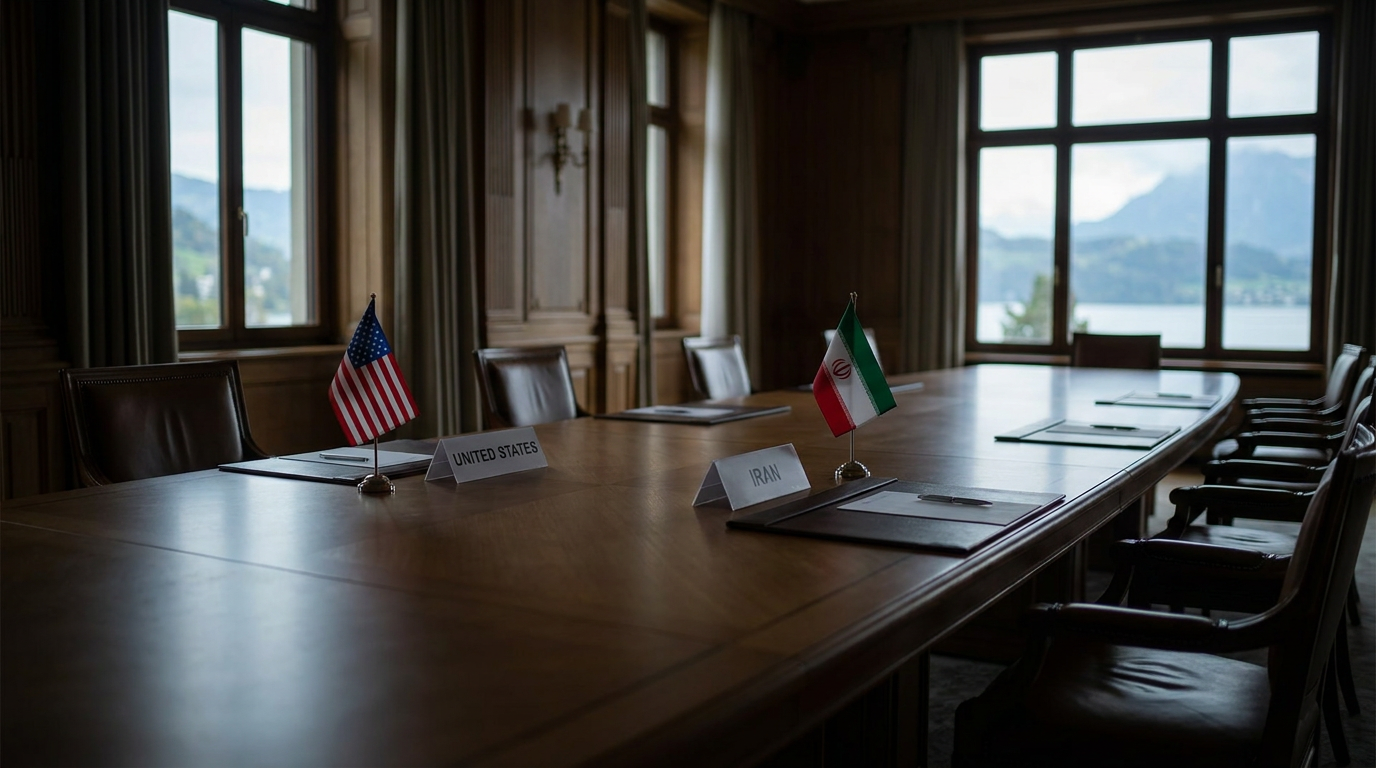
The high-stakes talks at the Bürgenstock resort were intended to formally kick off a 60-day negotiation window established by a 14-point Memorandum of Understanding. The framework, which was signed electronically earlier in the week by President Donald Trump and Iranian President Masoud Pezeshkian, aims to permanently end the recent U.S.-Israeli war with Iran. Because the document was executed remotely, diplomatic protocol shifted rapidly; Pakistan’s Prime Minister Shehbaz Sharif, acting as a key mediator, canceled his in-person attendance, which likely contributed to the summit being downgraded from a high-level signing ceremony to working-level technical talks.[5][6]
The memorandum outlines sweeping geopolitical shifts designed to de-escalate the four-month conflict. Key provisions include the immediate lifting of a U.S. naval blockade on Iranian ports, the reopening of the Strait of Hormuz to commercial shipping, and the potential creation of a $300 billion reconstruction fund for Iran. In exchange, American and international negotiators are tasked with securing permanent, verifiable constraints on Tehran’s nuclear program. The U.S. military confirmed Thursday that it had officially lifted the blockade, and commercial tanker traffic immediately began to resume through the critical maritime chokepoint.[5][6]

The diplomatic delay in Switzerland coincides with a remarkable public rift between the Trump administration and its closest Middle Eastern ally over the terms of the ceasefire. On Thursday, Vice President Vance delivered an extraordinary and highly public rebuke to hardline members of Israeli Prime Minister Benjamin Netanyahu’s cabinet who have fiercely criticized the agreement. The blunt messaging underscores the administration's growing frustration with Israel’s ongoing military operations in Lebanon, which U.S. officials fear could derail the fragile detente with Tehran before the ink is fully dry.[1]
The blunt messaging underscores the administration's growing frustration with Israel’s ongoing military operations in Lebanon, which U.S.
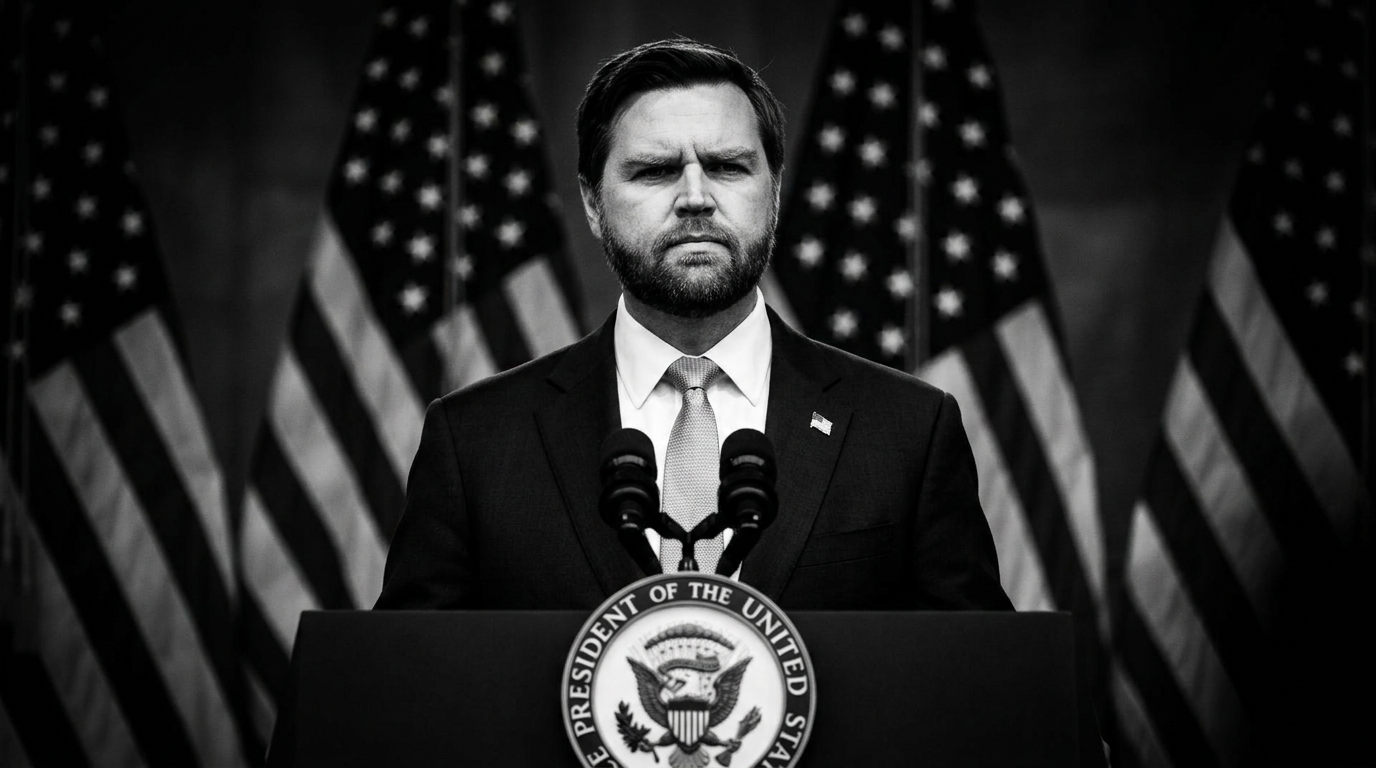
Speaking to reporters at the White House, Vance warned Israeli officials against alienating their "only powerful ally left in the entire world." He specifically targeted National Security Minister Itamar Ben-Gvir and Finance Minister Bezalel Smotrich, who have publicly slammed the deal as a capitulation. Vance forcefully reminded the cabinet members that two-thirds of the defensive weapons protecting Israel over the last three months were "built by American hands and paid for by American tax dollars," adding that anyone who views the U.S. president as their biggest problem needs to "wake up and smell the reality."[1]
The friction stems from fundamentally diverging security priorities following the joint U.S.-Israeli military campaign launched against Iran in late February. While the Trump administration is now pivoting away from regime-change rhetoric and prioritizing global economic stability, Israeli hardliners view the ceasefire as a dangerous pause that leaves Iran’s nuclear infrastructure intact while rewarding Tehran with massive sanctions relief. Israel recently published maps showing an expanded military control zone in southern Lebanon, directly challenging the broader de-escalation terms envisioned by Washington.[1][4]

Despite the high-level absences and the geopolitical friction, the Swiss foreign ministry confirmed that initial negotiations involving mediators from Qatar and Pakistan will still proceed on Friday. The stakes for these technical talks are immense. The lifting of the naval blockade marks a significant concession by the United States, effectively ending a campaign that crippled Iranian shipping and sent global energy prices soaring. Analysts note that the resumption of oil exports through the Strait of Hormuz—which handles roughly one-fifth of the world’s oil supply—is critical for stabilizing markets and reducing inflationary pressure.[1][5][6]
As technical teams prepare to meet in Geneva, the clock is already ticking on the 60-day window. Negotiators must bridge massive gaps regarding nuclear oversight, the funding of regional proxy forces, and long-term maritime security before the interim truce expires. They must do so while navigating intense scrutiny from skeptical lawmakers in Washington, who are demanding transparency regarding the $300 billion reconstruction fund, and managing the increasingly volatile diplomatic fallout between the United States and Israel.[3][5]

The coming weeks will test whether the 14-point framework can evolve from a fragile political document into a durable treaty. Iranian negotiators have insisted they need to see tangible implementation of the interim agreement—specifically sustained sanctions relief and unimpeded maritime access—before making permanent concessions on their highly enriched uranium stockpiles. If the technical talks in Switzerland falter, the region risks sliding back into a conflict that has already depleted U.S. munitions stockpiles and reshaped the Middle Eastern alliance structure.[1][5]
How we got here
Feb 2026
The United States and Israel jointly launch a military campaign against Iran.
Apr 2026
President Trump announces a comprehensive U.S. naval blockade on Iranian ports.
Jun 17, 2026
The U.S. and Iran electronically sign a 14-point Memorandum of Understanding to end the war.
Jun 18, 2026
The U.S. lifts its naval blockade, and VP JD Vance sharply rebukes Israeli critics of the deal.
Jun 18, 2026 (Late)
The White House abruptly postpones Vance's trip to Switzerland for direct negotiations.
Viewpoints in depth
The Trump Administration's View
The ceasefire is a necessary pragmatic step to end a costly war and stabilize global energy markets.
Administration officials argue that the four-month war depleted U.S. munitions and spiked global inflation without a clear endgame. By securing a 60-day ceasefire and reopening the Strait of Hormuz, they believe they have stabilized the global economy. They view Israeli criticism of the deal as ungrateful, emphasizing that American taxpayers heavily subsidize Israel's defense, and insist that allies must align with Washington's broader strategic pivot away from regime-change wars.
Israeli Hardliners' View
The agreement is a dangerous capitulation that leaves Iran's nuclear infrastructure intact.
Hardline members of Prime Minister Benjamin Netanyahu's cabinet, including Itamar Ben-Gvir and Bezalel Smotrich, argue that the 14-point memorandum rewards Tehran for its aggression. They warn that lifting the naval blockade and offering a $300 billion reconstruction fund will only enrich Iran without permanently dismantling its nuclear capabilities. Furthermore, they believe the deal unfairly constrains Israel's ability to secure its northern border against Hezbollah militants in Lebanon.
Iranian Negotiators' View
Tangible sanctions relief and maritime access must precede any permanent nuclear concessions.
Iranian officials maintain that the recent conflict has ultimately strengthened their diplomatic and military posture. While Supreme Leader Mojtaba Khamenei approved the interim agreement, Tehran remains deeply skeptical of U.S. promises. Negotiators insist that the United States must fully implement the lifting of the naval blockade and provide concrete economic relief before Iran will agree to permanent, verifiable constraints on its highly enriched uranium stockpiles.
What we don't know
- Whether the technical talks in Switzerland will successfully transition into a permanent nuclear treaty.
- How the $300 billion reconstruction fund for Iran will be financed and overseen.
- If Israel will comply with U.S. pressure to scale back its military operations in Lebanon.
Key terms
- 14-Point Memorandum of Understanding
- The interim framework signed by the U.S. and Iran establishing a 60-day ceasefire and outlining terms for sanctions relief and nuclear negotiations.
- Strait of Hormuz
- A crucial maritime chokepoint between the Persian Gulf and the Gulf of Oman, through which roughly 20 percent of the world's oil supply passes.
- Naval Blockade
- A military operation in which the U.S. Navy actively prevented commercial and military vessels from accessing Iranian ports, lifted as part of the new agreement.
Frequently asked
Why did JD Vance cancel his trip to Switzerland?
The White House cited logistical challenges, though the summit was also downgraded after Pakistan's Prime Minister canceled his in-person attendance because the agreement had already been signed electronically.
What did Vice President Vance say to Israel?
Vance warned Israeli cabinet members to stop criticizing the U.S.-Iran deal, reminding them that two-thirds of the defensive weapons protecting Israel were built and paid for by the United States.
What is in the 14-point agreement?
The framework includes a 60-day ceasefire, the lifting of the U.S. naval blockade, the reopening of the Strait of Hormuz, and the potential for a $300 billion reconstruction fund in exchange for Iranian nuclear concessions.
Has the war officially ended?
The agreement establishes a 60-day window to negotiate a permanent end to the conflict, though the U.S. has already lifted its blockade and commercial shipping is resuming.
Sources
Source coverage
6 outlets
3 viewpoints surfaced






[1]The GuardianGlobal Diplomatic Observers
US-Iran talks in Switzerland abruptly called off
Read on The Guardian →[2]NYTGlobal Diplomatic Observers
Vance Delays Trip to Switzerland for Direct Talks on Iran Deal
Read on NYT →[3]AxiosU.S. Executive Branch Focus
Vance postpones Iran talks trip to Switzerland
Read on Axios →[4]Fox NewsU.S. Executive Branch Focus
Iran talks take uncertain turn, Vance's Swiss departure on hold
Read on Fox News →[5]Washington PostGlobal Diplomatic Observers
U.S., Iran sign 14-point memorandum to end war
Read on Washington Post →[6]Al JazeeraMiddle Eastern Mediators
US-Iran talks in Switzerland: What we know so far
Read on Al Jazeera →
More in news politics
See all 8 stories →US-Iran Ceasefire
US-Iran Peace Talks in Switzerland Abruptly Cancelled Amid Ongoing Strikes in Lebanon
8 sources

Middle East Peace Process
US-Iran Peace Talks in Switzerland Abruptly Cancelled Amid Renewed Regional Strikes
8 sources
US-Iran Relations
US-Iran Peace Talks in Switzerland Abruptly Canceled Amid Lebanon Strikes
8 sources
Iran Nuclear Deal
U.S.-Iran Nuclear Talks in Switzerland Delayed Days After Historic Ceasefire Agreement
8 sources

Every angle. Every day.
Get news politics stories with full source coverage and perspective breakdowns delivered to your inbox.