
Donor Stem Cells Achieve 15-Year Remission in Severe Autoimmune Disease
Two patients with a severe autoimmune disorder have remained symptom-free for over 15 years after receiving an experimental donor stem-cell transplant, offering proof-of-concept for a functional cure.
By Factlen Editorial Team
- Clinical Researchers
- Focus on the biological proof-of-concept and the mechanism of immune resetting.
- Regenerative Medicine Advocates
- Advocate for a paradigm shift from symptom management to curative cellular therapies.
- Oncology & Transplant Specialists
- Emphasize the severe risk-benefit calculus of allogeneic transplants.
- Factlen Editorial Analysis
- Synthesizes the evidence, weighing the unprecedented 15-year remission against the high risks of allogeneic transplantation.
What's not represented
- · Patients who suffered severe complications from allogeneic transplants
- · Health insurance providers evaluating the cost-effectiveness of one-time cellular cures versus lifelong medication
Why this matters
Autoimmune diseases like MS, Lupus, and NMOSD are traditionally considered incurable, requiring lifelong immune-suppressing drugs. This breakthrough proves that completely replacing the immune system can permanently halt the disease, paving the way for one-time curative treatments.
Key points
- Two patients with Neuromyelitis Optica Spectrum Disorder (NMOSD) achieved 15 years of drug-free remission.
- The patients received an experimental allogeneic (donor) hematopoietic stem cell transplant.
- The procedure completely replaced their defective immune systems with healthy, self-tolerant donor cells.
- While highly effective, allogeneic transplants carry severe risks, including Graft-versus-Host Disease.
For decades, the medical consensus on severe autoimmune diseases has been grim: they can be managed, but never truly cured. Patients face a lifetime of immunosuppressive drugs that blunt the body's attacks but leave them vulnerable to opportunistic infections. Now, a landmark report published in the journal Nature offers a glimpse of a functional cure. Two patients suffering from a devastating autoimmune condition have achieved more than 15 years of complete, drug-free remission following an experimental stem-cell transplant. The findings provide powerful biological proof that the immune system can be entirely replaced, permanently halting the disease process.[1][2]
The condition at the center of the study is Neuromyelitis Optica Spectrum Disorder (NMOSD), a rare and aggressive disease where the immune system mistakenly attacks the optic nerve and the spinal cord. The resulting inflammation strips away the protective myelin coating around the nerves, leading to severe pain, vision loss, and progressive paralysis. Traditional treatments rely on chronic B-cell depletion or complement-blocking therapies, which can slow the progression of the disease but cannot reverse the underlying immune dysfunction. For patients with highly refractory cases, the disease eventually breaks through the medication.[3][5]
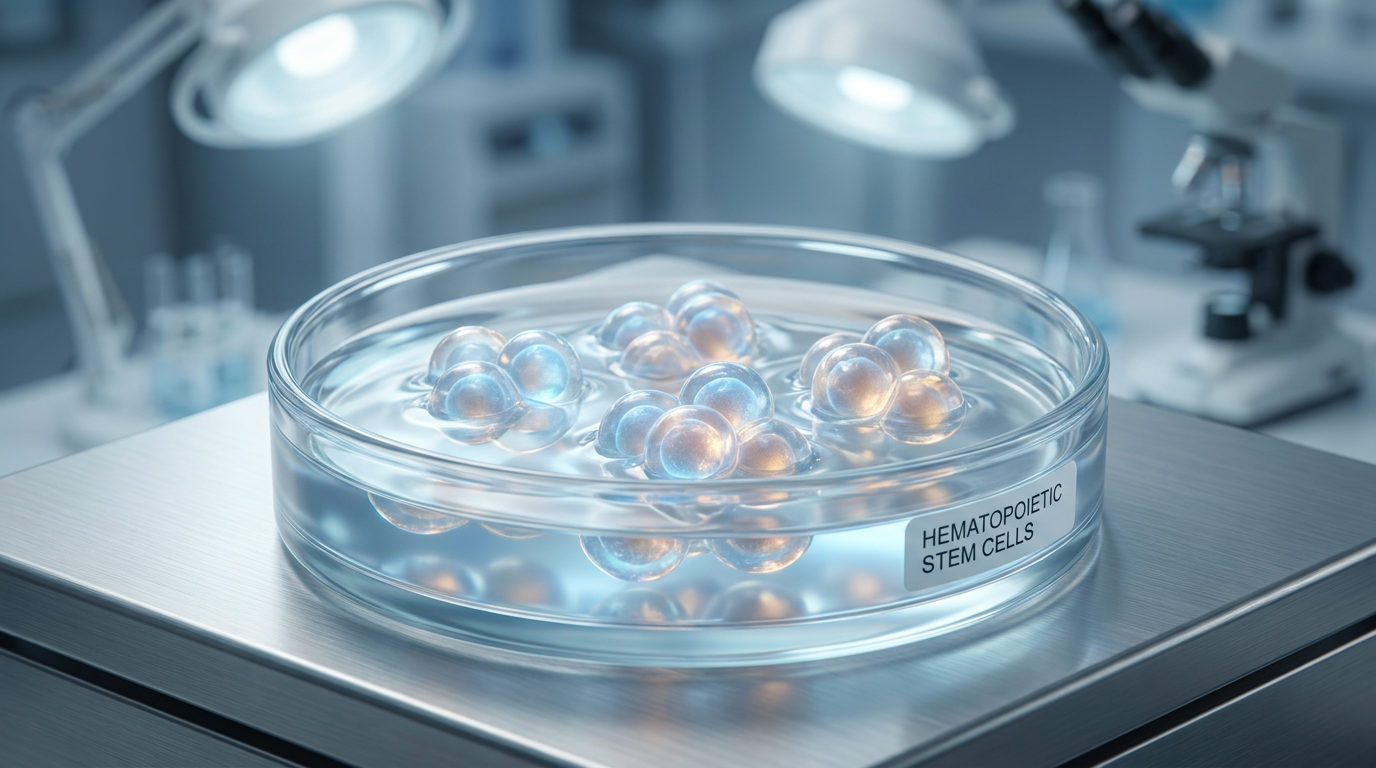
To halt the disease entirely, researchers turned to hematopoietic stem cell transplantation (HSCT). The premise of utilizing HSCT in autoimmunity is radical: rather than attempting to suppress the defective immune system, doctors use high-dose chemotherapy to completely wipe it out, and then rebuild a new, healthy immune system from scratch using stem cells. It is effectively a total "immune reset," aiming to clear out the auto-reactive cells that have learned to attack the patient's own body.[4][6]
Historically, HSCT for autoimmune diseases like multiple sclerosis and NMOSD has relied heavily on autologous transplants—procedures that use the patient's own stem cells. In these treatments, stem cells are harvested from the patient's blood, the immune system is chemically ablated, and the stored cells are reinfused to rebuild the blood and immune compartments. A major study published in Neurology demonstrated that autologous HSCT could achieve an impressive 80% relapse-free rate at five years for NMOSD patients.[3][4][5]

However, autologous transplants carry a fundamental, biological limitation: because the stem cells come from the patient, they harbor the exact same genetic predispositions that caused the autoimmune disease to develop in the first place. Over time, the newly rebuilt immune system can "remember" its old targets or re-develop the same errors, leading to late relapses. While autologous transplants buy patients years of health, they do not always provide a permanent escape from the disease.[5]
The new Nature study breaks critical ground by utilizing an allogeneic transplant—using stem cells harvested from a healthy donor rather than the patient. This marks the first published instance of an allogeneic transplant being used specifically to treat NMOSD. By introducing a healthy donor's stem cells, the procedure provides a truly "blank slate," replacing the patient's genetically predisposed immune cells with an entirely new, self-tolerant immune repertoire that has no history of attacking the host's tissues.[1][2][7]
The new Nature study breaks critical ground by utilizing an allogeneic transplant—using stem cells harvested from a healthy donor rather than the patient.
Preparing the body to accept a completely new immune system requires intense "conditioning." According to the Nature report, the two patients underwent a rigorous pre-transplant regimen that included fludarabine, treosulfan, and B-cell depleting antibodies. This specific combination of chemotherapies and targeted biologics was designed to eradicate the host's existing, auto-reactive immune cells and suppress the body enough to prevent it from rejecting the incoming donor cells.[1][2]
The clinical results of this aggressive intervention have been extraordinary. Both patients have remained completely relapse-free for over 15 years since their transplants. Crucially, they have not required any ongoing immunosuppressive medications during this entire period. In the context of severe NMOSD, where relapses are frequent, unpredictable, and cumulatively disabling, a 15-year drug-free remission is functionally indistinguishable from a definitive cure.[1][2][5][7]

The success of this allogeneic approach provides powerful evidence that autoimmunity is not an irreversible, systemic state of the body's tissues, but rather a localized defect within the hematopoietic, or blood-forming, system. If the blood-forming stem cells are entirely replaced with healthy donor cells, the disease vanishes. This biological proof-of-concept has profound implications for how researchers understand the root causes of autoimmune disorders.[4][6]
Despite the profound success observed in these two patients, the broader application of allogeneic HSCT remains highly controversial due to its severe risk profile. The primary danger is Graft-versus-Host Disease (GvHD), a potentially fatal complication where the newly implanted donor immune cells recognize the patient's body as "foreign" and begin to attack the host's organs. Managing GvHD requires its own intense regimen of immunosuppressants, which can complicate the recovery.[5][7]
Furthermore, the intense chemotherapy required to wipe out the original immune system leaves patients severely immunocompromised for months. During this vulnerable window, even minor opportunistic infections can rapidly become life-threatening. For these reasons, allogeneic transplants have traditionally been strictly reserved for lethal blood cancers like leukemia, where the immediate risk of death from the cancer outweighs the substantial risks of the transplant procedure.[4][5][7]

The Nature findings are now forcing the medical community to re-evaluate the risk-benefit calculus for severe, refractory autoimmune diseases. For patients who fail all standard therapies and face imminent paralysis, blindness, or organ failure, the curative potential of an allogeneic transplant may justify the upfront risks. The data suggests that for a carefully selected subset of patients, the danger of the intervention is lower than the danger of the untreated disease.[1][5][7]
Simultaneously, researchers at institutions like the Moffitt Cancer Center are exploring parallel cellular therapies, such as CAR T-cell therapy, which engineers a patient's own T-cells to hunt down and destroy the specific B-cells responsible for autoimmune attacks. These highly targeted approaches aim to deliver the "immune reset" benefits of a stem cell transplant without the extreme, systemic toxicity of full bone marrow ablation.[4]
The 15-year milestone achieved by the patients in the Nature study represents a watershed moment in immunology and regenerative medicine. It proves definitively that the most intractable autoimmune diseases can be permanently banished. The challenge for the next decade of medical research will be refining these cellular therapies—making the "immune reset" safe enough, and targeted enough, to offer to millions of patients before their diseases cause irreversible damage.[1][2][6][7]
How we got here
2000s
Researchers begin experimenting with autologous stem cell transplants to 'reset' the immune system in severe autoimmune cases.
2011
The two patients in the Nature study receive experimental allogeneic (donor) stem cell transplants for NMOSD.
2019
A major study in Neurology confirms that autologous transplants can achieve long-term remission in 80% of NMOSD patients, though some still relapse.
June 2026
Nature publishes the 15-year follow-up of the two allogeneic transplant patients, confirming unprecedented, drug-free remission.
Viewpoints in depth
Clinical Researchers
Focus on the biological proof-of-concept and the mechanism of immune resetting.
Researchers view the 15-year remission as definitive proof that severe autoimmunity is driven by a localized defect in hematopoietic stem cells, rather than an irreversible state of the body's tissues. By demonstrating that replacing these cells permanently halts the disease, they argue that the focus of immunology should shift toward understanding how to safely engineer or replace the immune compartment.
Transplant Specialists
Emphasize the severe risk-benefit calculus of allogeneic transplants.
While acknowledging the miraculous outcomes, transplant oncologists caution that allogeneic procedures carry a high risk of mortality from Graft-versus-Host Disease (GvHD) and opportunistic infections. They argue that until conditioning regimens become significantly less toxic, this functional cure must be strictly reserved as a salvage therapy for patients who have exhausted all conventional options and face imminent, life-threatening organ failure.
Regenerative Medicine Advocates
Advocate for a paradigm shift from symptom management to curative cellular therapies.
This camp argues that the medical industry relies too heavily on highly profitable, lifelong immunosuppressive drugs that merely manage symptoms. They view the success of stem cell and CAR-T therapies as a mandate to invest heavily in one-time, curative treatments, pushing regulators and insurers to support cellular therapies earlier in the disease progression before irreversible nerve damage occurs.
What we don't know
- Whether the allogeneic transplant protocol can be safely modified to reduce the risk of Graft-versus-Host Disease in a broader patient population.
- How the long-term efficacy of allogeneic stem cell transplants will compare to emerging, highly targeted CAR T-cell therapies for autoimmune diseases.
- The exact biological mechanism by which the donor immune system maintains self-tolerance to the host's tissues over a 15-year period.
Key terms
- Hematopoietic Stem Cells (HSCs)
- Immature cells that can develop into all types of blood cells, including the white blood cells that make up the immune system.
- Allogeneic Transplant
- A medical procedure where a patient receives stem cells from a genetically matched, healthy donor.
- Autologous Transplant
- A procedure where a patient's own stem cells are extracted, stored, and reinfused after chemotherapy.
- Conditioning Regimen
- The intense chemotherapy and antibody treatment given before a transplant to wipe out the existing immune system.
- Graft-versus-Host Disease (GvHD)
- A severe complication of allogeneic transplants where the donor's immune cells attack the recipient's tissues.
Frequently asked
What is Neuromyelitis Optica Spectrum Disorder (NMOSD)?
It is a rare, severe autoimmune disease where the immune system attacks the optic nerve and spinal cord, causing vision loss and paralysis.
How does a stem cell transplant treat autoimmune disease?
It uses high-dose chemotherapy to wipe out the patient's defective immune system, then uses stem cells to grow a new, healthy immune system from scratch.
What is the difference between autologous and allogeneic transplants?
Autologous uses the patient's own stem cells, which carries a risk of the disease returning. Allogeneic uses a healthy donor's stem cells, providing a completely 'blank slate'.
Why isn't this treatment used for everyone?
Allogeneic transplants carry severe risks, including Graft-versus-Host Disease (where the new immune system attacks the patient's body) and life-threatening infections during the recovery period.
Sources
Source coverage
7 outlets
4 viewpoints surfaced







[1]NatureClinical Researchers
Stem cells banish severe autoimmune disease for 15 years
Read on Nature →[2]Masters of LongevityRegenerative Medicine Advocates
Stem cells banish severe autoimmune disease for 15 years
Read on Masters of Longevity →[3]NeurologyClinical Researchers
Autologous nonmyeloablative hematopoietic stem cell transplantation for neuromyelitis optica
Read on Neurology →[4]Moffitt Cancer CenterOncology & Transplant Specialists
Stem Cell and CAR T Therapies Are Giving New Hope for Autoimmune Diseases
Read on Moffitt Cancer Center →[5]Frontiers in ImmunologyClinical Researchers
Cellular therapy in neuromyelitis optica spectrum disorder
Read on Frontiers in Immunology →[6]Longevity Medical InstituteRegenerative Medicine Advocates
Stem Cell Therapy for Autoimmune and Inflammatory Diseases
Read on Longevity Medical Institute →[7]Factlen Editorial TeamFactlen Editorial Analysis
Synthesis by Factlen editorial team
Read on Factlen Editorial Team →
Every angle. Every day.
Get science stories with full source coverage and perspective breakdowns delivered to your inbox.