
Ambrogio Beccaria Claims Vendée Arctique Victory as Fleet Endures 'Mini-Vendée Globe' Conditions
Italian skipper Ambrogio Beccaria secured a spectacular win in the Vendée Arctique, establishing the early standings in the first major solo qualifying race for the 2028 Vendée Globe.
By Factlen Editorial Team
- Offshore Competitors
- Focuses on the extreme physical toll, the relentless tactical demands, and the value of the race as a true simulation of the Vendée Globe.
- Race Organizers
- Emphasizes the safety protocols, the strict qualification standards, and the successful launch of the 2025-2028 IMOCA racing cycle.
- Sailing Analysts
- Analyzes the strategic decisions, the performance of the new generation of foiling yachts, and the emerging pecking order for 2028.
What's not represented
- · Shore Crew & Technicians
- · Meteorological Forecasters
Why this matters
For offshore sailing fans and the maritime industry, the Vendée Arctique establishes the definitive early power rankings for the 2028 Vendée Globe. The brutal conditions prove which skippers—and which multi-million-dollar foiling yachts—have the durability to survive the world's most demanding solo circumnavigation.
Key points
- Ambrogio Beccaria won the Vendée Arctique, finishing the solo race in 8 days, 14 hours, and 5 minutes.
- The race serves as the first major Grade 2 qualifier for the 2028 Vendée Globe.
- Skippers faced brutal Arctic conditions, including multiple gales and freezing temperatures.
- Competitors must finish within twice the winner's elapsed time to secure their 2028 qualification.
- Veterans compared the grueling northern route to the notorious conditions of the Southern Ocean.
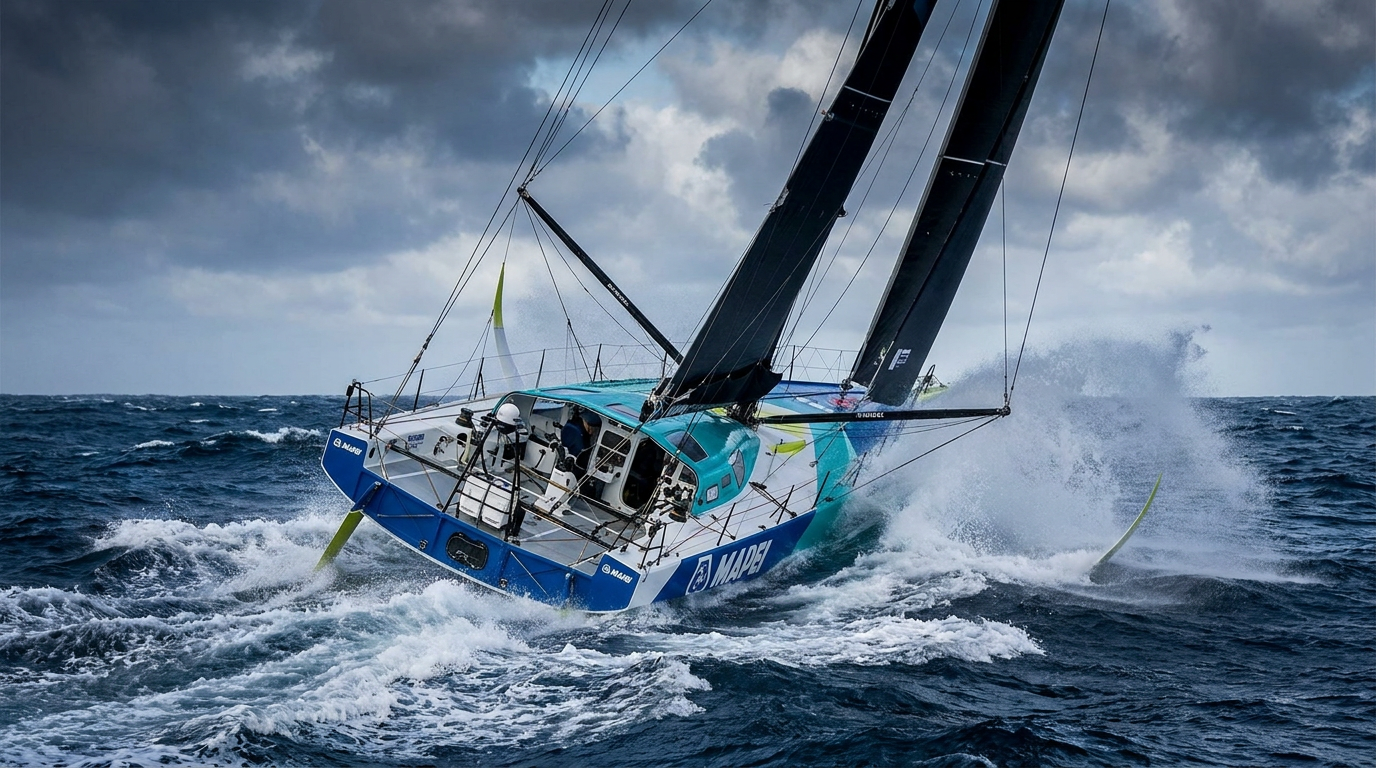
Italian skipper Ambrogio Beccaria has drawn first blood in the grueling qualification cycle for the 2028 Vendée Globe, securing a spectacular victory in the Vendée Arctique. Piloting his IMOCA 60 Allagrande Mapei, Beccaria crossed the finish line in Les Sables d'Olonne, France, after 8 days, 14 hours, and 5 minutes of relentless solo racing. [1] His triumph establishes him at the top of the early standings for the next "Everest of the Seas," successfully navigating a course that took the fleet from the French coast up to the freezing latitudes of the Arctic Circle and back. [2][1][2]
The Vendée Arctique serves as the premier Grade 2 qualifying event for the 2025-2028 IMOCA cycle. [2] For the skippers, the stakes are binary: to earn a spot on the starting line for the 2028 Vendée Globe, they must complete a sanctioned solo race on their designated vessel within twice the winner's elapsed time. [2] This strict cutoff transforms the mid-fleet battle into a high-stakes fight for survival, where nursing a damaged boat to the finish line is just as critical as fighting for a podium spot. [4][2][4]

While the race began in a gentle southerly breeze of 4 to 7 knots, the North Atlantic quickly bared its teeth. [1] Competitors were battered by multiple gales, rapid weather shifts, and the perpetual, bone-chilling humidity of the high latitudes. [3] The compressed nature of the course forced skippers into a state of constant tactical warfare, leaving virtually no time for rest or recovery as they navigated the treacherous weather systems sweeping off the Arctic ice. [5][1][3][5]
For the seasoned veterans in the fleet, the conditions felt eerily familiar. Arnaud Boissières, sailing April Marine, drew a direct comparison between the Arctic waters and the notorious Southern Ocean. [3] "The atmosphere reminds you of the high southern latitudes," Boissières noted after securing a seventh-place finish. [1] He pointed to the distinctive, flat light and the inescapable dampness as hallmarks of the "Grand Sud," confirming that the northern route provides a highly accurate simulation of the global circumnavigation. [3][1][3]
For the seasoned veterans in the fleet, the conditions felt eerily familiar.
Franco-British skipper Sam Goodchild, who was the first to cross the Arctic Circle on June 11 aboard MACIF Santé Prévoyance, echoed that sentiment. [3] Goodchild described the grueling sprint as a "mini-Vendée Globe condensed," highlighting the relentless physical toll of managing the powerful, foiling IMOCA yachts in heavy seas. [3] The necessity of knowing exactly when to push the boat for speed and when to ease off to prevent catastrophic structural failure became the defining challenge of the week. [6][3][6]

Further down the standings, the race proved to be a crucible for the newer generation of solo sailors. Nico D'Estais, competing in his first IMOCA season aboard Café Joyeux, delivered a standout performance to claim sixth place, finishing just hours ahead of the veteran Boissières. [1] D'Estais's ability to balance outright speed with the conservative seamanship required to finish the race marks him as a rising talent in the offshore circuit. [5][1][5]
The sheer intensity of the race caught even well-prepared competitors off guard. Violette Dorange, who successfully completed the course over the weekend, admitted to reporters that the books and podcasts she had packed remained entirely untouched. [3] The constant demands of sail changes, weather routing, and boat management required total immersion. "I realized how gripping this race truly is," Dorange explained, noting that the Arctic sprint demands the same level of absolute focus as a full circumnavigation. [3][3]

As the leaders celebrate in Les Sables d'Olonne, the true spirit of the event is playing out at the back of the fleet. Manuel Cousin, the final skipper remaining at sea aboard Coup de Pouce, has spent days battling severe technical issues and punishing headwinds. [3] Despite the setbacks, Cousin's determination to finish embodies the core ethos of the Vendée Globe qualification process: overcoming the ocean's hostility to secure a place among the world's elite solo sailors. [2][2][3]
How we got here
June 7, 2026
The IMOCA fleet departs Les Sables d'Olonne in light winds.
June 11, 2026
Sam Goodchild becomes the first skipper to cross the Arctic Circle.
June 16, 2026
Ambrogio Beccaria crosses the finish line to win the race.
June 18, 2026
Mid-fleet competitors Nico D'Estais and Arnaud Boissières complete the course.
Viewpoints in depth
The Skippers' Reality
The physical and mental toll of a compressed offshore sprint.
For the sailors on the water, the Vendée Arctique was less of a race and more of a survival test. The rapid succession of weather systems meant that the traditional rhythm of offshore sailing—pushing hard through a storm and then resting during stable high pressure—was entirely absent. Competitors reported sleeping in mere 15-minute increments, constantly adjusting their hydrofoils and sail plans to prevent their carbon-fiber yachts from literally flying apart in the freezing Arctic chop.
The Qualification Stakes
The immense pressure to finish within the strict time limits.
From an organizational and strategic standpoint, the race's true drama lies at the back of the fleet. The IMOCA class rules dictate that a skipper must finish within 200% of the winner's time to earn their qualification for the 2028 Vendée Globe. With Beccaria setting a blistering pace of just over 8.5 days, the trailing boats are racing a ticking clock. A single torn sail or broken halyard doesn't just cost them a position in this race; it potentially jeopardizes years of sponsor funding and their dream of competing in the Everest of the Seas.
What we don't know
- How many of the current fleet will successfully secure full funding for the 2028 Vendée Globe based on these early results.
- Whether the new generation of IMOCA yachts will require significant structural modifications after enduring the Arctic conditions.
Key terms
- IMOCA 60
- A class of 60-foot monohull racing yachts, known for their hydrofoils and extreme speeds, used in the Vendée Globe.
- Vendée Globe
- Known as the 'Everest of the Seas,' it is a solo, non-stop, unassisted round-the-world yacht race.
- Grand Sud
- The Southern Ocean, notorious for its fierce storms, massive waves, and freezing temperatures.
- Grade 2 Race
- A classification for offshore sailing events that meet specific distance and difficulty standards required for Vendée Globe qualification.
Frequently asked
What is the Vendée Arctique?
It is a solo, non-stop offshore yacht race that takes sailors from France to the Arctic Circle and back, serving as a primary qualifier for the Vendée Globe.
How do sailors qualify for the 2028 Vendée Globe?
Skippers must complete at least one sanctioned Grade 2 solo race on their designated IMOCA yacht, finishing within twice the winner's elapsed time.
Who won the 2026 Vendée Arctique?
Italian skipper Ambrogio Beccaria won the 2026 edition aboard his yacht Allagrande Mapei, finishing in just over 8 and a half days.
Sources
Source coverage
6 outlets
3 viewpoints surfaced






[1]Vendée Globe OfficialRace Organizers
Ambrogio Beccaria wins the Vendée Arctique – Les Sables d'Olonne
Read on Vendée Globe Official →[2]IMOCA Class OfficialRace Organizers
First solo qualifying stage: Vendée Arctique - Les Sables d'Olonne
Read on IMOCA Class Official →[3]Boating New ZealandOffshore Competitors
Vendée Arctique delivers a compressed vision of the Vendée Globe
Read on Boating New Zealand →[4]Yachting WorldSailing Analysts
Vendée Arctique 2026: Early Standings and Qualification Stakes
Read on Yachting World →[5]Scuttlebutt Sailing NewsOffshore Competitors
IMOCA Fleet Tested in Grueling Vendée Arctique
Read on Scuttlebutt Sailing News →[6]Sail-WorldSailing Analysts
Offshore Racing: The Road to the 2028 Vendée Globe Begins
Read on Sail-World →

More in sports
See all 29 stories →Standings
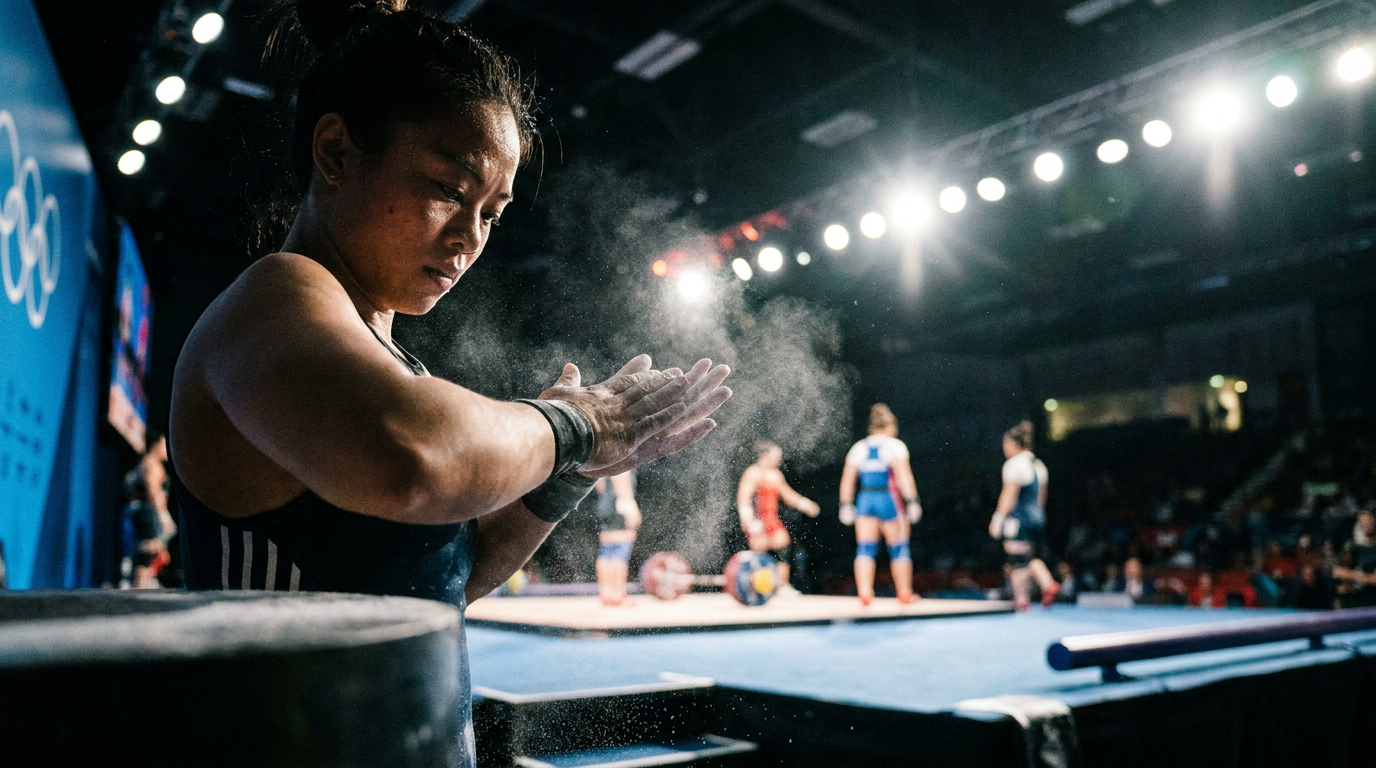
The Race to LA 2028: Weightlifting's Olympic Qualification Standings Officially Open in July
6 sources
World Cup Records
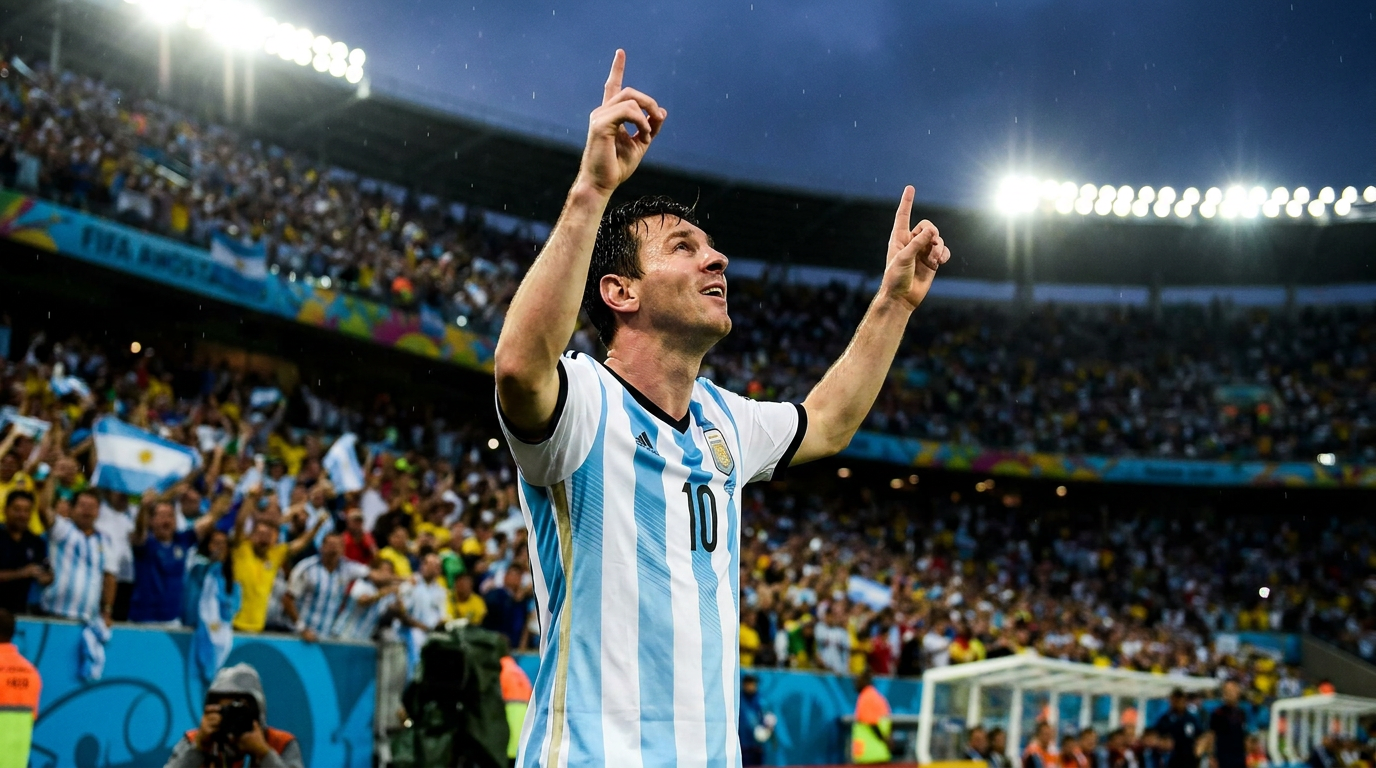
Lionel Messi Shatters All-Time Men's World Cup Goal Record with 18th Strike Against Austria
7 sources
Injury
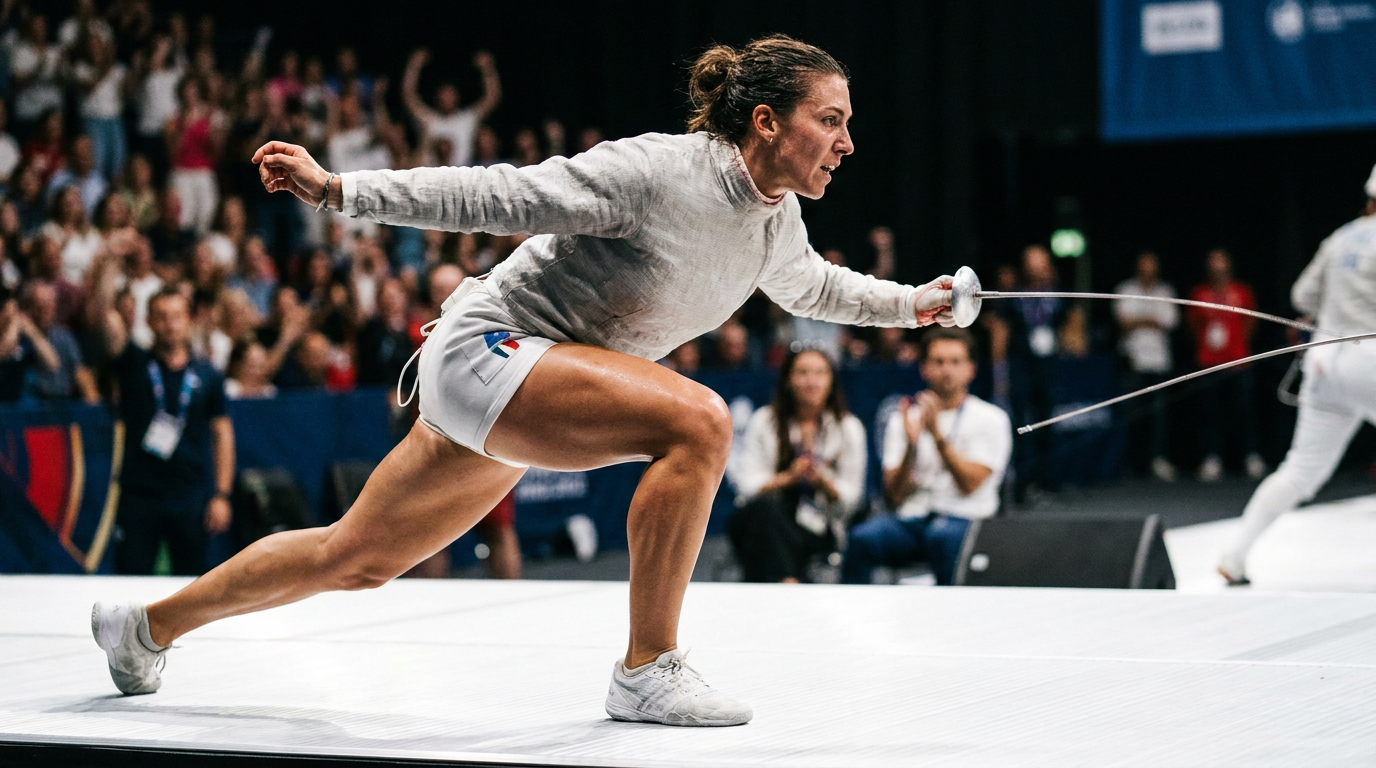
Global Fencing Injury Report: Unprecedented Safety Data, Overuse Battles, and the Race for Hong Kong
6 sources
Standings
Historic Gridlock in FIE Epee Standings Sets Up Winner-Takes-All World Championship Showdown
8 sources
Every angle. Every day.
Get sports stories with full source coverage and perspective breakdowns delivered to your inbox.