
2026 Sport Climbing Injury Report: Schubert's Clean Bill of Health and How Athletes Are Managing Midseason Knocks
As the 2026 IFSC season hits its stride, veterans like Jakob Schubert are proving that full recoveries are possible, while competitors like Luo Zhilu and Oceania Mackenzie demonstrate the resilience required to climb through chronic injuries.
By Factlen Editorial Team
- The Athletes
- Emphasizes the mental battle of trusting an injured limb and the reality of competing through chronic pain.
- Sports Medicine Specialists
- Focuses on the evolution of non-operative management, load tracking, and climbing-specific return-to-sport protocols.
- Climbing Media
- Analyzes how injuries and subsequent recoveries impact competition standings and outdoor grade progression.
What's not represented
- · National Team Physiotherapists
- · Route Setters
Why this matters
For fans, knowing who is climbing at 100% and who is actively managing pain completely changes how we evaluate World Cup performances. For everyday climbers, seeing elite athletes successfully navigate rehab offers a realistic, hopeful look at the physical toll of the sport and the importance of smart load management.
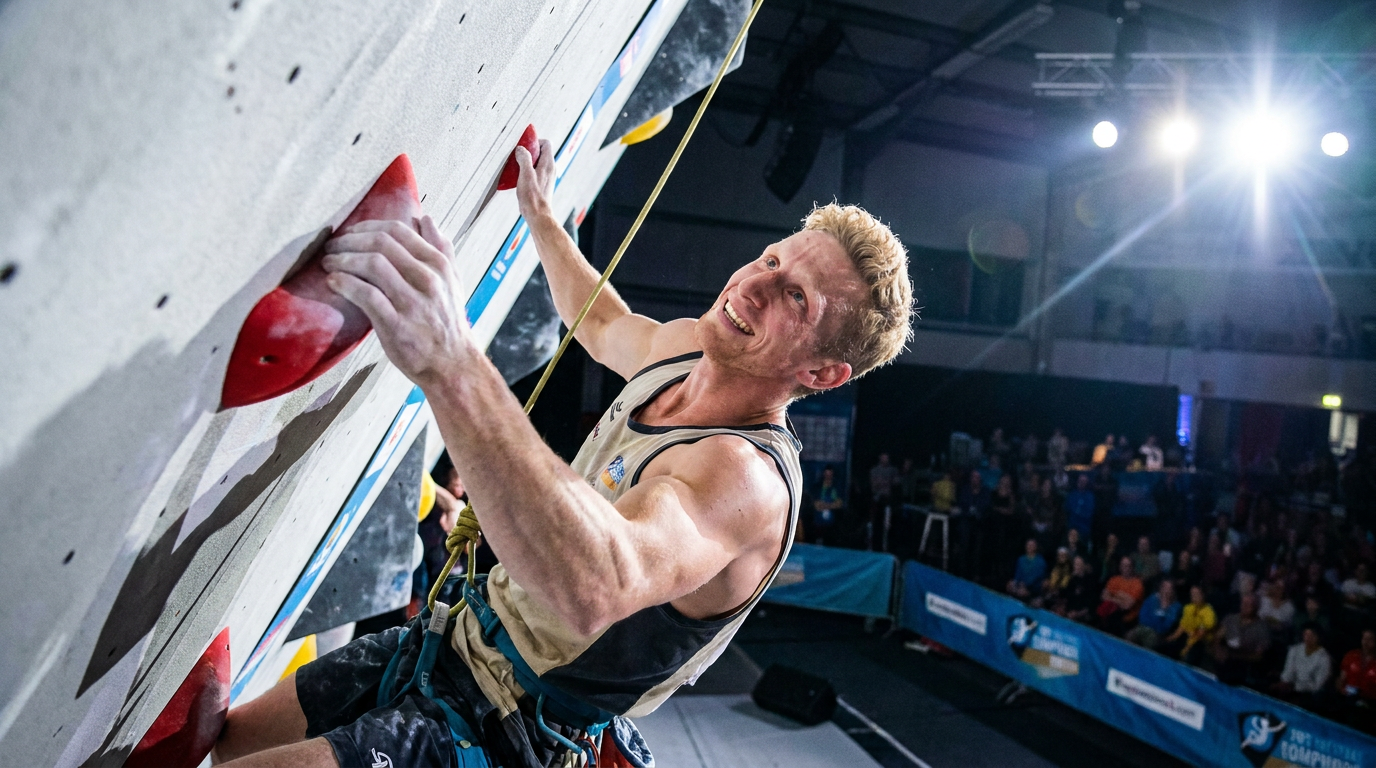
The modern competition climbing circuit demands an extraordinary physical toll, transforming the human body into a shock absorber for dynamic leaps and microscopic crimps. Yet, as the 2026 International Federation of Sport Climbing (IFSC) season hits its midsummer stride, the narrative in the isolation zones is less about the tragedy of injury and more about the triumph of rehabilitation. Elite climbers are demonstrating that with advanced physical therapy and immense mental resilience, career-threatening injuries are merely detours, not dead ends.[5][6]
No athlete embodies this successful return to form quite like Austrian veteran Jakob Schubert. In early 2025, Schubert sustained a complex ligament injury in his right index finger that derailed his season and forced a heartbreaking withdrawal from his home World Cup in Innsbruck. At the time, Schubert admitted the injury was incredibly frustrating, noting that the closer he pushed to his limit, the more the finger held him back.[3]
Fast forward to the 2026 season, and Schubert has authored a masterclass in recovery. After exploring experimental therapies and meticulously managing his load, the six-time world champion returned to the rock with a vengeance. Over the winter, he sent Sean Bailey's "Shaolin" (V17) in Nevada and Jimmy Webb's "Ephyra" (V16) in Switzerland, proving his finger could once again withstand the absolute maximum limits of human grip strength.[2]

Schubert's return to the plastic wall has been equally emphatic. Competing at the Prague World Cup in June 2026, he looked sharp and confident, easily securing a spot in the Lead finals alongside longtime rival Adam Ondra. "I'm completely healthy this year," Schubert confirmed to reporters. "I felt a little bit rusty, but it's good to be in a World Cup and see the intensity of the routes... I am feeling good and hopefully I can challenge for a podium."[1]
While Schubert enjoys a clean bill of health, other athletes are currently authoring their own gritty chapters of pain management on the 2026 circuit. China's Luo Zhilu has been a standout performer in the Boulder events, but she recently revealed the immense physical compromise required to stay on the wall. Competing at the Innsbruck World Cup this June, Luo disclosed that she is climbing with a broken structure in her right shoulder.[1]
While Schubert enjoys a clean bill of health, other athletes are currently authoring their own gritty chapters of pain management on the 2026 circuit.
"I have broken something in my right shoulder, and it's never going to repair if I don't get surgery," Luo explained after a grueling qualification round. Rather than ending her season, she has opted for a rigorous, non-operative management route. "I do a lot of rehabilitation to keep it stable... I'm constantly thinking about it." Her ability to reach semi-finals and finals while actively protecting a compromised joint highlights the sophisticated taping and stabilizing protocols now utilized by national teams.[1][5]
Similarly, Australian Olympian Oceania Mackenzie has been battling a stubborn lower-body injury throughout the spring. At the Keqiao World Cup, Mackenzie was seen icing her knee between rounds. She confirmed she is dealing with a deep bone bruise—an injury notorious for its slow healing timeline. However, after consulting with medical staff, she learned that climbing on it would not cause further structural damage. For Mackenzie, competing has simply become an exercise in extreme pain tolerance.[1]

The psychological burden of trusting a previously injured limb is often heavier than the physical rehab itself. Jessica Pilz, another Austrian standout, knows this intimately. Like Schubert, Pilz was forced to sit out the 2025 Innsbruck event due to severe finger inflammation. She spent months unable to train at her normal volume, carefully navigating the line between resting and re-aggravating the tendon.[3][4]
Pilz's patience paid off spectacularly. Once cleared, she transferred her pent-up fitness to outdoor sport climbing, successfully redpointing her first 9a+ (5.15a), "Papichulo," in Oliana, Spain. Her quick ascent—taking just six days of effort—stunned onlookers and signaled that her finger strength had not just returned, but peaked. She is now back as a formidable force on the 2026 Lead circuit.[4]
The climbing medical community is rapidly catching up to the sport's explosive growth. Researchers and sports physicians are actively developing standardized "return-to-sport" criteria specifically tailored for climbers, moving away from generic orthopedic advice. Whether it is utilizing platelet-rich plasma (PRP) therapies, advanced pulley splints, or targeted isometric loading, the focus has shifted from merely repairing tissue to rebuilding a climber's confidence.[5][6]

For fans watching the 2026 season unfold, the injury report is no longer just a list of absences. It is a real-time tracker of athletic resilience. From Schubert's triumphant, pain-free finals appearances to Luo's gritty, heavily-rehabbed shoulder catches, the athletes are proving that the human body—when given the right care—can always find another way to the top.[1][2][6]
How we got here
Jan 2025
Jakob Schubert sustains a complex finger ligament injury, halting his season.
June 2025
Schubert and Jessica Pilz both withdraw from the Innsbruck World Cup due to finger injuries.
Aug 2025
Pilz completes her rehab and sends her first 9a+ sport climb in Spain.
Early 2026
Schubert proves his full recovery by sending V17 and V16 boulders outdoors.
June 2026
Schubert returns to the IFSC finals in Prague, declaring himself completely healthy.
Viewpoints in depth
The Athletes' Reality
Competitors emphasize that climbing with some level of pain is standard at the World Cup level.
For climbers like Luo Zhilu and Oceania Mackenzie, the focus often shifts from being 100% healthy to managing symptoms. Athletes accept that the sport's extreme physical demands mean they will rarely feel perfect. Instead, success relies on trusting medical advice that climbing won't cause catastrophic structural failure, allowing them to push through the pain barrier during finals.
Sports Medicine Evolution
Medical professionals note that climbing rehabilitation has matured significantly.
Instead of blanket 'rest for six weeks' advice, specialists now use targeted isometric loading, climbing-specific movement therapies, and dynamic taping to keep athletes active while tissues heal. This proactive approach prevents the loss of crucial forearm hypertrophy and helps athletes maintain their mental edge, drastically reducing the time it takes to return to elite competition.
What we don't know
- Whether Luo Zhilu will undergo shoulder surgery immediately following the 2026 season or attempt to rehab it permanently.
- How the increasing frequency of dynamic 'parkour' style boulders is affecting the long-term joint health of younger competitors.
Key terms
- V17 (9A)
- Currently the highest recognized grade of difficulty in outdoor bouldering, requiring absolute peak finger strength and body tension.
- 9a+ (5.15a)
- An elite grade in sport climbing, representing world-class endurance and technical difficulty on a roped route.
- Return-to-sport (RTS) criteria
- Specific medical and physical benchmarks an athlete must meet before safely competing again after an injury.
- Bone bruise
- A traumatic injury to the bone's inner network that causes deep pain and is notoriously slow to heal, though often structurally stable enough to climb on.
Frequently asked
Can climbers compete with a torn shoulder?
Yes. Some athletes use intensive physical therapy to stabilize the joint and delay surgery until the off-season, though it requires climbing through discomfort.
What was Jakob Schubert's injury?
Schubert suffered a complex finger ligament injury in early 2025 that sidelined him for months and required specialized therapeutic treatments.
How long does a finger pulley injury take to heal?
Depending on the severity of the tear, a full recovery to elite climbing strength typically takes 6 to 8 months of structured rehabilitation.
Sources
Source coverage
6 outlets
3 viewpoints surfaced





[1]World ClimbingThe Athletes
'Old Guns' Still Shooting For Prague Podium
Read on World Climbing →[2]Gripped MagazineClimbing Media
Jakob Schubert Sends His Third V17
Read on Gripped Magazine →[3]World Climbing SeriesThe Athletes
Schubert forced to skip home World Cup: “Not an easy decision”
Read on World Climbing Series →[4]Planet MountainClimbing Media
Jessica Pilz sends Papichulo (9a+) at Oliana
Read on Planet Mountain →[5]BMJ Open Sport & Exercise MedicineSports Medicine Specialists
Developing consensus for upper limb rehabilitation, physical preparation and return to climbing
Read on BMJ Open Sport & Exercise Medicine →[6]Training for ClimbingSports Medicine Specialists
Injury Case Study: Shoulder Surgery, Rehab, and Return to Climbing!
Read on Training for Climbing →
More in sports
See all 29 stories →Standings
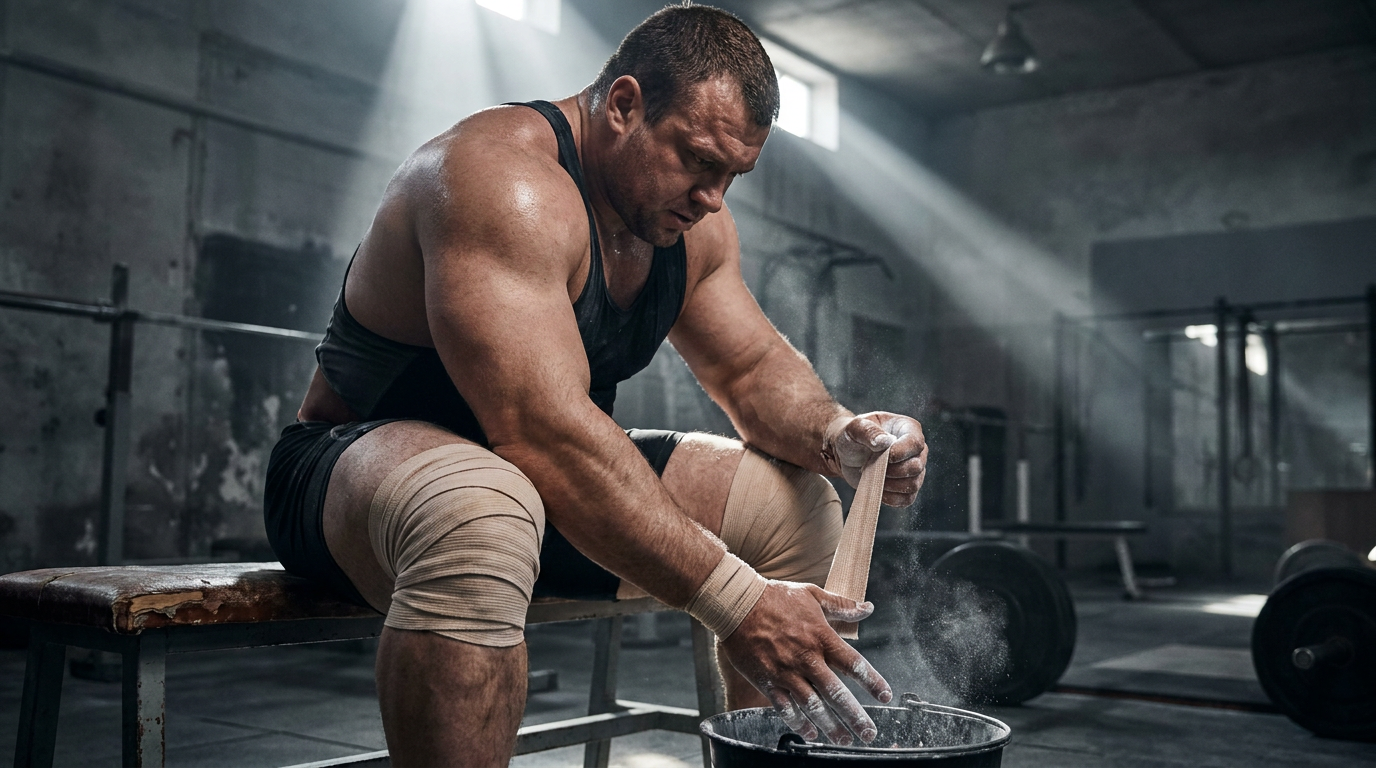
The Race to LA 2028: Weightlifting's Olympic Qualification Standings Officially Open in July
6 sources
World Cup Records
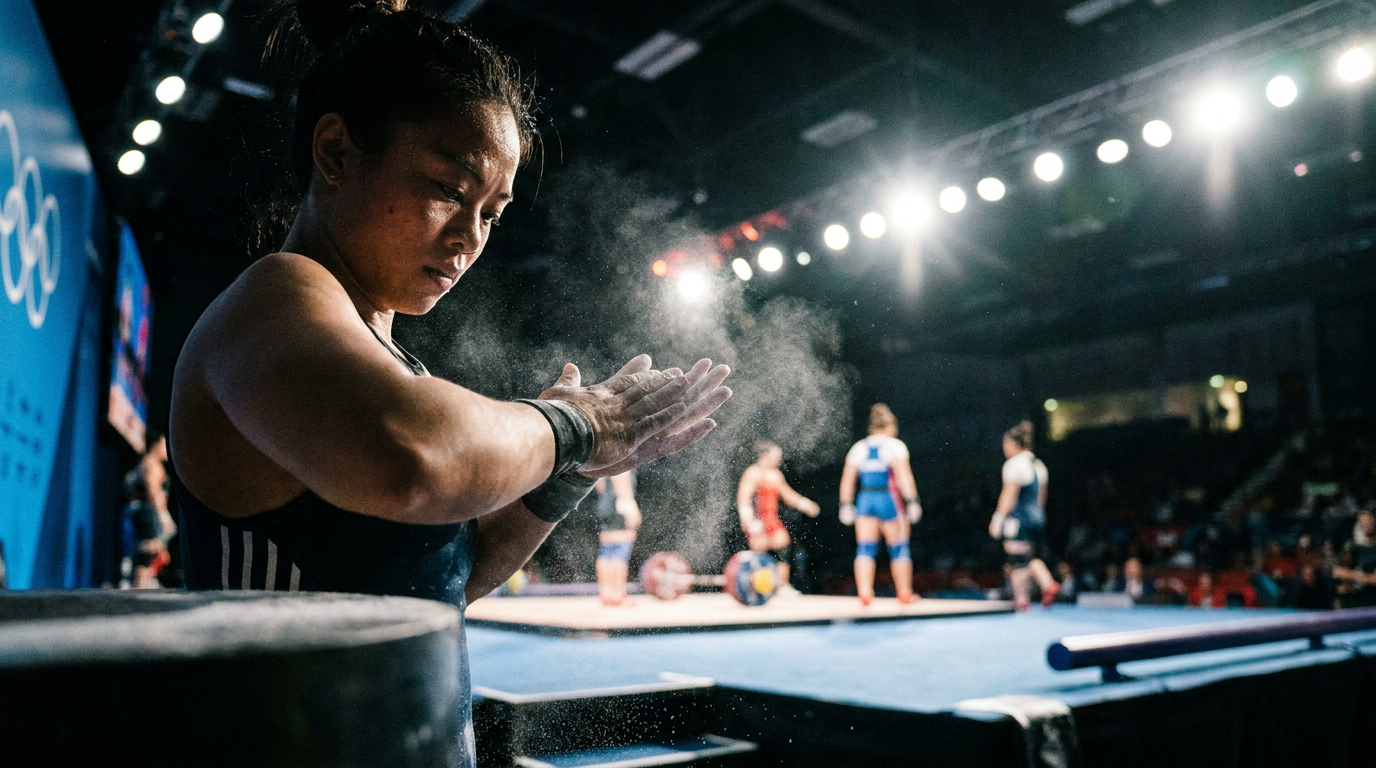
Lionel Messi Shatters All-Time Men's World Cup Goal Record with 18th Strike Against Austria
7 sources
Injury
Global Fencing Injury Report: Unprecedented Safety Data, Overuse Battles, and the Race for Hong Kong
6 sources
Standings
Historic Gridlock in FIE Epee Standings Sets Up Winner-Takes-All World Championship Showdown
8 sources
Every angle. Every day.
Get sports stories with full source coverage and perspective breakdowns delivered to your inbox.