
US and Iran Sign Interim Peace Deal to End 110-Day War as Lebanon Ceasefire Hangs in Balance
The United States and Iran have signed a 14-point memorandum of understanding to end their 110-day conflict and reopen the Strait of Hormuz. The fragile agreement faces immediate tests as a renewed ceasefire in Lebanon barely holds and Israel denounces the deal as a strategic defeat.
By Factlen Editorial Team
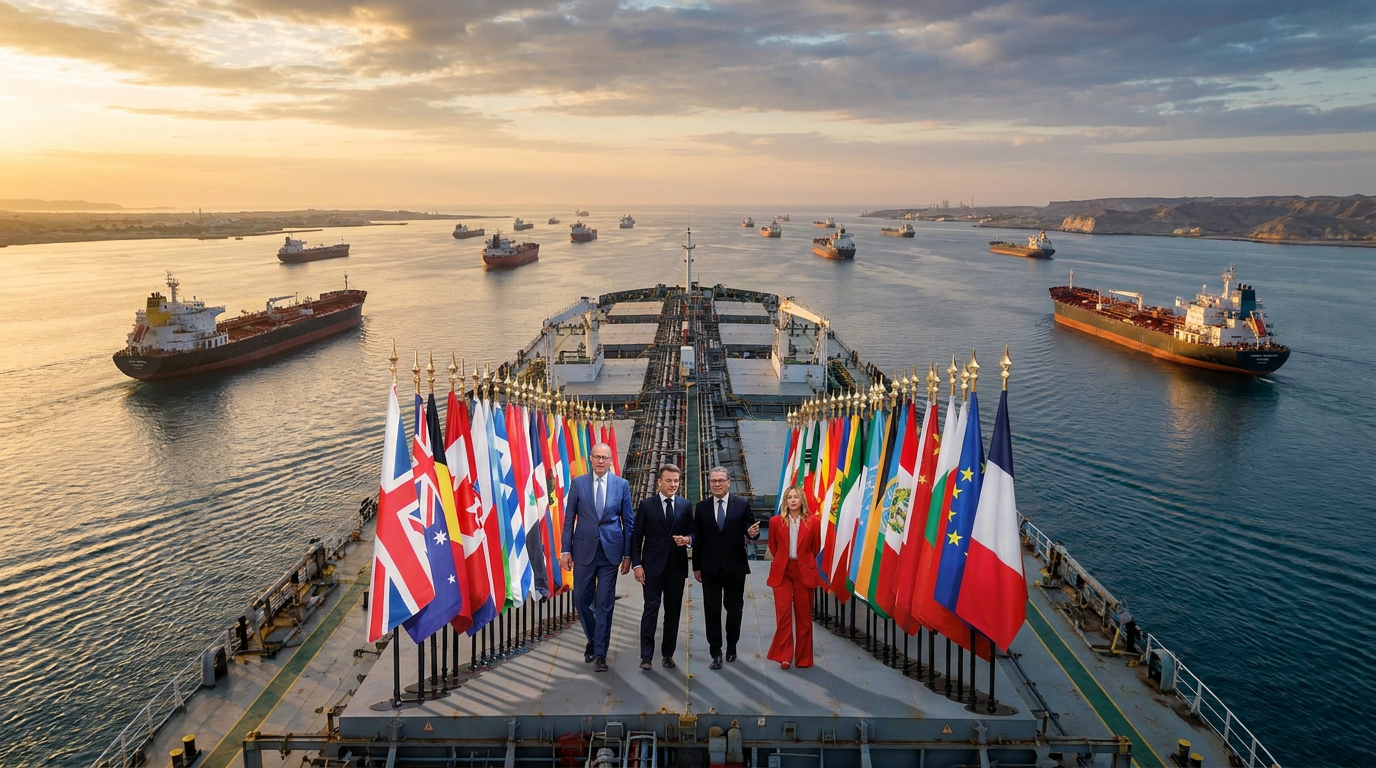
- US and Iranian Negotiators
- Views the MoU as a necessary off-ramp from a devastating war that secures the Strait of Hormuz and freezes Iran's nuclear program in exchange for sanctions relief.
- Israeli Security Establishment
- Views the deal as a profound strategic defeat and betrayal that leaves the Iranian regime intact and fails to dismantle its proxy network.
- Lebanese and Regional Proxies
- Considers the ceasefire conditional and meaningless as long as Israeli forces continue to occupy a security buffer zone in southern Lebanon.
- Global Energy Markets
- Expresses profound relief at the reopening of the Strait of Hormuz and the subsequent stabilization of global oil prices.
What's not represented
- · Lebanese civilians displaced by the ongoing border conflict
- · European allies navigating the sudden shift in US-Iran relations
Why this matters
The Islamabad MoU pauses a devastating 110-day war that choked global energy markets and threatened to engulf the entire Middle East. However, the fragile 60-day window to secure a permanent nuclear settlement—coupled with Israel's deep opposition to the deal—means the region remains on the precipice of renewed conflict.
Key points
- US and Iranian presidents signed a 14-point MoU to end the 110-day war and reopen the Strait of Hormuz.
- The agreement establishes a 60-day window to negotiate a final settlement regarding Iran's nuclear program.
- A sudden flare-up of violence between Israel and Hezbollah in Lebanon temporarily derailed US-Iran implementation talks.
- A renewed, fragile ceasefire took effect in Lebanon following urgent mediation by the US, Qatar, and Iran.
- The US committed to lifting its naval blockade within 30 days and issuing waivers for Iranian oil exports.
- Israeli officials have strongly condemned the deal, viewing it as a betrayal that leaves the Iranian regime intact.
The signing of the Islamabad Memorandum of Understanding (MoU) by US President Donald Trump and Iranian President Masoud Pezeshkian marked the formal end to the 110-day conflict that devastated the Middle East and choked global energy markets. The 14-point framework, finalized after weeks of mediation by Pakistan and Qatar, aims to permanently terminate military operations on all fronts and reopen the Strait of Hormuz.[5][6][7]
But the ink was barely dry before the agreement faced a severe stress test. In Lebanon, a sudden escalation between Israel and the Iranian-backed militant group Hezbollah threatened to unravel the broader regional truce. Hezbollah forces killed four Israeli soldiers, prompting a wave of retaliatory Israeli airstrikes across southern Lebanon and the Bekaa Valley that left at least 47 people dead.[1][2][4]
The violence in Lebanon triggered an immediate diplomatic crisis. The United States abruptly canceled high-level implementation talks with Iran that were scheduled to take place in Switzerland. Vice President JD Vance, who was slated to lead the US delegation, halted his trip as dozens of White House officials and advance staff were already waiting in Obbürgen.[1]
Facing the collapse of the historic MoU, international mediators scrambled to contain the fallout. By Friday evening, a fragile renewed ceasefire between Israel and Hezbollah took effect, brokered through urgent backchannel communications involving the US, Qatar, and Iran. The truce pulled the broader Versailles agreement back from the brink, though Israeli officials warned they would respond forcefully to any further attacks.[3][4]
The core mechanism of the 14-point MoU explicitly ties the cessation of hostilities in Iran to the broader region. The text mandates an immediate end to military operations "on all fronts, including in Lebanon," effectively requiring Tehran to rein in its proxy network. In exchange, the agreement establishes a 60-day window to negotiate a final, binding settlement.[1][7]

The economic and maritime stakes of the deal are massive. The United States agreed to lift its naval blockade of Iranian ports within 30 days, while Iran committed to de-mining the Strait of Hormuz and restoring safe passage for commercial shipping. The reopening of the strait—a critical choke point for nearly one-fifth of the world's oil supply—promises to alleviate the global economic shock caused by the 110-day war.[5][6][7]
To incentivize compliance, the MoU outlines sweeping financial relief for Tehran. The US Treasury will issue immediate waivers for the export of Iranian crude oil, petroleum products, and associated banking services. Furthermore, the agreement commits the US and regional partners to develop a definitive plan for a $300 billion reconstruction and economic development fund for Iran, pending the final deal.[6][7]
To incentivize compliance, the MoU outlines sweeping financial relief for Tehran.
The thorniest issue—Iran's nuclear program—has been deferred to the 60-day negotiating period. Under the interim agreement, Iran pledged to maintain the current status quo of its nuclear program and not to acquire a nuclear weapon, while the US promised not to impose any new sanctions or deploy additional forces to the region.[6][7]

In Israel, the US-Iran deal has been met with profound anger and a deep sense of betrayal. Prime Minister Benjamin Netanyahu, who was not a party to the MoU, has long rejected the concept of accommodation with Tehran. Across the Israeli security establishment and the broader public, the agreement is widely viewed as a strategic defeat orchestrated by the Trump administration.[5][8]
For decades, parts of the Israeli and US establishments operated under the assumption that sustained military and economic pressure could lead to regime change or fundamental destabilization in Tehran. Instead, the announced agreement suggests that the Iranian regime will emerge from the conflict intact, strengthened, and formally engaged by the world's most powerful military.[5]
The dispute over Lebanon remains a critical flashpoint. Despite the renewed ceasefire, Israeli forces remain deployed inside a designated security buffer zone in southern Lebanon. Hezbollah lawmakers have publicly declared that any ceasefire is "meaningless" as long as Israeli troops continue to occupy Lebanese territory, setting the stage for potential future clashes.[2][4]

Iranian officials have placed the onus on Washington to control its ally. Iran's deputy foreign minister stated that Tehran is ready to move forward with diplomacy, but insisted that the US has a "commitment and responsibility" to ensure Israel abides by the terms of the deal and ends its attacks on Lebanon.[2]
Globally, the reopening of the Strait of Hormuz has been met with profound relief. Energy markets, which had been choked by the double blockade of the strait and the constant threat of missile attacks, responded positively to the MoU. The resumption of normal maritime traffic is expected to significantly lower energy prices that had surged during the conflict.[5]
The drop in oil prices also carries geopolitical implications beyond the Middle East. During the war, Russia benefited financially from the restricted global supply and the resulting price spikes. The US-Iran deal, and the subsequent stabilization of the energy market, removes this financial windfall for Moscow.[5]

Ultimately, the durability of the Versailles agreement remains highly uncertain. US officials have emphasized that the 60-day window is fragile and that either side can walk away at any time. If the final negotiations collapse, Washington has indicated it is prepared to rapidly reimpose maximum economic and military pressure, leaving the region teetering on the edge of renewed conflict.[1]
How we got here
Feb 28, 2026
The US and Israel launch 'Operation Epic Fury,' sparking a 110-day war with Iran.
June 14, 2026
The US and Iran reach a preliminary agreement to end hostilities and reopen the Strait of Hormuz.
June 17, 2026
US President Donald Trump and Iranian President Masoud Pezeshkian officially sign the 14-point MoU.
June 19, 2026
Clashes erupt between Israel and Hezbollah in Lebanon, forcing the US to postpone implementation talks in Switzerland.
June 20, 2026
A renewed ceasefire takes effect in Lebanon after urgent mediation by the US, Qatar, and Iran.
Viewpoints in depth
The US and Iranian Negotiators
Both Washington and Tehran view the MoU as a necessary off-ramp from a devastating 110-day war that choked global energy markets.
For the United States, the agreement successfully secures the reopening of the Strait of Hormuz and temporarily freezes Iran's nuclear program without requiring a prolonged ground conflict. For Iran, the deal offers massive economic relief, the unfreezing of assets, and the promise of a $300 billion reconstruction fund, allowing the regime to stabilize its domestic economy while maintaining its grip on power.
The Israeli Security Establishment
Israeli officials and the broader public view the deal as a profound strategic defeat and a betrayal by the Trump administration.
The Israeli security apparatus argues that the agreement leaves the Iranian regime intact, strengthened, and formally legitimized on the world stage. They contend that the MoU fails to dismantle Iran's nuclear infrastructure or permanently neutralize its regional proxy network, leaving Israel to face an emboldened adversary on its borders without the full backing of the US military.
Lebanese and Regional Proxies
Hezbollah and other Iranian-aligned groups view the ceasefire as conditional and heavily dependent on Israeli military movements.
While Iran has pressured its proxies to halt attacks to preserve the broader MoU, Hezbollah insists that any truce is meaningless as long as Israeli forces remain occupying a security buffer zone in southern Lebanon. These groups maintain that their compliance is tactical rather than absolute, reserving the right to respond to any perceived Israeli aggression.
What we don't know
- Whether Iran will agree to permanent, verifiable curbs on its nuclear enrichment program during the 60-day negotiating window.
- How long the fragile ceasefire between Israel and Hezbollah will hold while Israeli forces remain in southern Lebanon.
- The exact mechanisms and international contributors for the proposed $300 billion Iranian reconstruction fund.
Key terms
- Islamabad Memorandum of Understanding (MoU)
- The 14-point interim framework agreement brokered by Pakistan and Qatar to halt the US-Iran war.
- Strait of Hormuz
- A critical maritime choke point between the Persian Gulf and the Gulf of Oman, through which nearly one-fifth of the world's oil supply passes.
- Operation Epic Fury
- The codename for the joint US-Israeli military campaign launched against Iran in late February 2026.
- Naval Blockade
- The US military operation that prevented ships from accessing Iranian ports during the 110-day conflict.
Frequently asked
What is the Islamabad Memorandum of Understanding?
It is a 14-point interim peace agreement signed by the US and Iran to end their 110-day war, reopen the Strait of Hormuz, and set a 60-day window for a final nuclear settlement.
Why did the US cancel the talks in Switzerland?
The US delegation postponed the trip after violence flared in Lebanon between Israel and Hezbollah, which threatened the broader regional ceasefire.
How does the deal affect the Strait of Hormuz?
Iran agreed to clear mines and allow safe passage for commercial vessels, while the US committed to lifting its naval blockade within 30 days, easing global oil prices.
What is Israel's stance on the US-Iran deal?
Israel was not a party to the agreement and views it as a strategic defeat, with many Israeli officials feeling betrayed by the Trump administration for leaving the Iranian regime intact.
Sources
Source coverage
8 outlets
4 viewpoints surfaced







[1]The GuardianIsraeli Security Establishment
JD Vance pulls out of US-Iran meeting in Switzerland on implementation of peace deal after clashes in southern Lebanon
Read on The Guardian →[2]Al JazeeraLebanese and Regional Proxies
Iran war live: Tehran says US must ensure Israel ends attacks on Lebanon
Read on Al Jazeera →[3]CBS NewsLebanese and Regional Proxies
Israel and Hezbollah agree to a ceasefire, diplomat briefed on the deal says
Read on CBS News →[4]The Washington PostIsraeli Security Establishment
Israel and Hezbollah agree to renewed ceasefire after clashes threaten U.S.-Iran deal
Read on The Washington Post →[5]Atlantic CouncilGlobal Energy Markets
Experts react: The US and Iran just announced an interim peace deal
Read on Atlantic Council →[6]Council on Foreign RelationsUS and Iranian Negotiators
U.S. and Iran Reach Agreement to End Conflict
Read on Council on Foreign Relations →[7]PBS NewsHourUS and Iranian Negotiators
Read the Memorandum of Understanding as dictated by a U.S. official
Read on PBS NewsHour →‘It’s a big mistake’: Israelis feel betrayed and angry after Iran peace deal
Read on The Guardian →

More in news politics
See all 6 stories →Information Integrity
Evidence Pack: Does "Prebunking" Actually Protect Voters from Political Misinformation?
6 sources

US-Iran Deal
US and Iran Sign Historic Memorandum to End Conflict as Lebanon Ceasefire Faces Immediate Strain
7 sources
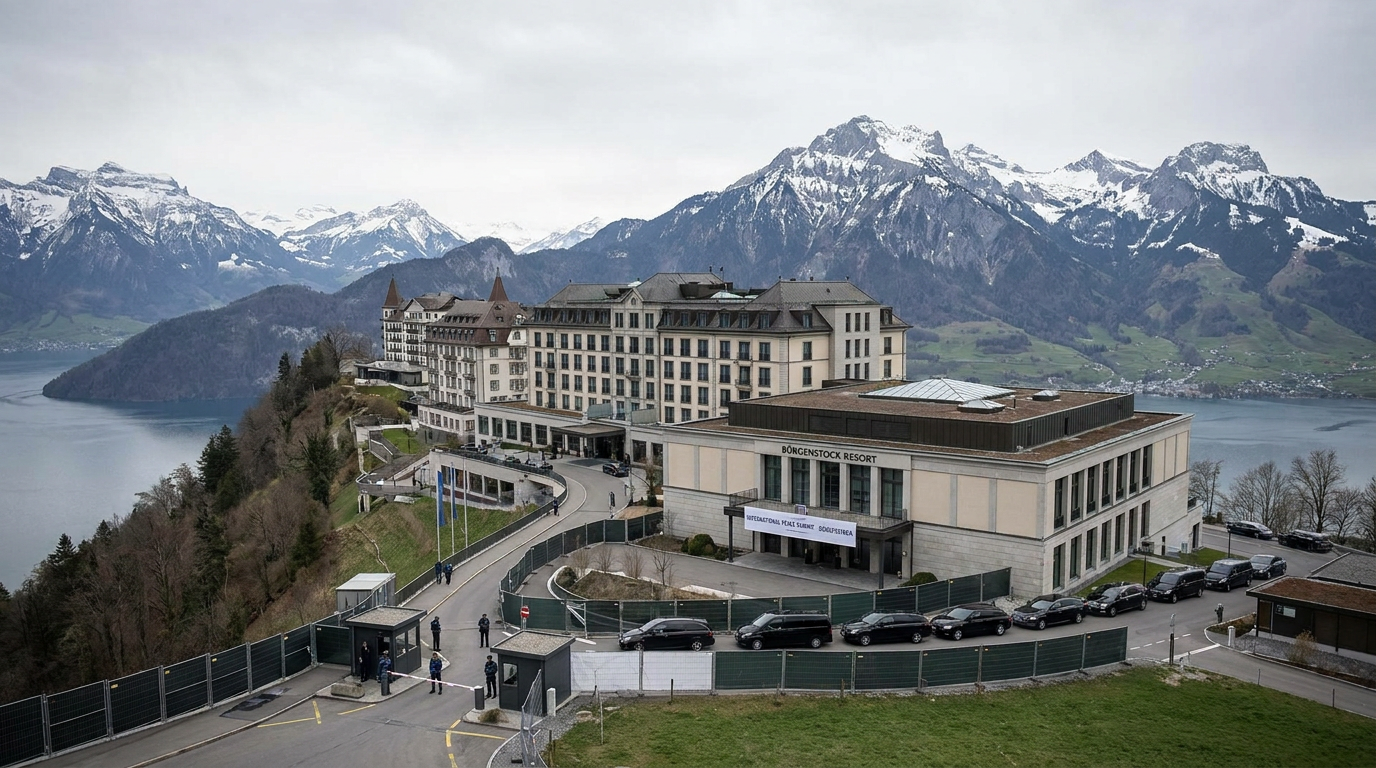
US-Iran Deal
US and Iran Open High-Stakes Switzerland Talks Amid Lebanon Strikes and Domestic Backlash
8 sources
Election Integrity
Fact Check: Did AI Deepfakes Actually Swing the Global Elections?
5 sources

Every angle. Every day.
Get news politics stories with full source coverage and perspective breakdowns delivered to your inbox.