
US and Iran Reach Preliminary Agreements in Switzerland Despite Threats and Strait Closure
Negotiators from the US and Iran have established a de-confliction framework for Lebanon and a communication line for the Strait of Hormuz during high-stakes talks in Switzerland. The progress comes despite Iran's closure of the vital shipping lane and threats of military action from US President Donald Trump.
By Factlen Editorial Team
- US Administration
- Focused on reopening the Strait of Hormuz and stabilizing energy markets through a mix of threats and diplomacy.
- Iranian Government
- Leveraging its control over shipping lanes to halt Israeli military actions in Lebanon and secure sanctions relief.
- Israeli Establishment
- Concerned that US-brokered compromises will empower Hezbollah and undermine Israel's security objectives.
- International Mediators
- Prioritizing de-escalation and the establishment of practical communication channels to prevent accidental conflict.
What's not represented
- · Lebanese Government Officials
- · Global Shipping Companies
- · European Energy Importers
Why this matters
The Strait of Hormuz is a critical artery for global energy markets, and its closure has already stalled international shipping. A successful US-Iran agreement could avert a broader regional war and stabilize oil prices, while a collapse in talks risks direct military confrontation.
Key points
- US and Iranian delegations reached preliminary agreements in Switzerland to de-escalate conflicts in Lebanon and the Strait of Hormuz.
- The talks were mediated by Qatar and Pakistan and aimed to implement an interim memorandum of understanding.
- Negotiations survived an early walkout by the Iranian delegation following threats of military action from US President Donald Trump.
- The parties agreed to establish a communication line for the Strait of Hormuz and a de-confliction cell for southern Lebanon.
- Israel did not participate in the talks and has expressed concern over the US negotiating the future of the Israel-Hezbollah conflict.
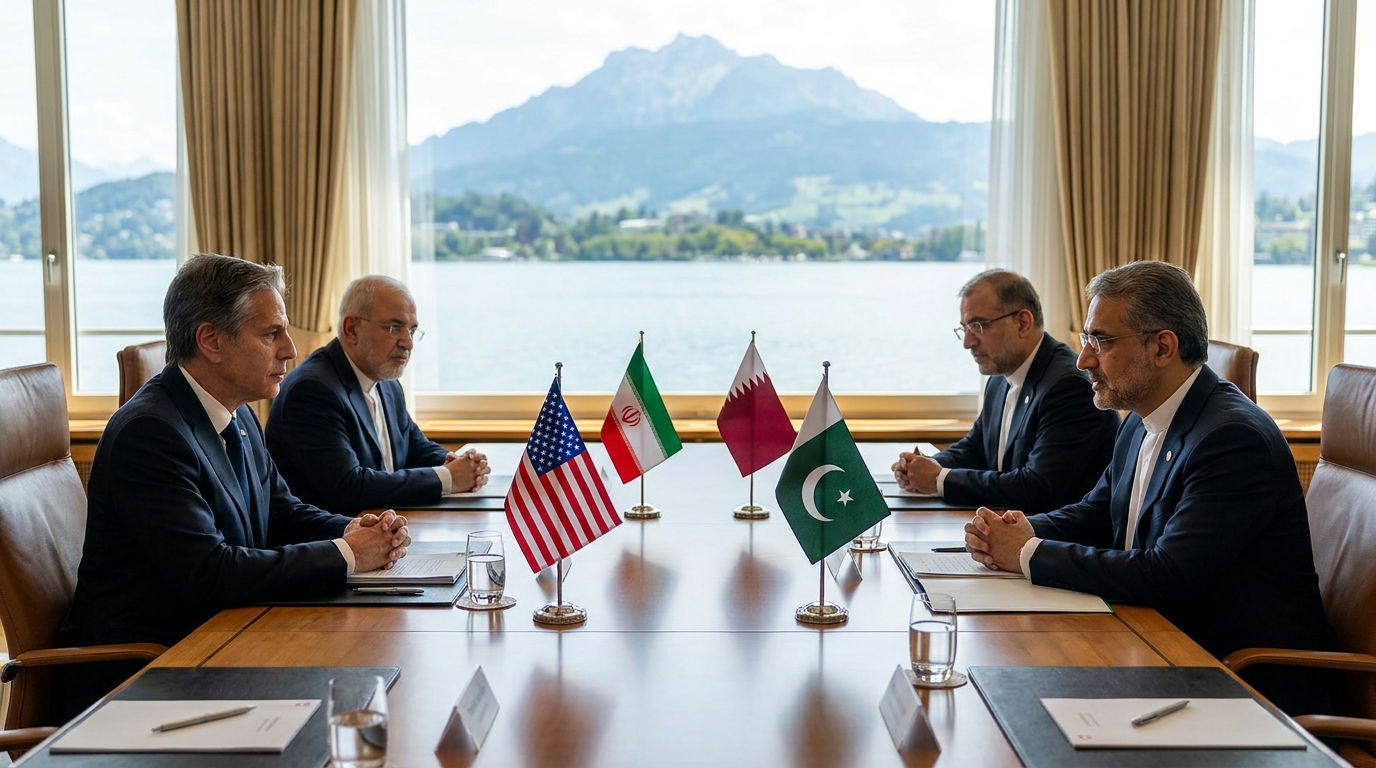
United States and Iranian negotiators have concluded their first round of high-stakes diplomatic talks in Switzerland, reaching preliminary agreements designed to de-escalate interlocking conflicts in Lebanon and the Strait of Hormuz. The meetings, which brought together delegations from two nations that have lacked formal diplomatic relations for decades, represent a critical effort to prevent the ongoing Middle East crisis from spiraling into a broader regional war. Mediated heavily by diplomats from Qatar and Pakistan, the discussions focused on implementing the technical details of an interim memorandum of understanding signed just last week. The stakes of the summit were immediately apparent, as the talks unfolded against a backdrop of stalled global shipping, volatile energy markets, and the persistent threat of direct military confrontation between Washington and Tehran.[1][4][5]
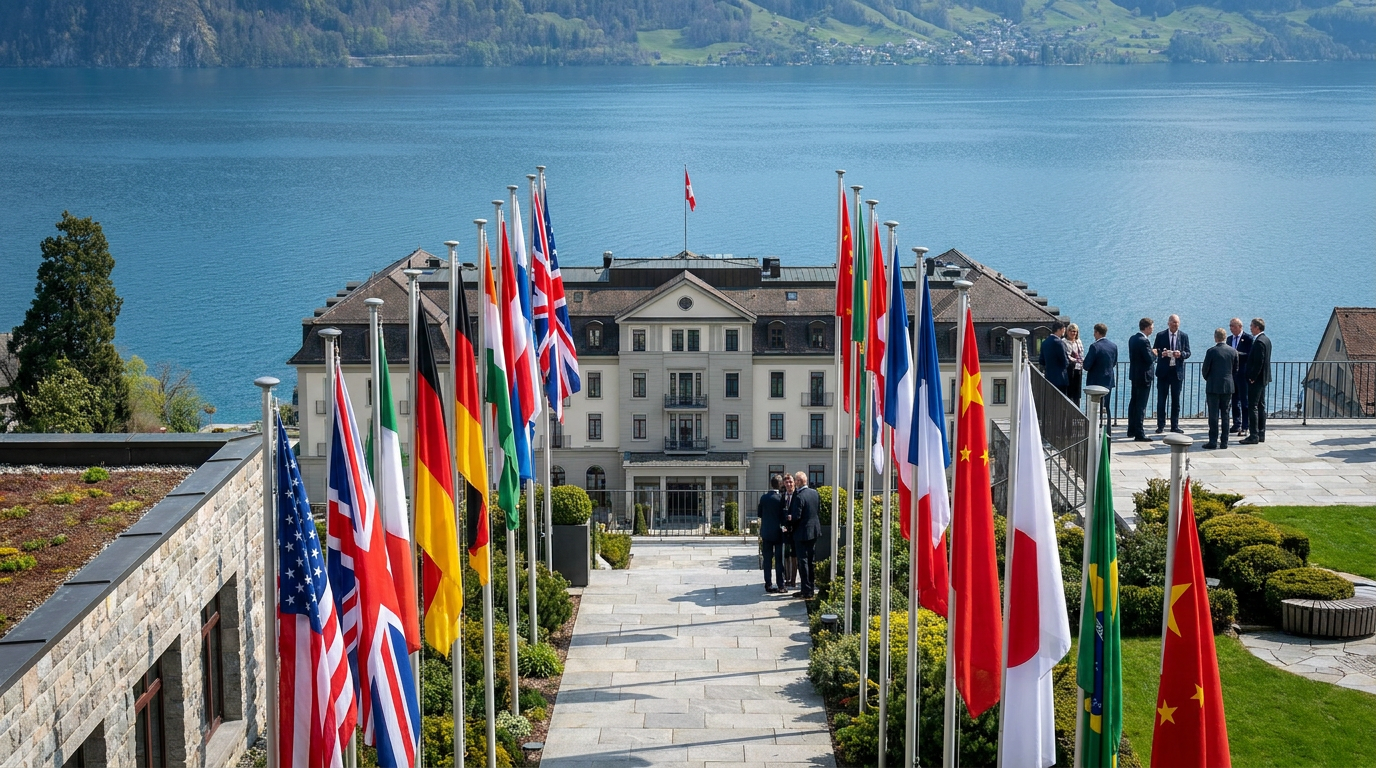
The negotiations took place at the Bürgenstock resort near Lucerne, a venue historically known for hosting complex international peace summits. The American delegation was led by Vice President JD Vance and included special envoys Jared Kushner and Steve Witkoff, while the Iranian side was headed by parliamentary Speaker Mohammad Bagher Qalibaf and Foreign Minister Abbas Araghchi. The primary objective of the gathering was to flesh out the practical mechanics of the recent memorandum, which calls for a sixty-day halt to regional hostilities and the unfreezing of billions of dollars in Iranian assets. However, the diplomatic atmosphere was highly charged from the outset, reflecting the deep-seated mistrust and the immediate geopolitical pressures weighing on both delegations as they attempted to translate broad commitments into actionable policies.[4][5]
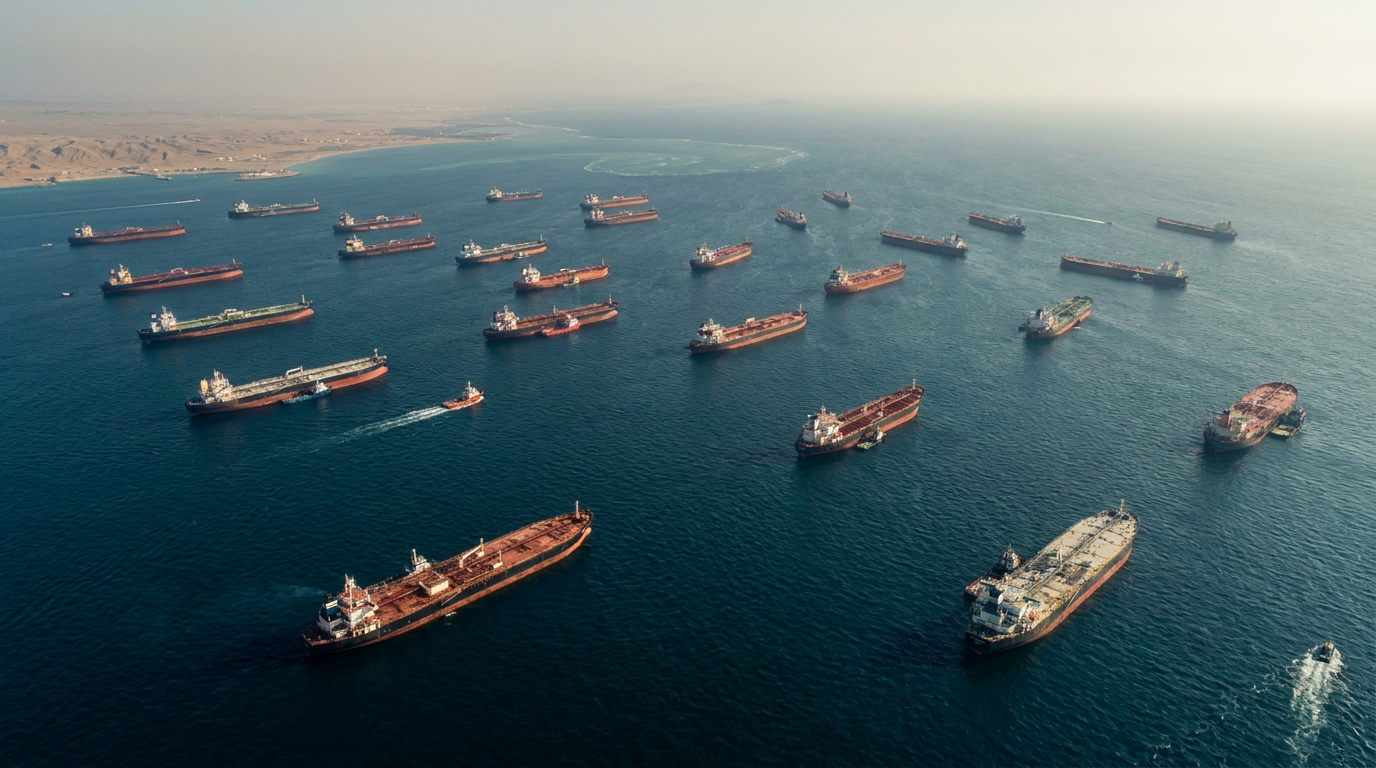
The diplomatic summit nearly collapsed before the delegations even sat down at the negotiating table. Over the weekend, Tehran dramatically escalated the situation by announcing it had closed the Strait of Hormuz—a critical maritime choke point through which a substantial portion of the world's oil supply passes. Iranian officials stated that the closure was a direct retaliation for ongoing Israeli military strikes against the Iranian-backed Hezbollah militant group in southern Lebanon. The announcement sent immediate shockwaves through global energy markets and caused a sharp drop in international shipping transits through the waterway, effectively demonstrating Iran's ability to weaponize global trade in response to regional military developments.[1][2][4]

In response to the waterway's closure, US President Donald Trump issued severe public warnings, utilizing social media to threaten a resumption of direct military attacks on Iranian targets. Trump's rhetoric included a stark warning that Iran "won't have a country" if the Strait of Hormuz remained blockaded, and he suggested that the United States might begin imposing tolls on the waterway to cover the costs of acting as the region's "Guardian Angel." The aggressive posturing from the White House highlighted the administration's dual-track approach of combining high-level diplomatic engagement with the threat of overwhelming military force, though it severely complicated the task of the mediators attempting to broker a fragile peace in Switzerland.[1][4]
The US president's threats triggered an immediate crisis at the Bürgenstock resort. The Iranian delegation formally protested what they described as "bullying" and "insulting messages," prompting them to temporarily walk out of the talks. The sudden withdrawal forced Qatari and Pakistani diplomats into intense shuttle diplomacy, moving between separate rooms to keep the negotiation process alive. Iranian state media reported that the talks had entered a "difficult phase," and for several hours, it appeared that the entire memorandum of understanding might be jeopardized before any technical details could be finalized. The walkout underscored the fragility of the diplomatic process, demonstrating how quickly external rhetoric could derail the delicate negotiations. Mediators worked frantically to assure the Iranian representatives that the United States remained committed to the framework of the interim agreement, despite the inflammatory public statements emanating from Washington.[1][4]
The US president's threats triggered an immediate crisis at the Bürgenstock resort.
Despite the intense early friction, the mediators eventually managed to steer the discussions back on track, bringing the delegations together for a grueling eighteen-hour session. Following the conclusion of the first round, both Qatar and Pakistan issued a joint statement describing the atmosphere as "positive and constructive," offering the strongest indication yet that the negotiators had moved past the initial crisis. The statement highlighted "encouraging progress" and announced the creation of a formal mechanism for ongoing technical discussions, signaling that both Washington and Tehran recognized the mutual necessity of maintaining the diplomatic channel, even as they continued to clash publicly over the situation in the Middle East.[4][6]
A major breakthrough of the Swiss talks was the agreement to establish a direct "communication line" specifically dedicated to managing the situation in the Strait of Hormuz. This hotline is intended to prevent accidental military clashes and misunderstandings between US naval forces and Iran's Islamic Revolutionary Guard Corps in the congested waterway. By creating a formalized channel for real-time communication, the negotiators hope to reduce the risk of a localized incident escalating into a broader conflict, providing a measure of stability that could encourage commercial shipping companies to resume normal operations in the region. The agreement on the communication line addresses one of the most volatile flashpoints in the US-Iran relationship, acknowledging that the heavy militarization of the Strait creates a constant danger of miscalculation that could have devastating consequences for the global economy.[1][6]
In addition to the maritime communication line, the parties agreed to create a specialized "de-confliction cell" coordinated directly with the Lebanese government. This mechanism is designed to monitor and enforce the termination of military operations in southern Lebanon, a theater of conflict that Iran explicitly prioritized over discussions regarding its own nuclear program. The establishment of the cell represents a significant diplomatic concession, as it effectively links the security of the Strait of Hormuz to the cessation of hostilities between Israel and Hezbollah, granting Tehran a degree of leverage over the broader regional security architecture. Clause 13 of the interim agreement reportedly dictates that negotiations on a final, comprehensive deal will only proceed once the Lebanon file is stabilized. This prioritization underscores Iran's commitment to protecting its regional allies and demonstrates how deeply interconnected the various Middle Eastern conflicts have become in the eyes of the negotiators.[1][5]

The economic stakes underpinning the diplomatic thaw are massive, particularly for an Iranian economy that has been severely constrained by years of international sanctions and a US naval blockade. Maritime intelligence data recently indicated that Iran managed to export approximately 36 million barrels of crude oil in just six days following a partial easing of restrictions, marking a dramatic turnaround from the historic lows recorded earlier in the year. With millions more barrels reportedly afloat and ready for market, the financial incentives for Tehran to maintain the interim agreement are substantial, providing Washington with a powerful economic lever to encourage continued compliance with the de-escalation framework. The rapid surge in oil shipments illustrates the immediate economic relief that a successful diplomatic resolution could bring to Iran, while also highlighting the potential benefits for global energy markets that have been rattled by the recent instability.[6]
However, significant hurdles remain before a final agreement can be reached. A major point of contention is the unfreezing of billions of dollars in Iranian assets, a key component of the interim deal that faces fierce opposition from some US lawmakers and regional analysts. Critics argue that releasing the funds will only empower Tehran to further finance proxy groups across the Middle East, undermining the very stability the agreement seeks to achieve. Negotiators must navigate this domestic political minefield carefully, as any perception that the United States is offering disproportionate concessions could jeopardize the political viability of the deal in Washington. The dispute over the frozen funds represents the first major test of the interim agreement's durability, forcing the administration to balance the immediate need for regional de-escalation against long-term strategic concerns regarding Iran's financial capabilities.[3]
Meanwhile, Israel has watched the bilateral negotiations in Switzerland with growing unease and frustration. Israeli officials, who were notably absent from the talks, have expressed deep concern that Washington is prioritizing the reopening of the Strait of Hormuz over Israel's fundamental security objectives against Hezbollah. There is a pervasive fear in Jerusalem that the United States is willing to make compromises on Lebanon that will ultimately leave Israel isolated in its ongoing fight against Iranian proxies. Analysts note that the rhetoric coming out of Washington has been strikingly unsympathetic to Israeli concerns, suggesting a potential rift between the two historic allies. By acceding to Iranian demands regarding the Lebanon conflict, the US administration risks undermining the Israeli government's military strategy and lending unintended legitimacy to Hezbollah's position. This dynamic has created a complex triangular relationship where Israel feels increasingly sidelined by its most important international partner.[7]

As technical talks are scheduled to continue throughout the week, the immediate test of the diplomatic progress will be whether the newly established de-confliction cell can actually halt the exchange of fire across the volatile Israel-Lebanon border. The success or failure of this mechanism will likely determine the fate of the broader negotiations, including the permanent reopening of the Strait of Hormuz and the eventual discussions surrounding Iran's nuclear program. For now, the international community remains cautiously optimistic that the Swiss summit has provided a viable off-ramp from the brink of war, even as the underlying tensions that sparked the crisis remain largely unresolved. The coming days will require intense coordination between the US, Iran, and the mediating nations to ensure that the preliminary agreements translate into tangible changes on the ground. If the de-escalation holds, it could pave the way for a transformative shift in Middle Eastern geopolitics; if it collapses, the region may rapidly descend into the very conflict the negotiators are working so desperately to avoid.[1][5]
How we got here
Last week
The US and Iran signed an interim memorandum of understanding to halt regional hostilities.
Saturday
Iran declared the Strait of Hormuz closed in response to Israeli strikes in Lebanon; Trump threatened military retaliation.
Sunday
US and Iranian delegations, mediated by Qatar and Pakistan, began 18 hours of technical talks in Switzerland.
Monday
Mediators announced the creation of a de-confliction cell for Lebanon and a communication line for the Strait.
Viewpoints in depth
The US Administration's View
Washington seeks to reopen global shipping lanes while maintaining maximum leverage.
The US approach combines aggressive public threats with pragmatic behind-the-scenes diplomacy. By threatening military action and potential tolls on the Strait of Hormuz, the administration aims to force Iranian compliance. However, officials like Vice President JD Vance have emphasized the necessity of these talks to prevent a broader regional war and stabilize global energy markets.
Iran's View
Tehran is using its control over the Strait of Hormuz to force an end to Israeli operations in Lebanon.
Iranian negotiators view the closure of the Strait not just as retaliation, but as their primary point of leverage. By prioritizing the Lebanon conflict over their nuclear file, Tehran aims to protect its ally Hezbollah while simultaneously securing the release of billions in frozen assets and the lifting of the US naval blockade.
Israel's View
Jerusalem fears being sidelined in a deal that compromises its security.
Israeli analysts and officials have expressed alarm that the US is negotiating the future of the Israel-Hezbollah conflict without Israeli participation. There is a growing perception in Israel that Washington is willing to concede to Iranian demands in Lebanon in exchange for short-term economic relief in the Strait of Hormuz, potentially leaving Israel isolated in its fight against Iranian proxies.
What we don't know
- Whether the newly established de-confliction cell will actually succeed in halting the exchange of fire between Israel and Hezbollah.
- How the US plans to address the unfreezing of billions in Iranian assets, which faces significant domestic political opposition.
- If Iran will immediately reopen the Strait of Hormuz to all international shipping following these preliminary agreements.
Key terms
- Strait of Hormuz
- A narrow waterway between the Persian Gulf and the Gulf of Oman, through which a significant portion of the world's oil supply passes.
- De-confliction cell
- A dedicated communication mechanism designed to prevent accidental military clashes between opposing forces.
- Memorandum of Understanding
- A preliminary, non-binding agreement outlining the broad terms of a potential final deal.
Frequently asked
Why did Iran close the Strait of Hormuz?
Tehran stated the closure was in retaliation for ongoing Israeli military strikes against the Iranian-backed Hezbollah militant group in southern Lebanon.
What did the US and Iran agree to in Switzerland?
They agreed to establish a direct communication line to avoid incidents in the Strait of Hormuz and a de-confliction cell to monitor the cessation of military operations in Lebanon.
Is Israel participating in these talks?
No, Israel is not a party to the negotiations in Switzerland, which has raised concerns in Jerusalem about the US making compromises on Israel's behalf.
Sources
Source coverage
7 outlets
4 viewpoints surfaced







[1]The GuardianUS Administration
Trump news at a glance: President threatens to restart attacks on Iran even as Vance cites progress in talks
Read on The Guardian →[2]Al JazeeraIranian Government
Shipping stalls in Strait of Hormuz after Iran declares key waterway shut
Read on Al Jazeera →[3]Fox NewsUS Administration
Major dispute to threaten Trump's Iran deal over billions in frozen Tehran funds: expert
Read on Fox News →[4]PBSUS Administration
U.S. and Iranian negotiators head to Swiss venue for talks on interim agreement
Read on PBS →[5]Anadolu AgencyInternational Mediators
1st round of 4-party Iran-US talks concludes in Switzerland
Read on Anadolu Agency →[6]Iran InternationalIranian Government
US, Iran agree on roadmap for final deal despite early tensions
Read on Iran International →[7]The Times of IsraelIsraeli Establishment
Strait talk: As negotiators in Switzerland discuss Israel-Hezbollah conflict, Jerusalem watches from afar
Read on The Times of Israel →

More in news politics
See all 11 stories →Strait of Hormuz
US and Iran Open Direct Peace Talks in Switzerland Amid Renewed Strait of Hormuz Blockade
7 sources
Public Health Guidelines
Fact Check: Do 'Weekend Warrior' Workouts Actually Provide the Same Benefits as Daily Exercise?
7 sources

Strait of Hormuz
Global Shipping Halts in Strait of Hormuz as U.S. and Iran Open High-Stakes Peace Talks
8 sources
US-Iran Relations
U.S. and Iran Open Ceasefire Talks in Switzerland as Strait of Hormuz Closure Halts Shipping
7 sources
Every angle. Every day.
Get news politics stories with full source coverage and perspective breakdowns delivered to your inbox.