
U.S. and Iran Hold Ceasefire Talks in Switzerland as Tehran Closes Strait of Hormuz
Vice President J.D. Vance and Iranian officials wrapped up a tense day of negotiations in Switzerland, even as President Trump threatened military action and Tehran shut down a critical global shipping lane.
By Factlen Editorial Team
- U.S. Diplomatic Effort
- Focuses on Vice President Vance's attempts to establish a new peace framework and de-escalate tensions through direct dialogue.
- Hawkish Skeptics
- Argues that unfreezing Iranian assets rewards aggression and supports President Trump's threats of military retaliation.
- Economic Realists
- Prioritizes the immediate threat to global supply chains and energy markets caused by the Strait of Hormuz closure.
- Iranian State Interests
- Views the waterway closure as a necessary defense against Israeli strikes in Lebanon and demands the return of frozen funds.
What's not represented
- · Lebanese civilians affected by the southern strikes
- · Allied European nations reliant on Gulf oil
Why this matters
The Strait of Hormuz is a critical artery for global energy, handling roughly a fifth of the world's daily oil consumption. Its closure threatens to spike global inflation, while the diplomatic whiplash between the White House and the Vice President creates deep uncertainty about the prospect of a broader Middle East conflict.
Key points
- Vice President J.D. Vance and Iranian officials held 'constructive' talks in Switzerland.
- President Trump threatened military action if Iran does not reopen the Strait of Hormuz.
- Iran closed the critical shipping lane in response to Israeli strikes in southern Lebanon.
- The release of frozen Iranian assets remains a major hurdle in the negotiations.
- Global energy markets are bracing for supply chain disruptions and price spikes.
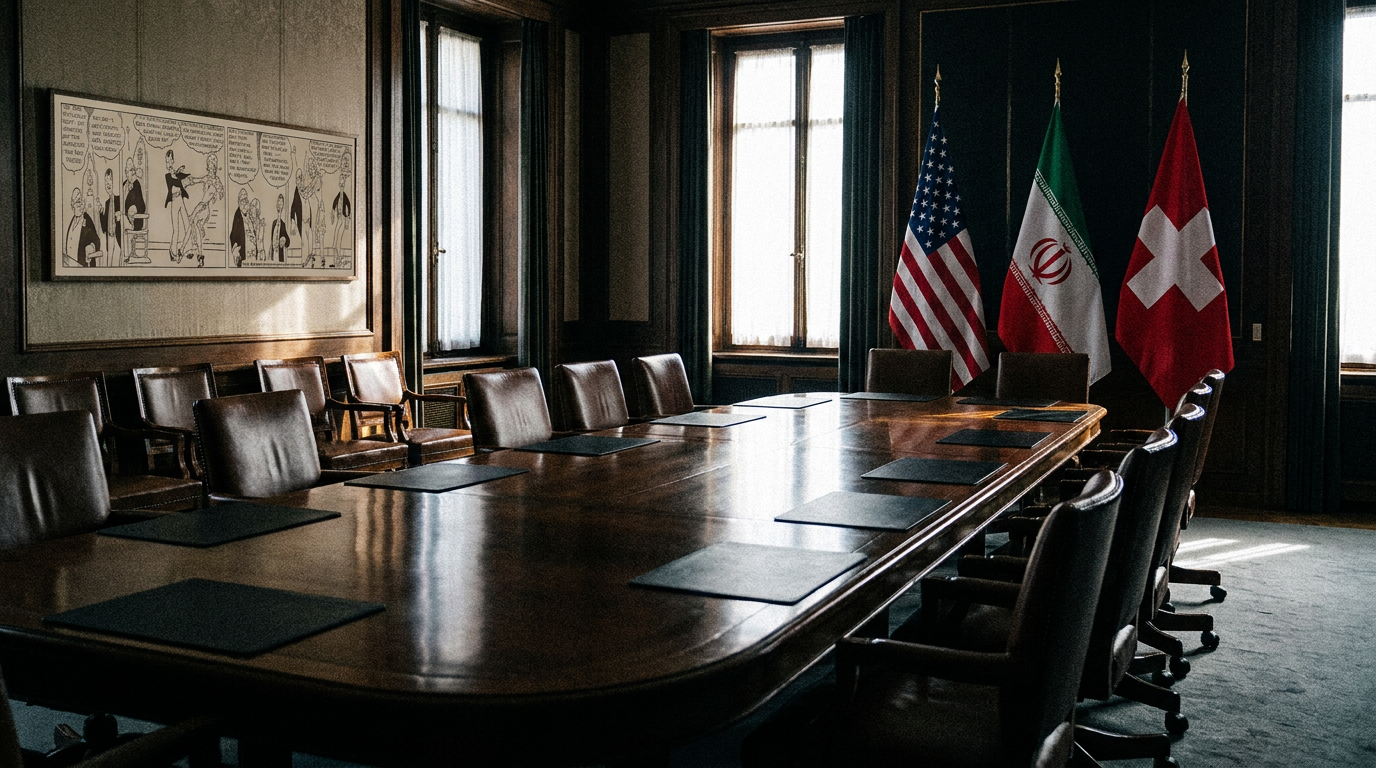
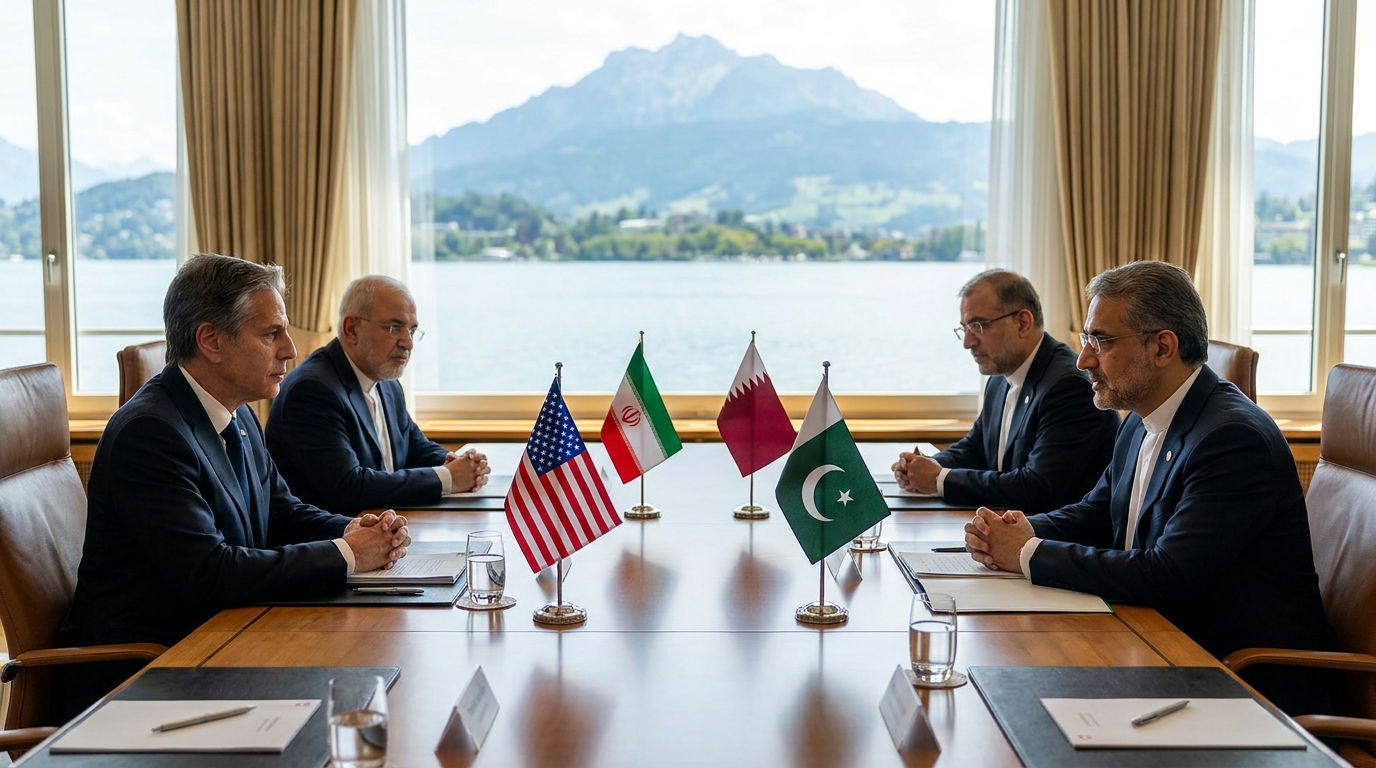
A high-stakes diplomatic tightrope is unfolding in Switzerland, where U.S. Vice President J.D. Vance is attempting to forge a fragile peace framework with Iranian officials. Yet, the negotiations in Bürgenstock are being overshadowed by a dramatic escalation in the Persian Gulf: Tehran has declared the Strait of Hormuz closed to commercial shipping. The dual developments represent one of the most volatile moments in recent Middle Eastern geopolitics, blending direct bilateral negotiations with immediate military and economic brinkmanship.[1][3]
The diplomatic mission is further complicated by starkly contrasting messaging emanating from the highest levels of the U.S. government. While Vice President Vance has reportedly sought to turn over a "new leaf" with Tehran during the closed-door sessions, President Donald Trump issued a severe public warning. Trump threatened to resume military attacks, stating that Iran "won't have a country" if it maintains the blockade of the critical waterway. This rhetorical whiplash has left international observers and market analysts scrambling to decipher the administration's true red lines.[1][5]
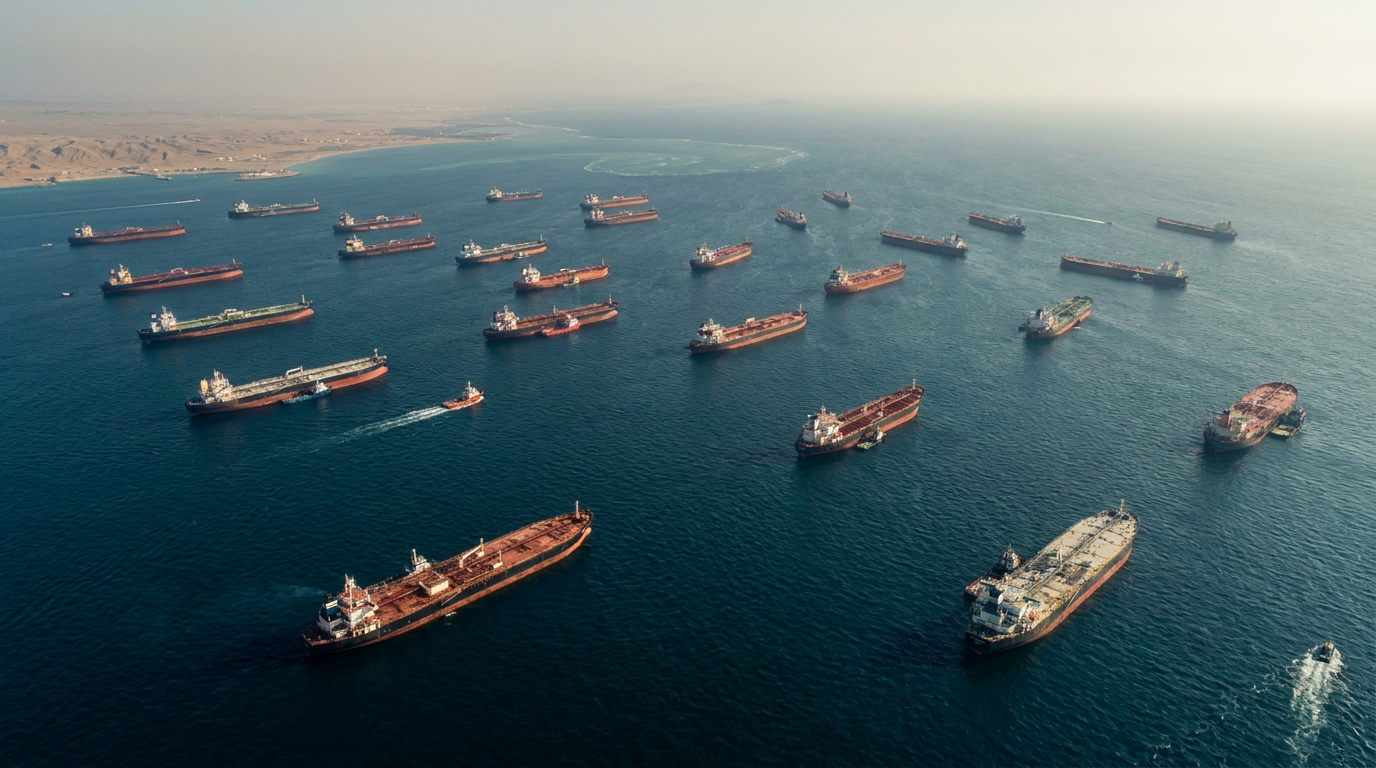
The immediate catalyst for Iran's closure of the Strait of Hormuz stems from ongoing Israeli military strikes in southern Lebanon. Tehran, which heavily backs Hezbollah forces in the region, framed the waterway shutdown as a direct retaliatory measure against what it views as unchecked aggression by a U.S. ally. Ship tracking data almost immediately reflected a sharp fall in transits through the strait, a narrow chokepoint that typically accommodates roughly a fifth of the world's daily oil consumption.[1][3][7]

The economic ramifications of a stalled Strait of Hormuz are instantaneous and severe. Global energy markets, already jittery from months of regional instability, are bracing for significant supply chain disruptions. With major shipping conglomerates halting transits to avoid potential vessel seizures or military crossfire, the cost of rerouting and the sudden drop in available crude are poised to send shockwaves through global inflation metrics.[3][7]
The economic ramifications of a stalled Strait of Hormuz are instantaneous and severe.
Despite the escalating rhetoric and the maritime blockade, the talks in Bürgenstock have not collapsed. Negotiators from both Washington and Tehran wrapped up a full day of discussions that participants described as "tense" but "constructive." The very fact that the two sides remained at the table while a major global shipping lane was being blockaded underscores the immense pressure both administrations face to find an off-ramp to the current crisis.[4][5]
A central hurdle in the negotiations involves the fate of billions of dollars in frozen Iranian assets. Analysts warn that control over these unfrozen funds is the first major test of any potential Trump-era Iran deal. Tehran views the release of these assets as a non-negotiable prerequisite for regional de-escalation, while hawkish voices in Washington argue that unfreezing the funds would effectively reward Iran's aggressive posturing in the Gulf and its proxy actions in Lebanon.[2][6]

From Tehran's vantage point, the simultaneous engagement in diplomacy and military posturing is a calculated leverage strategy. Iranian state media has emphasized that the country will not capitulate to threats of military annihilation, positioning the Hormuz closure as a legitimate defensive maneuver to force the international community to rein in Israeli operations in Lebanon. For Iran's negotiators, the frozen assets represent stolen sovereign wealth that must be returned before any broader security guarantees can be finalized.[8]
The coming days will test whether Vance's diplomatic overtures can survive the dual pressures of the Hormuz blockade and the President's military threats. If the talks in Switzerland break down, the U.S. faces the immediate challenge of securing the Persian Gulf militarily—a scenario that could quickly spiral into the very regional conflict the Bürgenstock summit was designed to prevent.[1][5][7]
How we got here
Recent Weeks
Israeli military strikes intensify in southern Lebanon.
June 21, 2026
Iran declares the Strait of Hormuz closed to commercial shipping.
June 21, 2026
U.S. Vice President J.D. Vance meets with Iranian officials in Switzerland.
June 21, 2026
President Trump publicly threatens to resume military attacks on Iran.
Viewpoints in depth
U.S. Administration's Dual Track
The White House is utilizing a 'good cop, bad cop' strategy, balancing direct diplomacy with severe military threats.
The U.S. approach appears intentionally fractured to maximize leverage. Vice President Vance is actively engaging in closed-door diplomacy in Switzerland, signaling a willingness to negotiate a new peace framework and potentially address the frozen assets. Simultaneously, President Trump is maintaining a posture of maximum pressure, using the threat of overwhelming military force to ensure Iran does not miscalculate U.S. resolve regarding the Strait of Hormuz.
Tehran's Leverage Strategy
Iran is using its control over global shipping lanes as a bargaining chip to force concessions on frozen funds and regional conflicts.
For Iranian leadership, the closure of the Strait of Hormuz is a calculated risk designed to inflict immediate economic pain on the West. By tying the reopening of the waterway to a cessation of Israeli strikes in Lebanon and the release of billions in frozen assets, Tehran hopes to force the U.S. to pressure its allies. Iranian state media frames this not as unprovoked aggression, but as a necessary defensive measure against economic warfare and regional instability.
Global Energy Markets
Market analysts and shipping conglomerates are bracing for severe disruptions and inflationary spikes.
The economic perspective is one of immediate crisis management. The Strait of Hormuz is the world's most important oil chokepoint, and its closure instantly strands millions of barrels of crude. Shipping companies are forced to halt operations or face the risk of vessel seizures, leading to skyrocketing insurance premiums and freight rates. Economists warn that even a brief closure could trigger a significant spike in global inflation, complicating central bank policies worldwide.
What we don't know
- Whether President Trump will authorize military strikes if the Strait of Hormuz remains closed.
- If the U.S. is genuinely willing to unfreeze Iranian assets as part of a new deal.
- How long global shipping companies can afford to pause transits before rerouting entirely.
Key terms
- Strait of Hormuz
- A narrow, strategically important waterway between the Persian Gulf and the Gulf of Oman, through which a significant portion of the world's oil passes.
- Frozen Assets
- Billions of dollars in Iranian state funds held in international accounts that were blocked by U.S. and allied sanctions.
Frequently asked
Why did Iran close the Strait of Hormuz?
Tehran announced the closure in retaliation for ongoing Israeli military strikes in southern Lebanon, aiming to pressure the international community.
Who is representing the U.S. in the peace talks?
Vice President J.D. Vance is leading the U.S. delegation in the ceasefire negotiations taking place in Bürgenstock, Switzerland.
What is the main dispute in the negotiations?
A major sticking point is the control and potential release of billions of dollars in frozen Iranian assets, which Tehran demands as a prerequisite for any deal.
Sources
Source coverage
8 outlets
4 viewpoints surfaced







[1]The GuardianU.S. Diplomatic Effort
Trump news at a glance: President threatens to restart attacks on Iran even as Vance cites progress in talks
Read on The Guardian →[2]Fox NewsHawkish Skeptics
Major dispute to threaten Trump's Iran deal over billions in frozen Tehran funds: expert
Read on Fox News →[3]Al JazeeraU.S. Diplomatic Effort
Shipping stalls in Strait of Hormuz after Iran declares key waterway shut
Read on Al Jazeera →US and Iran meet for 'tense' but 'constructive' ceasefire talks
Read on Al Jazeera →[5]New York TimesU.S. Diplomatic Effort
Vance Seeks Diplomatic Breakthrough in Switzerland as Trump Threatens Military Action
Read on New York Times →[6]Wall Street JournalHawkish Skeptics
Frozen Iranian Assets Emerge as Sticking Point in Bürgenstock Negotiations
Read on Wall Street Journal →[7]CNNEconomic Realists
Strait of Hormuz Closure Sends Shockwaves Through Global Supply Chains
Read on CNN →[8]Tehran TimesIranian State Interests
Iran Demands Release of Frozen Funds as Prerequisite for Regional Stability
Read on Tehran Times →

More in news politics
See all 11 stories →Strait of Hormuz
US and Iran Open Direct Peace Talks in Switzerland Amid Renewed Strait of Hormuz Blockade
7 sources
Public Health Guidelines
Fact Check: Do 'Weekend Warrior' Workouts Actually Provide the Same Benefits as Daily Exercise?
7 sources

Strait of Hormuz
Global Shipping Halts in Strait of Hormuz as U.S. and Iran Open High-Stakes Peace Talks
8 sources
US-Iran Relations
U.S. and Iran Open Ceasefire Talks in Switzerland as Strait of Hormuz Closure Halts Shipping
7 sources
Every angle. Every day.
Get news politics stories with full source coverage and perspective breakdowns delivered to your inbox.