
US and Iran Open High-Stakes Peace Talks in Switzerland Amid Strait of Hormuz Crisis
High-stakes peace talks between the United States and Iran opened in Switzerland, surviving an early Iranian walkout sparked by President Donald Trump's threats of military strikes. The summit aims to cement a fragile 60-day ceasefire, even as Tehran claims to have closed the Strait of Hormuz in retaliation for Israeli operations in Lebanon.
By Factlen Editorial Team
- US Administration
- Focuses on securing a nuclear deal, unfreezing assets conditionally, and keeping the Strait open while balancing diplomacy with the President's threats.
- Iranian Leadership
- Demands an end to Israeli strikes in Lebanon, uses the Strait of Hormuz as leverage, and protests aggressive US rhetoric.
- Hawkish Critics
- Warns against unfreezing billions in assets, doubts Iran's compliance, and supports maximum economic pressure.
- Global Mediators
- Qatar, Pakistan, and European observers focusing on de-escalation, economic stability, and preventing a broader regional war.
What's not represented
- · Lebanese Government
- · European Energy Importers
Why this matters
The Strait of Hormuz is the conduit for roughly 20% of the world's traded oil. If diplomatic efforts collapse and the waterway remains blocked, global energy markets face severe disruptions, threatening to spike inflation and drag the US into a renewed Middle Eastern conflict.
Key points
- The US and Iran opened direct peace talks in Switzerland to build on a fragile 60-day ceasefire.
- Iran announced the closure of the Strait of Hormuz in retaliation for Israeli strikes in Lebanon.
- Iranian delegates briefly walked out of the talks after President Trump threatened military strikes on social media.
- Mediators from Qatar and Pakistan salvaged the summit, reporting 'encouraging progress' after 18 hours of negotiations.
High-stakes direct negotiations between the United States and Iran opened in Switzerland on Sunday, surviving a tense first day that saw an Iranian walkout, threats of military strikes from Washington, and the declared closure of the world's most critical oil chokepoint.[1][2]
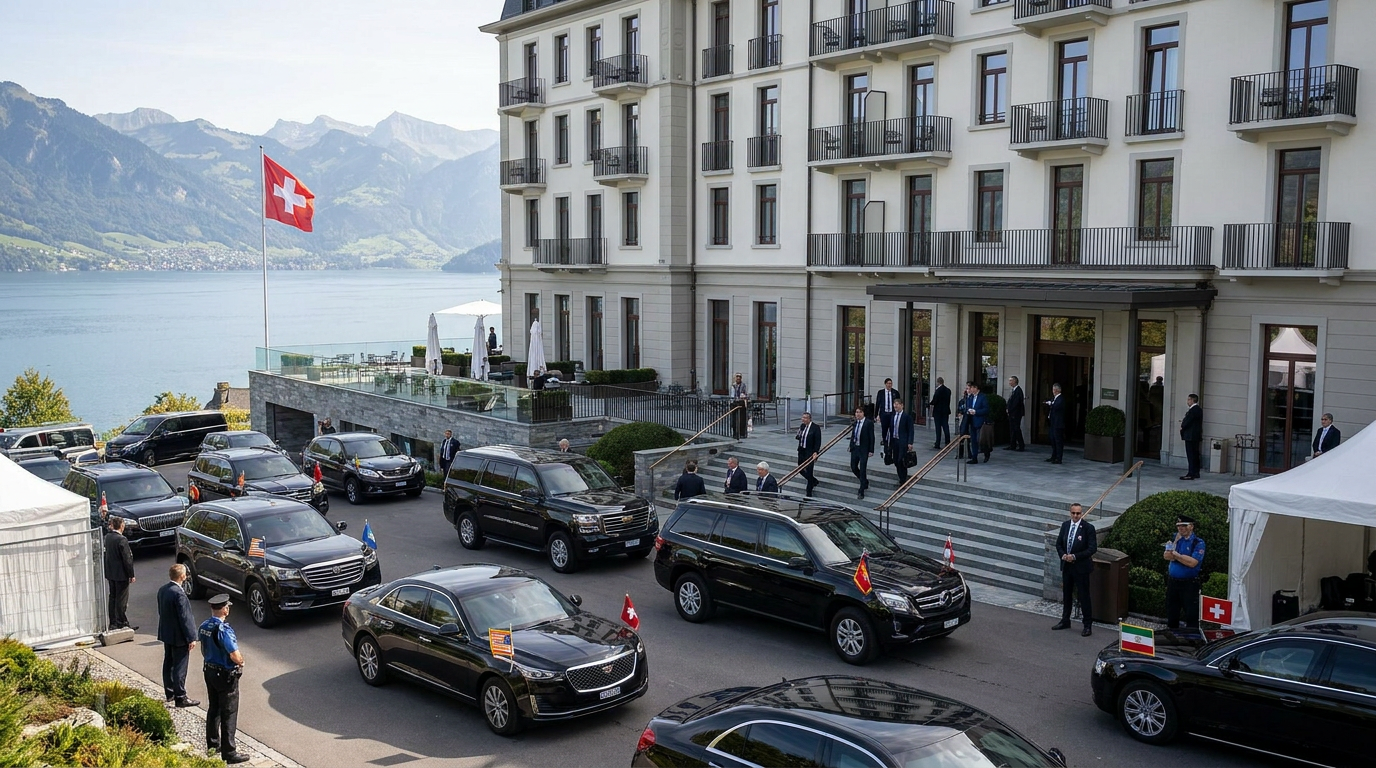
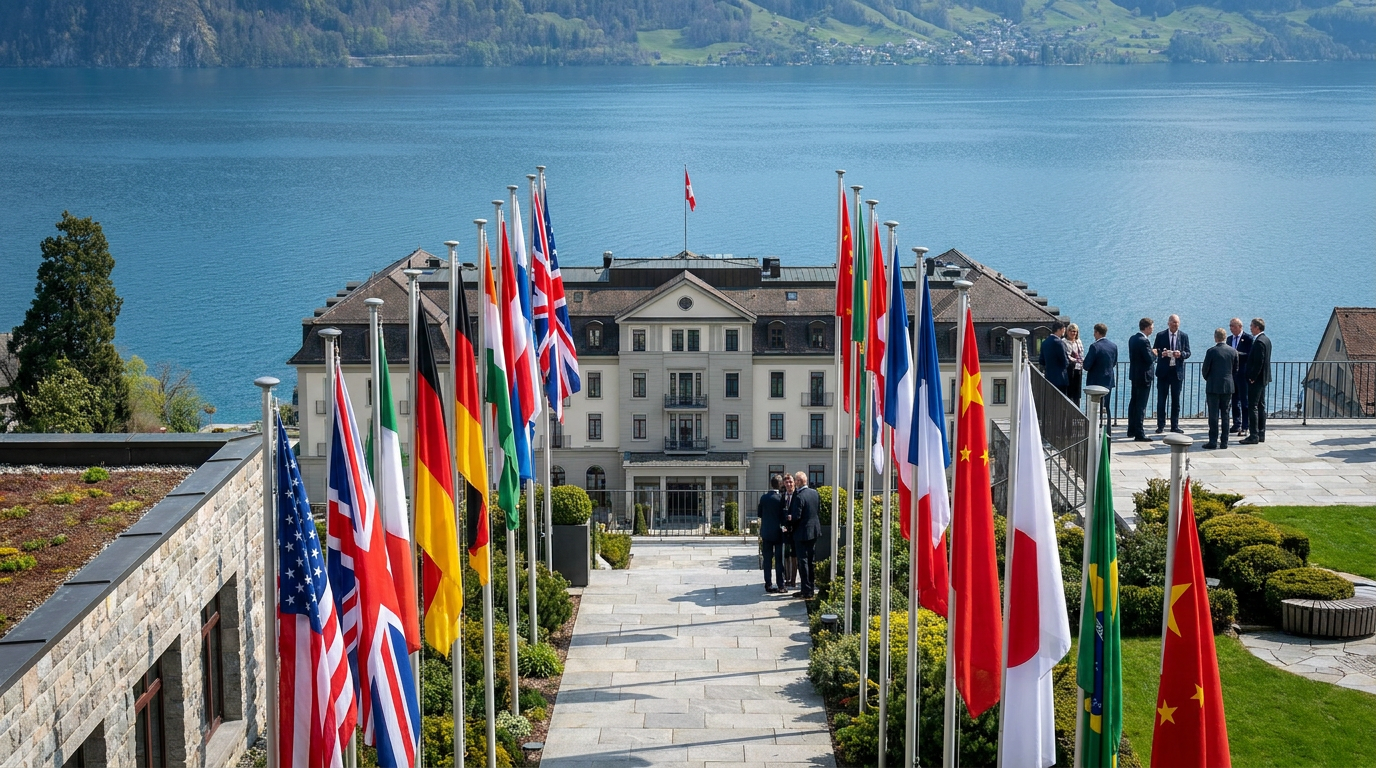
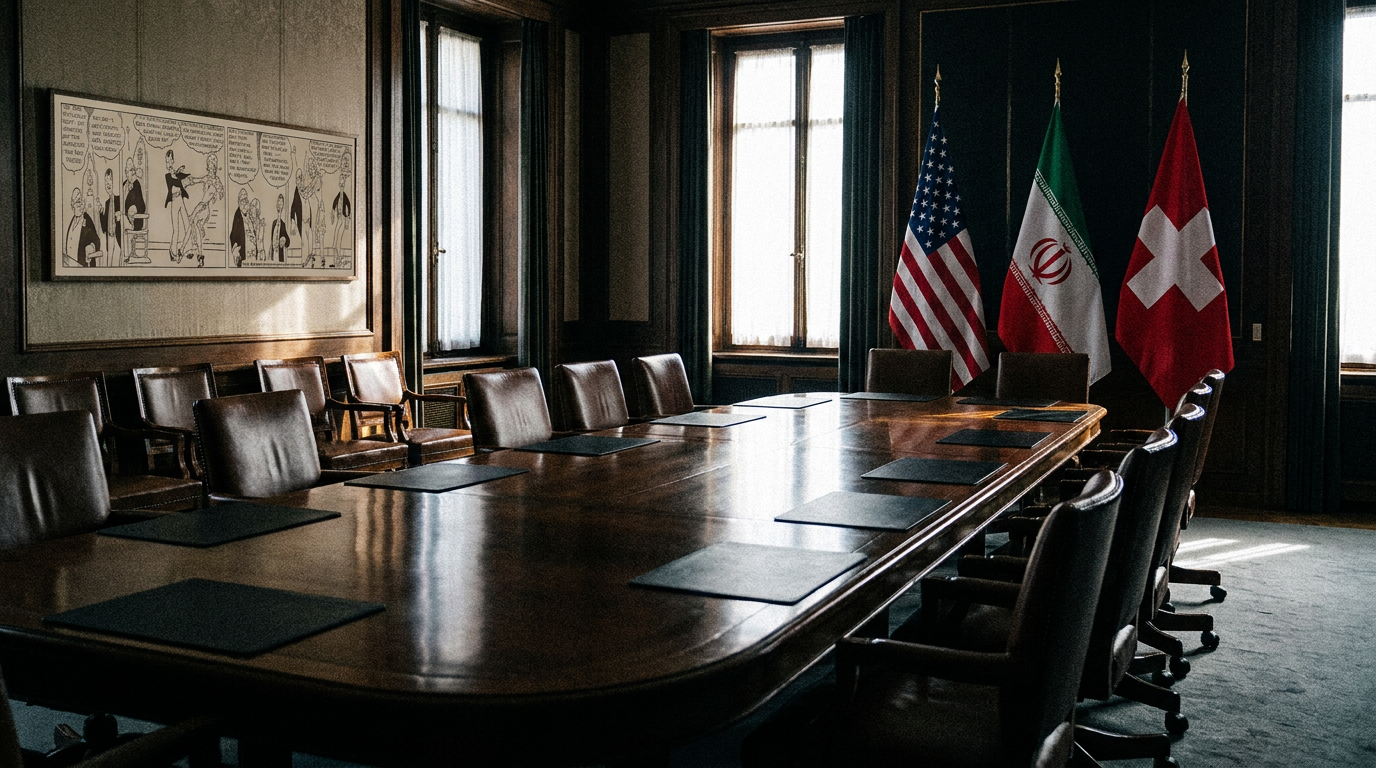
The "Lake Lucerne Summit," held at the Bürgenstock resort, marks the first face-to-face engagement between the two nations since the Islamabad summit last April. The talks are designed to build upon a fragile interim ceasefire, address Iran's nuclear program, and unfreeze billions of dollars in Iranian assets over a 60-day window.[4][7]
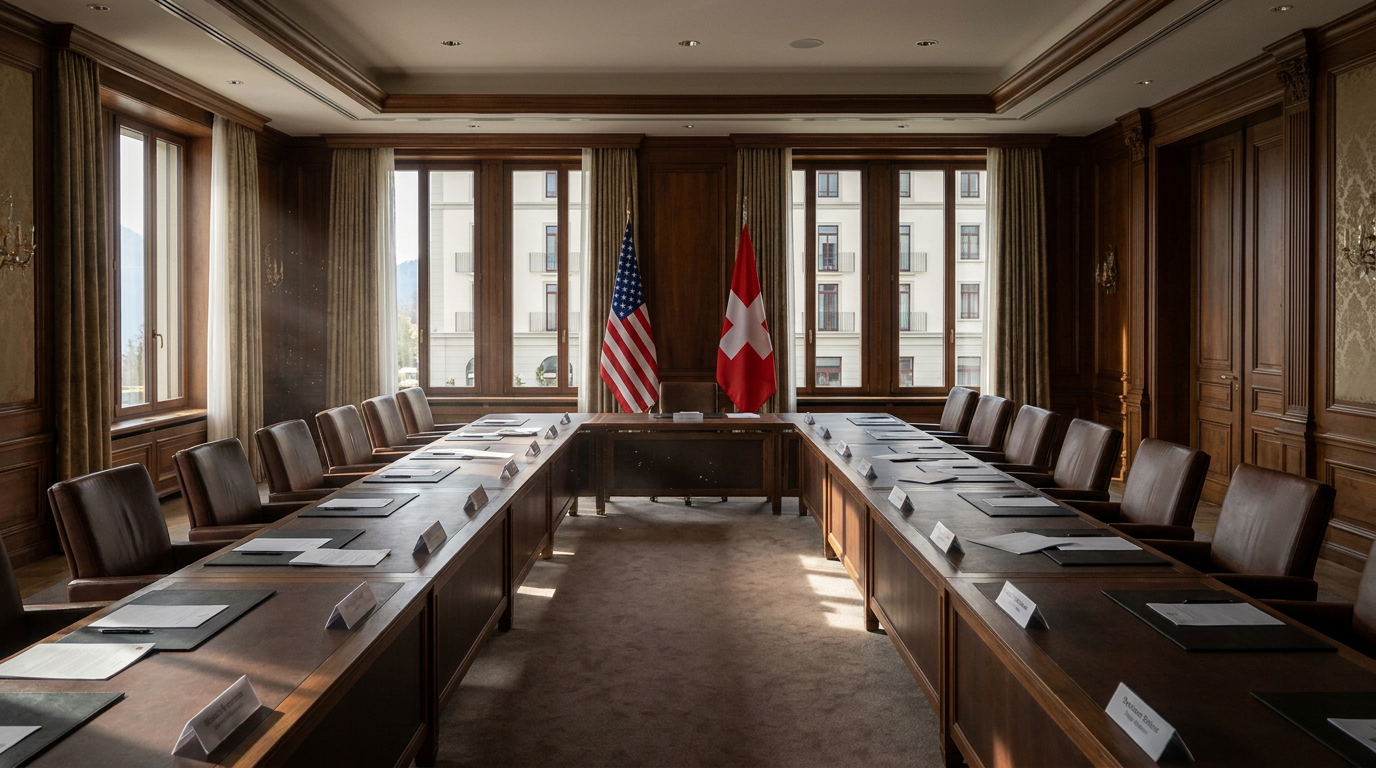
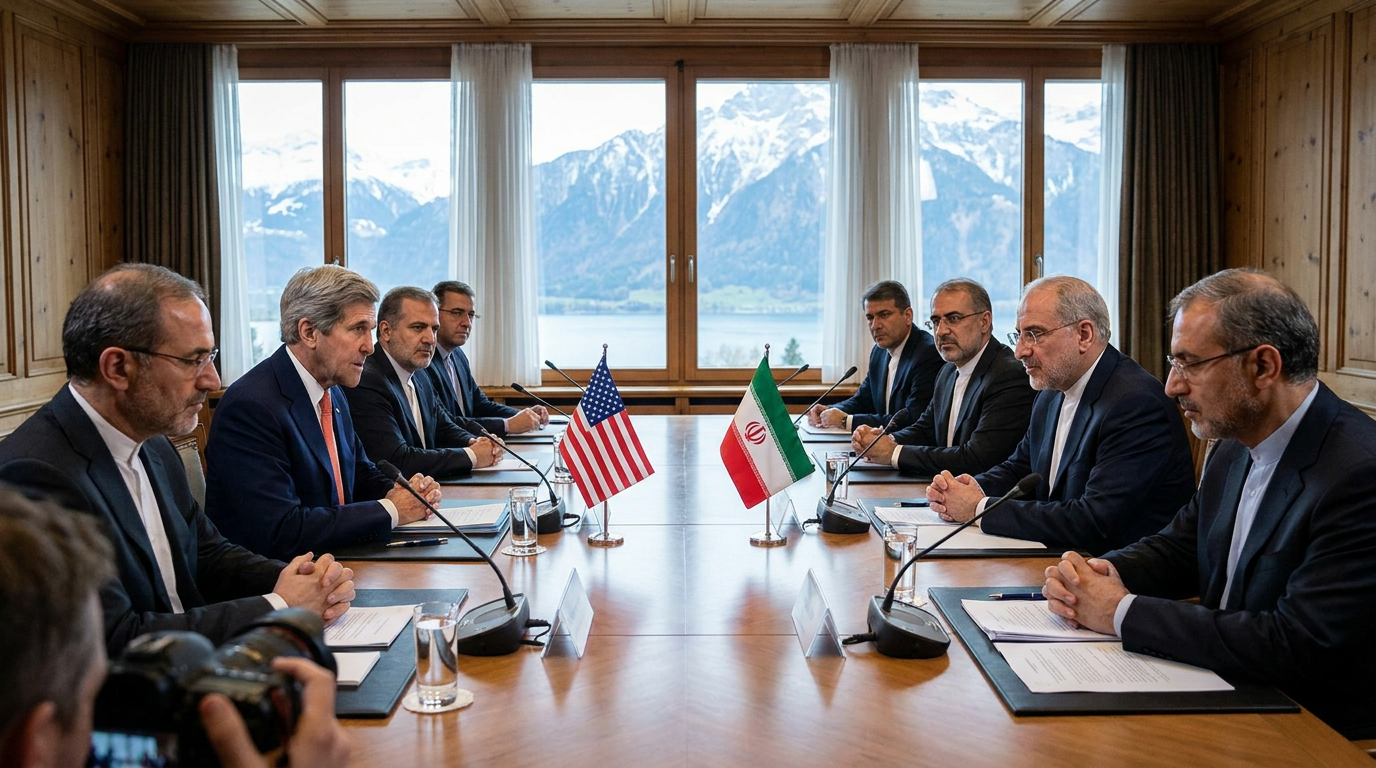
Vice President JD Vance is leading the American delegation, joined by special envoys Jared Kushner and Steve Witkoff. They sat down with an Iranian team headed by parliamentary speaker Mohammad Bagher Ghalibaf and Foreign Minister Abbas Araghchi, with officials from Qatar and Pakistan serving as mediators.[4][5]
Opening the session, Vance struck a conciliatory tone, asking if the two adversaries could "turn over a new leaf" and permanently alter relations in the Middle East.[4]
However, the diplomatic atmosphere fractured almost immediately due to developments outside the negotiating room. Prior to the delegations' arrival, Tehran's Islamic Revolutionary Guard Corps announced it had closed the Strait of Hormuz, citing ongoing Israeli military strikes against Hezbollah in southern Lebanon.[1][2][5]

In response, President Donald Trump took to social media, threatening to bomb Iran and even suggesting he would kidnap the Iranian negotiating team if the waterway was not reopened. Trump also threatened to impose American tolls on the strait if a final deal is not reached within 60 days.[1][5]
Trump also threatened to impose American tolls on the strait if a final deal is not reached within 60 days.
The bellicose rhetoric prompted the Iranian delegation to formally protest the "insulting message" and briefly walk out of the quadrilateral meeting. The disruption forced Qatari and Pakistani diplomats into hours of shuttle diplomacy to salvage the summit.[1][6]
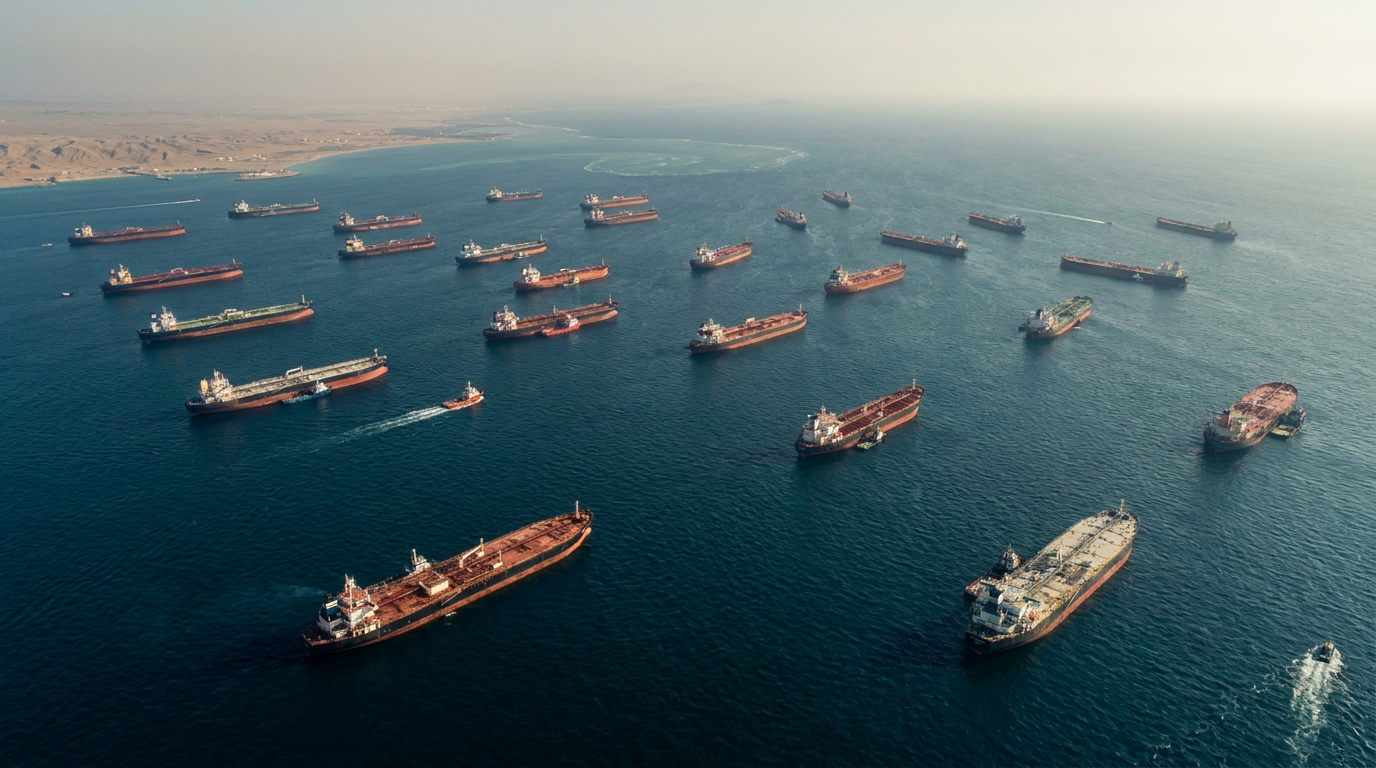
The standoff over the Strait of Hormuz casts a massive economic shadow over the proceedings. The waterway is a vital conduit for approximately 20% of the world's traded oil. While Iranian state media declared the strait shut, US Central Command stated it was monitoring the situation to ensure traffic continued to flow, though ship tracking data indicated a sharp stall in commercial transits.[2][4]

The economic stakes are particularly high for Tehran. Following the initial easing of a US naval blockade last week, maritime intelligence firms reported that Iran exported roughly 36 million barrels of crude oil in just six days—a dramatic reversal from the crippling lows of the preceding months.[1]
Back in Washington, the prospect of a permanent deal is facing fierce bipartisan headwinds. Republican hawks and conservative analysts are warning against unfreezing billions in Iranian assets, arguing that economic pressure is failing to curb Tehran's regional ambitions and that the administration is conceding too much leverage.[3]

For Iran, the immediate priority is not the nuclear file, but the conflict in Lebanon. Iranian negotiators are demanding the establishment of a "de-confliction cell" to halt Israeli operations against Hezbollah, making it a prerequisite for broader agreements.[1][6]
Despite the morning's brinkmanship, the delegations eventually returned to the table. Following nearly 18 hours of discussions, mediators from Qatar and Pakistan issued a joint statement citing "encouraging progress" and a "positive and constructive atmosphere."[1][6]
The parties reportedly agreed to establish a direct communication line to prevent accidental military clashes in the Strait of Hormuz. Technical talks are scheduled to continue throughout the week, focusing heavily on the Lebanon file before advancing to the complexities of nuclear inspections.[1][6]
How we got here
April 2026
The Islamabad summit establishes the groundwork for an interim ceasefire between the US and Iran.
Mid-June 2026
The US and Iran sign a memorandum of understanding, initiating a 60-day window for comprehensive peace talks and partially easing the US naval blockade.
June 20, 2026
Iran announces the closure of the Strait of Hormuz in retaliation for Israeli strikes in Lebanon.
June 21, 2026
Direct talks open in Switzerland; Iranian delegates briefly walk out over threats posted by President Trump on social media.
June 22, 2026
Mediators announce 'encouraging progress' after 18 hours of negotiations, establishing a communication line to prevent clashes in the Strait.
Viewpoints in depth
The US Administration's view
The administration aims to leverage sanctions relief to secure binding commitments on Iran's nuclear program.
Vice President JD Vance and the negotiating team view the 60-day window as a critical opportunity to permanently alter Middle East dynamics. They aim to leverage the unfreezing of billions in Iranian assets to secure binding commitments on Iran's nuclear program and guarantee the free flow of global commerce through the Strait of Hormuz, attempting to balance diplomatic progress with the President's aggressive public posture.
Iran's view
Tehran prioritizes an immediate halt to Israeli military operations in Lebanon over the nuclear file.
Tehran views the negotiations through the lens of regional security, prioritizing an immediate halt to Israeli military operations against Hezbollah in Lebanon. Iranian officials are using their control over the Strait of Hormuz as primary leverage, arguing that any broader nuclear agreement is impossible while their regional allies remain under attack, and they remain highly sensitive to perceived American disrespect or bullying.
Hawkish Critics' view
Skeptics argue that unfreezing assets before securing irreversible concessions is a dangerous mistake.
Skeptics in Washington argue that the administration is repeating past mistakes by offering sanctions relief and unfreezing assets before securing irreversible concessions. They contend that Iran will use the influx of capital to fund proxy groups across the Middle East, and point to Tehran's immediate closure of the Strait as proof that the regime is negotiating in bad faith.
What we don't know
- Whether commercial shipping will be able to safely resume transit through the Strait of Hormuz in the coming days.
- If the proposed 'de-confliction cell' will successfully halt the fighting between Israel and Hezbollah in Lebanon.
- How President Trump will react to the technical agreements reached by the negotiating teams in Switzerland.
Key terms
- Strait of Hormuz
- A narrow, strategically vital waterway between the Persian Gulf and the Gulf of Oman, through which a fifth of global oil consumption passes.
- Lake Lucerne Summit
- The diplomatic gathering at the Bürgenstock resort in Switzerland where US, Iranian, Qatari, and Pakistani officials are negotiating a comprehensive peace agreement.
- De-confliction cell
- A proposed communication mechanism intended to prevent accidental military clashes and coordinate the cessation of hostilities, particularly regarding the conflict in Lebanon.
Frequently asked
Why are the US and Iran meeting in Switzerland?
Switzerland is hosting the 'Lake Lucerne Summit' as a neutral venue for direct negotiations aimed at building upon a recently signed interim ceasefire and addressing Iran's nuclear program.
Why did Iran close the Strait of Hormuz?
Tehran claims it shut the vital shipping lane in retaliation for ongoing Israeli military strikes against Hezbollah, an Iranian-backed militia, in southern Lebanon.
What caused the Iranian delegation to walk out?
Iranian negotiators briefly left the talks in protest after US President Donald Trump posted social media messages threatening to bomb Iran and kidnap the negotiating team.
What is the economic impact of the Strait's closure?
The Strait of Hormuz is a critical chokepoint for global energy markets, with roughly 20% of the world's traded oil passing through it. Prolonged closure could severely disrupt global supply chains.
Sources
Source coverage
7 outlets
4 viewpoints surfaced







[1]The GuardianGlobal Mediators
Trump news at a glance: President threatens to restart attacks on Iran even as Vance cites progress in talks
Read on The Guardian →[2]Al JazeeraIranian Leadership
Shipping stalls in Strait of Hormuz after Iran declares key waterway shut
Read on Al Jazeera →[3]Fox NewsHawkish Critics
Major dispute to threaten Trump's Iran deal over billions in frozen Tehran funds: expert
Read on Fox News →[4]PBS NewsHourUS Administration
Vance meets top Iranian officials as U.S. looks to prod Iran to 'turn over a new leaf'
Read on PBS NewsHour →[5]Associated PressGlobal Mediators
U.S. and Iran to talk Sunday in Switzerland as Tehran says it closed Strait of Hormuz again
Read on Associated Press →[6]Anadolu AgencyIranian Leadership
1st round of 4-party Iran-US talks concludes in Switzerland
Read on Anadolu Agency →[7]AxiosUS Administration
U.S. and Iran launch direct negotiations in Switzerland
Read on Axios →
More in news politics
See all 10 stories →US-Iran Relations
U.S. and Iran Open Ceasefire Talks in Switzerland as Strait of Hormuz Closure Halts Shipping
7 sources
Strait of Hormuz
US and Iran Reach Preliminary Agreements in Switzerland Despite Threats and Strait Closure
7 sources
Middle East Diplomacy
U.S. and Iran Hold Ceasefire Talks in Switzerland as Tehran Closes Strait of Hormuz
8 sources
Strait of Hormuz
US, Iran Open Tense Peace Talks in Switzerland Amid Strait of Hormuz Closure Threats
8 sources
Every angle. Every day.
Get news politics stories with full source coverage and perspective breakdowns delivered to your inbox.