
Right-Wing Outsider Abelardo de la Espriella Wins Colombian Presidency in Historic Squeaker
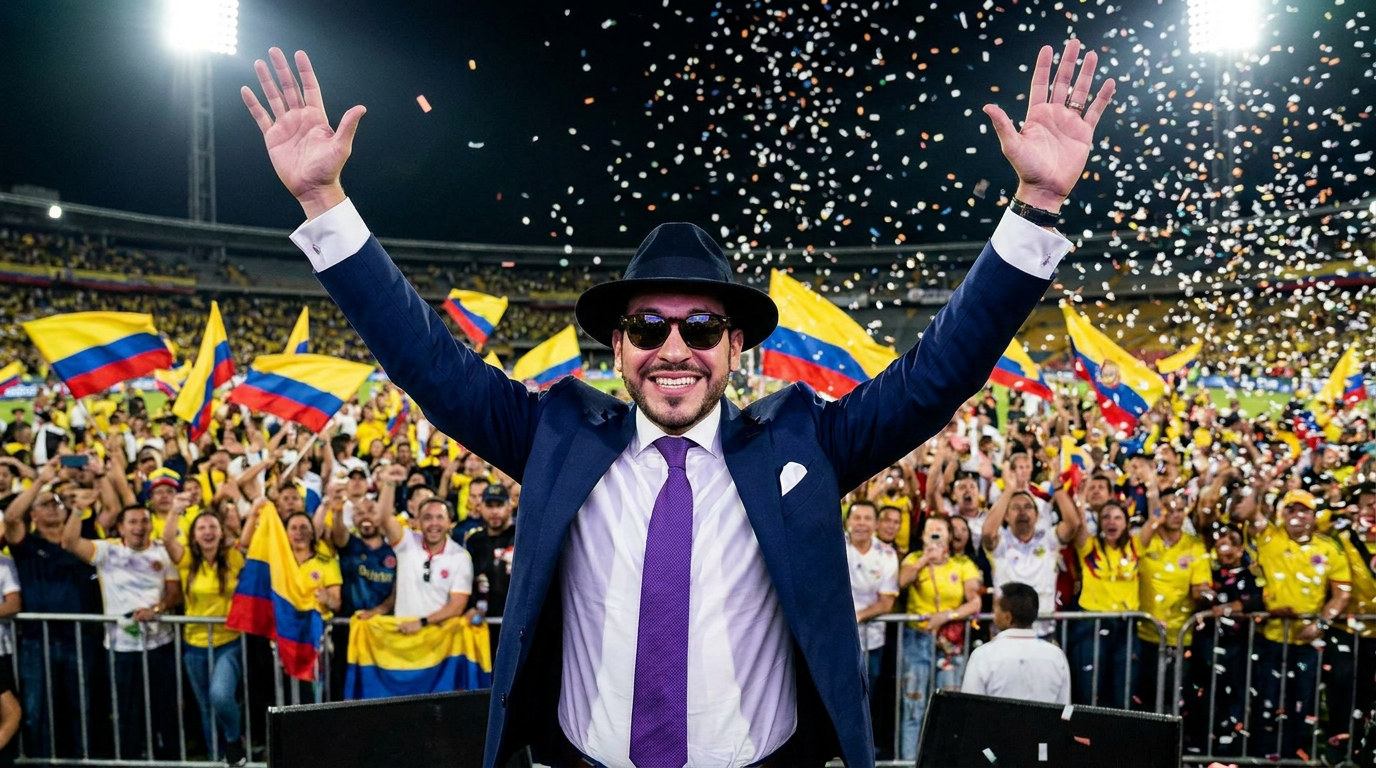
Far-right lawyer Abelardo de la Espriella narrowly defeated leftist Iván Cepeda by less than 1% in Colombia's presidential runoff, signaling a sharp political pivot for the South American nation.
By Factlen Editorial Team
- Security Hardliners
- Advocates for a militarized approach to crime and cartels.
- The Progressive Left
- Defenders of the outgoing administration's social and peace initiatives.
- Economic Pragmatists
- Centrists and business leaders focused on market stability and governance.
What's not represented
- · Indigenous and Afro-Colombian communities who disproportionately suffer from the internal armed conflict.
- · Human rights organizations concerned about the proposed mega-prisons.
Why this matters
The election ends Colombia's four-year experiment with its first leftist government, pivoting the country toward hardline security policies modeled on El Salvador and realigning Bogotá's foreign policy closely with Washington.
Key points
- Far-right candidate Abelardo de la Espriella won Colombia's presidential runoff by less than 1%.
- The victory marks a sharp pivot away from the policies of outgoing leftist President Gustavo Petro.
- De la Espriella campaigned on building 10 mega-prisons and ending peace talks with armed groups.
- Voter turnout reached a historic high of 63.59% for the second round.
- The losing progressive coalition plans to challenge the results at over 30,000 polling stations.
Abelardo de la Espriella, a millionaire criminal defense lawyer and self-styled political outsider, has won Colombia's presidential runoff, securing a razor-thin victory that swings the nation sharply back to the right.[1][2]
With nearly 100% of the ballots counted from Sunday's election, de la Espriella captured 49.66% of the vote, representing roughly 12.95 million ballots. He narrowly defeated left-wing senator Iván Cepeda, who garnered 48.70%. The margin of approximately 250,000 votes makes it the closest presidential election in Colombian history.[2][3][7]

The high-stakes contest drove unprecedented civic engagement across the country. Over 23.9 million Colombians cast ballots, pushing voter turnout to a record 63.59% in the second round. The electorate was starkly polarized, with independent and centrist candidates having been entirely eliminated in the May 31 first round.[6][7]
The result marks a dramatic repudiation of incumbent Gustavo Petro, Colombia's first leftist president. Petro's four-year tenure was marked by ambitious but stalled social reforms and a controversial "total peace" strategy aimed at negotiating with armed groups. Cepeda, running as Petro's ideological successor, failed to overcome widespread voter anxiety over security and economic stagnation.[2][3][6]
Born in Bogotá but raised on Colombia's Caribbean coast, de la Espriella rose to prominence as a high-profile criminal lawyer. He built his reputation representing controversial figures, including leaders of right-wing paramilitary groups that were central to Colombia's decades-long armed conflict. Despite his long association with the country's political and legal establishment, he successfully branded himself as an anti-establishment outsider during the campaign.[2]

Born in Bogotá but raised on Colombia's Caribbean coast, de la Espriella rose to prominence as a high-profile criminal lawyer.
De la Espriella, 47, campaigned on an unapologetic far-right platform, drawing comparisons to El Salvador's Nayib Bukele and Argentina's Javier Milei. He has promised an "iron fist" approach to crime, including the construction of 10 maximum-security "mega-prisons" and an immediate end to peace negotiations with guerrilla and paramilitary organizations.[2][3][4]
His vice-president will be José Manuel Restrepo, an economist who previously served as finance minister under Petro's conservative predecessor, Iván Duque. De la Espriella has stated that Restrepo will be tasked with executing the administration's ambitious plan to shrink the government apparatus and deregulate the economy to spur growth.[2][7]
Beyond domestic security, the president-elect has pledged to slash the size of the state by 40%, boost the country's oil and gas sector, and tightly align Colombia's foreign policy with the United States. He received a late endorsement from former U.S. President Donald Trump, whom de la Espriella says he spoke with shortly after the results were announced.[2][4]

The razor-thin margin has prompted immediate pushback from the left. President Petro took to social media to allege irregularities in the preliminary vote count, claiming that some polling stations lacked the required signatures from election jurors. Cepeda's campaign announced plans to challenge the results at over 30,000 voting stations.[2][4]
Despite the allegations, international observers described the election day as transparent and orderly. Electoral authorities noted that a final count, overseen by notaries and judges, is required by Colombian law, but emphasized that no recount has ever flipped a presidential election in the country's history.[4][6]
De la Espriella will take office on August 7, facing the daunting task of governing a deeply divided country where nearly half the electorate voted against him. With his independent "Defenders of the Homeland" movement holding minimal seats in Congress, he will be forced to build coalitions with traditional conservative parties to pass his sweeping legislative agenda.[3][7]
How we got here
May 2022
Gustavo Petro is elected as Colombia's first left-wing president.
May 31, 2026
Abelardo de la Espriella wins the first round of the presidential election with 43.7% of the vote.
June 21, 2026
De la Espriella narrowly defeats Iván Cepeda in the runoff election.
August 7, 2026
Scheduled inauguration day for the new administration.
Viewpoints in depth
Security Hardliners
Advocates for a militarized approach to crime and cartels.
Supporters of de la Espriella argue that four years of leftist governance and the 'total peace' initiative severely compromised national security. By attempting to negotiate with every armed faction simultaneously, they claim the state effectively ceded territory to drug cartels and guerrilla groups. This camp views the proposed 10 mega-prisons and the suspension of peace talks not as authoritarian overreach, but as a necessary, Bukele-style correction to reclaim sovereignty and protect everyday citizens from extortion and violence.
The Progressive Left
Defenders of the outgoing administration's social and peace initiatives.
For the progressive coalition that backed Iván Cepeda, the election result is a devastating blow to decades of peace-building efforts. They argue that de la Espriella's 'iron fist' rhetoric threatens to plunge Colombia back into the darkest days of its internal conflict, where state-sponsored violence and paramilitary abuses were rampant. This camp is deeply skeptical of the incoming president's ties to former paramilitary leaders and fears that his plans to shrink the state will gut essential social programs for the country's most vulnerable populations.
Economic Pragmatists
Centrists and business leaders focused on market stability and governance.
The business community and centrist voters largely view the election through a lens of economic relief, welcoming the end of Petro's heavy-handed regulatory approach. However, their optimism is tempered by concerns over governability. Because de la Espriella ran as an independent outsider, his political movement lacks a natural majority in the Colombian Congress. Pragmatists worry that without a mandate or a coalition-building strategy, his ambitious plans to deregulate the economy and shrink the state by 40% could result in legislative gridlock rather than rapid growth.
What we don't know
- Whether the electoral challenges filed by Iván Cepeda's campaign will result in any significant vote adjustments.
- How de la Espriella will manage to pass his sweeping legislative agenda with minimal representation in Congress.
- How Colombia's remaining armed groups will respond to the formal end of the 'total peace' negotiations.
Key terms
- Total Peace
- Outgoing President Gustavo Petro's flagship policy aimed at negotiating simultaneous peace deals with all of Colombia's remaining guerrilla and criminal groups.
- Historic Pact
- The left-wing political coalition that brought Gustavo Petro to power in 2022 and backed Iván Cepeda in 2026.
- Defenders of the Homeland
- The independent, right-wing political alliance formed to support Abelardo de la Espriella's 2026 presidential campaign.
Frequently asked
Why couldn't Gustavo Petro run for re-election?
Colombia's constitution limits presidents to a single four-year term, legally barring Petro from seeking a second consecutive term in office.
What are the new president's main policies?
De la Espriella plans to build 10 maximum-security mega-prisons, end peace talks with armed groups, shrink the government by 40%, and closely align foreign policy with the United States.
Could the election results be overturned?
While the losing campaign plans to challenge the results at thousands of polling stations, electoral authorities note that no recount has ever flipped a presidential election in Colombian history.
Sources
Source coverage
7 outlets
3 viewpoints surfaced







[1]NPREconomic Pragmatists
Colombia Election: Right-wing Abelardo de la Espriella wins, initial count shows
Read on NPR →[2]The GuardianThe Progressive Left
Far-right millionaire Abelardo de la Espriella wins Colombia's presidential runoff
Read on The Guardian →[3]Miami HeraldSecurity Hardliners
Abelardo de la Espriella narrowly beats Iván Cepeda in Colombia
Read on Miami Herald →[4]CBS NewsThe Progressive Left
Abelardo de la Espriella held a razor-thin lead in Colombia's presidential election
Read on CBS News →[5]The Jerusalem PostSecurity Hardliners
Right-wing candidate De La Espriella wins Colombian presidential election
Read on The Jerusalem Post →[6]Americas Society / Council of the AmericasEconomic Pragmatists
Colombia Elects 2026: Ongoing Coverage of the Presidential Race
Read on Americas Society / Council of the Americas →[7]Wikipedia
2026 Colombian presidential election
Read on Wikipedia →

More in news politics
See all 10 stories →US-Iran Relations
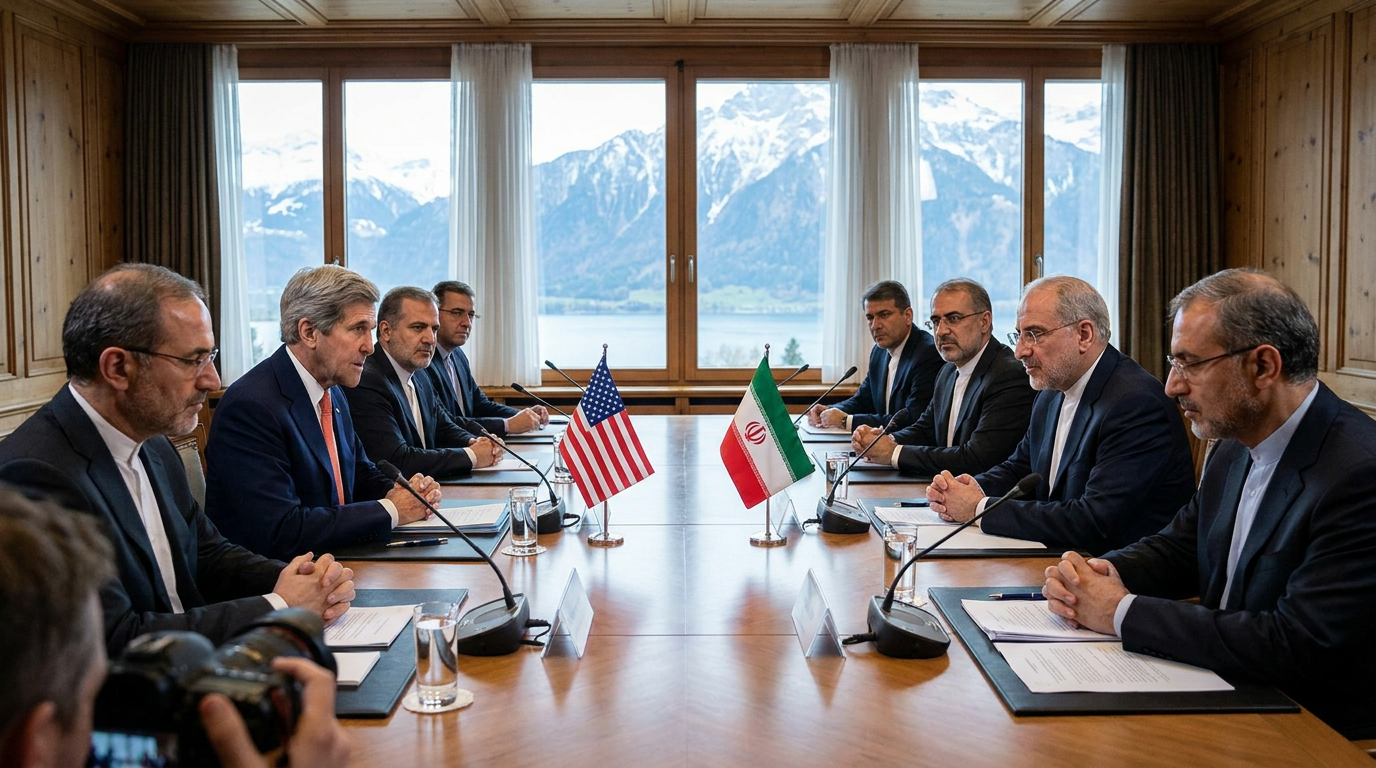
U.S. and Iran Open Ceasefire Talks in Switzerland as Strait of Hormuz Closure Halts Shipping
7 sources
Strait of Hormuz
US and Iran Reach Preliminary Agreements in Switzerland Despite Threats and Strait Closure
7 sources
Middle East Diplomacy
U.S. and Iran Hold Ceasefire Talks in Switzerland as Tehran Closes Strait of Hormuz
8 sources
Strait of Hormuz
US, Iran Open Tense Peace Talks in Switzerland Amid Strait of Hormuz Closure Threats
8 sources
Every angle. Every day.
Get news politics stories with full source coverage and perspective breakdowns delivered to your inbox.