
US and Iran Near Peace Deal to End 2026 Conflict, Reopen Strait of Hormuz
The United States and Iran are reportedly on the verge of signing a memorandum of understanding to halt the 2026 war. The tentative agreement would extend a ceasefire, reopen the vital Strait of Hormuz, and initiate a 60-day negotiation period regarding Iran's nuclear program.
By Factlen Editorial Team
- U.S. Administration
- Seeks to permanently dismantle Iran's nuclear weapons capabilities and halt proxy funding.
- Iranian Government
- Aims to secure the release of frozen assets and lift sanctions while maintaining civilian nuclear rights.
- International Mediators
- Focused on de-escalating the conflict and establishing a sustainable framework for peace.
- Global Energy Markets
- Prioritizes the reopening of the Strait of Hormuz to stabilize oil supplies and reduce inflation.
What's not represented
- · Israeli Government Officials
- · Gulf State Leaders
- · Iranian Civilian Opposition
Why this matters
A finalized peace agreement would halt a major conflict that has disrupted global energy markets and threatened to engulf the broader Middle East. Reopening the Strait of Hormuz—a chokepoint for 20% of the world's oil—would stabilize fuel prices and ease global inflation pressures.
Key points
- The U.S. and Iran are finalizing a memorandum of understanding to halt the 2026 war.
- The deal includes a 60-day ceasefire extension and the reopening of the Strait of Hormuz.
- U.S. officials claim the pact will lead to the dismantling of Iran's nuclear program.
- Iranian state media asserts the deal secures the release of $24 billion in frozen assets.
- President Trump accused Iran of leaking false terms as "domestic propaganda."
- Global oil prices fell over 3% in response to the potential reopening of shipping lanes.
The United States and Iran are reportedly on the brink of signing a landmark peace agreement to halt the 2026 war, signaling a potential end to months of intense military conflict and global economic disruption. Pakistani Prime Minister Shehbaz Sharif, acting as a key mediator, announced Friday that the "agreed upon text of the peace deal has been reached," and that negotiators are working closely to finalize the next steps.[1][2]
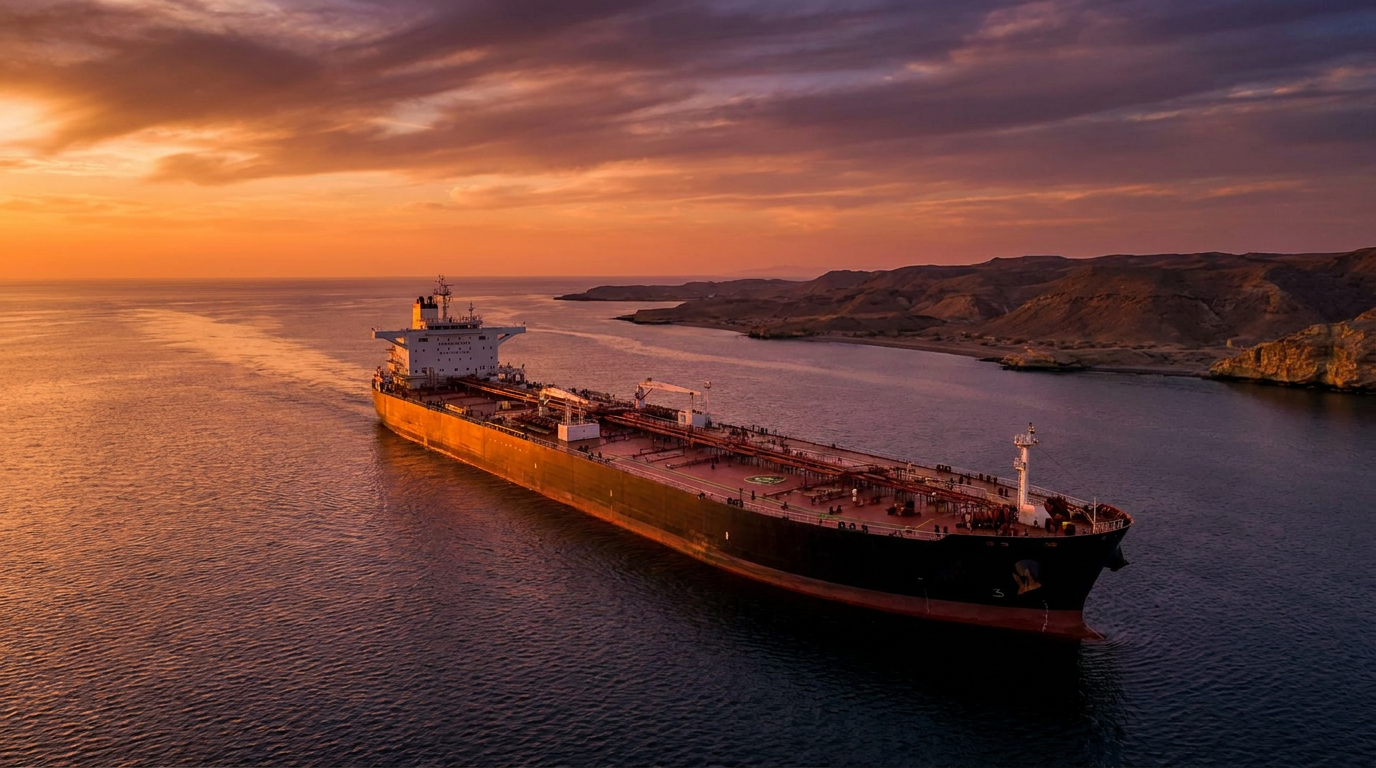
The tentative framework, described as a memorandum of understanding (MOU), would immediately extend the current ceasefire by 60 days and lift the U.S. naval blockade on Iranian ports. Crucially, the pact aims to reopen the Strait of Hormuz, a vital maritime chokepoint that handles roughly one-fifth of the world's oil and natural gas supply. The waterway's closure earlier this year sent shockwaves through global energy markets, and news of the impending deal caused Brent crude prices to drop over 3% to a two-month low.[1][5][6]
While diplomats express optimism, the exact terms of the agreement remain fiercely contested in public statements. A senior Trump administration official told reporters that Washington is "80 to 85 percent" confident the deal will be signed in the coming days, though they acknowledged internal divisions within the Iranian government. Iranian Foreign Minister Abbas Araghchi echoed the sentiment, stating that a finalized agreement has "never been closer," but urged the media to avoid speculating on the details until the pact is officially unveiled.[2][3][4]

The most significant divergence between Washington and Tehran centers on the future of Iran's nuclear program. U.S. officials assert that the 60-day ceasefire period will be used to negotiate the complete dismantling of Iran's nuclear infrastructure. According to the administration, the final terms will require Iran to destroy its stockpile of highly enriched uranium on-site and commit indefinitely to never developing nuclear weapons.[1][4]
The most significant divergence between Washington and Tehran centers on the future of Iran's nuclear program.
Conversely, Iranian state media outlets, including the IRNA and Mehr news agencies, have published purported drafts of the agreement that paint a very different picture. These reports claim Tehran has successfully negotiated the release of $24 billion in frozen financial assets, which would be unfrozen during the 60-day window. Furthermore, Iranian sources assert that the regime will retain its right to civilian uranium enrichment and maintain administrative control over the Strait of Hormuz, allowing it to charge transit fees to passing vessels.[1][3]
The conflicting narratives prompted a swift rebuke from President Donald Trump, who accused Iranian officials of leaking "fake news" and engaging in domestic propaganda. Trump insisted that the terms circulated by Iranian state media bear "no relation to the truth" of the written agreement, warning Tehran to "get their act together, and fast." Despite the public friction, U.S. officials maintain that the core framework—which includes halting hostilities across all regional fronts, including Lebanon and Israel—remains intact.[2][3][4]

The broader regional implications of the deal are immense. The conflict, which escalated sharply following the breakdown of nuclear talks in 2025, has drawn in multiple actors, including Israeli forces and Iranian-backed proxy groups like Hezbollah and the Houthis. The proposed MOU reportedly stipulates that Iran must cease funding these militant organizations, a condition that U.S. negotiators view as essential for long-term stability in the Middle East.[1][5][8]
As the international community awaits official confirmation, the stakes remain incredibly high. A successful agreement would not only defuse one of the most dangerous geopolitical crises of the decade but also provide a much-needed reprieve for a global economy battered by energy shocks. However, if the fragile consensus collapses over nuclear verification or sanctions relief, the region risks plunging back into a devastating, multi-front war.[5][6][8]
How we got here
April 2025
The U.S. and Iran begin a series of negotiations aimed at reaching a new nuclear agreement.
June 2025
Following a missed deadline, military strikes ignite the 2026 Iran war, leading to the closure of the Strait of Hormuz.
April 2026
The two nations agree to a temporary two-week ceasefire after months of escalating conflict.
June 12, 2026
Mediators announce that the text of a broader peace deal has been reached, pending final signatures.
Viewpoints in depth
U.S. Administration's View
The deal is a mechanism to permanently dismantle Iran's nuclear capabilities.
U.S. officials frame the memorandum of understanding as a performance-based framework. They argue that any economic relief, including the unfreezing of assets, is strictly contingent upon Iran destroying its highly enriched uranium and dismantling infrastructure that could lead to a nuclear weapon. Furthermore, Washington insists the deal will curb Iranian funding for regional proxy groups, fundamentally altering the security dynamics of the Middle East.
Iranian Government's View
The agreement is a victory that secures economic relief while preserving sovereignty.
Iranian state media and officials portray the tentative deal as a diplomatic triumph that forces the U.S. to lift its naval blockade and release $24 billion in frozen funds. Tehran maintains that it will never surrender its right to peaceful civilian nuclear technology and enrichment. Additionally, Iranian negotiators have signaled intentions to retain administrative oversight of the Strait of Hormuz, framing the outcome as a successful defense of national interests against foreign aggression.
Global Markets' View
The primary concern is the immediate stabilization of energy supply chains.
For international energy markets, the political nuances of the nuclear debate are secondary to the reopening of the Strait of Hormuz. The war's disruption of the waterway—which handles a fifth of the world's oil—has driven up global inflation and fuel costs. Market analysts view the 60-day ceasefire as a critical window to resume pre-war shipping volumes, evidenced by the immediate drop in Brent crude prices following news of the impending deal.
What we don't know
- Whether Iran will actually agree to destroy its stockpile of highly enriched uranium.
- The exact timeline and conditions for the release of Iran's $24 billion in frozen assets.
- How Israel, which is not a direct party to these negotiations, will respond to the final terms.
Key terms
- Strait of Hormuz
- A narrow waterway between the Persian Gulf and the Gulf of Oman, through which roughly 20% of the world's oil supply passes.
- Memorandum of Understanding (MOU)
- A formal agreement between two or more parties outlining the broad terms of a deal before a final, legally binding contract is signed.
- Highly Enriched Uranium
- Uranium that has been processed to a purity level capable of being used in nuclear weapons.
- Proxy Groups
- Armed organizations funded or supported by a larger power to act on its behalf, such as Hezbollah or the Houthis in the Middle East.
Frequently asked
Is the war between the U.S. and Iran officially over?
Not yet. While negotiators have reportedly agreed on the text of a peace deal, it has not been officially signed, and a 60-day ceasefire period will be used to finalize the details.
What happens to the Strait of Hormuz?
The proposed deal includes lifting the U.S. naval blockade and reopening the strait to commercial shipping, which is expected to stabilize global oil prices.
Will Iran give up its nuclear program?
U.S. officials say the deal requires Iran to dismantle its nuclear weapons infrastructure, but Iranian officials insist they will retain the right to civilian nuclear energy.
Sources
Source coverage
8 outlets
4 viewpoints surfaced








[1]CBS NewsU.S. Administration
Final, agreed upon text of U.S.-Iran peace deal has been reached, Pakistan says
Read on CBS News →[2]The Washington PostU.S. Administration
US, Tehran signal peace deal within reach but not signed yet
Read on The Washington Post →[3]The GuardianIranian Government
US president dismisses Iranian media reports agreement is close
Read on The Guardian →[4]TIMEU.S. Administration
Ceasefire Deal Within Reach, U.S. and Tehran Say
Read on TIME →[5]Council on Foreign RelationsGlobal Energy Markets
Is a U.S.-Iran Deal Within Reach? Six Key Issues That Could Shape a Ceasefire
Read on Council on Foreign Relations →[6]CBCIranian Government
U.S. and Iran signal peace deal close as reports suggest terms appear to favour Tehran
Read on CBC →[7]Al JazeeraIranian Government
Iran war live: US, Tehran signal peace deal within reach but not signed yet
Read on Al Jazeera →[8]WikipediaInternational Mediators
2025–2026 Iran–United States negotiations
Read on Wikipedia →
More in news politics
See all 146 stories →AI Regulation
U.S. Blocks Foreign Access to Anthropic's Advanced AI Models in Escalating National Security Dispute
6 sources
Media Literacy
Fact-Checking the 'Prebunking' Strategy: Can Psychological Inoculation Stop Misinformation?
7 sources

AI Export Controls
U.S. Blocks Foreign Access to Anthropic's Advanced AI Models Over Security Concerns
7 sources

AI Policy
Trump Administration Blocks Foreign Access to Anthropic's Most Advanced AI Models
8 sources
Every angle. Every day.
Get news politics stories with full source coverage and perspective breakdowns delivered to your inbox.