
US and Iran Agree to 60-Day Roadmap for Final Deal After Tense Switzerland Talks
Following a rocky start marked by threats from President Trump, US and Iranian negotiators in Switzerland have agreed to a 60-day roadmap to finalize a peace agreement. The framework establishes mechanisms to secure the Strait of Hormuz and enforce a fragile ceasefire in Lebanon, though Israeli opposition threatens to derail the progress.
By Factlen Editorial Team
- US Administration
- Seeking to lock Iran into nuclear limits and ensure maritime security, while navigating internal political volatility.
- Iranian Leadership
- Demanding immediate sanctions relief and an end to Israeli strikes, while refusing to compromise on uranium enrichment.
- Israeli Government
- Viewing the US-Iran deal as a severe security threat and vowing to maintain military operations in Lebanon.
- Regional Mediators
- Focused on preventing a broader regional war and stabilizing the economic disruptions caused by the conflict.
What's not represented
- · Lebanese Government
- · European Union Diplomats
- · Global Energy Markets
Why this matters
A finalized US-Iran deal would fundamentally reshape Middle Eastern security, potentially ending the devastating conflict in Lebanon and securing the passage of global energy supplies through the Strait of Hormuz. However, the fragile roadmap faces immediate threats from both domestic US political volatility and staunch opposition from Israel.
Key points
- US and Iranian negotiators agreed to a 60-day roadmap to finalize a peace deal ending the Middle East conflict.
- The framework includes a 'de-confliction cell' for Lebanon and a 'communication line' for the Strait of Hormuz.
- Talks were temporarily disrupted when the Iranian delegation walked out in protest of threats made by President Trump.
- Israeli Prime Minister Benjamin Netanyahu has rejected the ceasefire provisions, vowing to keep forces in southern Lebanon.
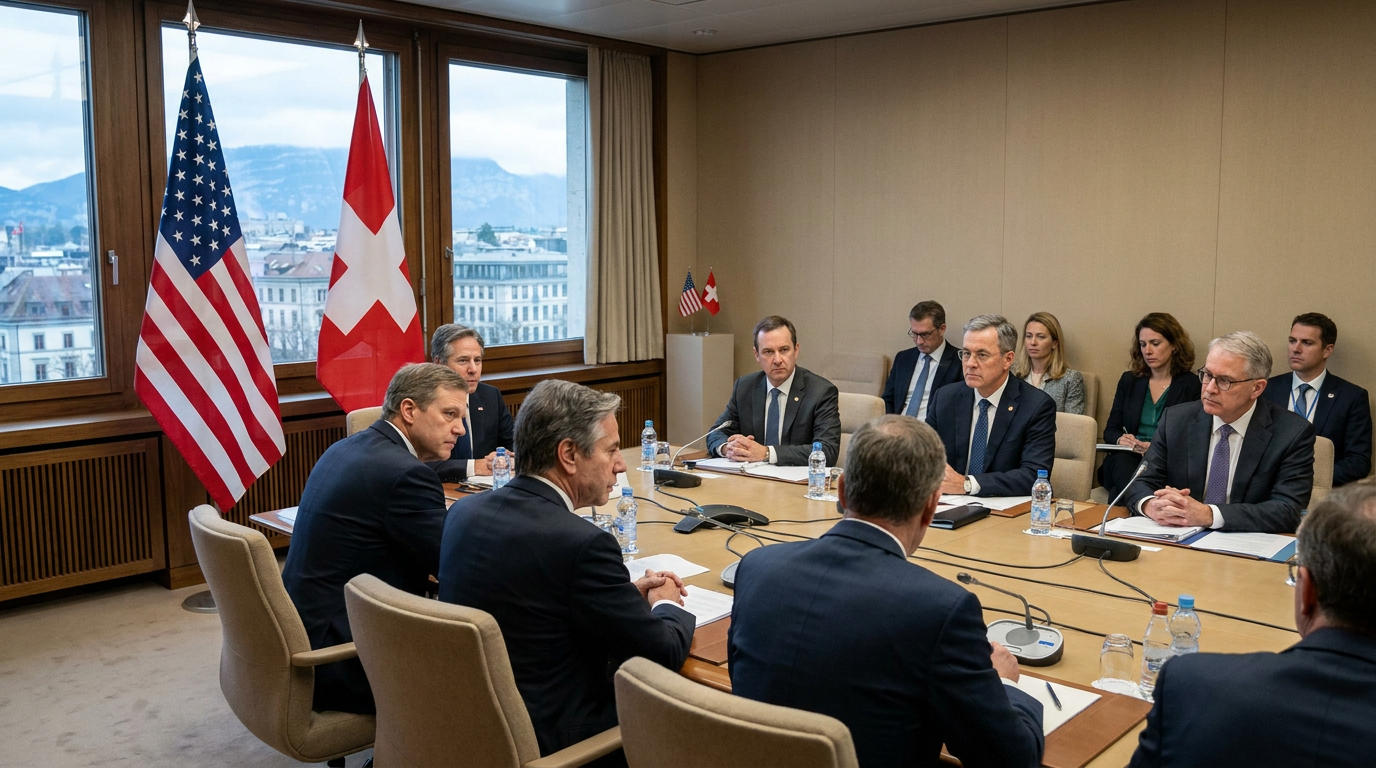
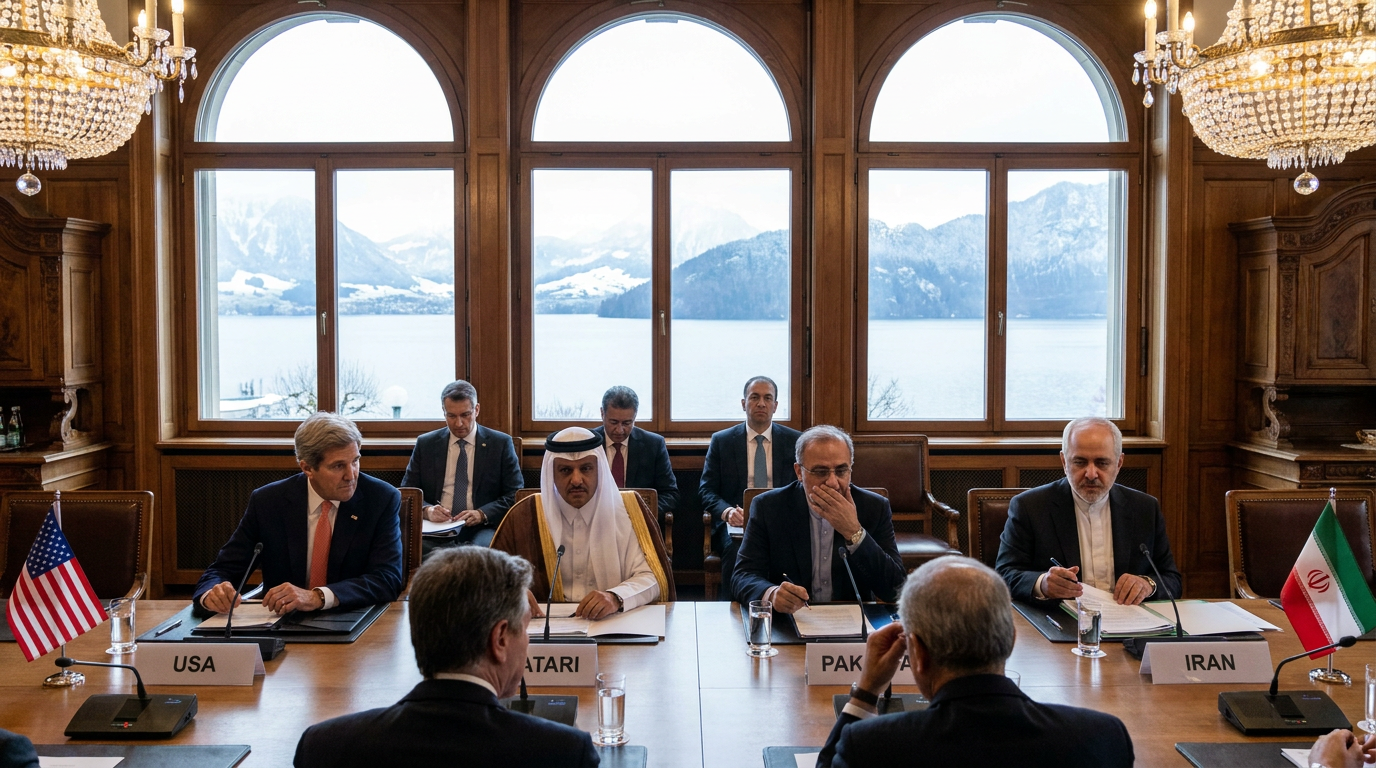
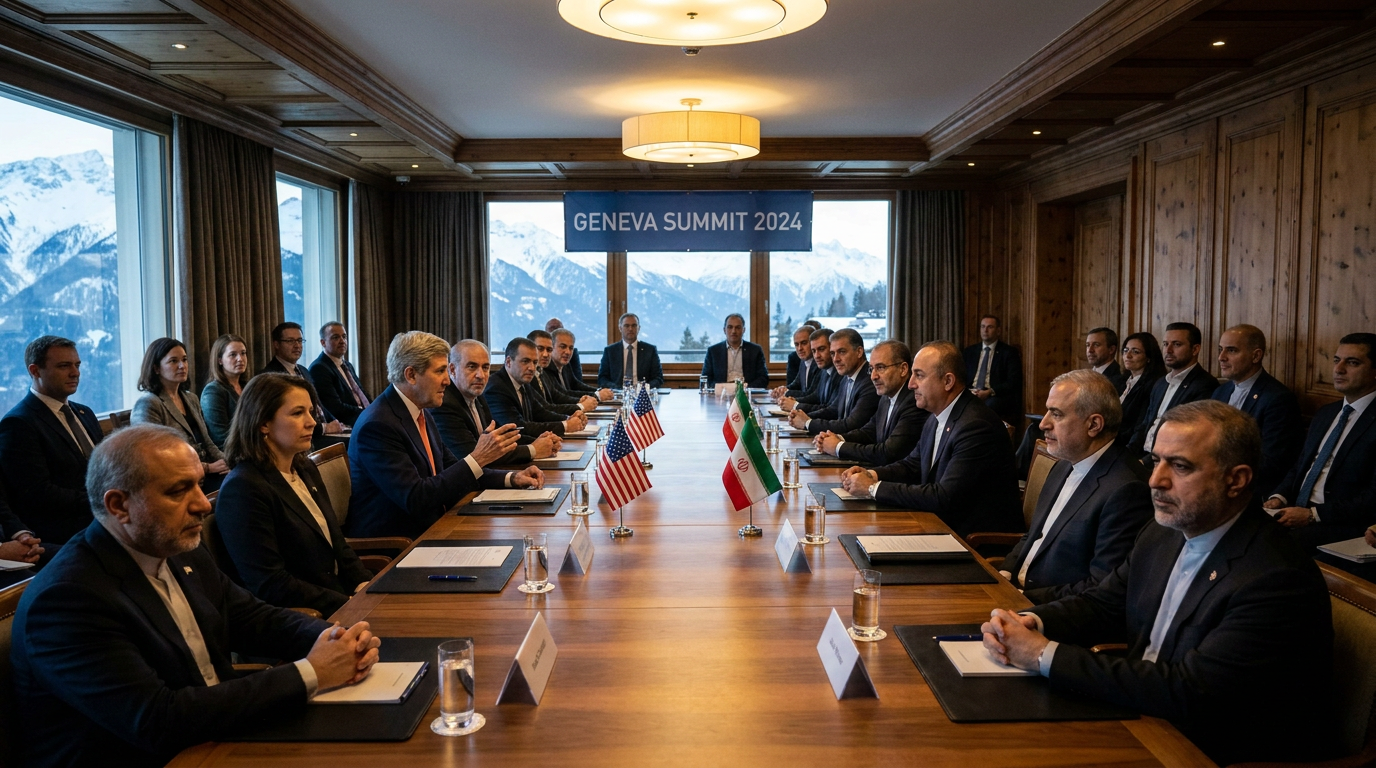
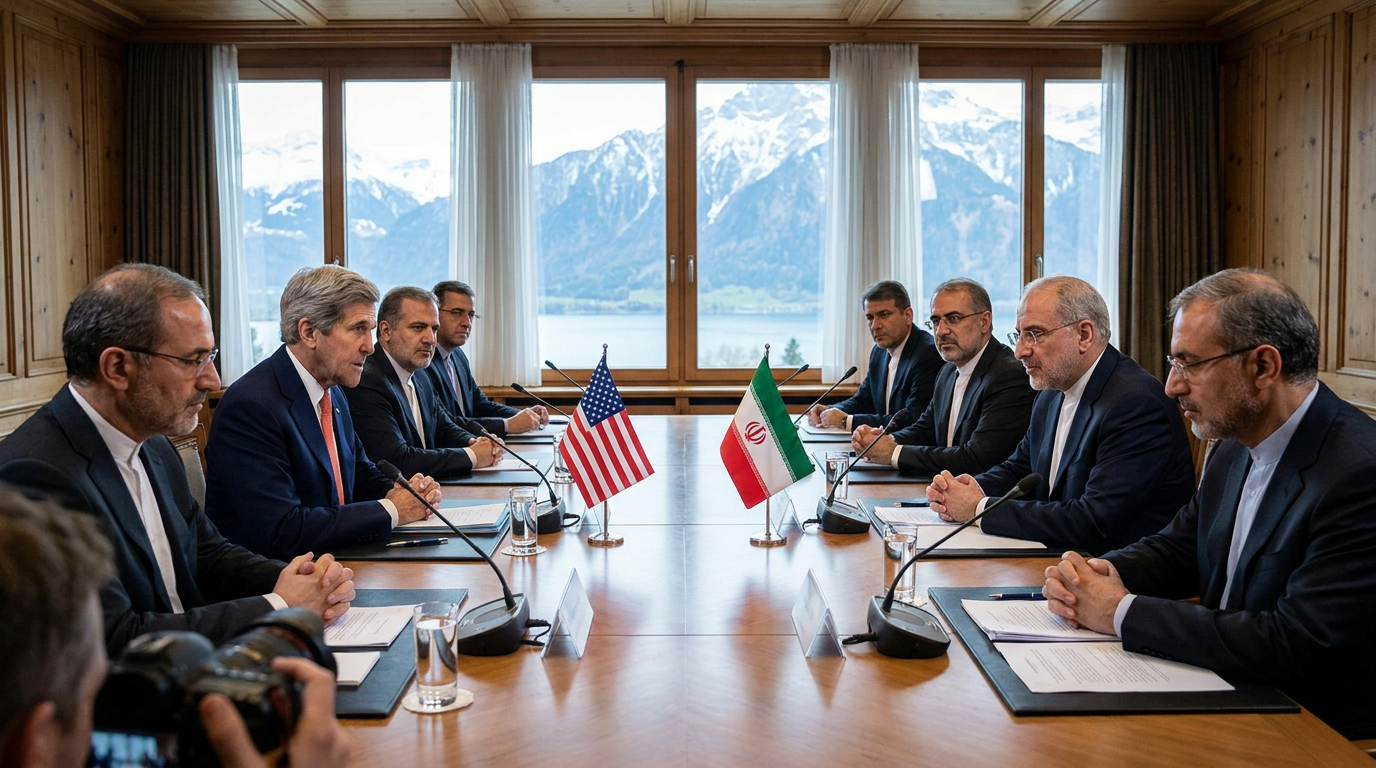
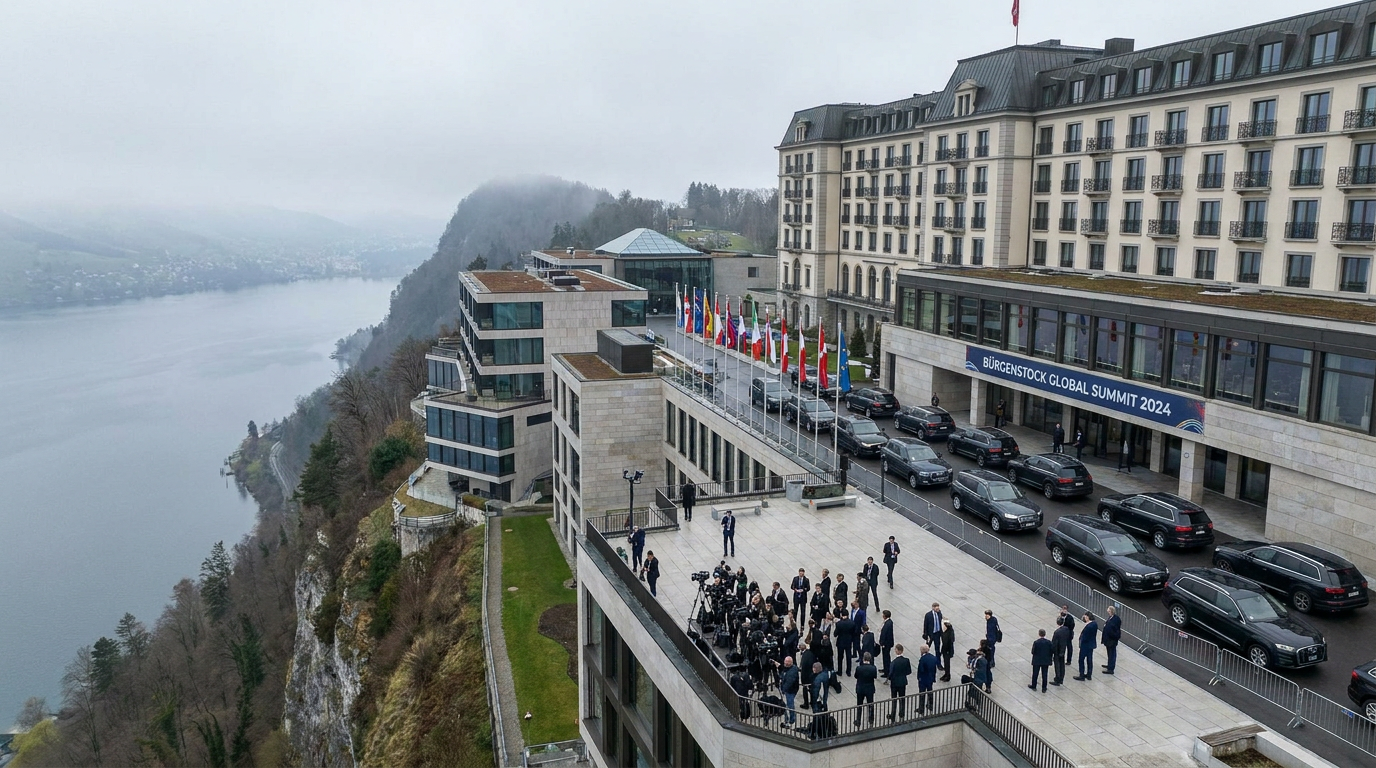
The United States and Iran have formally agreed to a 60-day roadmap aimed at securing a comprehensive final deal to end the ongoing Middle East conflict. Mediated by Qatar and Pakistan, the high-level talks in the Swiss mountain resort of Bürgenstock concluded their first round early Monday morning with the establishment of a joint high-level committee to oversee the complex technical negotiations. The agreement marks a critical step forward following last week's initial memorandum of understanding, transitioning the diplomatic effort from broad principles to a strict, two-month timeline for implementation.[1][2][7]
The breakthrough establishes a structured timeline to address the region's most volatile flashpoints, which have threatened to drag the entire Middle East into a wider war. According to a joint statement released by the Qatari and Pakistani mediators, the delegations agreed to create a direct "communication line" to prevent military incidents and ensure the safe passage of commercial vessels in the Strait of Hormuz. Furthermore, the parties established a "de-confliction cell" designed to coordinate with the Lebanese government and enforce the termination of military operations in southern Lebanon.[1][4]
The American delegation, led by Vice President JD Vance alongside presidential envoy Steve Witkoff and Jared Kushner, is attempting to lock Iran into strict, verifiable limits on its nuclear program. The US negotiators are focused on ensuring that the Strait of Hormuz remains open to global energy markets and that the fragile ceasefire in Lebanon holds. Vance emphasized to reporters that the goal of the 60-day window is to determine how much more the two nations can accomplish together and whether they can permanently change relations in the Middle East.[3][5]

On the other side of the table, the Iranian delegation, headed by Parliament Speaker Mohammad Bagher Ghalibaf and Foreign Minister Abbas Araghchi, arrived with a firm set of economic and security demands. Tehran is insisting on the immediate lifting of crippling economic sanctions, specifically targeting its oil and petrochemical exports, as a precondition for any concessions on its nuclear file. Additionally, the Iranian negotiators are demanding the unfreezing of billions of dollars in overseas assets that have been locked in foreign banks due to US financial restrictions.[3][5]
Iranian President Masoud Pezeshkian has publicly outlined his government's expectations for the diplomatic process, stating that Iran anticipates the release of $6 billion currently held in Qatar as a direct result of the negotiations. While Pezeshkian noted that Iran has already managed to export more than 16 million barrels of oil in recent days, he maintained a hardline stance on the country's atomic ambitions, declaring that Tehran will not relinquish its fundamental right to enrich uranium, even as it denies seeking a nuclear weapon.[3]
The diplomatic progress achieved on Monday was nearly derailed before the talks even officially began. The summit opened to a highly tense atmosphere on Sunday after US President Donald Trump issued a series of aggressive threats against Iran on his Truth Social platform and in a telephone interview with Fox News. The rhetoric from Washington threatened to collapse the fragile trust that the Qatari and Pakistani mediators had spent weeks building between the two adversarial nations.[1][3]
The diplomatic progress achieved on Monday was nearly derailed before the talks even officially began.
In his public remarks, Trump issued a stark warning that if Iran followed through on its threats to close the Strait of Hormuz to commercial shipping, "you won't have a country," and explicitly told the Iranian president to watch what he says. The US President also weighed in heavily on the ongoing violence in the Levant, demanding that Tehran immediately stop its proxy forces in Lebanon from "causing trouble." He threatened to hit Iran "very hard again, just like we did last week, only harder" if the clashes with Israeli forces were not brought to an immediate halt.[1][3]

The aggressive rhetoric from the American president prompted an immediate backlash from the Iranian delegation, who temporarily walked out of the negotiating room in protest. Iranian state media reported that the talks had entered a "difficult phase" following the publication of what they termed an "insulting message" by the US President. The Iranian negotiators refused to appear on camera alongside the American delegation, lodging a formal protest with the mediators and demanding that the "bullying" tactics be brought under control before direct talks could resume.[1][5]
Despite the dramatic walkout and the threat of a complete diplomatic collapse, the Qatari and Pakistani mediators managed to salvage the high-stakes summit. Working through the night in the Swiss resort, the mediating teams facilitated indirect message exchanges between the US and Iranian camps, slowly de-escalating the tension. Their tireless shuttle diplomacy eventually succeeded in bringing the parties back to the table, allowing them to agree to the framework for the 60-day technical talks and establish the joint high-level committee that will oversee the implementation of the complex memorandum of understanding.[1][7]
While Washington and Tehran chart a tentative path toward de-escalation, the agreement faces a formidable and immediate obstacle in the form of Israel. The Israeli government is not a signatory to the US-Iran memorandum of understanding, and Prime Minister Benjamin Netanyahu has publicly rejected the underlying premises of the deal. The ongoing military operations by the Israel Defense Forces against Hezbollah targets in Lebanon remain the most significant and volatile threat to the survival of the US-Iran diplomatic framework, with clashes continuing even as the negotiators met in Switzerland.[4][6]
Speaking at an international policy summit in Jerusalem on Sunday, Netanyahu made his opposition to the ceasefire provisions clear. He vowed that Israeli forces would remain in the security zone in southern Lebanon "as long as necessary" to protect the residents of northern Israel, directly contradicting the de-confliction terms being negotiated in Bürgenstock. Furthermore, the Israeli leader reiterated his absolute commitment to preventing Iran from acquiring nuclear weapons, regardless of whatever political developments or diplomatic agreements might unfold between Washington and Tehran.[4][6]

The growing friction between the US and Israeli administrations has become a central concern for the ultimate success of the roadmap. US intelligence agencies have reportedly warned the Trump administration that Netanyahu is highly likely to take unilateral military steps that could actively undermine the fragile peace deal. Facing intense domestic political pressure to continue the military campaign against Hezbollah and permanently neutralize the threat on Israel's northern border, Netanyahu's strategic decisions over the next two months could easily shatter the 60-day timeline and drag the US back into a regional conflict.[6]
The immediate test of the new diplomatic roadmap will be the operational effectiveness of the Lebanon de-confliction cell. Iranian Foreign Minister Araghchi noted on social media that the success of this specific mechanism will serve as the first real test of the understandings reached in Switzerland. If the cell fails to halt the violence between Israel and Hezbollah, Iran has threatened to reinstate its blockade of the Strait of Hormuz, which would likely terminate the broader negotiations on nuclear limits and sanctions relief.[1][4]

As the high-level delegations depart, specialized technical working groups will remain in Switzerland throughout the week to hammer out the granular specifics of the sanctions waivers, the unfreezing of assets, and the nuclear monitoring mechanisms. These teams of experts are now racing against the 60-day clock established by the roadmap, tasked with translating broad political commitments into actionable policy. Their success or failure in finalizing a comprehensive agreement will determine whether this diplomatic push can permanently stabilize the Middle East or if the region will collapse back into a renewed and devastating war.[2][7]
How we got here
Last week
The US and Iran signed an initial memorandum of understanding aimed at ending the regional conflict.
Friday
Israel launched airstrikes in southern Lebanon, prompting a brief postponement of the planned talks.
Sunday morning
High-level negotiations began in Switzerland but were quickly overshadowed by threats from President Trump.
Sunday afternoon
The Iranian delegation temporarily walked out of the talks in protest of the US President's remarks.
Monday morning
Qatari and Pakistani mediators announced the agreement on a 60-day roadmap and the formation of technical working groups.
Viewpoints in depth
US Administration's view
Seeking to lock Iran into nuclear limits and ensure maritime security, while navigating internal political volatility.
The US delegation views the 60-day roadmap as a critical window to permanently alter Middle Eastern relations. By establishing the Lebanon de-confliction cell and the Hormuz communication line, Washington hopes to stabilize the immediate military crises before tackling the more complex nuclear file. However, the administration's approach is complicated by President Trump's aggressive public rhetoric, which frequently undercuts the diplomatic efforts of his own negotiating team.
Iranian Leadership's view
Demanding immediate sanctions relief and an end to Israeli strikes, while refusing to compromise on uranium enrichment.
For Tehran, the primary objective of the Switzerland talks is economic survival. The Iranian delegation is heavily focused on securing waivers for oil and petrochemical exports and unfreezing billions in overseas assets. While they have agreed to the 60-day technical talks, Iranian leaders have made it clear that their cooperation is contingent on the US reining in Israeli military operations in Lebanon, and they remain steadfast in their refusal to dismantle their nuclear enrichment infrastructure.
Israeli Government's view
Viewing the US-Iran deal as a severe security threat and vowing to maintain military operations in Lebanon.
Israel is not a party to the US-Iran negotiations and views the diplomatic framework with deep suspicion. Prime Minister Benjamin Netanyahu argues that any deal that leaves Iran's nuclear infrastructure intact or allows Hezbollah to survive in southern Lebanon is unacceptable. Consequently, Israel has signaled its intent to continue its military campaigns regardless of the agreements reached in Switzerland, setting the stage for a potential collision with the US-backed roadmap.
What we don't know
- Whether the Lebanon de-confliction cell can successfully halt the ongoing clashes between Israel and Hezbollah.
- How the US and Iran will resolve their fundamental disagreements over Tehran's right to enrich uranium.
- If the Trump administration will actually issue the sanctions waivers required to unfreeze Iranian assets.
Key terms
- Strait of Hormuz
- A crucial maritime choke point between the Persian Gulf and the Gulf of Oman, through which a significant portion of the world's oil supply passes.
- De-confliction cell
- A dedicated communication and coordination mechanism designed to prevent accidental military clashes between opposing forces.
- Highly enriched uranium
- Uranium that has been processed to increase the concentration of the U-235 isotope, bringing it closer to the level required for nuclear weapons.
Frequently asked
What is the 60-day roadmap?
It is a structured timeline agreed upon by the US and Iran to negotiate the final technical details of a peace agreement, including nuclear limits and sanctions relief.
Why did the Iranian delegation walk out?
Iranian negotiators temporarily suspended their participation in protest after US President Donald Trump threatened to strike Iran and take over the Strait of Hormuz.
Is Israel part of this agreement?
No. Israel is not a signatory to the US-Iran deal, and Prime Minister Benjamin Netanyahu has vowed to continue military operations in Lebanon despite the negotiations.
Sources
Source coverage
7 outlets
4 viewpoints surfaced







[1]The GuardianIranian Leadership
Iran hails 'progress' as first day of talks with US conclude after shaky start
Read on The Guardian →[2]Al JazeeraIranian Leadership
‘Encouraging progress’ made as first round US-Iran talks end
Read on Al Jazeera →[3]PBSUS Administration
As Vance meets top Iranian officials in Switzerland, Trump threatens Tehran from afar
Read on PBS →[4]EuractivRegional Mediators
Mediators hail 'progress' in Iran-US talks on ending war
Read on Euractiv →[5]The HinduRegional Mediators
Trump threats shake up U.S.-Iran talks in Switzerland; negotiators expect to work through night
Read on The Hindu →[6]The Washington PostIsraeli Government
U.S. intelligence warns Israel is likely to undermine Iran peace deal, officials say
Read on The Washington Post →[7]Anadolu AgencyRegional Mediators
Qatar, Pakistan announce 'encouraging progress' in US-Iran talks at Switzerland summit
Read on Anadolu Agency →
More in news politics
See all 7 stories →US-Iran Diplomacy
US and Iran Agree to 60-Day Roadmap for Final Deal Following Switzerland Talks
8 sources
US-Iran Relations
US and Iran Agree to 60-Day Roadmap for Final Deal in Switzerland Talks
7 sources
Supreme Court
Supreme Court Unanimously Strikes Down Federal Gun Ban for Marijuana Users
9 sources
US-Iran Peace Deal
US and Iran Agree to 60-Day Roadmap in Switzerland Peace Talks
8 sources
Every angle. Every day.
Get news politics stories with full source coverage and perspective breakdowns delivered to your inbox.