
Trump Administration Restarts Asylum and Immigration Processing After Federal Court Order
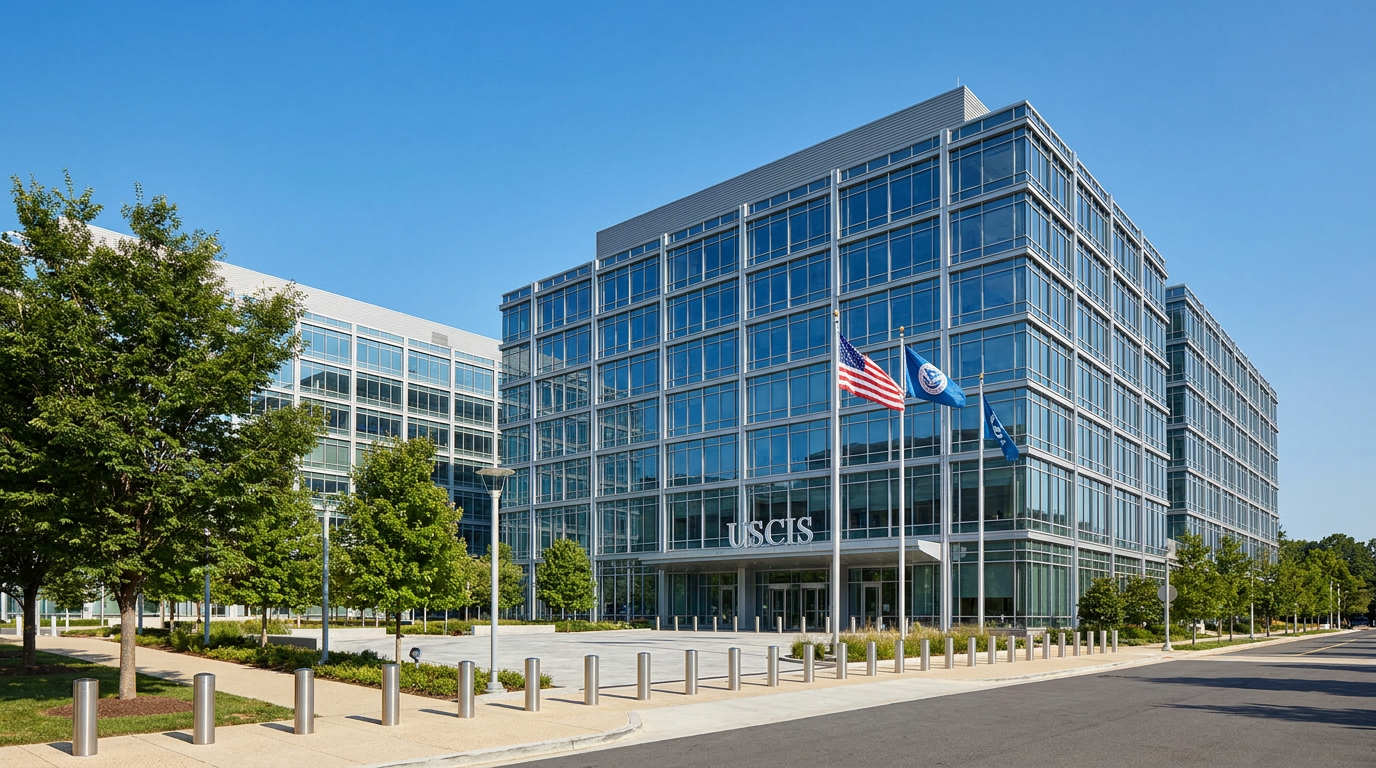
U.S. Citizenship and Immigration Services will resume adjudicating applications for nationals of 39 countries, complying with a judge's ruling that struck down a six-month processing freeze.
By Factlen Editorial Team
- Homeland Security Officials
- The administration argues the pause was a necessary national security measure.
- Immigrant Rights Organizations
- Advocates view the policy as discriminatory and a violation of established law.
- Legal & Administrative Observers
- Legal experts focus on the administration's violation of the Administrative Procedure Act.
What's not represented
- · Immigrants currently waiting in the USCIS backlog
- · Employers facing labor shortages due to delayed work permits
Why this matters
The resumption of processing affects hundreds of thousands of immigrants whose legal status, ability to work, and path to citizenship have been frozen for six months. The outcome of the ongoing appeals process will determine the limits of executive power in unilaterally halting the U.S. immigration system.
Key points
- The Trump administration will resume processing immigration and asylum applications for nationals of 39 countries.
- The decision complies with a June 5 federal court order that struck down a six-month freeze on adjudications.
- USCIS had paused the applications in November 2025 following a shooting incident in Washington, D.C.
- A federal judge ruled the blanket pause was unlawful, arbitrary, and punished immigrants based solely on their country of birth.
- The Justice Department has appealed the ruling to the 1st U.S. Circuit Court of Appeals and is seeking an emergency stay.
The Trump administration announced Friday that it will resume processing asylum claims and immigration benefits for nationals of 39 countries, complying with a federal court order that struck down a six-month freeze on adjudications.[1][2]
The reversal comes after a tense standoff between the Department of Homeland Security and Chief U.S. District Judge John J. McConnell Jr. of Rhode Island, who ruled on June 5 that the administration's blanket pause was unlawful and arbitrary.[2][4]
U.S. Citizenship and Immigration Services (USCIS) had indefinitely suspended processing for citizens of the 39 nations—which are also subject to a presidential travel ban—in November 2025.[3][5]
The freeze halted progress on asylum claims, green cards, work permits, and citizenship applications, leaving hundreds of thousands of immigrants in legal limbo.[1][6]

The administration implemented the sweeping pause following an incident in Washington, D.C., where an Afghan national allegedly shot two National Guard troops.[2][5]
At the time, USCIS officials stated that adjudications would remain suspended until the agency could ensure "maximum screening and vetting" for national security purposes.[5][6]
However, a coalition of labor unions and immigrant rights organizations sued, arguing that the executive branch lacked the statutory authority to unilaterally shut down the immigration system for specific nationalities.[3][6]
In his 135-page ruling, Judge McConnell agreed with the plaintiffs, finding that USCIS violated the Administrative Procedure Act and the Immigration and Nationality Act.[5][6]
In his 135-page ruling, Judge McConnell agreed with the plaintiffs, finding that USCIS violated the Administrative Procedure Act and the Immigration and Nationality Act.
He wrote that the agency had "placed the lives of countless individuals on hold—solely by virtue of their countries of birth," punishing immigrants who had followed all legal processes.[2][4]

Despite the June 5 order to resume processing, the administration did not immediately comply, prompting the plaintiffs to return to court. On Thursday, Judge McConnell issued a sharp rebuke, stating that "court orders vacating and setting aside agency policies have immediate effect once they are issued," and demanded a status report within 24 hours.[2][4]
On Friday, a USCIS spokesperson confirmed the agency is "complying with the court order," though they emphasized that the administration "strongly disagrees" with the ruling.[1][4]
Department of Homeland Security officials have fiercely criticized the judicial intervention. DHS General Counsel James Percival characterized the lawsuits as "sabotage dressed in legal clothing," accusing opponents of using the courts to undermine the administration's national security policies.[2][5]
Immigrant advocacy groups celebrated the compliance announcement as a critical victory for the rule of law. Representatives from the New York Immigration Coalition and the Dorcas International Institute of Rhode Island stated that the ruling provides reassurance to communities who have lived in profound fear and uncertainty since November.[3][5]

How we got here
Nov 2025
Following a shooting in Washington D.C., USCIS indefinitely suspends immigration processing for nationals of 39 countries.
Mar 2026
A coalition of immigrant rights groups and labor unions files a federal lawsuit challenging the freeze.
Jun 5, 2026
Chief U.S. District Judge John J. McConnell Jr. strikes down the policy as unlawful and arbitrary.
Jun 11, 2026
Judge McConnell issues a sharp rebuke after the administration fails to immediately restart processing.
Jun 12, 2026
USCIS announces it will comply with the order and resume adjudications, while the DOJ appeals the decision.
Viewpoints in depth
Homeland Security Officials
The administration argues the pause was a necessary national security measure.
DHS officials maintain that the November 2025 shooting of National Guard troops demonstrated a critical vulnerability in the immigration vetting process. They argue that freezing adjudications for nationals from high-risk countries was a prudent step to ensure maximum screening. Administration lawyers contend that the executive branch has broad statutory authority to manage immigration and secure the homeland, characterizing the lawsuits as politically motivated 'sabotage' designed to undermine the president's security agenda.
Immigrant Rights Organizations
Advocates view the policy as discriminatory and a violation of established law.
Civil rights groups and labor unions argue that the administration cannot unilaterally rewrite immigration law by refusing to process applications. They point out that the freeze arbitrarily punished hundreds of thousands of people—many of whom have lived in the U.S. for years—based entirely on their country of origin, rather than any individual wrongdoing. Advocates emphasize that Congress mandated the processing of these benefits, and the executive branch cannot use national security as a pretext to bypass the Administrative Procedure Act.
What we don't know
- Whether the 1st U.S. Circuit Court of Appeals will grant an emergency stay to halt the processing again.
- How quickly USCIS will be able to work through the six-month backlog of frozen applications.
Key terms
- USCIS
- U.S. Citizenship and Immigration Services, the federal agency that oversees lawful immigration to the United States.
- Administrative Procedure Act (APA)
- A federal law that governs how administrative agencies can propose and establish regulations, prohibiting actions that are 'arbitrary and capricious.'
- Emergency Stay
- A court order that temporarily halts the enforcement of a lower court's ruling while an appeal is being heard.
Frequently asked
Who is affected by the processing restart?
Nationals from 39 countries who had pending applications for asylum, green cards, work permits, or citizenship that were frozen in November 2025.
Will applications be approved automatically now?
No. The order simply requires USCIS to resume reviewing and making decisions on the applications based on standard legal requirements.
Can the Trump administration stop processing again?
Yes, if the 1st Circuit Court of Appeals or the Supreme Court grants an emergency stay of the judge's order while the government's appeal is heard.
Sources
Source coverage
6 outlets
3 viewpoints surfaced






[1]The New York TimesLegal & Administrative Observers
Trump Administration Says It Will Restart Asylum and Immigration Processing
Read on The New York Times →[2]The Washington PostImmigrant Rights Organizations
A federal judge in Rhode Island demanded the administration restart processing immigration applications
Read on The Washington Post →[3]The GuardianImmigrant Rights Organizations
The Trump administration unlawfully barred applicants from 39 travel-ban countries
Read on The Guardian →[4]Daily HeraldHomeland Security Officials
Trump officials agree to resume asylum processing after being scolded by judge
Read on Daily Herald →[5]Signal SCVHomeland Security Officials
Judge orders Trump administration to restart asylum claims
Read on Signal SCV →[6]American Immigration CouncilLegal & Administrative Observers
Federal Judge Strikes Down USCIS Suspension of Immigration Benefits
Read on American Immigration Council →
More in news politics
See all 145 stories →Media Literacy
Fact-Checking the 'Prebunking' Strategy: Can Psychological Inoculation Stop Misinformation?
7 sources

AI Export Controls
U.S. Blocks Foreign Access to Anthropic's Advanced AI Models Over Security Concerns
7 sources

AI Policy
Trump Administration Blocks Foreign Access to Anthropic's Most Advanced AI Models
8 sources
AI Policy
Trump Administration Blocks Foreign Access to Anthropic's Advanced AI Models
8 sources
Every angle. Every day.
Get news politics stories with full source coverage and perspective breakdowns delivered to your inbox.