
The Science of the 'Sensory Sanctuary': How Interior Design Literally Rewires Your Brain
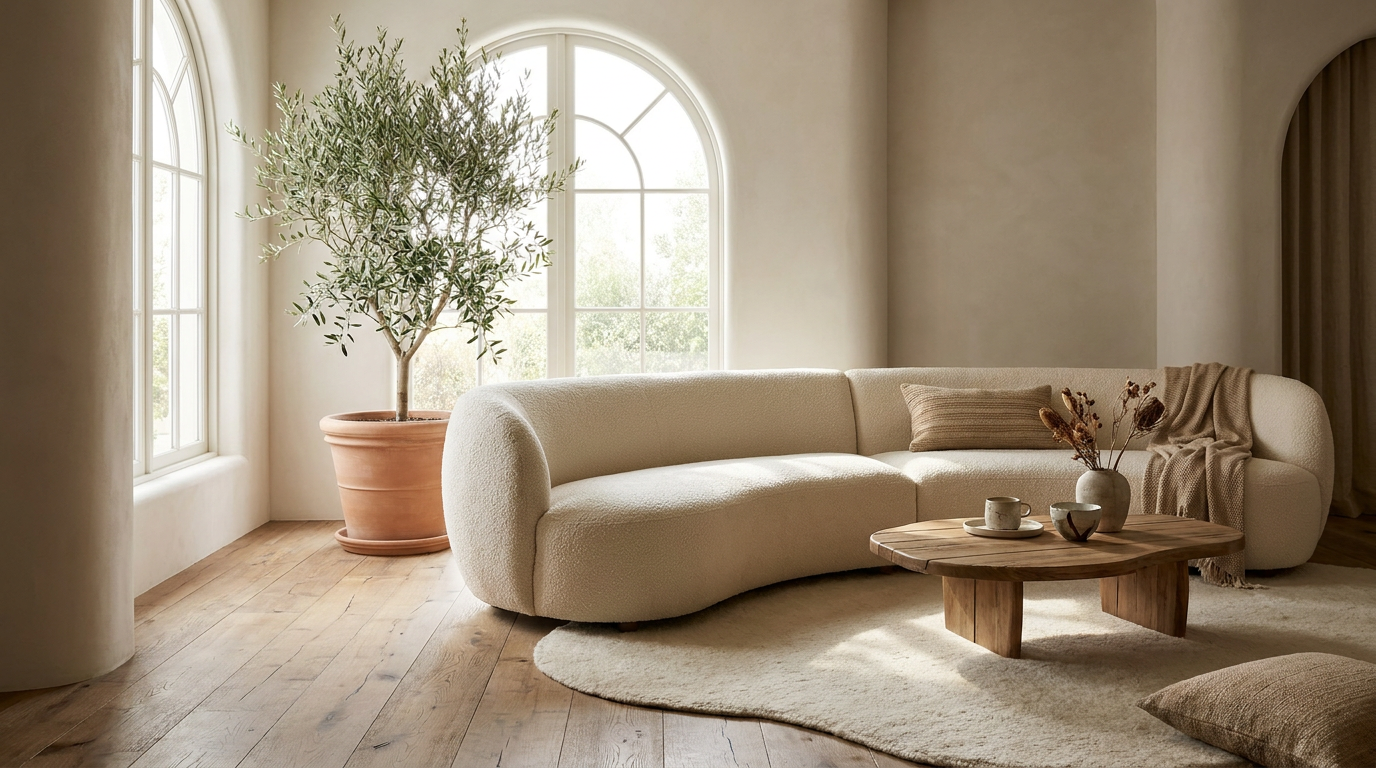
Neuroaesthetics is transforming interior design from a matter of taste into a measurable science, proving that lighting, curves, and natural textures can significantly lower stress hormones and alter brain waves.
By Factlen Editorial Team
Cognitive Neuroscientists 40%Evidence-Based Designers 40%Public Health Researchers 20%
- Cognitive Neuroscientists
- Argue that aesthetic experiences are measurable biological events that directly alter brain chemistry and nervous system states.
- Evidence-Based Designers
- Focus on translating biometric data into practical architectural choices, treating interior design as a form of preventive healthcare.
- Public Health Researchers
- Emphasize the macro-level impact of the built environment on population health, stress reduction, and the broader Brain Economy.
What's not represented
- · Low-income housing developers, who face budget constraints that often preclude custom acoustic dampening or circadian lighting systems.
Why this matters
For decades, decorating a home was considered a purely aesthetic pursuit. Now, neuroscience reveals that the shapes, sounds, and textures of your living space actively dictate your heart rate, cortisol levels, and daily mental health.
More in home
See all 30 stories →Neuroaesthetics
The Science of a Happy Home: How Neuroaesthetics is Rewiring Interior Design
7 sources
Heat Pump Tech
Why Cold-Climate Heat Pumps Became the Gold Standard for Winter Heating
6 sources

Heat Pump Tech
The Cold-Climate Heat Pump Explainer: How Retrofitting Works and Why It Matters
7 sources

Home Electrification
The 2026 Heat Pump Remodel Explainer: Costs, Savings, and the Shifting Rebate Landscape
6 sources
Stay informed
Every angle. Every day.
Get home stories with full source coverage and perspective breakdowns delivered to your inbox.