
The Creatine Renaissance: Why a Bodybuilding Staple is Becoming a Longevity Essential
Long dismissed as a niche supplement for weightlifters, creatine monohydrate is now backed by a massive body of evidence for its neuroprotective, cognitive, and healthy-aging benefits.
By Factlen Editorial Team
- Sports Scientists
- Focus on creatine's ability to replenish ATP, increase power output, and accelerate muscle recovery.
- Neuroscientists
- Investigate creatine's role in buffering brain energy under stress, improving memory, and aiding concussion recovery.
- Longevity Researchers
- View creatine as a vital tool to combat age-related muscle loss (sarcopenia) and preserve bone density.
What's not represented
- · Dietitians specializing in plant-based diets
- · Physical therapists utilizing creatine in injury rehabilitation
Why this matters
Creatine is no longer just for athletes trying to build muscle. Understanding its role in brain energy and muscle preservation can provide a highly effective, low-cost tool for maintaining cognitive sharpness and physical independence as you age.
Key points
- Creatine is the most researched sports supplement, proven to increase muscle power and accelerate recovery.
- The brain relies on the same ATP-creatine energy system as muscles to function under stress.
- Supplementation has been shown to improve working memory and reduce mental fatigue, especially in sleep-deprived individuals.
- Older adults using creatine can combat age-related muscle loss and improve bone mineral density.
- Emerging research suggests creatine may aid in concussion recovery and neuroprotection.
- Longitudinal studies confirm creatine is safe and does not cause kidney damage in healthy individuals.
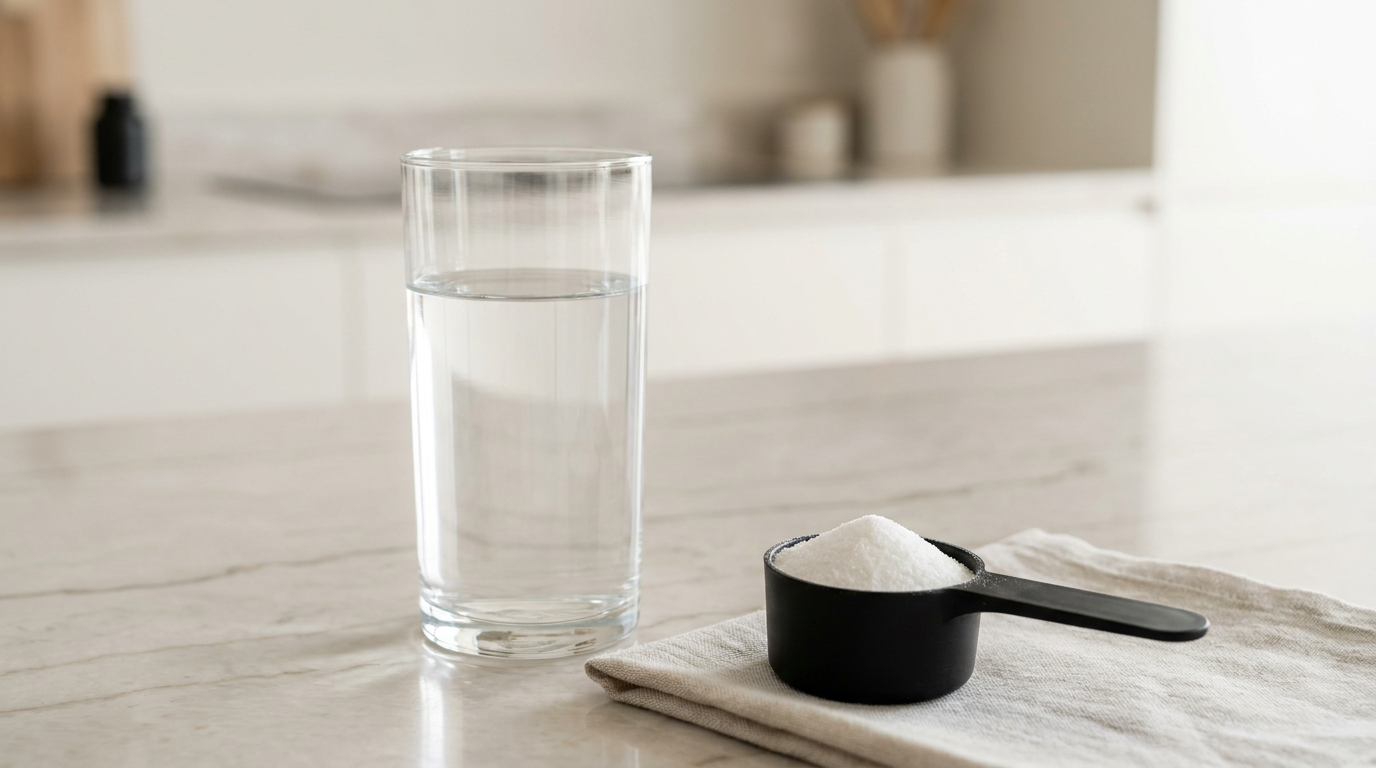
For decades, creatine monohydrate carried a specific, narrow reputation. It was the chalky white powder found in the gym bags of bodybuilders and sprinters, synonymous with bulging biceps, water retention, and the relentless pursuit of athletic performance. If you weren't trying to add forty pounds to your bench press or shave milliseconds off a sprint, the prevailing wisdom suggested that creatine wasn't for you.[6]
That perception is undergoing a radical, science-backed transformation. Today, creatine is recognized not just as the most extensively studied and effective sports supplement on the market, but as a potent intervention for healthy aging, cognitive resilience, and neurological protection. The International Society of Sports Nutrition (ISSN) now explicitly endorses its therapeutic benefits for populations ranging from infants to the elderly.[1][3]
To understand why a "muscle supplement" is suddenly being recommended for brain health and longevity, we have to look at the fundamental currency of cellular energy: Adenosine Triphosphate, or ATP. Every time a muscle contracts or a neuron fires, the body burns ATP, stripping away a phosphate molecule and leaving behind a depleted byproduct called ADP.[4]
This is where creatine steps in. The body naturally produces about one to two grams of creatine daily, storing the vast majority of it in skeletal muscle as phosphocreatine. When ATP is depleted during high-intensity effort, phosphocreatine rapidly donates its phosphate group to ADP, instantly regenerating the cellular energy supply. It is, essentially, a biological backup battery.[1][4]

In the context of sports, this mechanism is well understood. By supplementing with creatine monohydrate, athletes can increase their intramuscular creatine stores by 20% to 40%. This expanded energy buffer allows for more repetitions, greater power output, and faster recovery between bouts of intense exercise. Over weeks of training, this translates to significant gains in lean muscle mass and functional strength.[1][4][6]
But muscles are not the only tissue with massive, fluctuating energy demands. The human brain, despite accounting for only 2% of body weight, consumes roughly 20% of the body's resting energy. Like skeletal muscle, the brain relies heavily on the creatine-phosphocreatine system to maintain ATP levels during periods of acute metabolic stress.[3][5]
But muscles are not the only tissue with massive, fluctuating energy demands.
Emerging research indicates that the brain's demand for creatine spikes dramatically under duress. When the brain is subjected to sleep deprivation, hypoxia, or the natural metabolic decline associated with aging, its internal energy grid struggles to keep up. Supplementing with creatine provides the brain with the same energetic buffer it provides to a sprinting muscle, mitigating mental fatigue and preserving cognitive function.[3][5]
Clinical trials have shown that creatine supplementation can improve working memory, reaction time, and executive function, particularly in individuals who are stressed or sleep-deprived. Furthermore, because dietary creatine is found almost exclusively in animal products like red meat and seafood, vegetarians and vegans often exhibit lower baseline levels of tissue creatine and tend to see the most pronounced cognitive benefits from supplementation.[2][4][5]

The implications for healthy aging are profound. As we age, we naturally lose muscle mass and strength—a condition known as sarcopenia—which dramatically increases the risk of falls, fractures, and loss of independence. The combination of creatine supplementation and resistance training has proven highly effective in older adults, not only preserving lean tissue but also stimulating osteoblast activity to maintain bone mineral density.[1][2]
Researchers are also exploring creatine's neuroprotective properties. Following a concussion or traumatic brain injury (TBI), the brain experiences a severe energy crisis. Early evidence suggests that elevated brain creatine levels can limit the extent of cellular damage and accelerate recovery, prompting investigations into its use for athletes in contact sports and patients with neurodegenerative conditions.[1][5]
Despite its proven safety profile, outdated myths about creatine persist. Extensive longitudinal studies have thoroughly debunked claims that creatine causes kidney damage, dehydration, or muscle cramping in healthy individuals. In fact, research indicates that athletes using creatine actually experience fewer instances of cramping and heat illness than those taking a placebo, likely due to the supplement's ability to draw water into the cells and improve thermoregulation.[1][2]

For those looking to incorporate creatine, the protocol is remarkably simple. While a "loading phase" of 20 grams per day for a week can saturate muscle stores quickly, a steady maintenance dose of 3 to 5 grams per day is equally effective over a three-to-four-week period. However, researchers note that because the blood-brain barrier is highly selective, achieving optimal brain saturation may require higher daily doses—sometimes up to 10 or 20 grams—than what is needed for muscle alone.[1][4][5]
As the scientific consensus solidifies, creatine monohydrate is shedding its exclusive association with weight rooms and locker rooms. By supporting the fundamental energy systems of both the body and the mind, it is rapidly transitioning from a specialized ergogenic aid to a foundational pillar of proactive, lifelong health.[6][7]
Viewpoints in depth
Sports Performance View
Focuses on maximizing power output, training volume, and physical recovery.
For athletic populations, creatine is viewed primarily through the lens of mechanical output. By expanding the intramuscular phosphocreatine pool, athletes can delay the onset of fatigue during high-intensity, repeated bouts of exercise—such as sprinting, weightlifting, or team sports. This perspective emphasizes that the ability to perform more work in a given training session ultimately drives greater physiological adaptations, leading to increased muscle hypertrophy and explosive power over time.
Healthy Aging View
Focuses on mitigating age-related physical decline and preserving independence.
Gerontologists and longevity researchers view creatine as a critical intervention against sarcopenia and osteopenia. As humans age, the natural decline in type II (fast-twitch) muscle fibers drastically increases the risk of falls and fractures. From this viewpoint, creatine is not about athletic dominance, but about functional capacity: ensuring older adults have the muscular strength to stand up from a chair, climb stairs, and maintain their independence, while simultaneously supporting bone mineral density when paired with resistance training.
Neurocognitive View
Focuses on brain energy metabolism, cognitive resilience, and neuroprotection.
Neuroscientists are increasingly interested in creatine's ability to buffer energy deficits in the brain. The brain is highly metabolically active, and under conditions of stress—such as sleep deprivation, hypoxia, or traumatic brain injury—its demand for ATP outstrips supply. This camp argues that elevating brain creatine levels provides a neuroprotective buffer that can preserve working memory, reduce mental fatigue, and potentially accelerate recovery from concussions, suggesting that the brain may actually require higher doses of creatine than skeletal muscle to achieve saturation.
What we don't know
- The exact optimal dosage required to fully saturate brain creatine levels, as the blood-brain barrier limits uptake.
- The long-term efficacy of creatine supplementation as a primary treatment for specific neurodegenerative diseases like Parkinson's or Alzheimer's.
Key terms
- Adenosine Triphosphate (ATP)
- The primary molecule that stores and transfers energy within cells, fueling everything from muscle contractions to brain function.
- Phosphocreatine
- A stored form of creatine in the body that rapidly donates a phosphate molecule to regenerate depleted ATP during high energy demand.
- Sarcopenia
- The age-related loss of skeletal muscle mass and strength, which increases the risk of falls and physical disability.
- Ergogenic Aid
- Any nutritional, physical, or psychological substance or technique used to enhance athletic performance and stamina.
- Creatine Monohydrate
- The most extensively studied and clinically effective form of creatine supplement available.
Frequently asked
Does creatine cause kidney damage?
No. Extensive longitudinal studies have shown that creatine monohydrate does not harm kidney function in healthy individuals when taken at recommended doses.
Do I need to do a loading phase?
A loading phase (20g/day for 5-7 days) saturates muscles faster, but a steady maintenance dose of 3-5g/day will achieve the same saturation over 3 to 4 weeks.
Does creatine make you gain weight?
Creatine draws water into muscle cells, which can cause an initial increase in water weight (usually 1-2 kg). Over time, it also supports the growth of lean muscle mass.
Is creatine safe for older adults?
Yes. The International Society of Sports Nutrition notes that creatine is safe and highly beneficial for older adults, particularly for preventing muscle loss and improving cognitive function.
Sources
Source coverage
7 outlets
3 viewpoints surfaced







[1]International Society of Sports NutritionSports Scientists
International Society of Sports Nutrition position stand: safety and efficacy of creatine supplementation in exercise, sport, and medicine
Read on International Society of Sports Nutrition →[2]Mayo ClinicLongevity Researchers
Creatine: Evidence, safety, and side effects
Read on Mayo Clinic →[3]Harvard HealthLongevity Researchers
Creatine for muscle and brain health
Read on Harvard Health →[4]Australian Institute of SportSports Scientists
Creatine Supplementation for Athletes
Read on Australian Institute of Sport →[5]Journal of Clinical MedicineNeuroscientists
Creatine Supplementation and Brain Health: A Comprehensive Review
Read on Journal of Clinical Medicine →[6]Men's HealthSports Scientists
The Ultimate Guide to Creatine for Men and Women
Read on Men's Health →[7]Factlen Editorial TeamNeuroscientists
Synthesis by Factlen editorial team
Read on Factlen Editorial Team →

Every angle. Every day.
Get fitness stories with full source coverage and perspective breakdowns delivered to your inbox.