
The 2026 Minimalism Recalibration: How 'Underconsumption Core' and Analog Buffers Replaced the Sterile Aesthetic
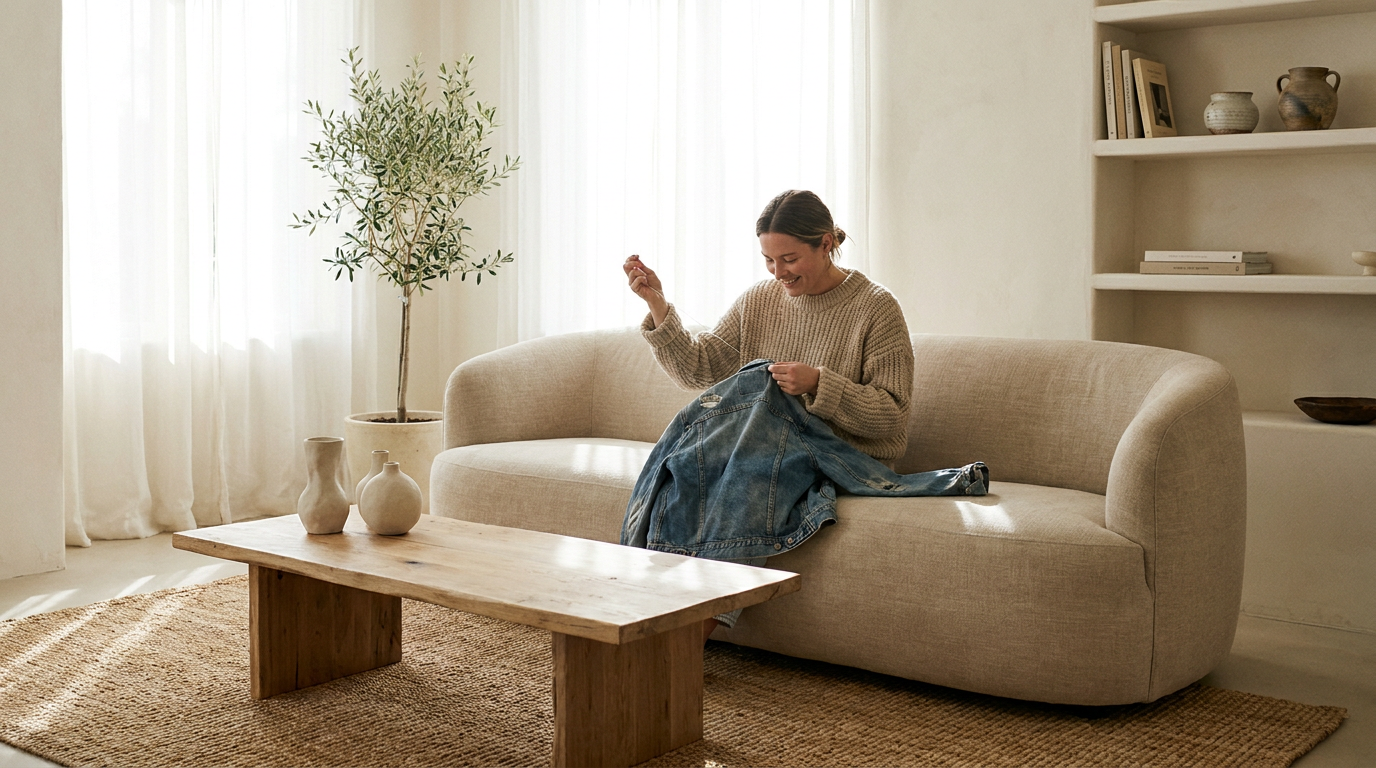
Minimalism has evolved from a stark, empty aesthetic into a practical philosophy focused on financial mindfulness, digital compartmentalization, and warm, lived-in spaces.
By Factlen Editorial Team
Pragmatic Consumers 35%Digital Minimalists 35%Design & Brand Strategists 30%
- Pragmatic Consumers
- Focuses on the financial and practical benefits of using what you already own.
- Digital Minimalists
- Prioritizes the protection of human attention in an increasingly AI-driven world.
- Design & Brand Strategists
- Champions the shift toward warm, tactile, and emotionally resonant physical spaces.
What's not represented
- · Retailers and brands reliant on fast-fashion volume
- · Low-income consumers for whom underconsumption is a necessity, not a choice
Why this matters
As economic pressures and digital noise reach all-time highs, the 2026 evolution of minimalism offers a practical roadmap for reclaiming your time, money, and attention. By shifting from a sterile aesthetic to a lived-in philosophy, this movement provides actionable ways to reduce daily overwhelm and build a more intentional life.
More in lifestyle
See all 48 stories →Digital Wellness
The Dumbphone Renaissance: Why Gen Z is Downgrading Tech to Reclaim Their Minds
7 sources
Community Spaces
The 2026 'Third Place' Revival: How Communities Are Reclaiming Physical Spaces to Combat Loneliness
9 sources
Workplace Trends
Chronoworking: How Aligning Schedules With Circadian Rhythms Is Reshaping Productivity
9 sources

Modern Romance
The Science of 'Slow Dating': Why Intentional Matchmaking is Replacing Swipe Culture
8 sources

Stay informed
Every angle. Every day.
Get lifestyle stories with full source coverage and perspective breakdowns delivered to your inbox.