
Netherlands Leads World Rowing Cup Standings as Plovdiv Prepares for Stage Two
Following a dominant performance at the season opener in Seville, the Netherlands tops the 2026 World Rowing Cup points standings, with Great Britain and Germany close behind as the tour heads to Bulgaria.
By Factlen Editorial Team
- European Frontrunners
- Confident in their early speed and depth, focusing on maintaining peak performance through the summer.
- British Challengers
- Pleased with a strong start but actively looking to close the 11-point gap on the Netherlands.
- Global Competitors
- Celebrating breakthrough medals and aiming to disrupt the traditional European powerhouses.
What's not represented
- · Host city organizers in Plovdiv
Why this matters
The World Rowing Cup series dictates momentum heading into the World Championships in Amsterdam this August. With the Netherlands currently holding the top spot, rival nations are under pressure to close the gap at the upcoming Plovdiv regatta where entries are capped, making every race critical.
Key points
- The Netherlands leads the 2026 World Rowing Cup standings with 51 points after Stage I.
- Great Britain trails in second place with 40 points, having secured five medals in Seville.
- Germany topped the gold medal table in the opening regatta with four victories.
- The series now moves to Plovdiv, Bulgaria, for World Rowing Cup II from June 12-14.
- Nations are limited to entering a maximum of two crews per event for the remainder of the Cup series.
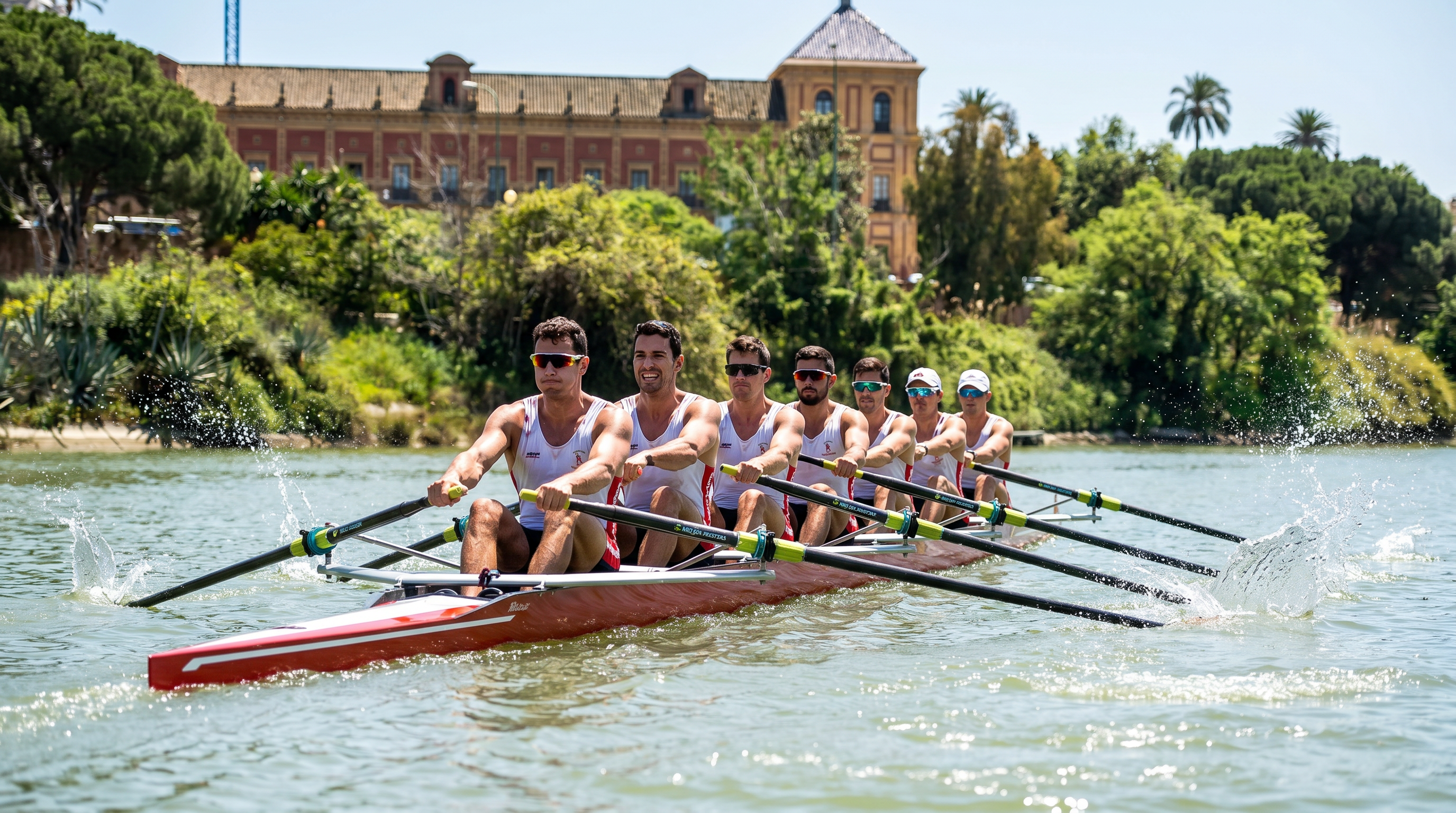
The 2026 international rowing season is officially underway, and the early standings have set the stage for a fiercely competitive summer. Following the conclusion of World Rowing Cup I in Seville, Spain, at the end of May, the Netherlands has taken a commanding lead in the overall points standings.[1]
The Dutch squad amassed 51 points across the Olympic boat classes, securing eight total medals—three gold, three silver, and two bronze. Their performance in the scorching Andalusian heat established them as the team to beat as the circuit moves toward its second stage.[1]
Great Britain sits in second place with 40 points, having claimed five medals of their own, including two golds. Germany, meanwhile, made a massive statement by topping the gold medal table with four victories, though they trail in total points due to fewer overall finals appearances.[1][2]

The focus now shifts to Plovdiv, Bulgaria, which will host World Rowing Cup II from June 12 to 14. The stakes are higher in this middle leg of the series, as member federations are restricted to entering a maximum of two crews per event, down from the four allowed in the opening regatta.[1][5]
The Seville opener provided a crucial early benchmark for crews building toward the World Rowing Championships later this season. The Dutch men's eight, the reigning world champions, delivered a masterclass, pulling away from Great Britain in the second half of the race to secure gold.[1][3]
Great Britain found its own triumphs, particularly in the men's four. The reigning world champion crew of Dan Graham, James Robson, Douwe de Graaf, and George Bourne led from the 500-meter mark and crossed the line more than five seconds ahead of France.[2]
Great Britain found its own triumphs, particularly in the men's four.
In the women's single sculls, Britain's Lauren Henry won a thrilling final by just 0.14 seconds, sprinting past Olympic bronze medallist Viktorija Senkute of Lithuania in a photo finish.[2]
Germany's golden run was anchored by Oliver Zeidler in the men's single sculls. The Paris Olympic champion and three-time world champion dominated his final, crossing the line almost seven seconds ahead of neutral athlete Yauheni Zalaty.[1][3]

The opening regatta also saw historic breakthroughs for emerging rowing nations. Hong Kong claimed double gold in the lightweight women's and men's double sculls, while 18-year-old Joao Veloso of Portugal won the lightweight men's single sculls on his maiden international outing.[1]
Mexico's Kenia Lechuga continued her dominance in the lightweight women's single sculls, attacking from the first stroke to take her third career World Rowing Cup victory.[1]
The points system for the World Rowing Cup heavily rewards consistency across the 12 Olympic boat classes. The highest-placing boat from a country earns eight points for a win, six for second, down to one point for seventh.[1]

With the Plovdiv regatta just days away, nations are finalizing their lineups. The results in Bulgaria will shape the overall standings before the series concludes at the Rotsee in Lucerne, Switzerland, in late June.[1][6]
Ultimately, all roads lead to the 54th World Rowing Championships, which will be held at the historic Bosbaan course in Amsterdam from August 24 to 30. For the Netherlands, defending their home water as the top-ranked nation in the world remains the ultimate prize.[1]
How we got here
May 29-31, 2026
World Rowing Cup I takes place in Seville, Spain, with the Netherlands taking the points lead.
June 12-14, 2026
World Rowing Cup II is scheduled to be held in Plovdiv, Bulgaria.
June 26-28, 2026
The final stage, World Rowing Cup III, will take place in Lucerne, Switzerland.
August 24-30, 2026
The 54th World Rowing Championships will be held in Amsterdam, Netherlands.
Viewpoints in depth
The Dutch and German Standard
The traditional powerhouses are leaning on their depth and star power to dictate the pace of the 2026 season.
For the Netherlands and Germany, the Seville regatta was a validation of their winter training programs. The Dutch squad showcased immense depth across multiple boat classes, securing eight total medals and proving they can field competitive crews even as they shuffle lineups. Germany, meanwhile, relied on sheer star power, with athletes like Oliver Zeidler setting an intimidating standard in the single sculls. Both nations are treating the early World Cup stages as a runway to peak at the World Championships in August.
The British Pursuit
Great Britain is satisfied with early victories but remains hyper-focused on catching the Dutch in the overall points race.
British Rowing enters the Plovdiv regatta with clear momentum, buoyed by dramatic victories like Lauren Henry's photo-finish win and the Men's Four's dominant display. However, the British camp acknowledges that the Netherlands is currently 'setting the standard.' Their strategy for the middle leg of the World Cup involves refining their race execution and capitalizing on the restricted entry rules to close the 11-point gap in the overall standings.
Emerging Nations' Breakthrough
Non-traditional rowing powers are using the World Cup circuit to claim historic medals and build Olympic-cycle momentum.
The opening stage in Seville wasn't just a European showcase; it was a platform for emerging rowing nations to make their mark. Hong Kong's double gold in the lightweight sculls and Mexico's continued success via Kenia Lechuga highlight a growing global parity in the sport. For these federations, the World Cup series is less about the overall points trophy and more about securing individual boat class victories that build confidence and funding ahead of the World Championships.
What we don't know
- Whether the Netherlands can maintain their points lead as federations are forced to reduce their entries to two crews per event.
- How weather conditions in Plovdiv might affect the performance of crews that excelled in the extreme heat of Seville.
Key terms
- Single Sculls
- A rowing boat designed for a single person who propels the boat using two oars, one in each hand.
- Coxswain
- The person who steers the boat and coordinates the power, rhythm, and strategy of the rowers during a race.
- Bosbaan
- A historic artificial rowing course in Amsterdam, built in 1937, which will host the 2026 World Rowing Championships.
Frequently asked
How does the World Rowing Cup points system work?
Points are awarded to the highest-placing boat from a country in each of the 12 Olympic boat classes. A first-place finish earns 8 points, second earns 6, and it scales down to 1 point for seventh place.
Why are entries restricted in the upcoming regattas?
While federations can enter up to four crews per event in the first World Cup, they are restricted to a maximum of two crews per event in Cups II and III to ensure elite concentration and fairness as the season progresses.
Where is the final World Rowing Cup event of 2026?
The third and final stage of the 2026 World Rowing Cup will take place at the Rotsee in Lucerne, Switzerland, from June 26 to 28.
Sources
Source coverage
6 outlets
3 viewpoints surfaced





[1]World RowingEuropean Frontrunners
Germany top medal table after day of surprises in Seville
Read on World Rowing →[2]British RowingBritish Challengers
Great Britain win five medals at 2026 World Rowing Cup I in Seville
Read on British Rowing →[3]Row360European Frontrunners
Champions, Comebacks and Class Switches: Who to Watch at World Rowing Cup I in Seville
Read on Row360 →[4]Rowing AustraliaGlobal Competitors
World Cup 1, Seville – Day 1: Rowsellas impress with flying start
Read on Rowing Australia →[5]Rowing Canada AvironGlobal Competitors
2026 World Rowing Cup II
Read on Rowing Canada Aviron →[6]AllSportDBGlobal Competitors
2026 World Rowing Cup
Read on AllSportDB →
More in sports
See all 338 stories →Pro Volleyball Boom
The $100M Turf War Building America's First Sustainable Pro Volleyball Ecosystem
6 sources
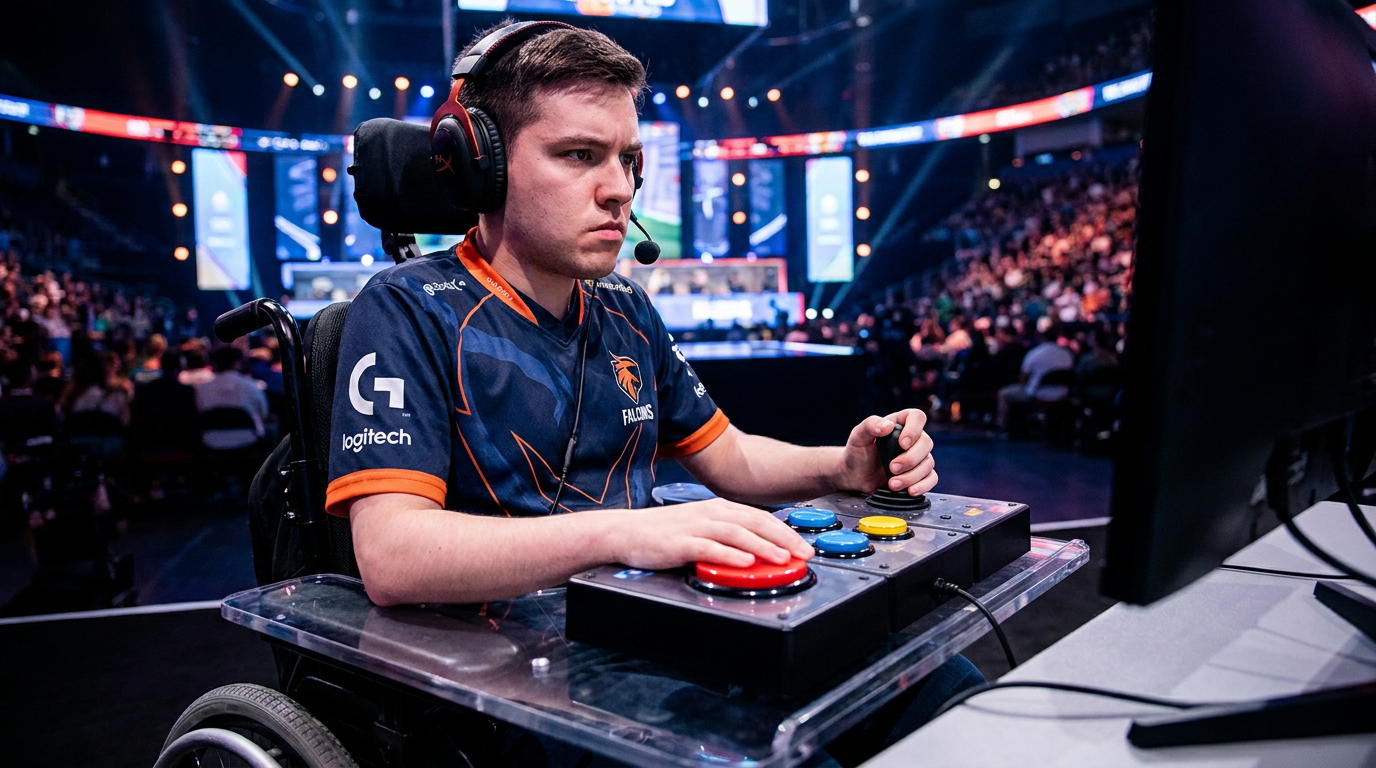
Adaptive Gaming
How Adaptive Tech and Modular Design Are Leveling the Esports Playing Field
7 sources
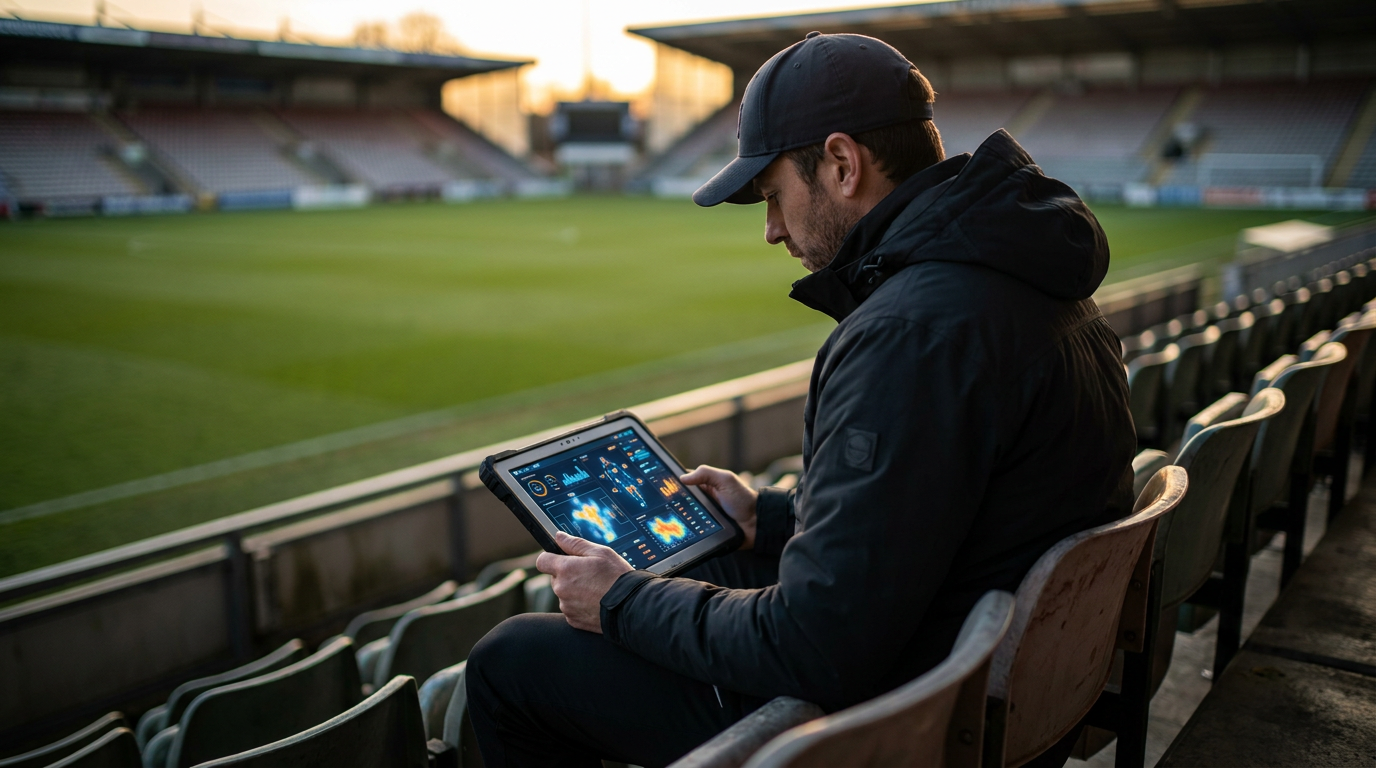
Sports Tech
How Artificial Intelligence is Revolutionizing Soccer Scouting and Player Recruitment
8 sources
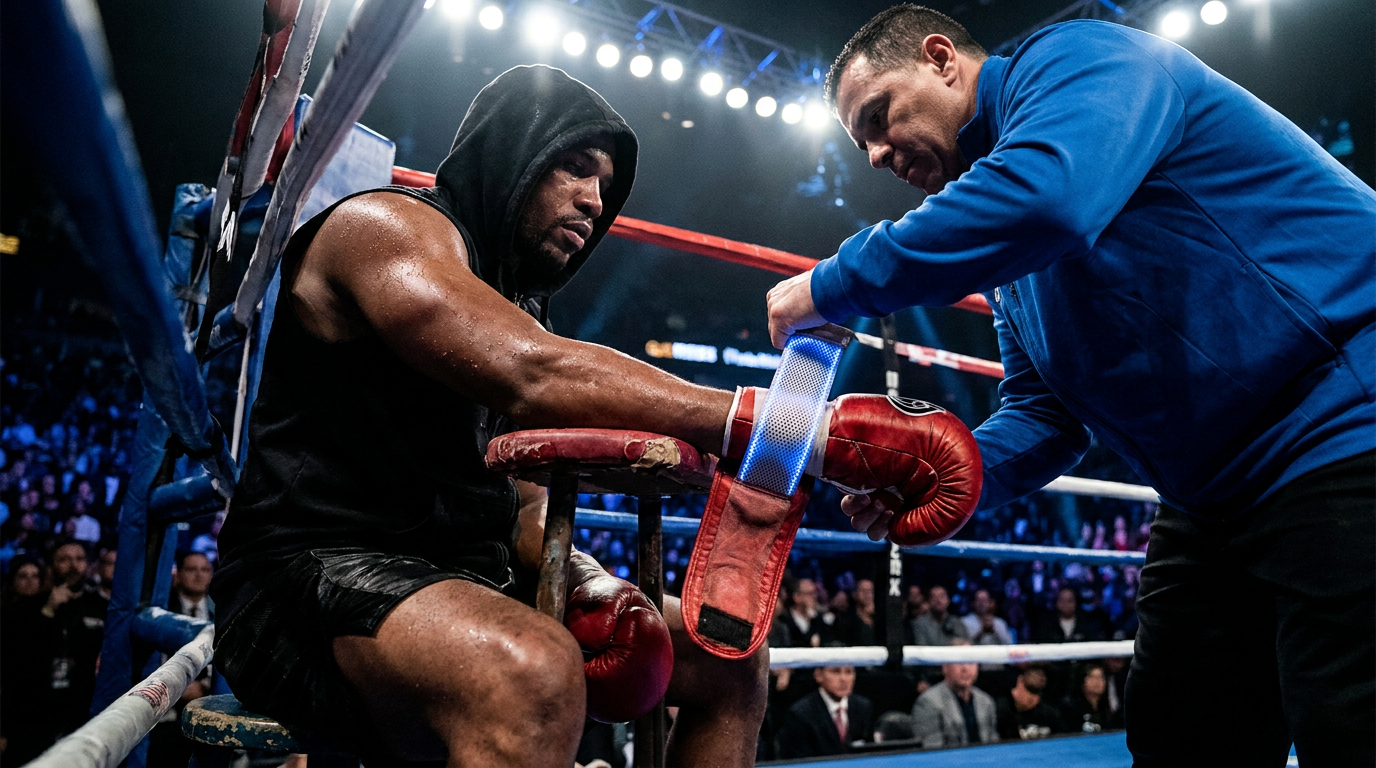
Fighter Safety
How Impact-Sensing Smart Gloves Are Changing the Science of Boxing Safety
7 sources
Every angle. Every day.
Get sports stories with full source coverage and perspective breakdowns delivered to your inbox.