
How Adaptive Tech and Modular Design Are Leveling the Esports Playing Field
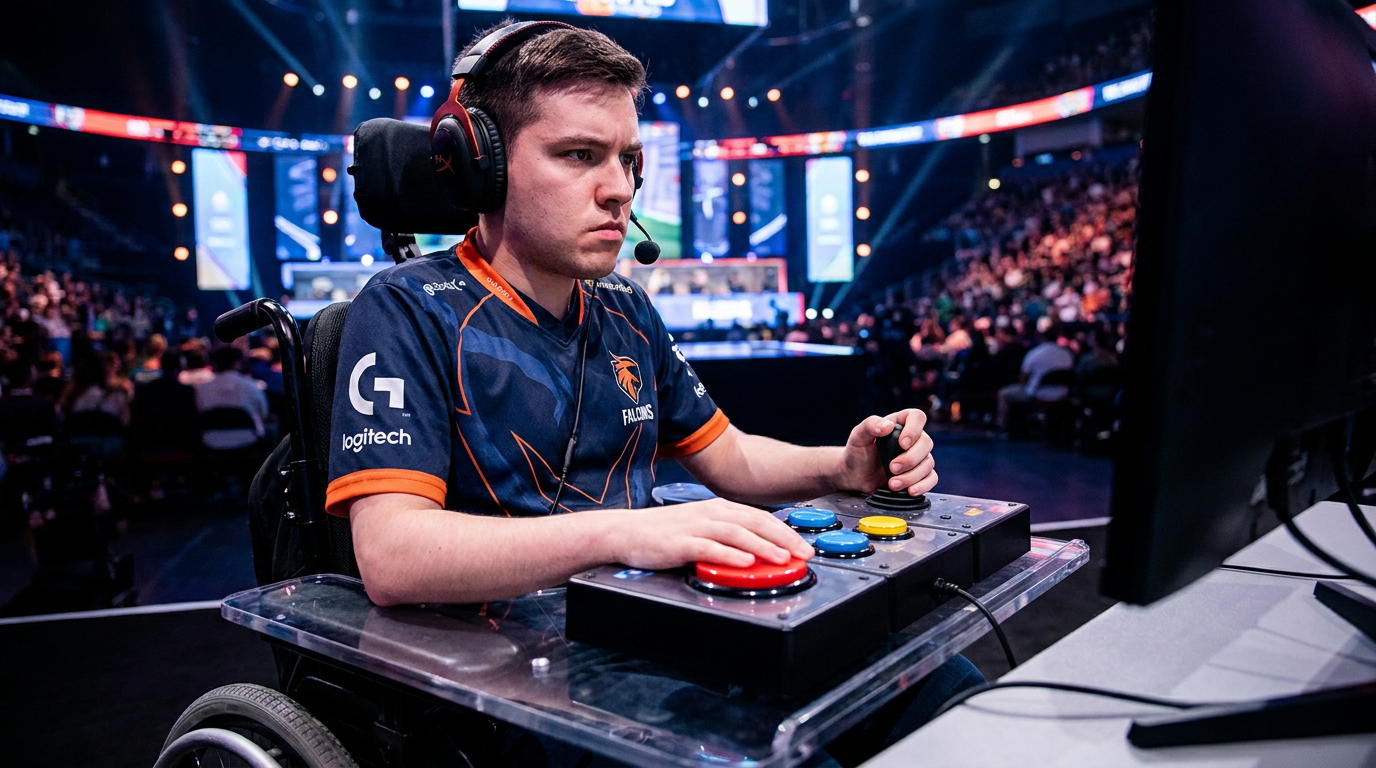
Driven by breakthroughs in modular hardware and eye-tracking technology, competitive gaming is dismantling physical barriers for disabled players. In 2026, adaptive esports is moving from segregated events to mainstream, integrated competition.
By Factlen Editorial Team
- Accessibility Advocates
- Argue that inclusive design must be a core expectation built into every game engine and hardware ecosystem from day one.
- Hardware Innovators
- Focus on the engineering challenges of creating affordable, modular, and durable adaptive controllers that bridge the gap between intent and execution.
- Esports Institutions
- View accessibility as a crucial pathway to expanding the talent pool, audience, and social impact of competitive gaming.
What's not represented
- · Game Engine Developers
- · Sponsors of Adaptive Teams
Why this matters
With an estimated 46 million gamers navigating some form of disability in the U.S. alone, the standardization of accessible hardware transforms esports into the world's most inclusive competitive arena. This shift not only empowers a massive demographic but redefines the baseline requirements for digital competition.

More in sports
See all 293 stories →Flag Football
How Flag Football is Being Engineered for the 2028 LA Olympics
7 sources

Cycling Science
The Science of Speed: How Aerodynamics and Nutrition Revolutionized Modern Cycling
7 sources

Fighter Pay
How UFC Fighter Pay Works: The Economics Behind Freedom 250's Record $425,000 Bonuses
7 sources

Pro Volleyball Boom
The $100M Turf War Building America's First Sustainable Pro Volleyball Ecosystem
6 sources

Every angle. Every day.
Get sports stories with full source coverage and perspective breakdowns delivered to your inbox.