
Plant-Based vs. Traditional Leather: The 2026 Sustainability and Durability Showdown
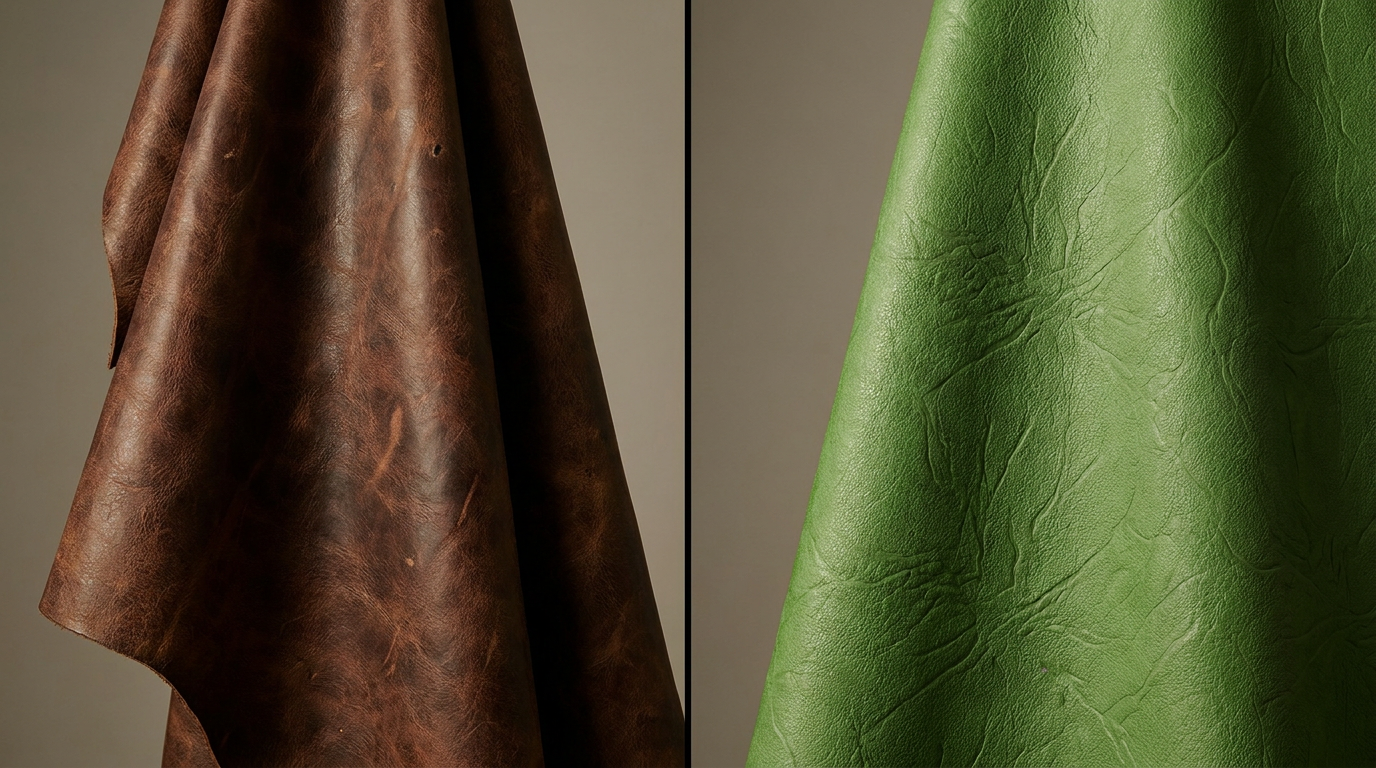
As next-generation materials like mycelium and cactus leather scale up, consumers face a complex choice between traditional animal hides, synthetic plastics, and bio-based alternatives.
By Factlen Editorial Team
Bio-Based Pragmatists 45%Traditional Leather Advocates 30%Plastic-Free Purists 25%
- Bio-Based Pragmatists
- Champions scalable plant-based alternatives, even if they require synthetic binders.
- Traditional Leather Advocates
- Argues that utilizing meat-industry byproducts for long-lasting goods is the most practical form of sustainability.
- Plastic-Free Purists
- Demands absolute circularity and rejects any material containing petroleum-based plastics.
What's not represented
- · Tannery Workers
- · Livestock Farmers
Why this matters
As the global leather market approaches $360 billion, consumers are increasingly forced to choose between animal welfare, plastic pollution, and carbon emissions. Understanding the hidden trade-offs of next-generation materials prevents eco-conscious shoppers from accidentally investing in greenwashed plastics.
More in shopping
See all 119 stories →EV Battery Tech
Solid-State EV Batteries Are Entering Production in 2026: What Car Buyers Need to Know
6 sources

Display Tech
OLED vs. Mini-LED in 2026: The Ultimate TV Trade-Off Analysis
6 sources

Luggage Tech
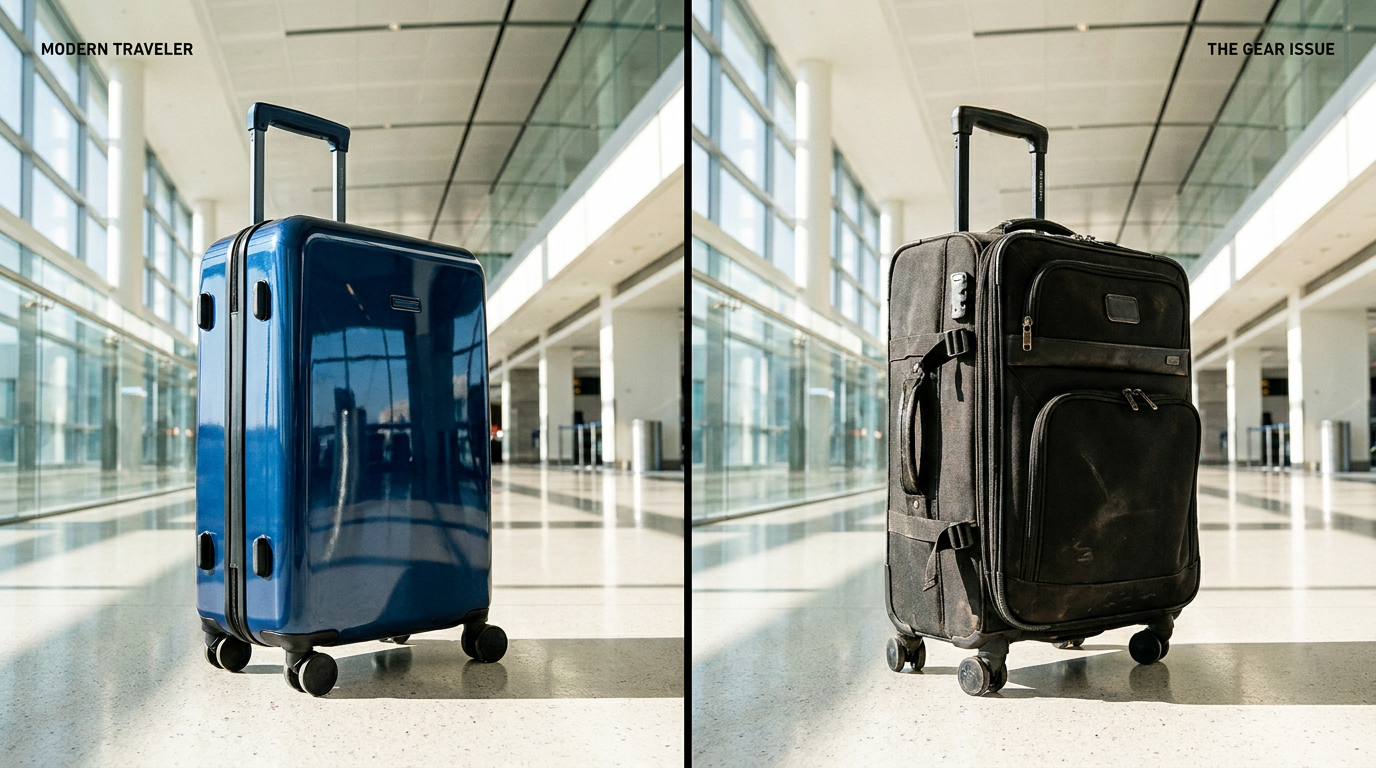
Hardside vs. Softside Luggage: The Ultimate Carry-On Material Comparison
7 sources
AI Shopping
AI Shopping Agents Take Over the Summer 2026 Deal Season, Automating Consumer Savings
7 sources

Stay informed
Every angle. Every day.
Get shopping stories with full source coverage and perspective breakdowns delivered to your inbox.