
How Universal Free School Meals Are Reshaping Education and State Budgets in 2026
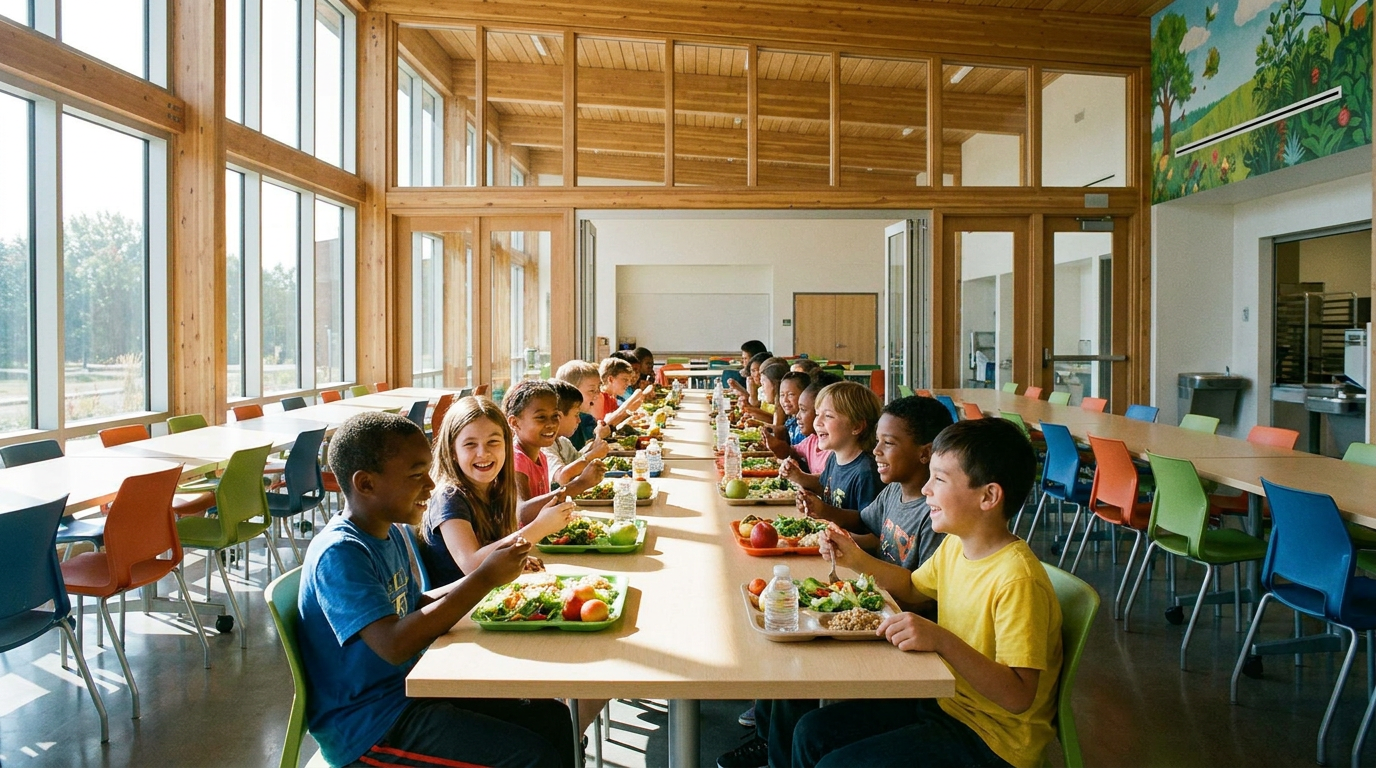
As New York becomes the ninth state to permanently fund universal free school meals, early data shows significant drops in food insecurity and student suspensions, though logistical and fiscal challenges remain.
By Factlen Editorial Team
- Progressive Policy Advocates
- Argue that school meals are a fundamental public good that should be guaranteed to all students.
- Researchers & Analysts
- Focus on the measurable outcomes of universal meal programs on student well-being and community resources.
- Fiscal Conservatives
- Warn against the financial inefficiency and state budget strain of subsidizing meals for affluent families.
What's not represented
- · School cafeteria workers managing increased daily meal volumes
- · Local farmers and agricultural suppliers contracting with school districts
Why this matters
The shift toward universal free school meals represents one of the largest expansions of the American social safety net in decades. For families, it means saving thousands of dollars a year in grocery costs, while for taxpayers, it raises new questions about the efficiency and cost of subsidizing food for all income brackets.

More in perspectives
See all 18 stories →Brain Health
The Science of Cognitive Reserve: How Adult Brains Rewire to Defy Aging
8 sources

Classical Education
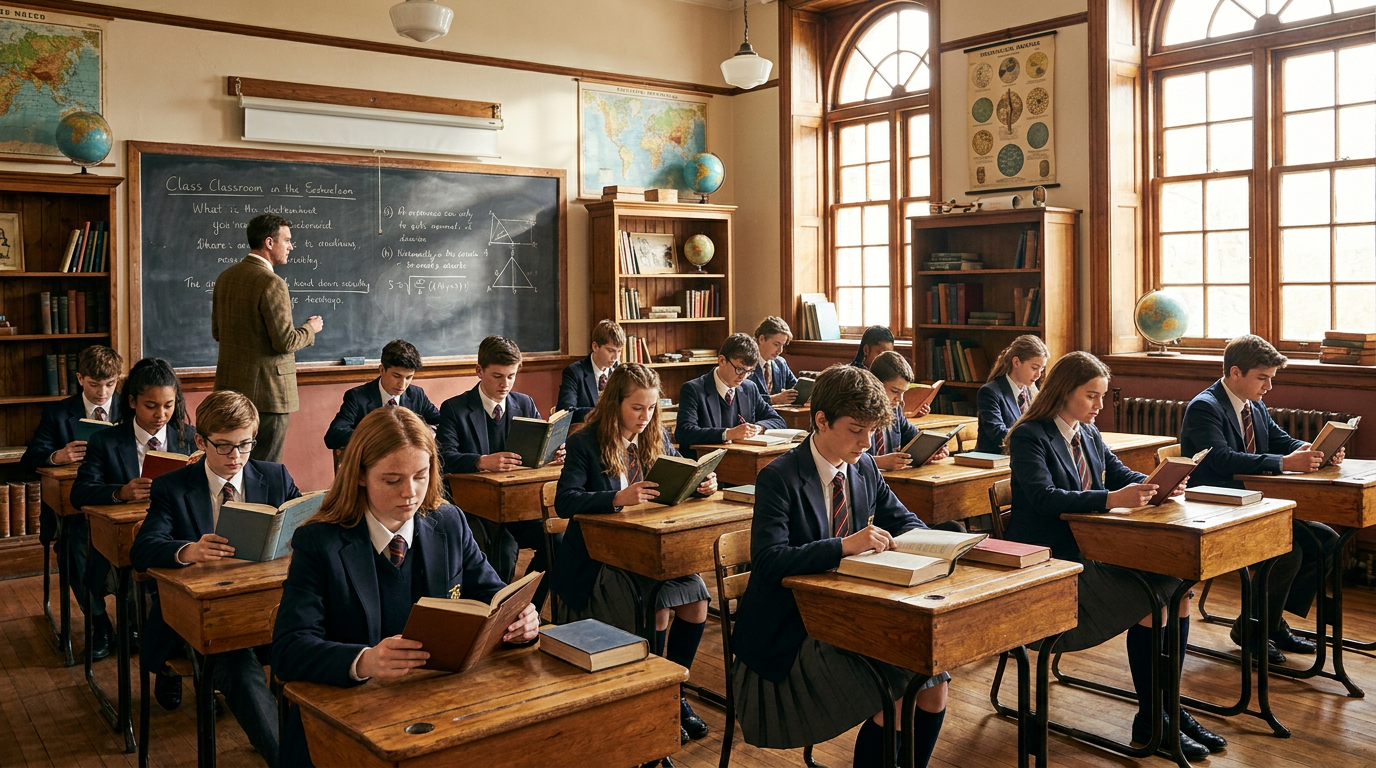
The Quiet Resurgence of Classical Education: Inside the Traditional Schooling Boom
8 sources
Deliberative Democracy
How 'Civic Lotteries' and Citizen Assemblies Are Breaking Political Gridlock
8 sources

Labor Policy
The 4-Day Workweek Moves From Fringe Idea to Empirical Reality
8 sources

Every angle. Every day.
Get perspectives stories with full source coverage and perspective breakdowns delivered to your inbox.