
Global Weightlifting Standings Reset as Athletes Pivot to New Olympic Weight Classes
Following the Asian and European Championships, the international weightlifting community is recalibrating for a massive standings reset. The upcoming World Championships in Ningbo will debut a consolidated eight-tier weight system, officially launching the road to LA 2028.
By Factlen Editorial Team
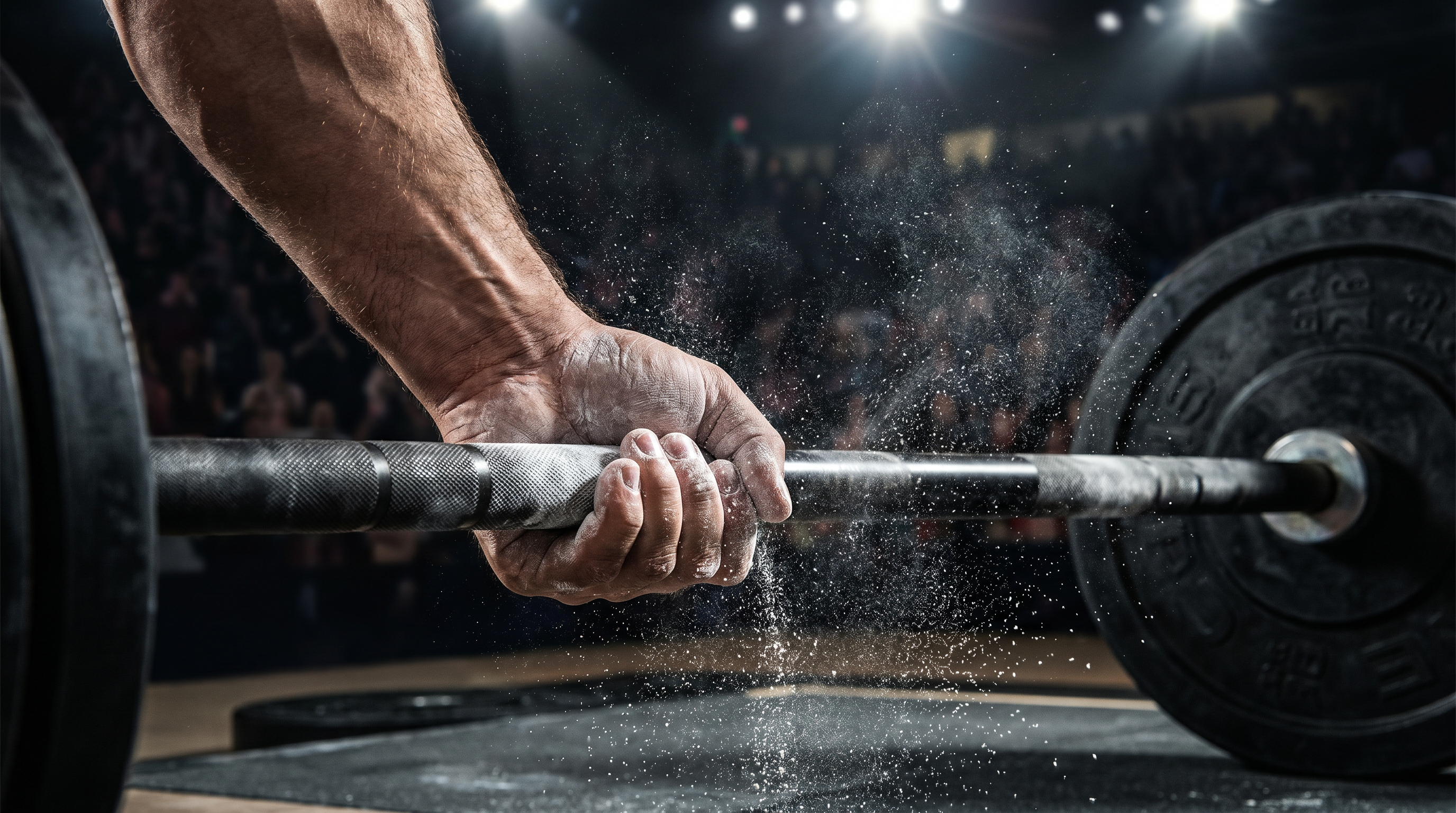
- National Federations
- Focused on maximizing Olympic quotas under the new weight class system.
- Athletes in Transition
- Navigating the physical and strategic challenges of moving to new weight classes.
- Emerging Programs
- Capitalizing on the standings reset to establish themselves on the global stage.
What's not represented
- · Athletes forced into early retirement due to the elimination of their natural weight class
Why this matters
The consolidation of weight classes fundamentally alters the sport's global hierarchy. Athletes must now physically adapt to new divisions, making the upcoming World Championships the most unpredictable and high-stakes event of the Olympic cycle.
Key points
- The IWF is reducing its weight classes to eight per gender, effective August 1, 2026.
- The 2026 World Championships in Ningbo, China, will be the first major test of the new classes.
- Ningbo marks the official start of the LA 2028 Olympic qualification cycle.
- Athletes are currently cutting weight or bulking up to fit the new Olympic divisions.
- Emerging nations like India are using the reset to surge in the global standings.
The global weightlifting landscape is undergoing a seismic reset this month. Following the conclusion of the European Championships in Batumi and the Asian Championships in Gandhinagar, the sport's elite are now turning their attention to the 2026 IWF World Championships in Ningbo, China.[1][2][3]
But this isn't just a routine transition between events. The Ningbo championships, scheduled for October 27 to November 8, will serve as the first major battleground under the International Weightlifting Federation's newly revised bodyweight categories.[1][7]
Effective August 1, the IWF is streamlining the sport into eight weight classes per gender, down from previous cycles, to perfectly align with the 2028 Los Angeles Olympic program. For the men, the classes will range from 60 kg up to +110 kg, while the women's divisions will span from 49 kg to +86 kg.[5]

This consolidation means the current global standings are effectively being thrown into a blender. Athletes who previously dominated non-Olympic weight classes are now forced to either cut weight or bulk up to fit into the new rigid eight-tier system, fundamentally altering the competitive hierarchy.[5]
The recent continental championships provided a final glimpse of the old order. At the European Championships in Georgia, established stars showcased their dominance, but many lifters treated the event as a final tune-up before beginning their bodily transitions for the Olympic push.[2][6]
The recent continental championships provided a final glimpse of the old order.
Meanwhile, the Asian Championships in India offered a preview of the fierce regional rivalries that will define the road to LA 2028. China and North Korea, the world's two strongest federations, clashed directly, setting the stage for their upcoming rematch on Chinese soil.[3]
The Gandhinagar event also saw host nation India secure a massive turnaround, capturing 10 medals after drawing a blank at the previous edition. Breakout performances from athletes like 19-year-old Sanjana, who won three bronze medals in the 77 kg division, signaled the arrival of new contenders on the global stage.[4][8]

In the heavier divisions, Bahrain's Gor Minasyan sent a warning shot across the super heavyweight class, lifting a staggering 457 kg total to claim gold at the Asian Championships. His performance sets up a colossal showdown in Ningbo against the world's best +110 kg lifters.[4][7]
The stakes in Ningbo cannot be overstated. IWF officials have explicitly stated that the Chinese-hosted event will set the benchmark for the entire Olympic cycle, attracting competitors from over 100 nations. It marks the official commencement of the qualification period for Los Angeles, meaning every successful lift will directly impact the Olympic Qualification Ranking.[5]

For national federations, the strategy is twofold: secure top global rankings for their premier athletes while navigating the strict quota limits imposed by the International Olympic Committee. Countries are capped at a maximum of three athletes per gender for the 2028 Games, forcing intense internal battles just to make the national team.[5]
As the summer training blocks begin, the weightlifting world is holding its breath. The sport's traditional powerhouses—China, North Korea, and the surging European contingents—are recalibrating their rosters. When the chalk settles in Ningbo this October, a completely new world order will be established on the platform.[1][3][5]
How we got here
April 2026
The European Weightlifting Championships are held in Batumi, Georgia.
May 2026
The Asian Weightlifting Championships take place in Gandhinagar, India.
August 2026
The new IWF bodyweight categories officially take effect globally.
October 2026
The IWF World Championships begin in Ningbo, China, launching the LA 2028 qualification cycle.
Viewpoints in depth
The IWF's Streamlining Strategy
The federation views the class reduction as essential for Olympic survival.
For the International Weightlifting Federation, the reduction to eight weight classes per gender is a necessary evolution to secure the sport's long-term Olympic future. By perfectly aligning the World Championship categories with the Los Angeles 2028 program, the IWF aims to eliminate the confusion of non-Olympic weights and create a straightforward, highly competitive qualification pathway. Officials view the upcoming Ningbo championships as the ultimate proof-of-concept for this streamlined era.
The Athlete's Dilemma
Lifters face extreme physical challenges adapting to the new boundaries.
For the lifters, the standings reset presents a profound physical challenge. Athletes who comfortably sat between the new weight boundaries must now make a critical choice: undergo grueling weight cuts to drop down a class, or pack on muscle to compete against naturally larger opponents in the division above. This transition period means that historical dominance in a previous weight class does not guarantee success in the new Olympic hierarchy.
Emerging Nations' Opportunity
Developing programs are using the reset to climb the global ranks.
While traditional powerhouses like China and North Korea are busy recalibrating their deep rosters, emerging weightlifting nations view the class consolidation as a window of opportunity. Programs like India's, which recently surged to a 10-medal haul at the Asian Championships, are strategically placing their rising stars in newly formed divisions where the global hierarchy has yet to solidify, hoping to steal early qualification points.
What we don't know
- How many established world record holders will struggle to adapt to their new weight classes.
- Which athletes will secure the limited three-per-gender Olympic quota spots for powerhouse nations like China.
Key terms
- Snatch
- A competition lift where the barbell is lifted from the floor to overhead in one continuous motion.
- Clean and Jerk
- A two-part competition lift where the barbell is first brought to the shoulders (clean) and then pushed overhead (jerk).
- Olympic Qualification Ranking (OQR)
- The official points system used by the IWF to determine which athletes earn spots at the upcoming Olympic Games.
Frequently asked
When do the new IWF weight classes take effect?
The new eight-tier system for both men and women officially takes effect globally on August 1, 2026.
Why were the weight classes changed?
The IWF consolidated the weight classes to perfectly align with the program for the 2028 Los Angeles Olympics, streamlining the qualification process and eliminating non-Olympic divisions.
Where are the 2026 World Championships being held?
The 2026 IWF World Championships will be held in Ningbo, China, from October 27 to November 8.
Sources
Source coverage
8 outlets
3 viewpoints surfaced





[1]International Weightlifting FederationNational Federations
Ningbo (CHN) will host the 2026 IWF World Championships
Read on International Weightlifting Federation →[2]Olympics.comAthletes in Transition
European Weightlifting Championships 2026: Schedule, stars to watch, and how to follow live
Read on Olympics.com →[3]Weightlifting HouseAthletes in Transition
2026 Asian Weightlifting Championships Results
Read on Weightlifting House →[4]Akashvani NewsEmerging Programs
India bag 10 medals in Asian Weightlifting Championships 2026 in Gandhinagar
Read on Akashvani News →[5]XinhuaNational Federations
Ningbo World Championships to define Olympic weightlifting standards
Read on Xinhua →[6]European Weightlifting FederationEmerging Programs
2026 EWF European Championships
Read on European Weightlifting Federation →[7]BarBendAthletes in Transition
Dates & Locations for the Biggest Weightlifting Meets in 2026
Read on BarBend →[8]The Times of IndiaEmerging Programs
Asian Weightlifting Championships 2026: India finish campaign with 10 medals
Read on The Times of India →
More in sports
See all 391 stories →Pro Volleyball Boom
How Women's Professional Volleyball Finally Broke Through in America
6 sources
Women's Sports
How Women's Wrestling Became the Fastest-Growing Collegiate Sport in America
8 sources
Engine Regulations
The 2026 Formula 1 Engine Revolution: How Sustainable Fuel and a 50/50 Hybrid Split Are Changing the Sport
8 sources
MLB Milestones
Brewers' Jacob Misiorowski Throws Historic 15-Strikeout, One-Hit Shutout
7 sources
Every angle. Every day.
Get sports stories with full source coverage and perspective breakdowns delivered to your inbox.