
The 2026 Formula 1 Engine Revolution: How Sustainable Fuel and a 50/50 Hybrid Split Are Changing the Sport
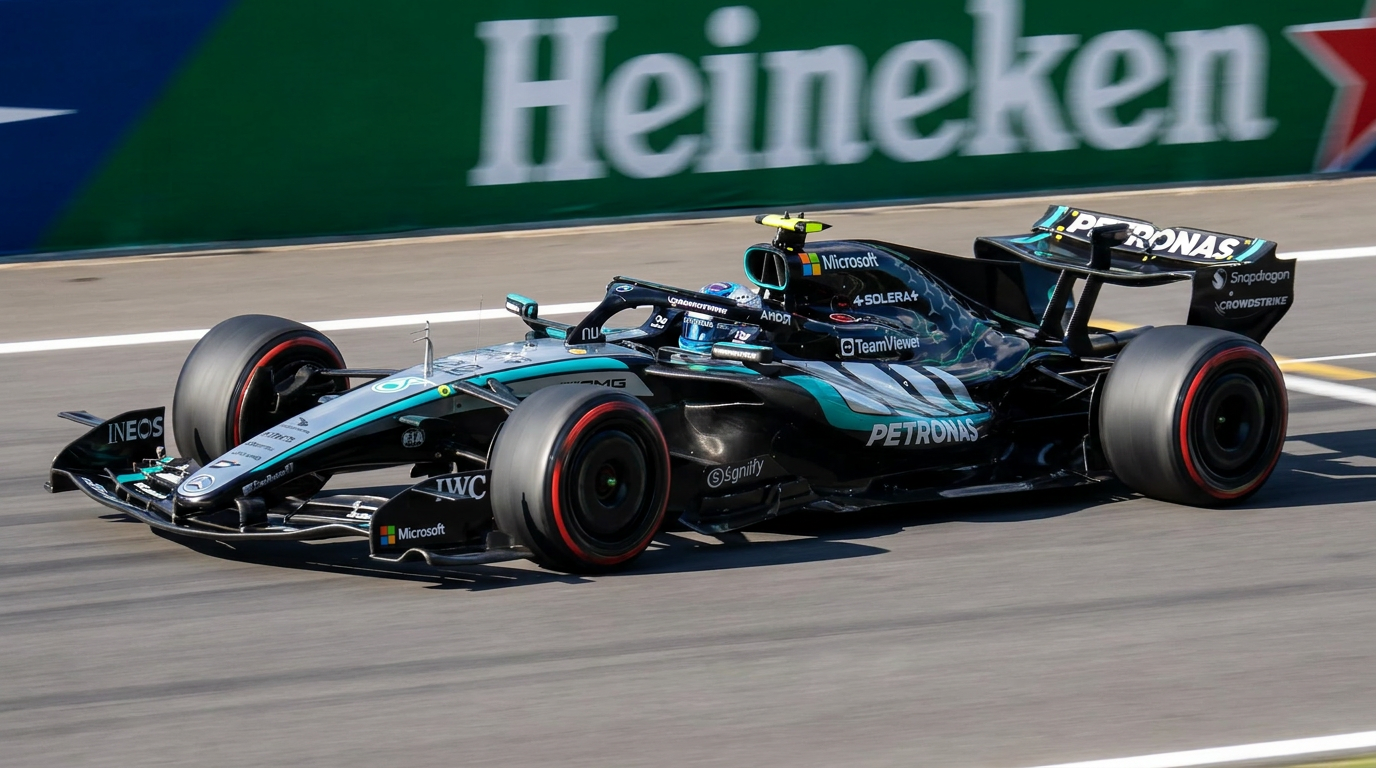
Formula 1 has entered a new era with its 2026 regulations, introducing 100% sustainable drop-in fuels and a radical power split between combustion and electric energy. The changes aim to achieve net-zero carbon by 2030 while attracting major automotive manufacturers back to the grid.
By Factlen Editorial Team

- Industry Pragmatists
- Views the 2026 regulations as a vital R&D laboratory for developing e-fuels and hybrid systems applicable to everyday road cars.
- Racing Purists
- Values pure racing dynamics and pushes back against regulations that force excessive energy management at the expense of flat-out speed.
- Regulatory Visionaries
- Argues that F1 must pioneer sustainable fuels and hybrid tech to remain relevant and achieve net-zero carbon by 2030.
What's not represented
- · Smaller privateer teams
- · Environmental watchdog groups
Why this matters
While Formula 1 is an elite sport, the technology developed for its 2026 engines—specifically 100% sustainable drop-in fuels—could eventually be used to decarbonize the billions of everyday combustion-engine cars currently on the road.
More in sports
See all 290 stories →Flag Football
How Flag Football is Being Engineered for the 2028 LA Olympics
7 sources

Cycling Science
The Science of Speed: How Aerodynamics and Nutrition Revolutionized Modern Cycling
7 sources

Fighter Pay
How UFC Fighter Pay Works: The Economics Behind Freedom 250's Record $425,000 Bonuses
7 sources

Pro Volleyball Boom
The $100M Turf War Building America's First Sustainable Pro Volleyball Ecosystem
6 sources

Every angle. Every day.
Get sports stories with full source coverage and perspective breakdowns delivered to your inbox.